🌡️ UNDERSTANDING HARDINESS
🌱 YOUR HARDINESS ZONE CHECKLIST
Before you buy seeds or saplings, learn what your local climate allows. Hardiness zones and frost dates stop you from wasting time on plants that cannot survive your winters or short seasons.
- 🗺️ Zone map or lookup tool: find your USDA or regional hardiness number online
- 📅 Last spring frost date: the day it is usually safe to plant tender crops outside
- ❄️ First fall frost date: when cold nights return and summer crops must finish
- 🌡️ Outdoor thermometer: track nightly lows during shoulder seasons
- 📦 Seed packets: compare "hardy to zone X" labels with your number
- 📓 Garden notebook: write zone, frost dates, and which varieties worked
Time: 15 minutes to research · Saves months of failed crops · Update notes every season
PAGE 1 OF 5, WHAT IS A HARDINESS ZONE?
CLIMATE MAP
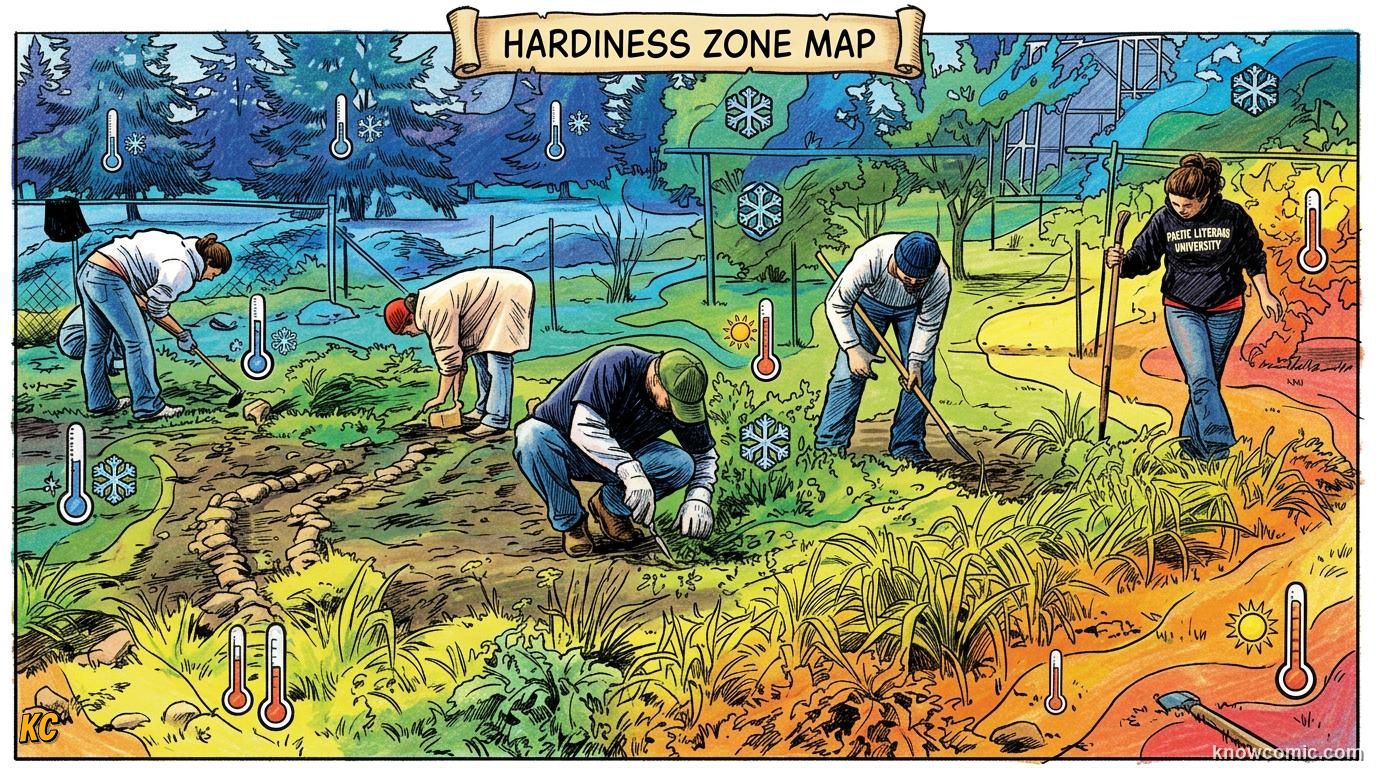
EVERY PLACE HAS A NUMBER
Hardiness zones divide the world into regions based on how cold winters get. In the United States, USDA zones run from 1 (bitter Arctic cold) to 13 (tropical warmth). Each zone is about five and a half degrees Fahrenheit warmer on average than the zone below it. Plants evolved in specific climates, so a banana tree that loves zone 10 will freeze and die in zone 5. Knowing your zone is like knowing your shoe size before buying boots: it saves disappointment later.
⚡ DID YOU KNOW?
Hardiness zones measure average annual minimum winter temperature, not summer heat or rainfall. A desert and a rainy coast can share the same zone number but need different watering plans.
ZONE!
NUMBERS
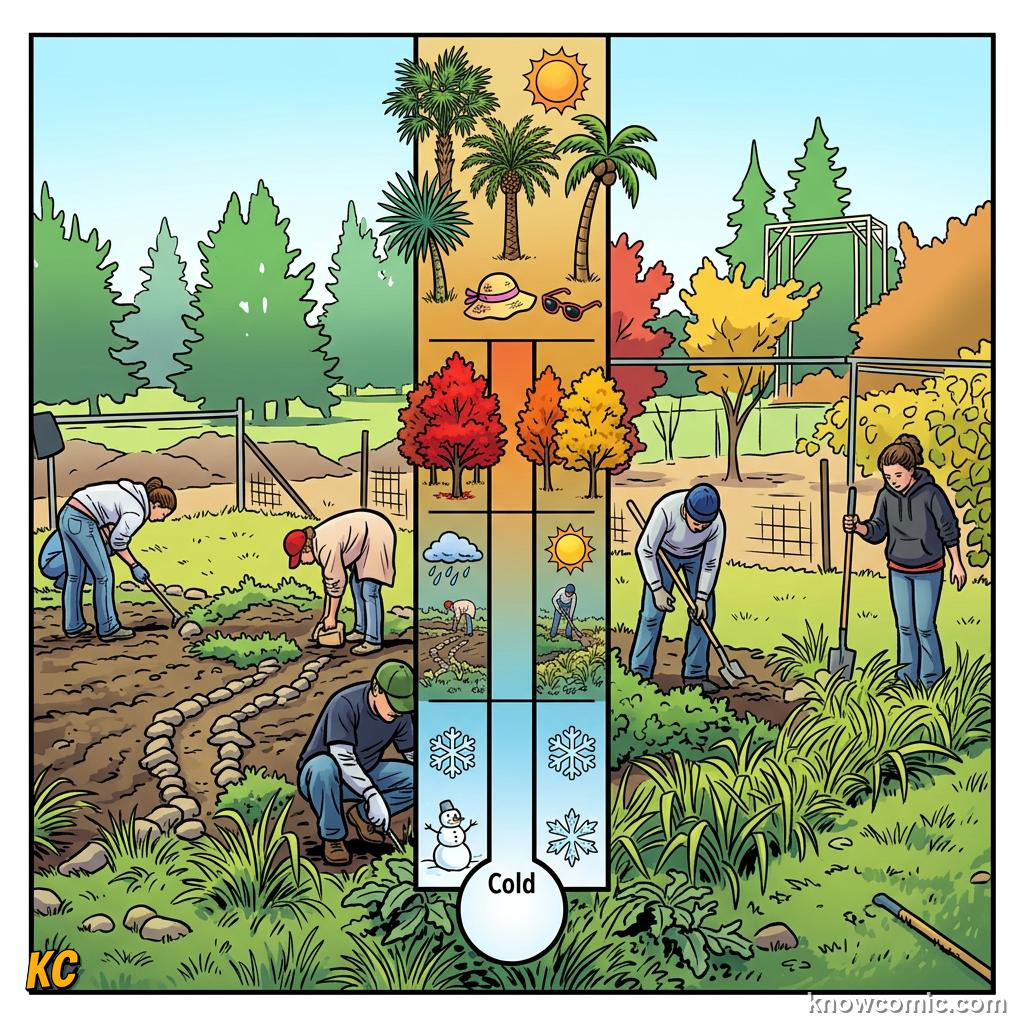
🔢 Lower zone numbers mean colder winters.
🌴 Zone 11 suits citrus; zone 3 suits hardy kale.
🌴 Zone 11 suits citrus; zone 3 suits hardy kale.
MICROCLIMATE
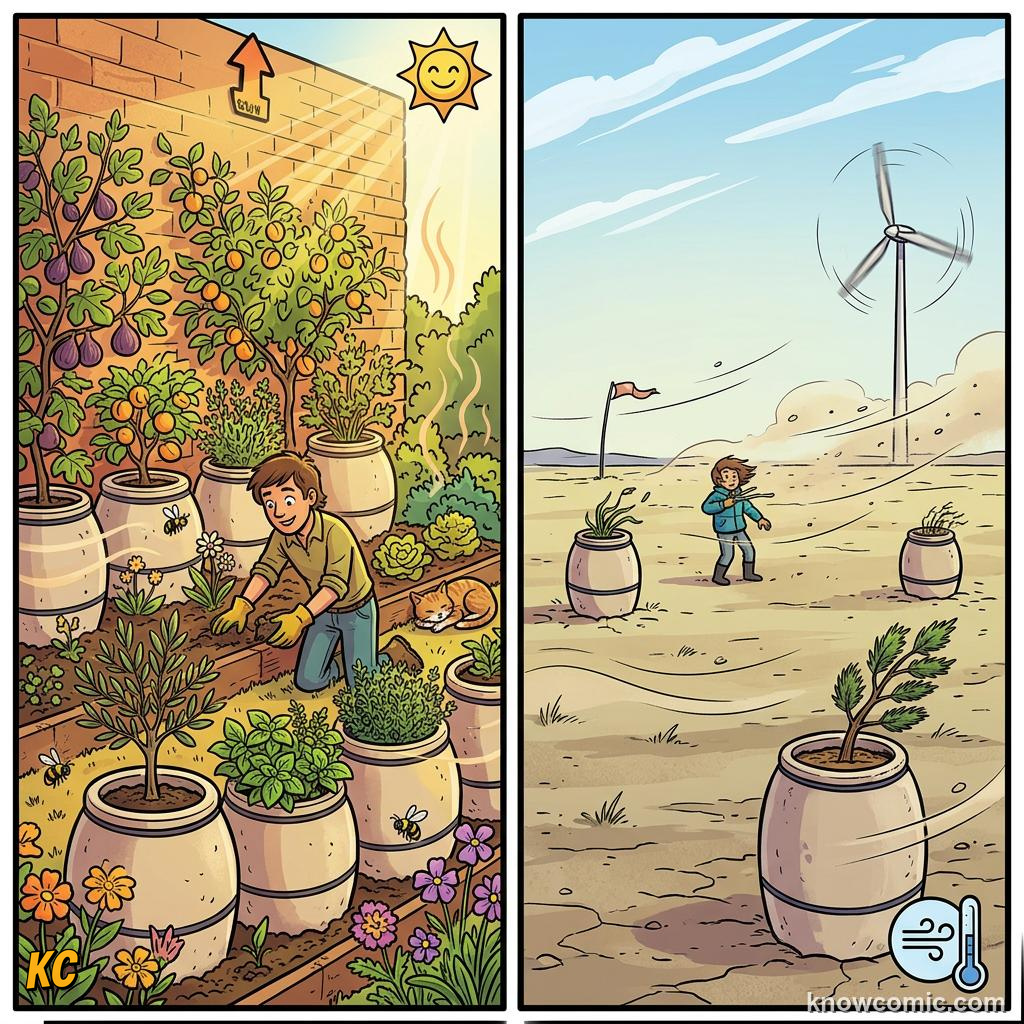
🏠 South walls and patios stay warmer than open fields.
🌬️ Windy hilltops feel colder than sheltered valleys.
🌬️ Windy hilltops feel colder than sheltered valleys.
PAGE 2 OF 5, READ A ZONE MAP
COLOR CODES
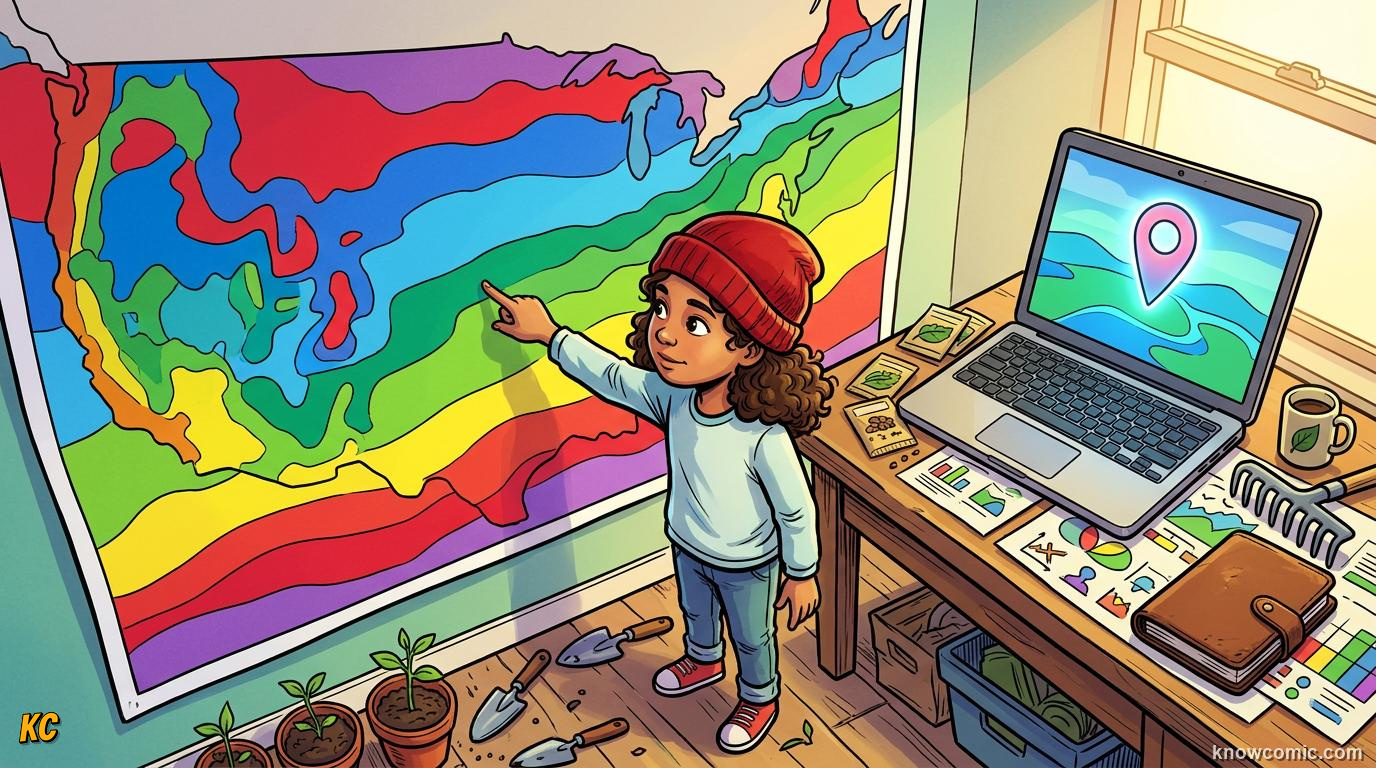
FIND YOUR COLOR ON THE MAP
Official hardiness maps use bands of color across countries and continents. Type your city or postal code into a trusted gardening website and it returns your zone instantly. Cross-check with a printed map on a seed catalog back cover. Coastal areas and mountain slopes sometimes differ by half a zone within the same town. Write your number on your garden notebook cover so you never forget. When friends share plant cuttings, ask what zone they garden in before accepting tropical gifts.
⚡ DID YOU KNOW?
The USDA updated its zone map in 2023 using thirty years of weather data. Some regions shifted half a zone warmer because winters moderated slightly.
MAP!
ONLINE
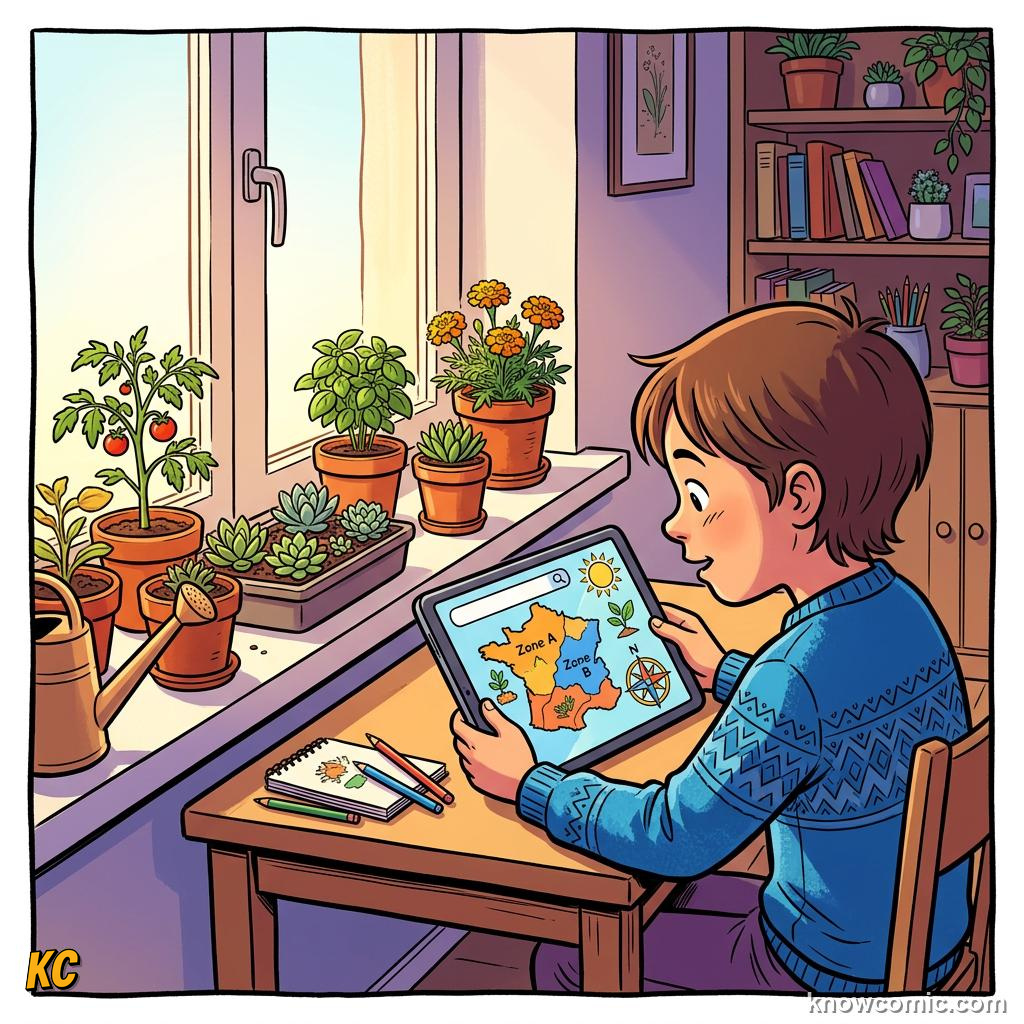
💻 Zone lookup tools use your location.
📱 Save a screenshot for quick reference.
📱 Save a screenshot for quick reference.
PACKET
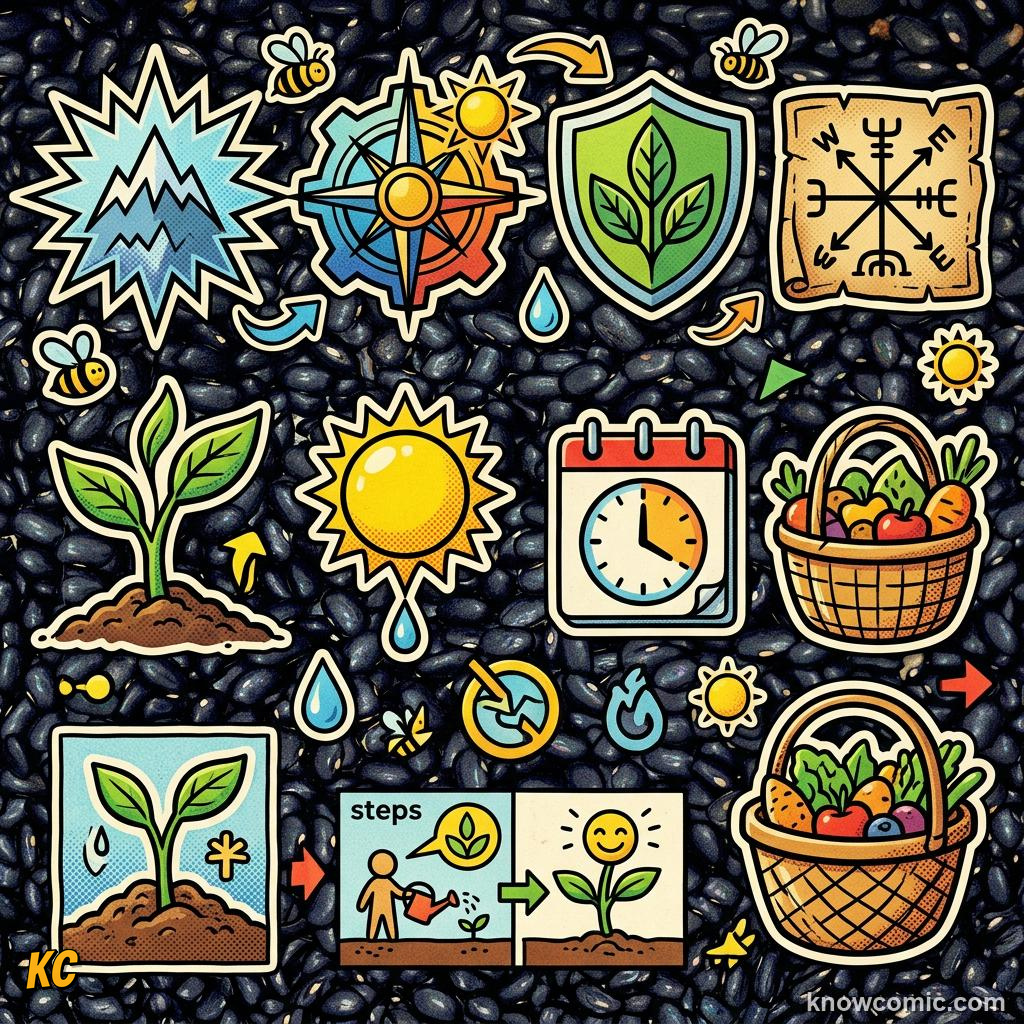
📦 Seed backs list zones and days to harvest.
🌻 Match packet zone range to yours.
🌻 Match packet zone range to yours.
NEIGHBOR
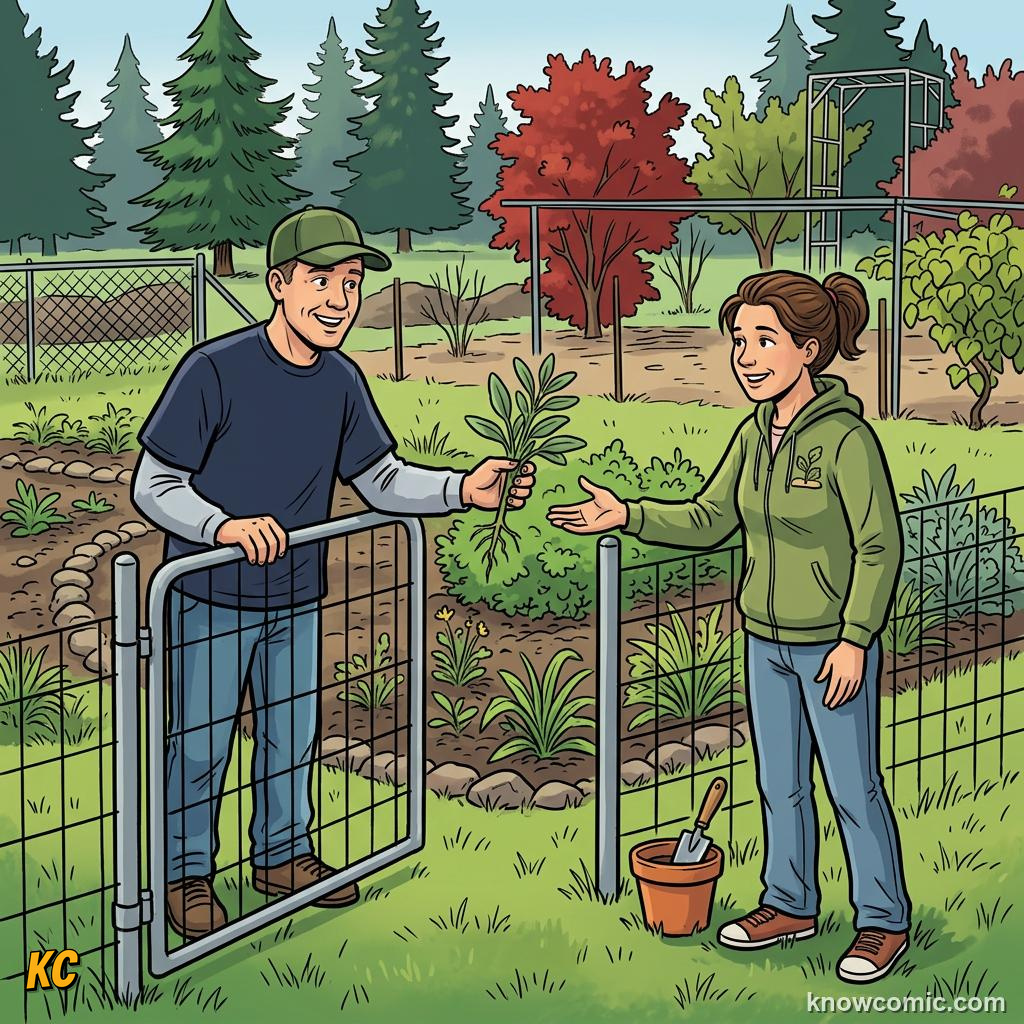
🏡 Ask local gardeners what survives winters.
🌿 Nursery tags show hardiness ratings too.
🌿 Nursery tags show hardiness ratings too.
PAGE 3 OF 5, FROST DATES MATTER
SPRING
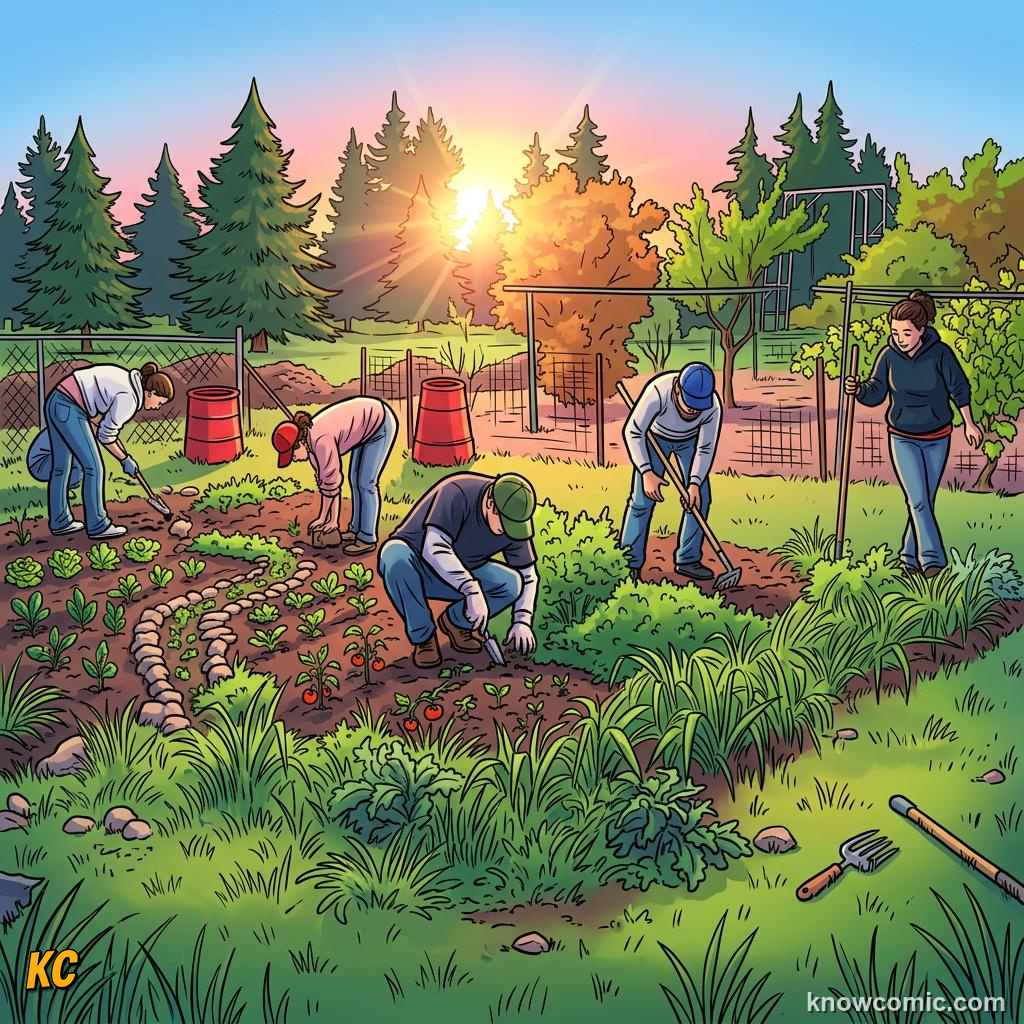
🌸 Last frost date marks safe outdoor planting.
🍅 Tomatoes hate surprise cold nights.
🍅 Tomatoes hate surprise cold nights.
FALL
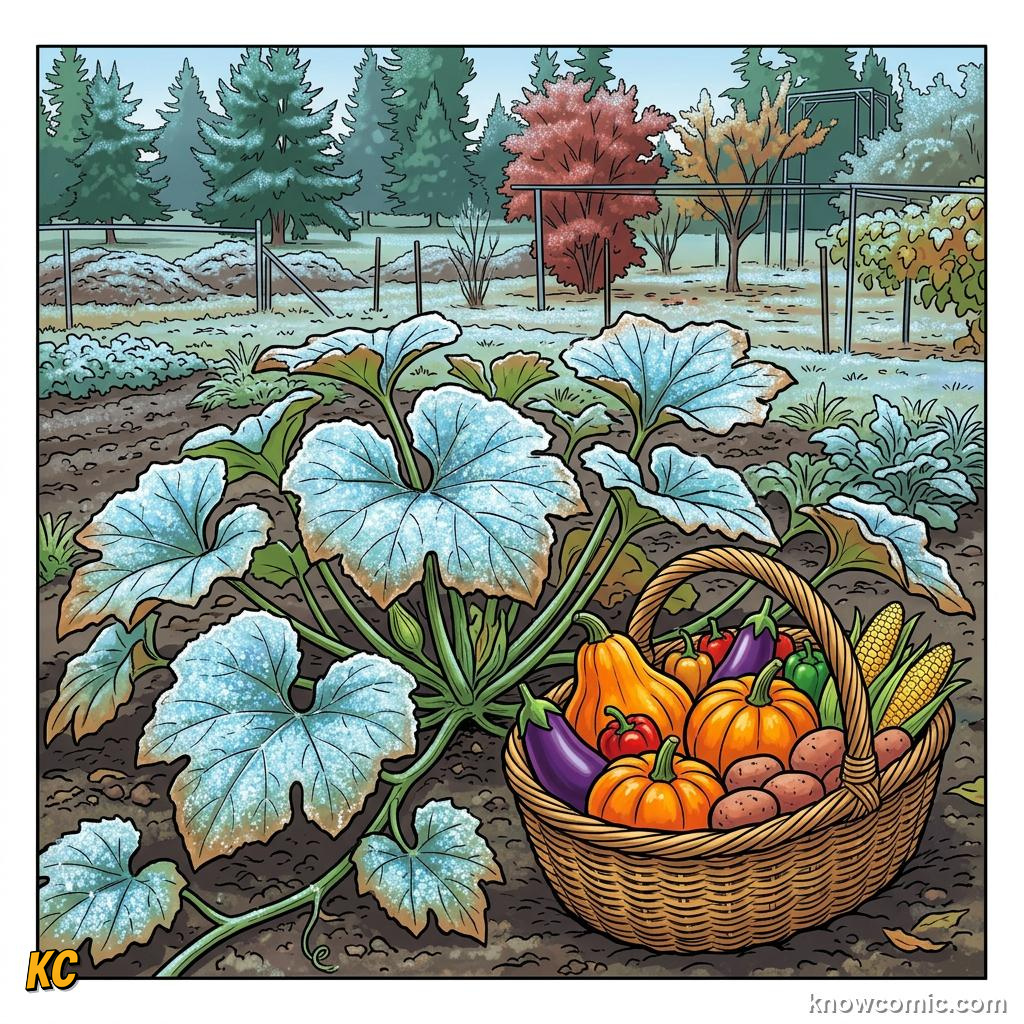
🍂 First frost ends tender crop season.
🎃 Harvest pumpkins before hard freeze hits.
🎃 Harvest pumpkins before hard freeze hits.
GROWING WINDOW
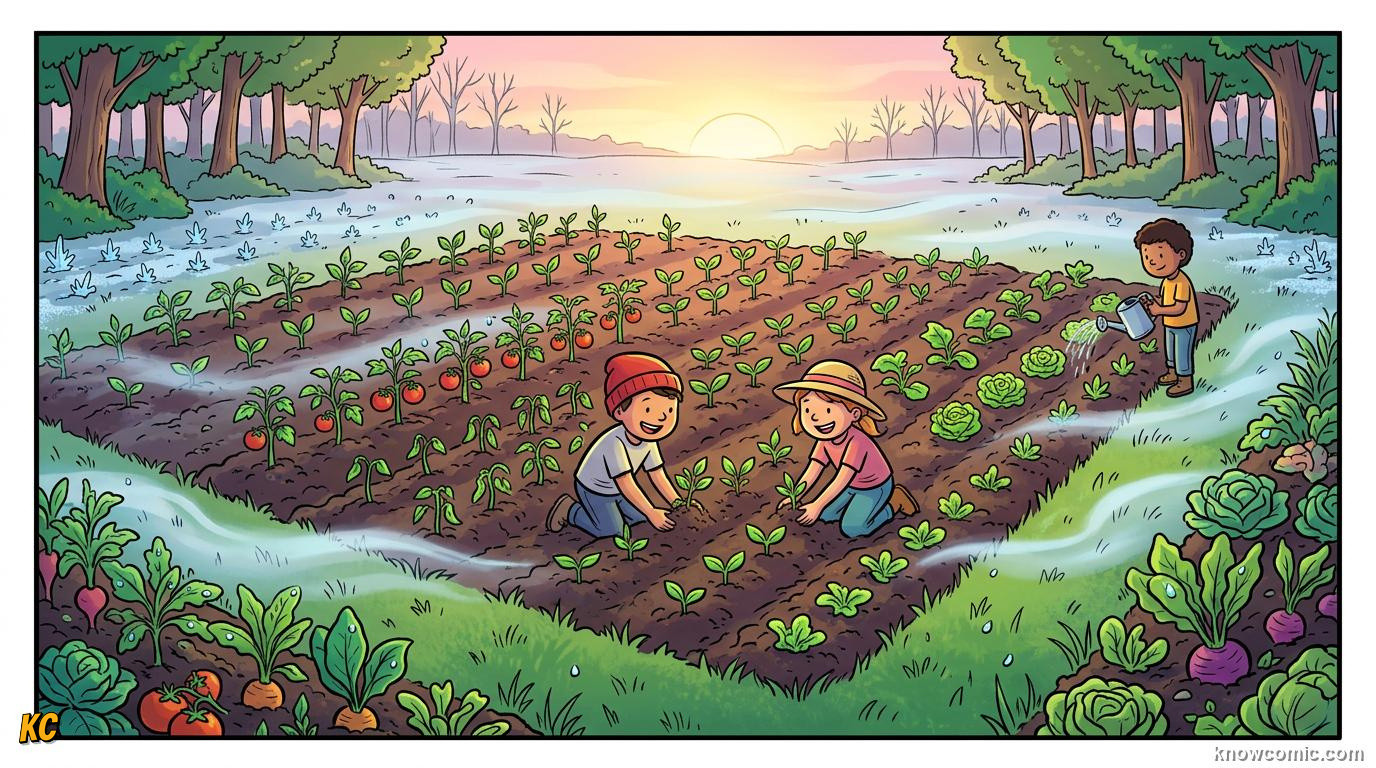
COUNT YOUR FROST-FREE DAYS
The days between last spring frost and first fall frost define your growing season length. A watermelon needing ninety frost-free days will not ripen if your season lasts only seventy. Peas and spinach tolerate light frosts and can go out weeks earlier than basil. Track actual dates in your notebook each year because microclimates shift timing. When a late spring frost threatens, cover seedlings with cloth or move pots indoors overnight. Respecting frost dates is hardiness in action.
⚡ DID YOU KNOW?
A "light frost" around zero degrees Celsius damages tender leaves, but hardy crops like carrots and kale can survive several degrees below freezing in the ground.
FROST!
PAGE 4 OF 5, MATCH PLANTS TO YOUR ZONE
RIGHT FIT
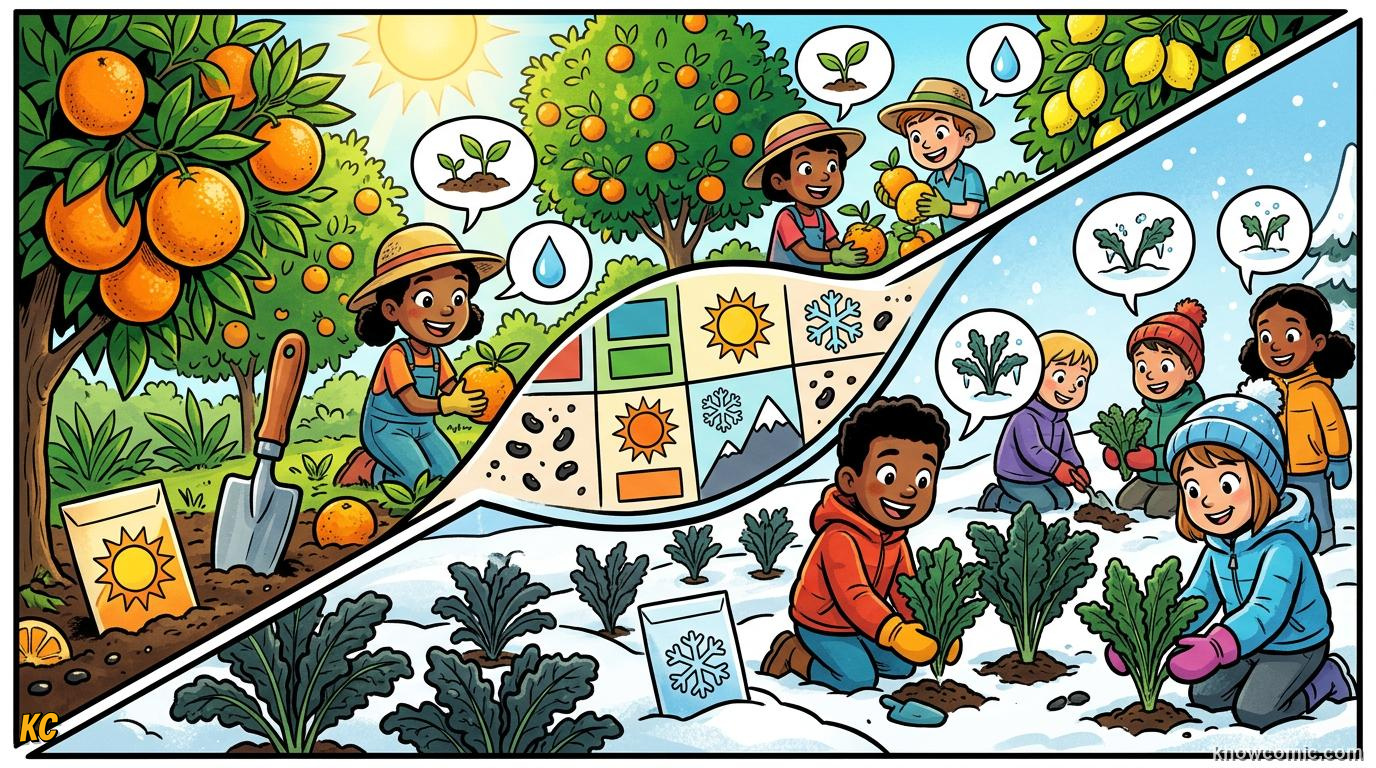
READ THE HARDINESS LABEL
Perennial plants return year after year only if winters stay within their hardiness range. A rose rated hardy to zone 4 survives Minnesota cold but a zone 9-only citrus must move indoors in zone 6. Annual vegetables die each winter everywhere, yet they still need enough warm days to finish fruiting. Choose short-season corn in cool zones and long-season melons only where summers run hot and long. When in doubt, pick varieties bred for your region. Local seed companies test what actually works nearby.
⚡ DID YOU KNOW?
"Half-hardy" annuals like tomatoes survive outdoors only after frost danger passes, even though they complete their life cycle in one year.
MATCH!
TOO COLD
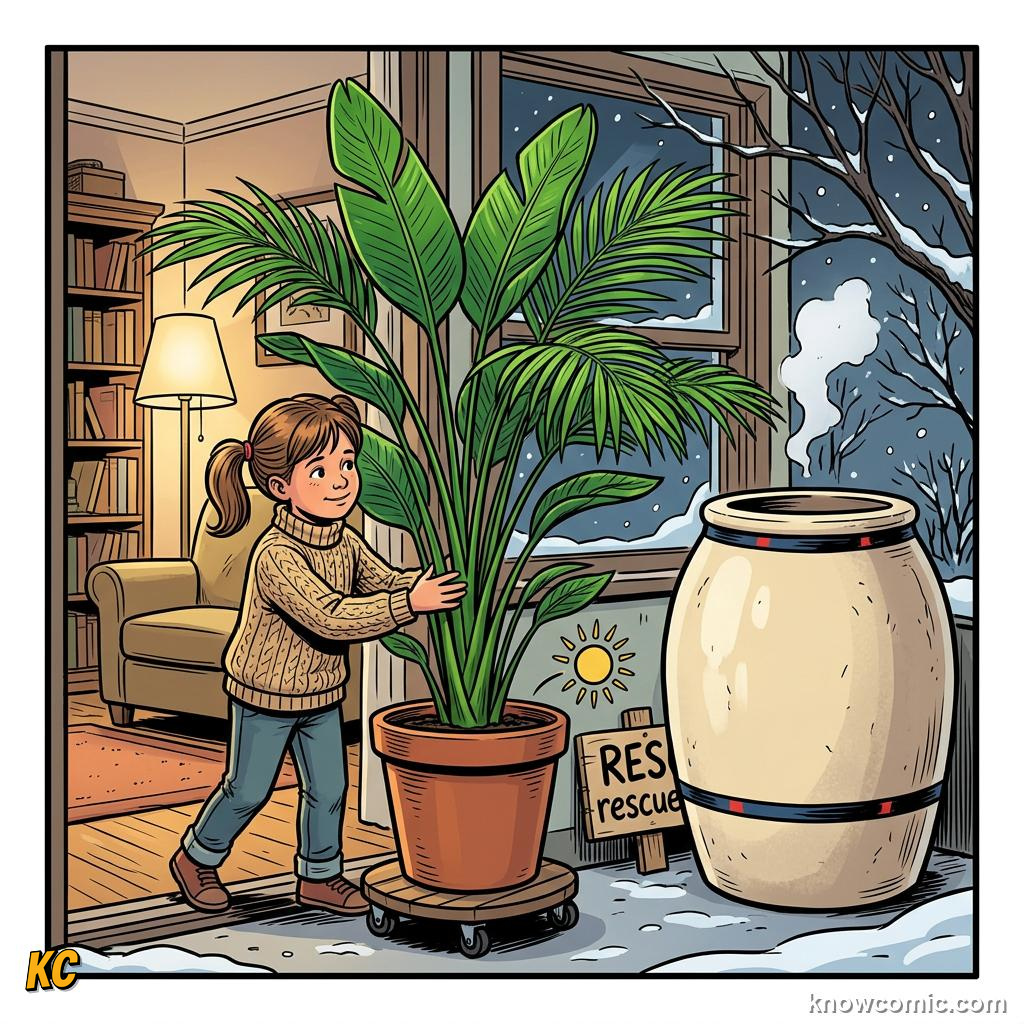
🥶 Tropical plants freeze in cold zones.
🏠 Grow them indoors or as summer only pots.
🏠 Grow them indoors or as summer only pots.
JUST RIGHT
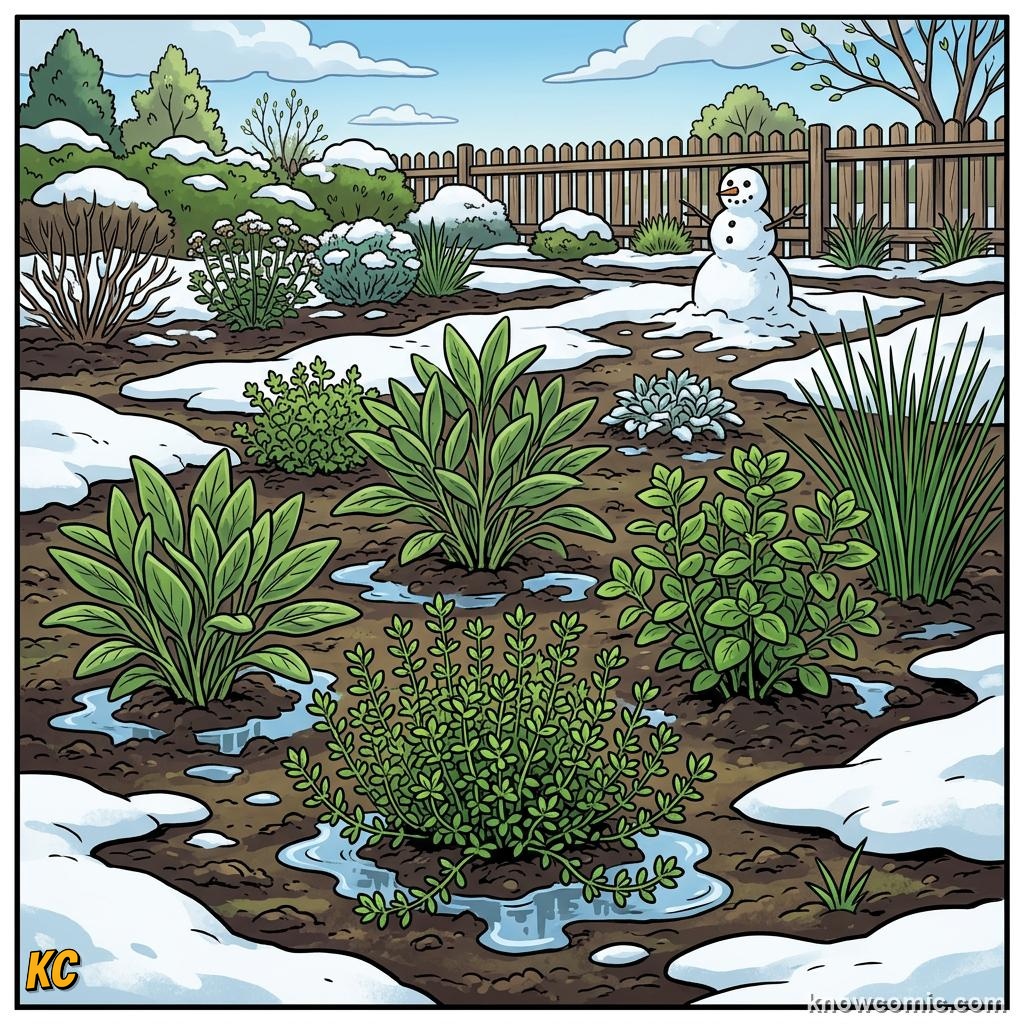
✅ Zone-matched perennials return every spring.
🌳 Fruit trees need winter chill in some zones.
🌳 Fruit trees need winter chill in some zones.
SHORT SEASON
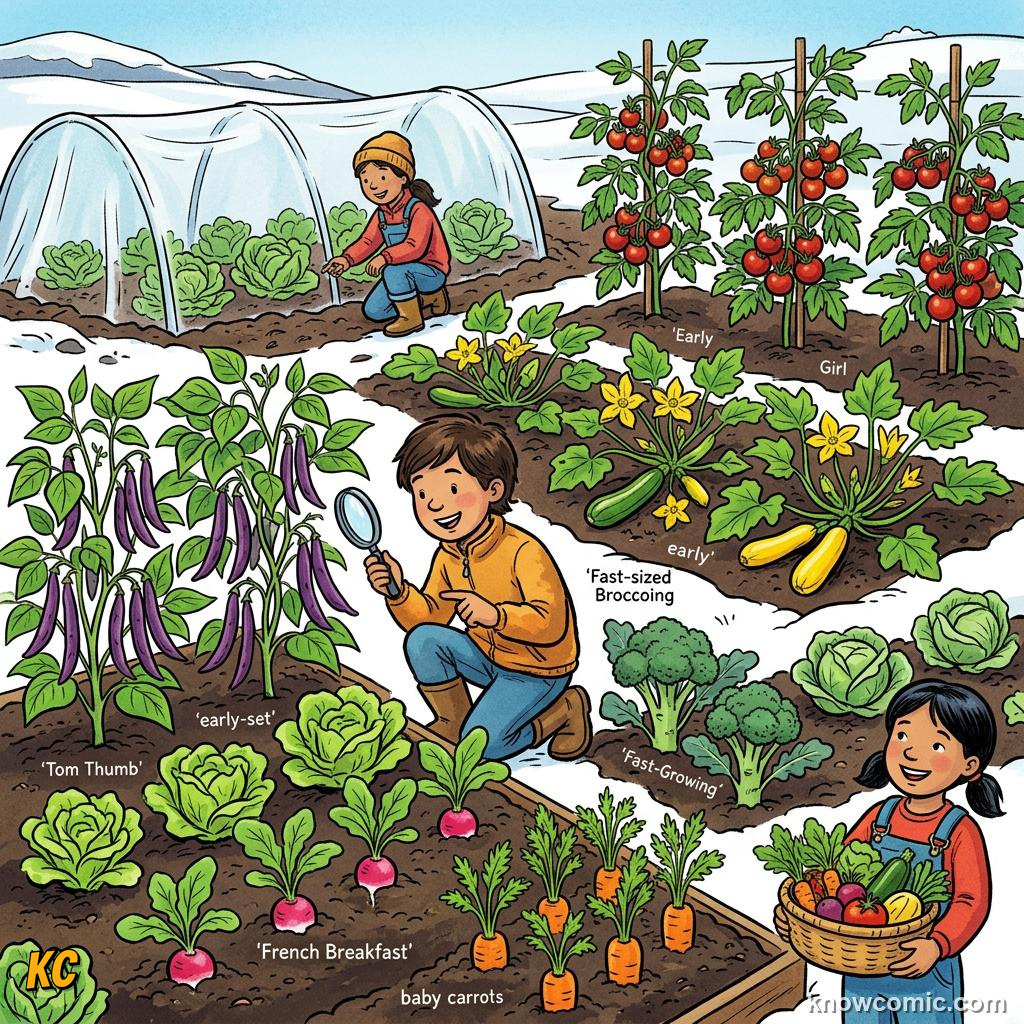
⏱️ Pick "early maturing" varieties in cool zones.
🌱 Start indoors to stretch the calendar.
🌱 Start indoors to stretch the calendar.
PAGE 5 OF 5, BUILD YOUR ZONE PLAN
YOUR TURN
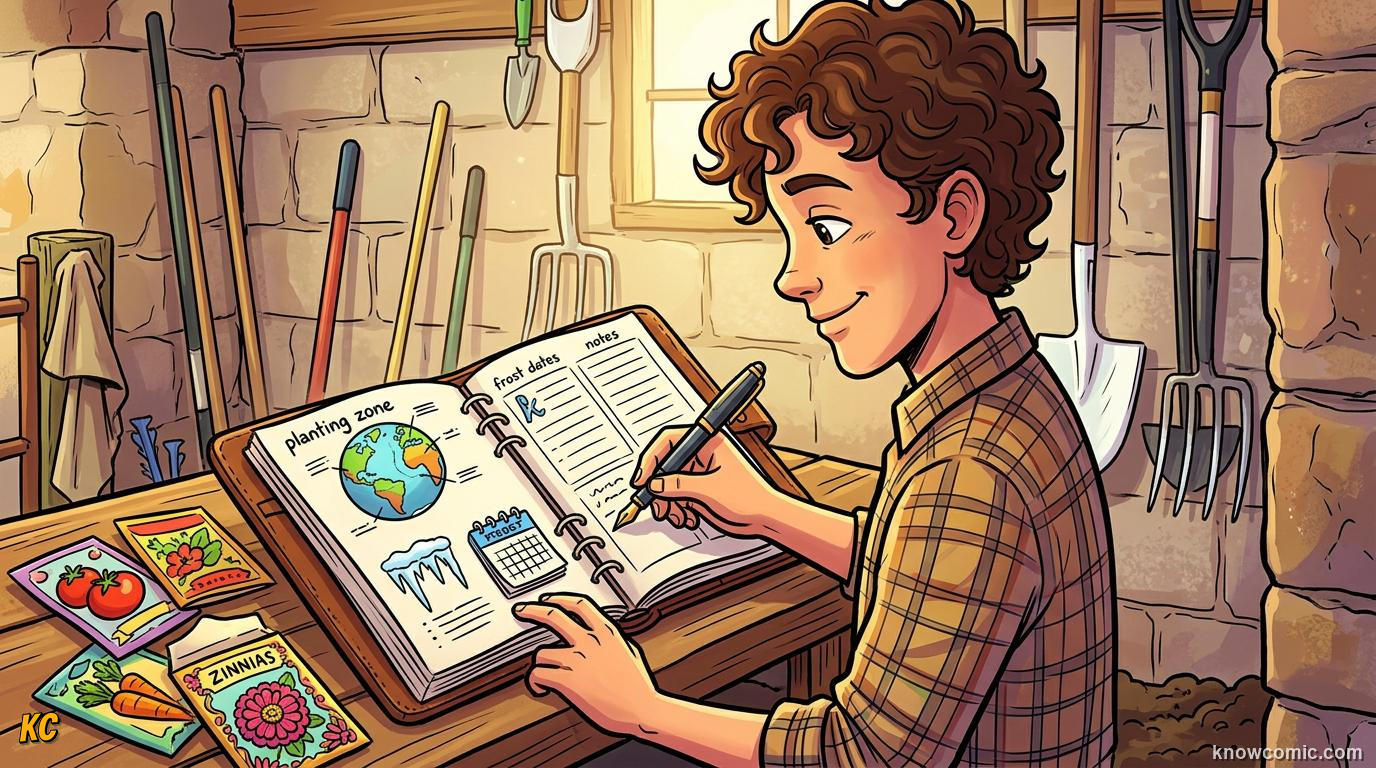
PLANT WITH CLIMATE CONFIDENCE
Today, look up your hardiness zone and write it at the top of your garden notebook. Add average last and first frost dates from a local extension office or trusted almanac. Circle three crops on seed packets that fit your zone and season length. Cross out anything rated two zones warmer than yours unless you plan indoor winter care. Share your zone number with family so everyone picks compatible gifts. Smart gardeners succeed because they match plants to place, not because they have magic soil.
SMART!
JOURNAL
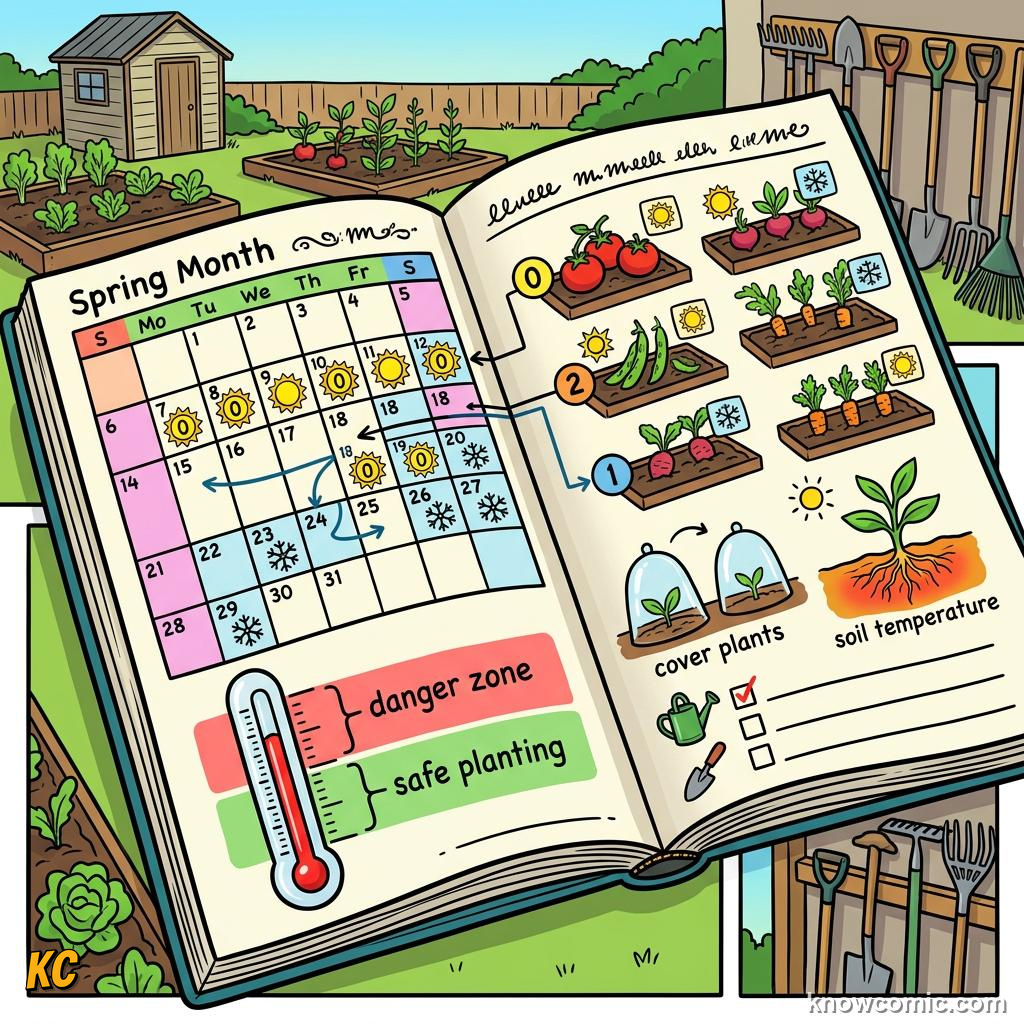
📓 Log actual frost dates each year.
📊 Compare notes to official averages.
📊 Compare notes to official averages.
REMEMBER
🌱 KEY FACTS
Hardiness zones rank winter cold. Frost dates set your outdoor calendar. Match labels to your zone. Microclimates can shift results slightly.
✅ Look up zone before buying trees.
✅ Count frost-free days for long crops.
✅ Cover plants when late frost threatens.
✅ Count frost-free days for long crops.
✅ Cover plants when late frost threatens.
🧠 QUIZ TIME!
UNDERSTANDING HARDINESS · 5 QUESTIONS
QUESTION 01
What do hardiness zones mainly measure?
QUESTION 02
Why is the last spring frost date important?
QUESTION 03
A perennial rated hardy only to zone 9 is planted in zone 5. What likely happens?
QUESTION 04
What is a microclimate?
QUESTION 05
How do frost-free days help you choose crops?
0/5
LOADING...