🏷️ LABELING YOUR PLANTS
🌱 YOUR PLANT LABEL CHECKLIST
Two identical green sprouts look the same until one becomes a carrot and the other becomes parsley. Labels turn guesswork into a science experiment you can repeat next year.
- 🏷️ Stakes or tags: wooden popsicle sticks, plastic plant markers, or cut yogurt lids
- ✏️ Permanent marker or paint pen: ink that survives rain and sun
- 📅 Date stamp: record sowing or transplant day on every tag
- 🌈 Color code optional: red tags for tomatoes, blue for herbs
- 📓 Garden notebook: copy label info indoors so rain cannot erase your records
- 🧴 Clear tape or sealant: protect paper labels from moisture
Time: 5 minutes per row · Update tags when you transplant · Compare varieties at harvest
PAGE 1 OF 5, WHY LABELS SAVE THE DAY
MEMORY TRAP
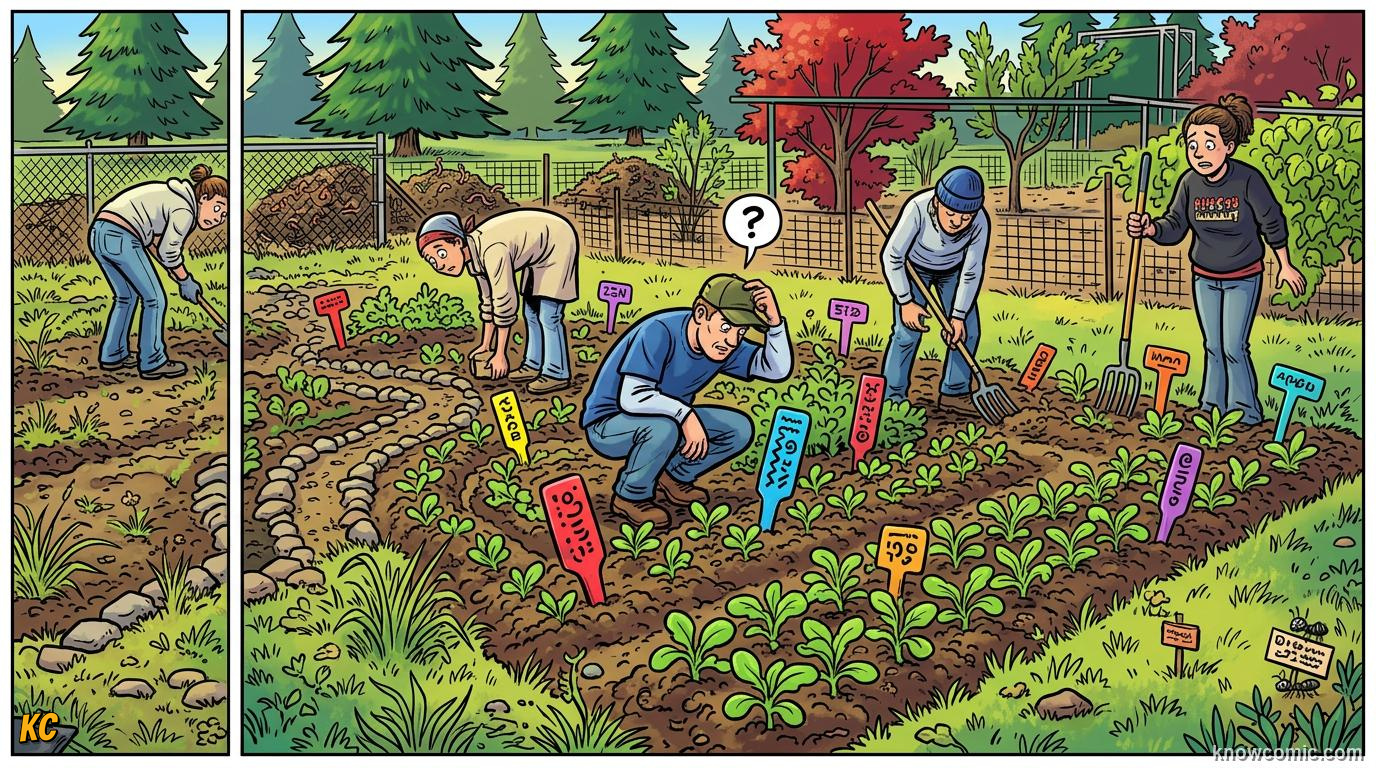
ALL SPROUTS LOOK ALIKE
On planting day you remember every seed you dropped. Two weeks later every row shows the same tiny green loops. Without labels you might pull a flower thinking it is a weed, or harvest the wrong tomato variety for your taste test. Labels record the plant name, variety, and sowing date right where the roots live. They turn your garden into a living notebook. Future you will thank present you when comparing which cherry tomato was sweetest.
⚡ DID YOU KNOW?
Professional breeders label every row with coded tags so they can track which parent plants produced the best seeds.
TAG!
CONFUSION
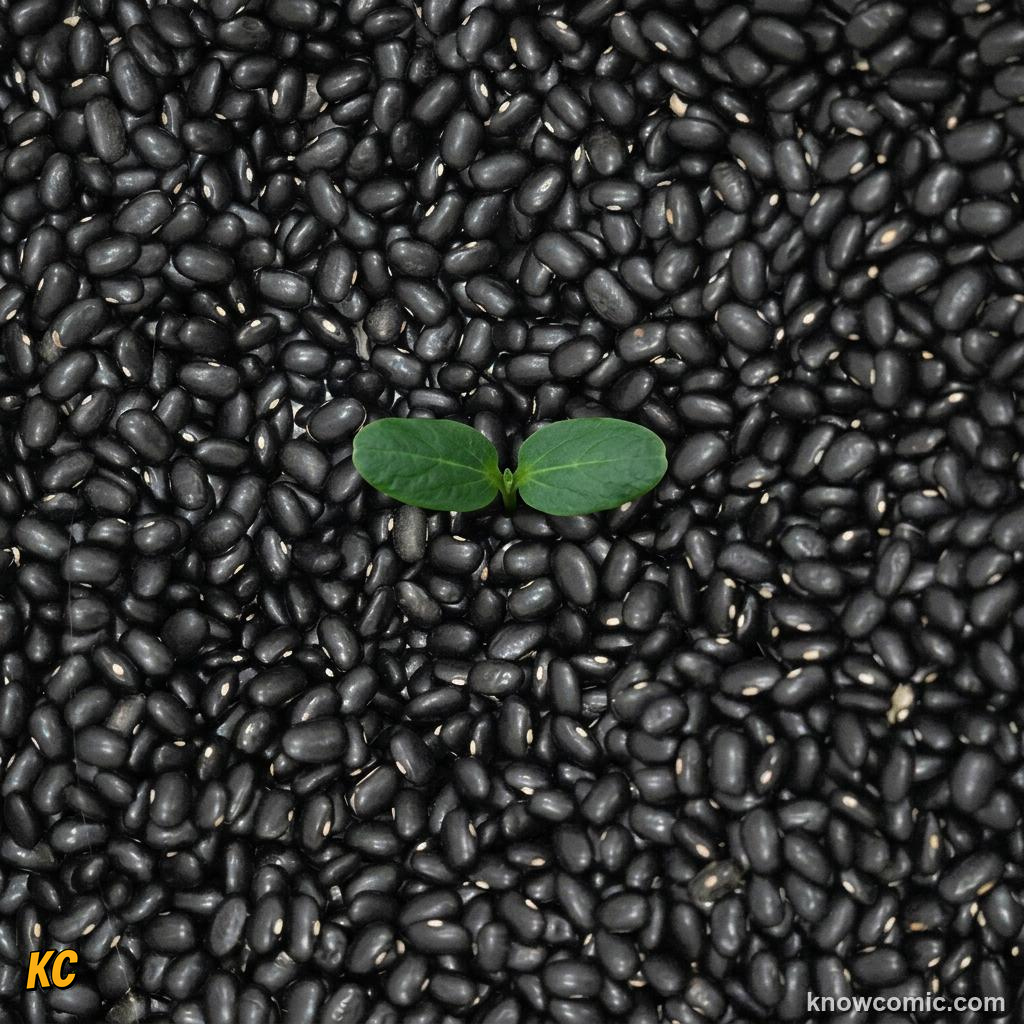
😵 Identical cotyledons hide true identity.
🌿 Weeding mistakes kill wanted plants.
🌿 Weeding mistakes kill wanted plants.
CLARITY
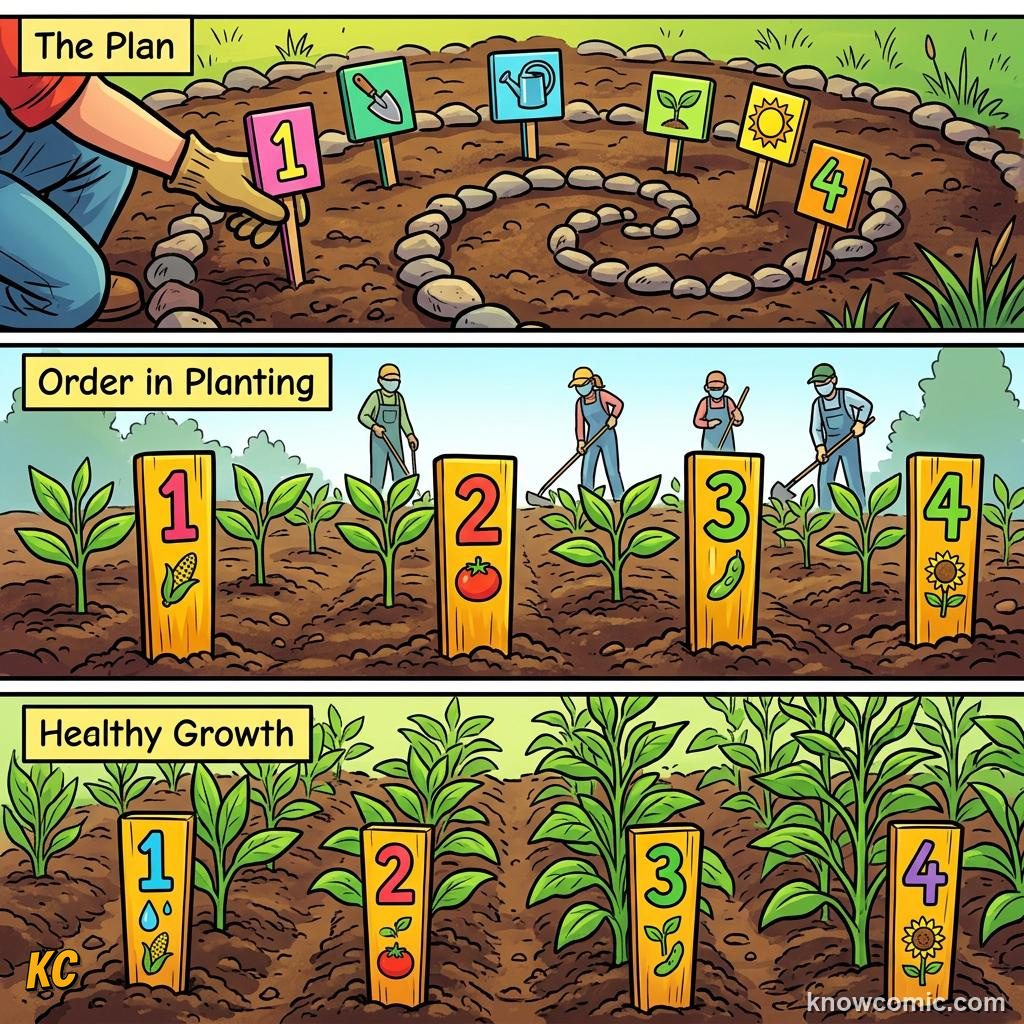
✅ Named rows build confidence.
📊 Track winners for next season.
📊 Track winners for next season.
PAGE 2 OF 5, WHAT TO WRITE ON A LABEL
KEY INFO
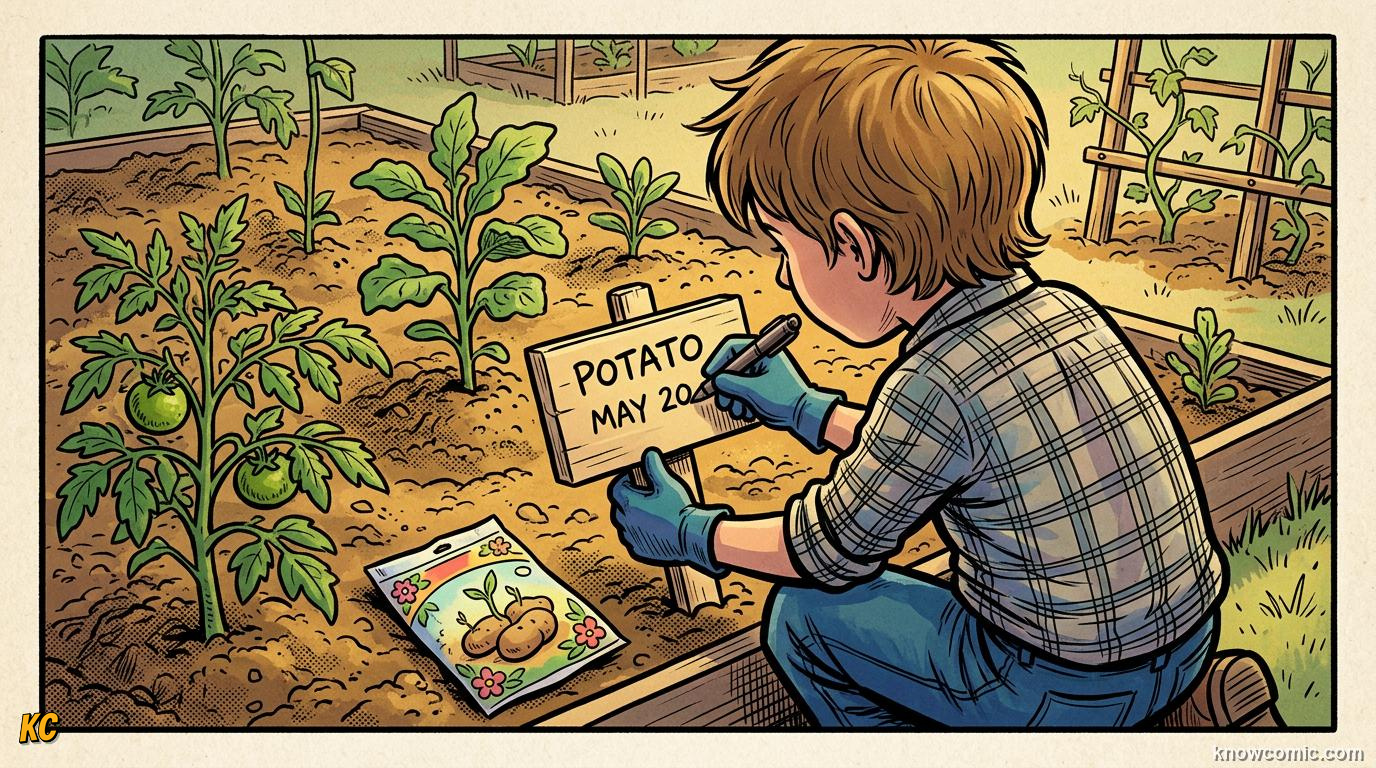
FOUR LINES THAT MATTER
Line one: common plant name everyone understands, like "Basil" or "Carrot." Line two: variety name from the seed packet, such as "Nantes" or "Genovese." Line three: date sown or transplanted so you know when harvest might start. Line four optional: days to maturity copied from the packet for quick math. Keep letters large and simple. Abbreviations are fine if you decode them in your notebook. A messy label beats a perfect memory that fades after lunch.
⚡ DID YOU KNOW?
Adding "DO NOT EAT" on ornamental flower rows prevents accidental harvest of decorative plants that are not food safe.
WRITE!
NAME
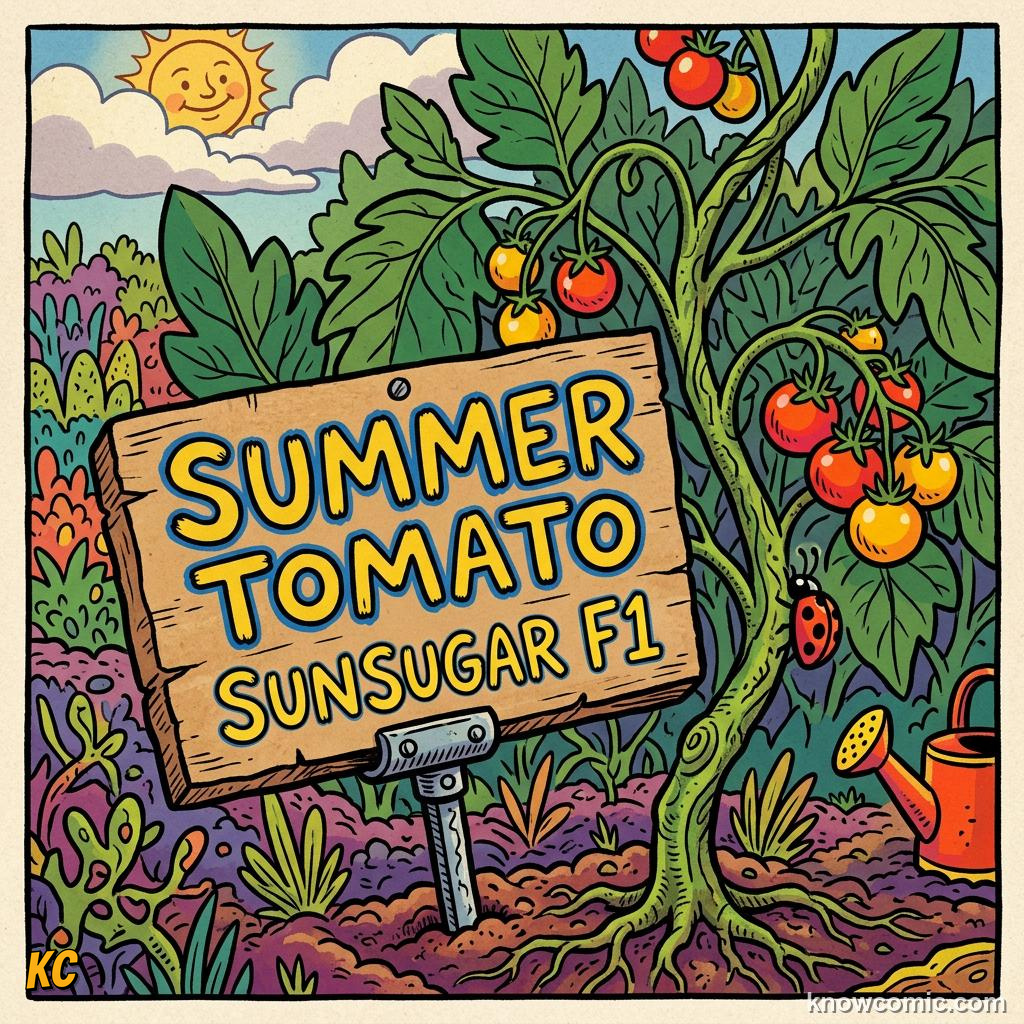
🌿 Plant family name large and clear.
🍅 Include variety for taste tests.
🍅 Include variety for taste tests.
DATE
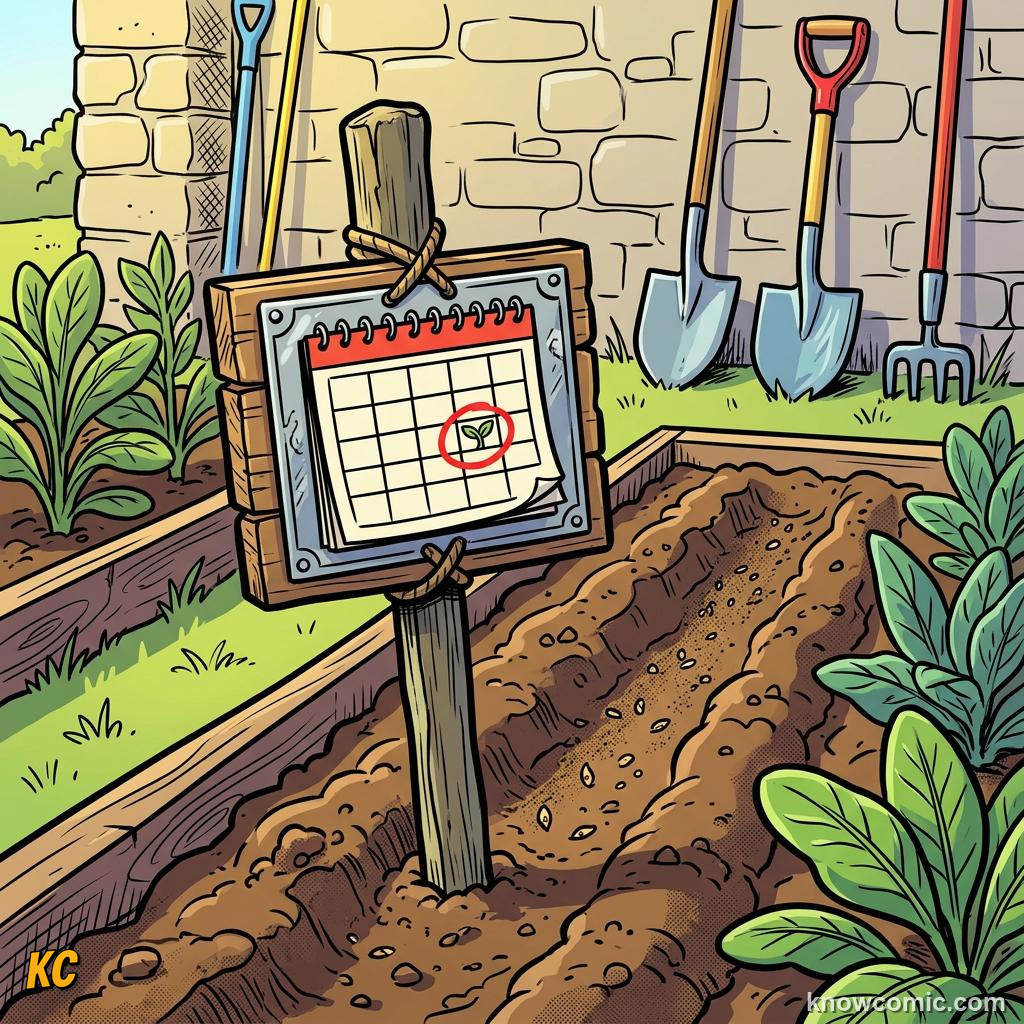
📅 Sow date predicts harvest window.
⏱️ Add days-to-maturity if space allows.
⏱️ Add days-to-maturity if space allows.
CODE
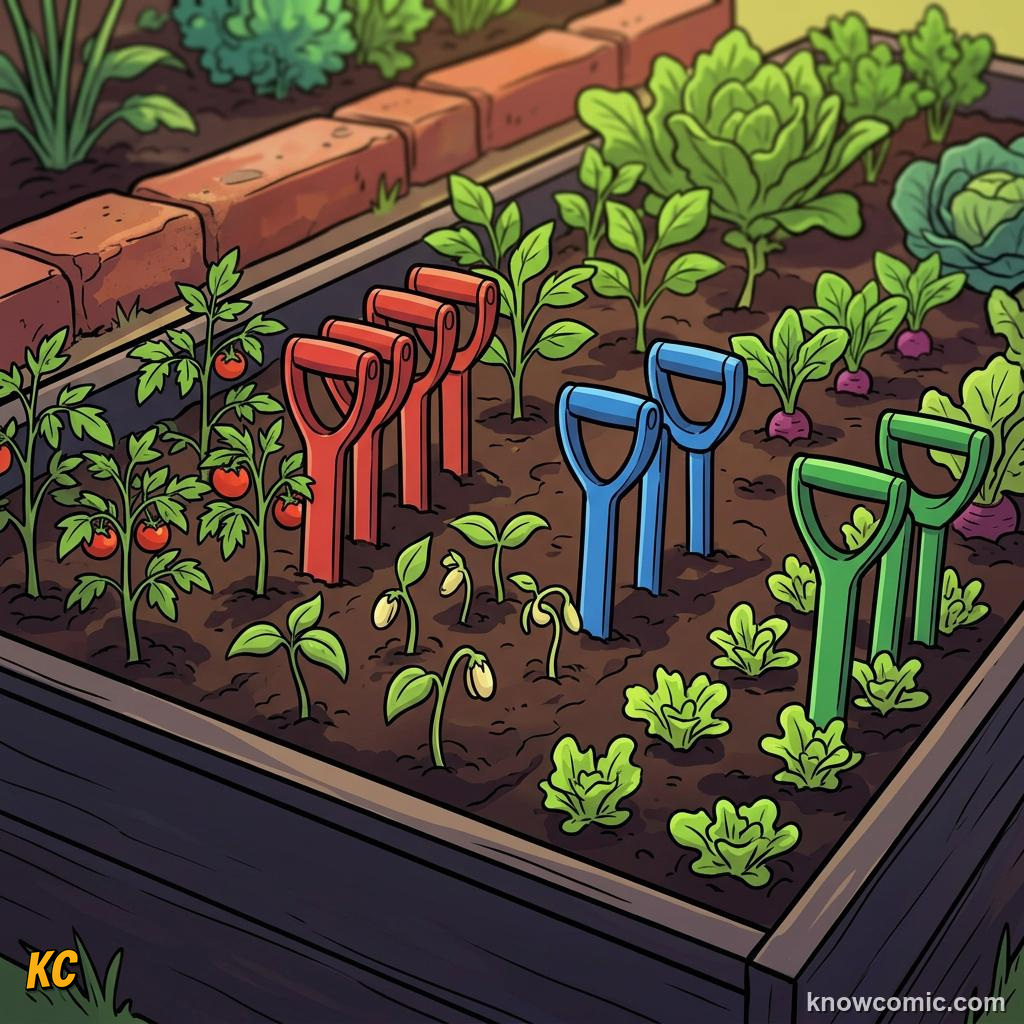
🔴 Color dots group plant types fast.
🔢 Row numbers help large beds.
🔢 Row numbers help large beds.
PAGE 3 OF 5, WEATHER-PROOF MATERIALS
SUN
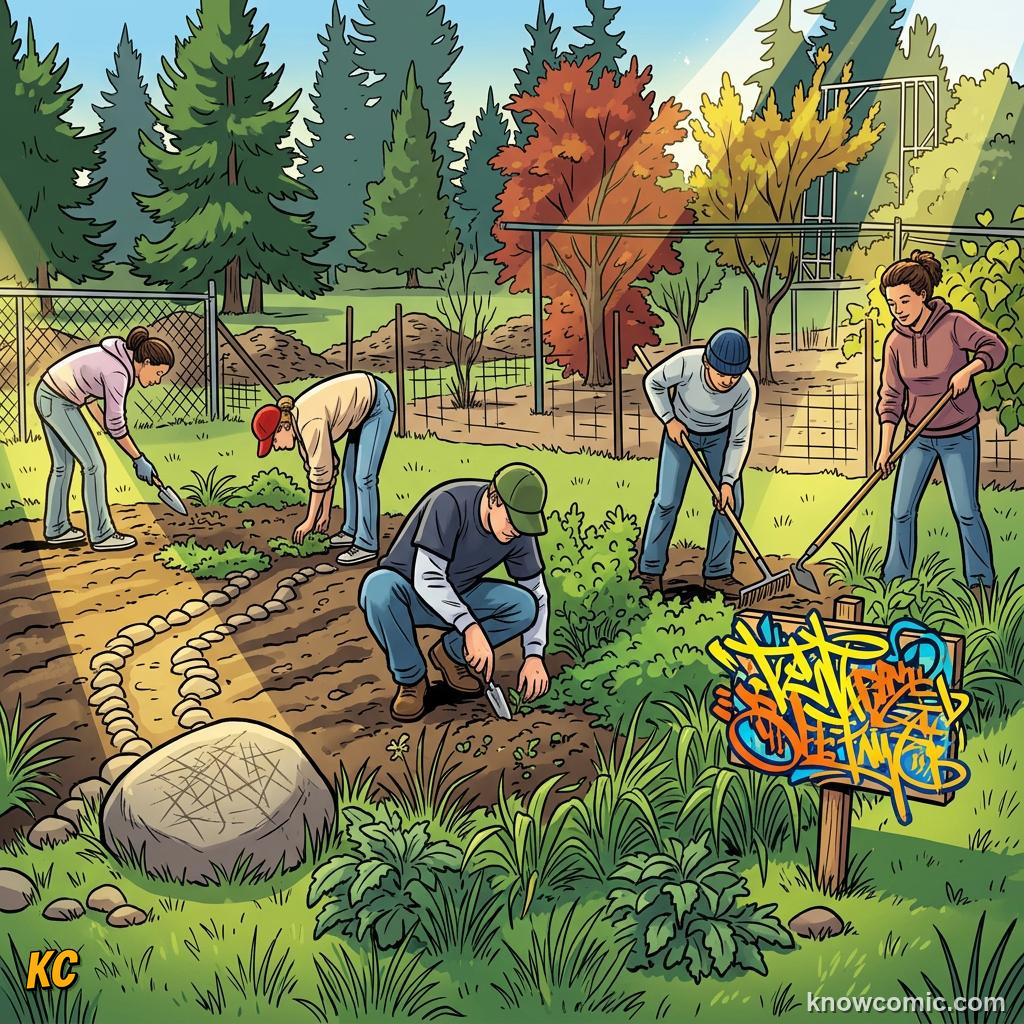
☀️ UV rays fade regular pencil marks.
🖊️ Paint pens last longer outdoors.
🖊️ Paint pens last longer outdoors.
RAIN
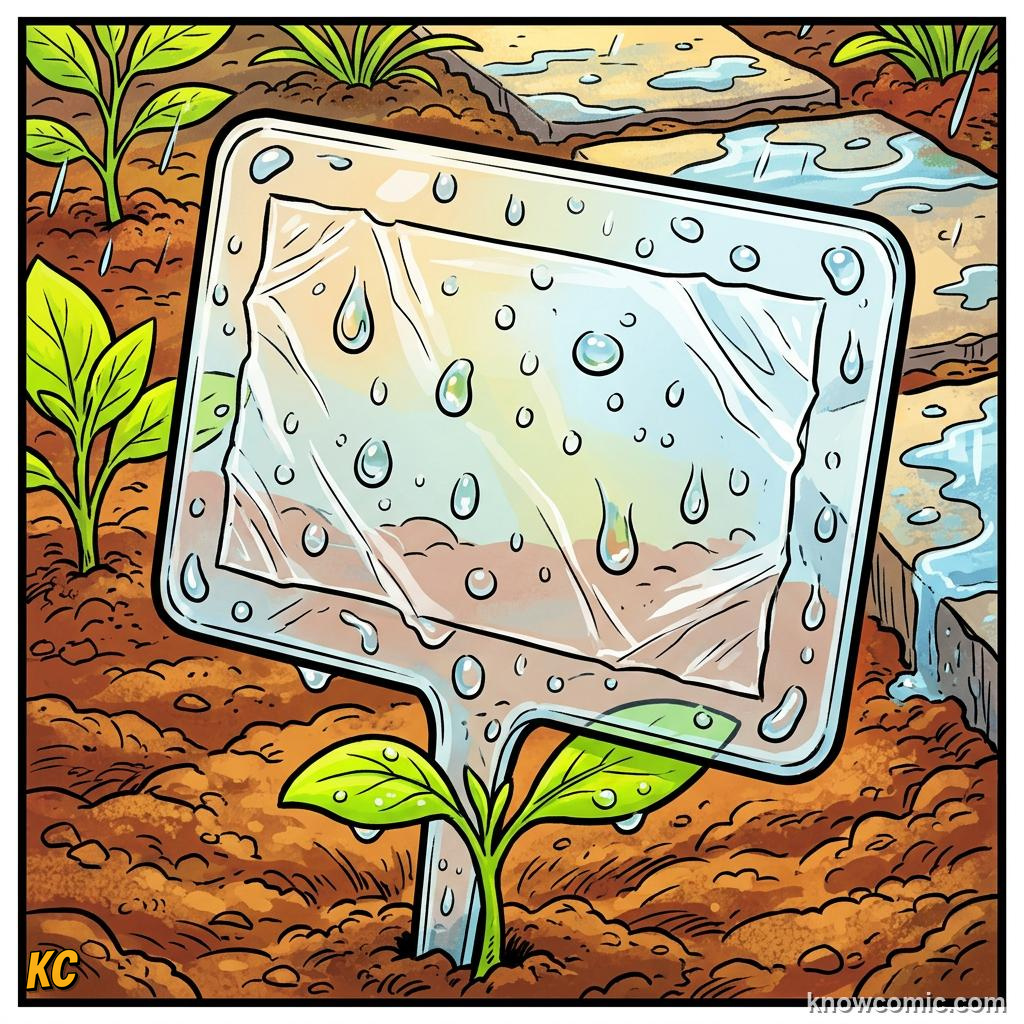
🌧️ Seal paper tags with clear tape.
🪵 Wooden stakes need deep planting.
🪵 Wooden stakes need deep planting.
OUTDOOR TOUGH
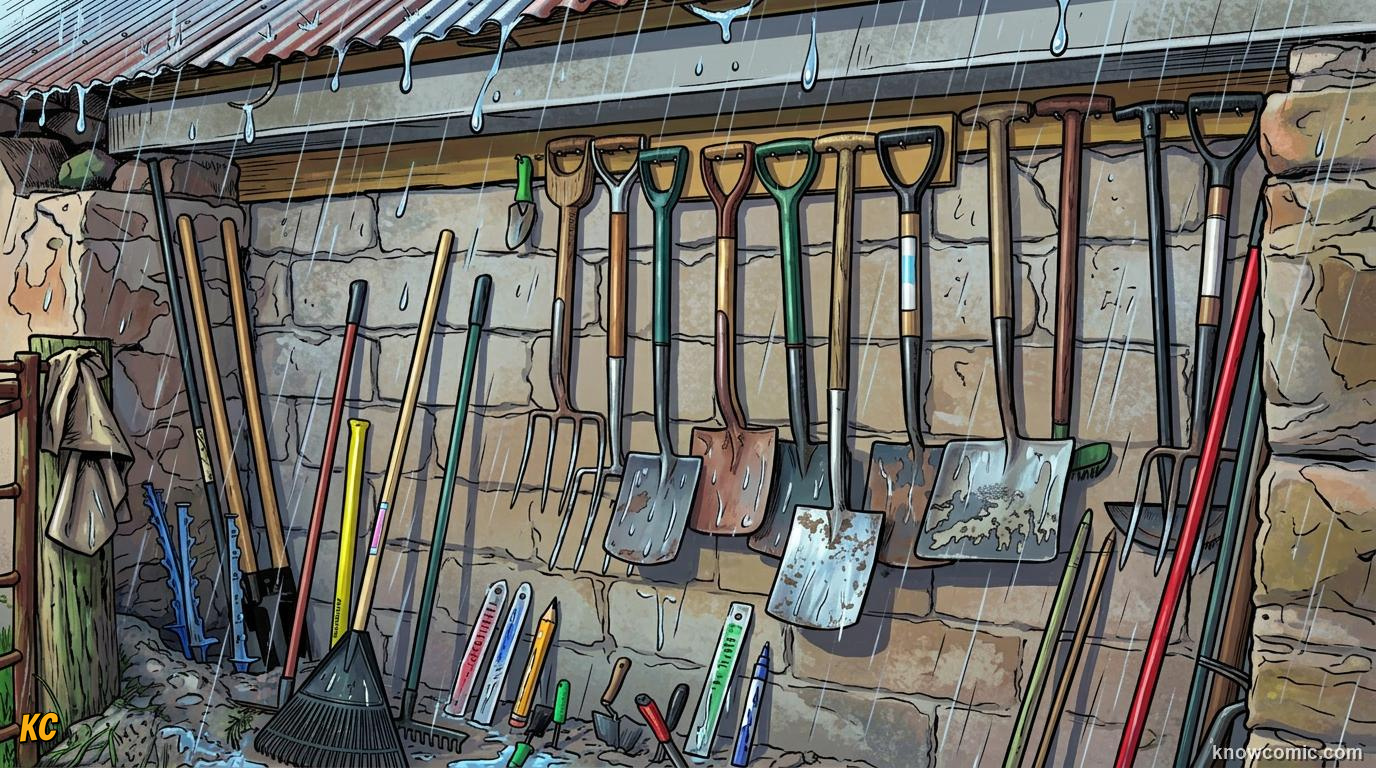
LABELS THAT SURVIVE STORMS
Paper tags work indoors but dissolve in weeks outside. Plastic nursery tags, cut milk jugs, or engraved wooden stakes handle rain better. Push stakes deep so wind cannot launch them. Slant writing away from the midday sun to slow fading. For pots on balconies, tie waterproof tags to the rim with wire. Check labels after heavy storms and rewrite any smudged lines. Duplicate every outdoor tag in your indoor notebook so one lost stake does not erase history.
⚡ DID YOU KNOW?
Some gardeners use aluminum plant tags and etch names with a ballpoint pen. The letters indent permanently and never wash off.
TOUGH!
PAGE 4 OF 5, TRACK WHICH VARIETY WINS
SCIENCE FAIR
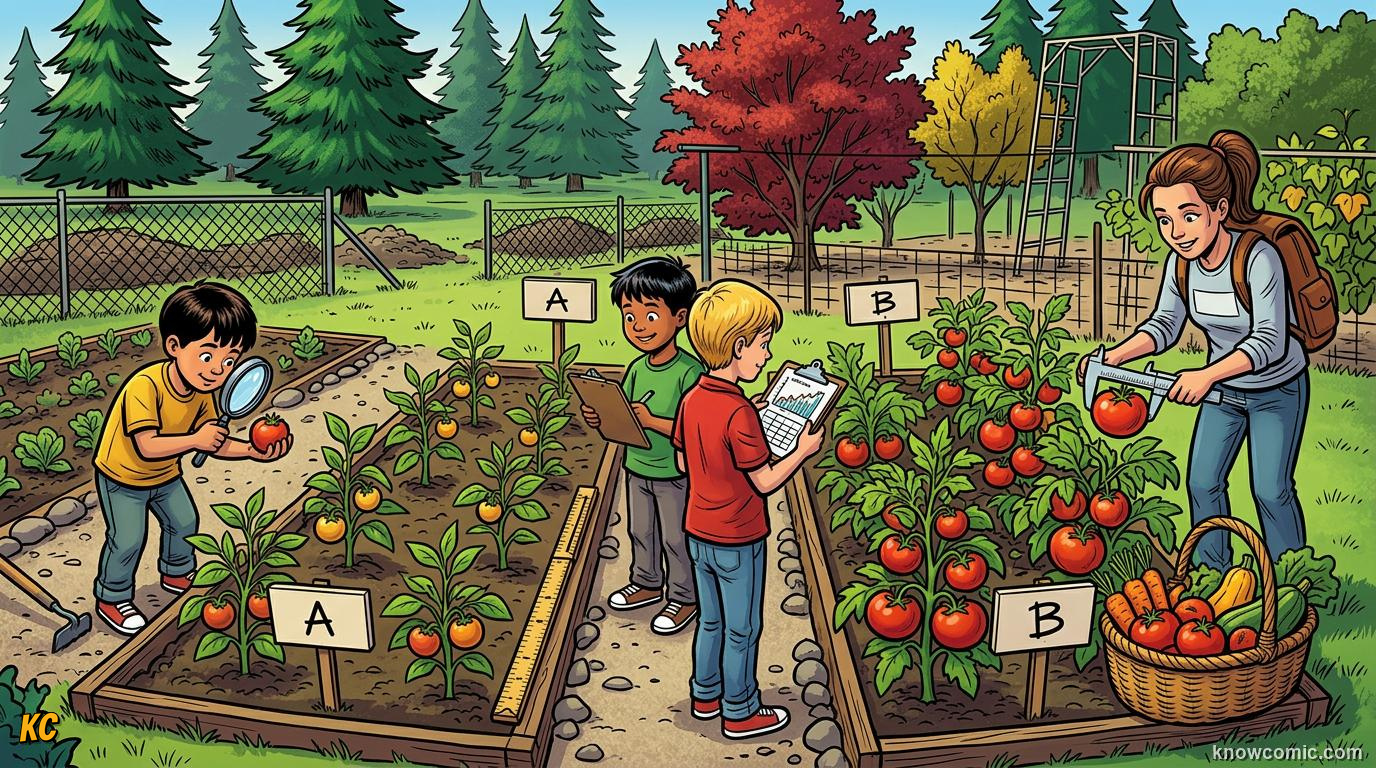
COMPARE APPLES TO APPLES
Plant two lettuce varieties side by side with separate labels. Measure height weekly and note first harvest date. Did "Buttercrunch" bolt faster than "Romaine"? Labels make fair comparisons possible. Photograph tagged rows on the same day each week. At season end, star the winners in your notebook and order those seeds again. Failed varieties get a note too so you do not repeat mistakes. This is citizen science on your own patio.
⚡ DID YOU KNOW?
Farmers call side-by-side variety tests "variety trials." Your labeled rows are a mini trial garden.
TEST!
MEASURE
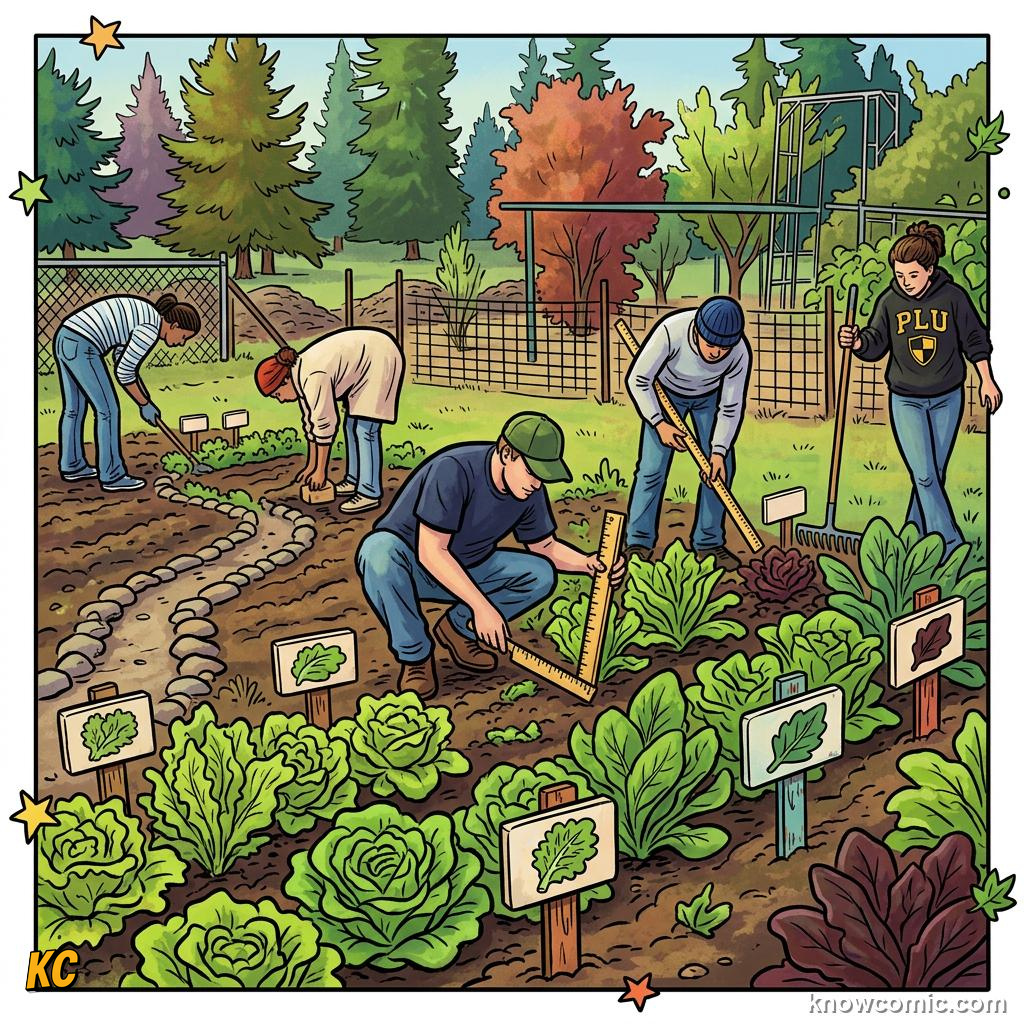
📏 Ruler photos show growth rate.
⚖️ Weigh harvest from each tag.
⚖️ Weigh harvest from each tag.
TASTE
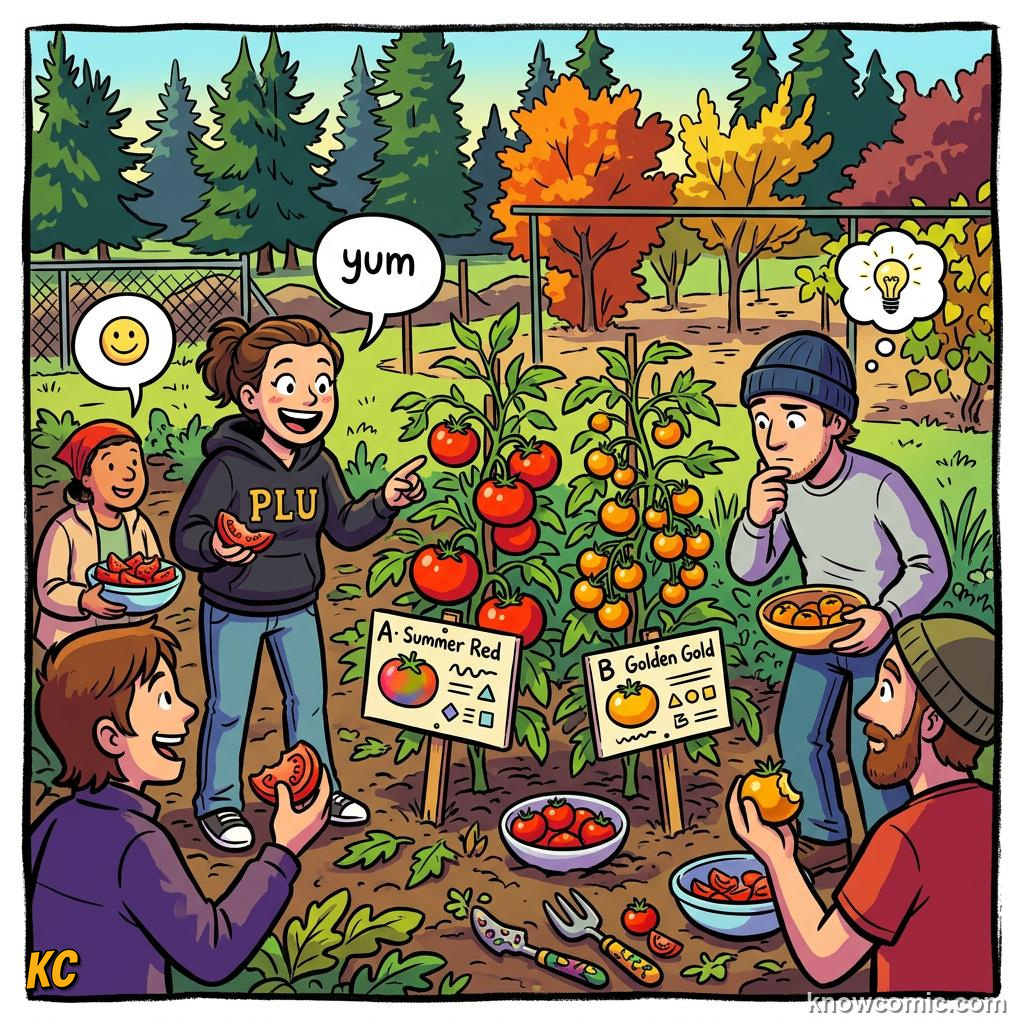
😋 Score flavor one to five stars.
🏆 Crown a family favorite variety.
🏆 Crown a family favorite variety.
NOTES
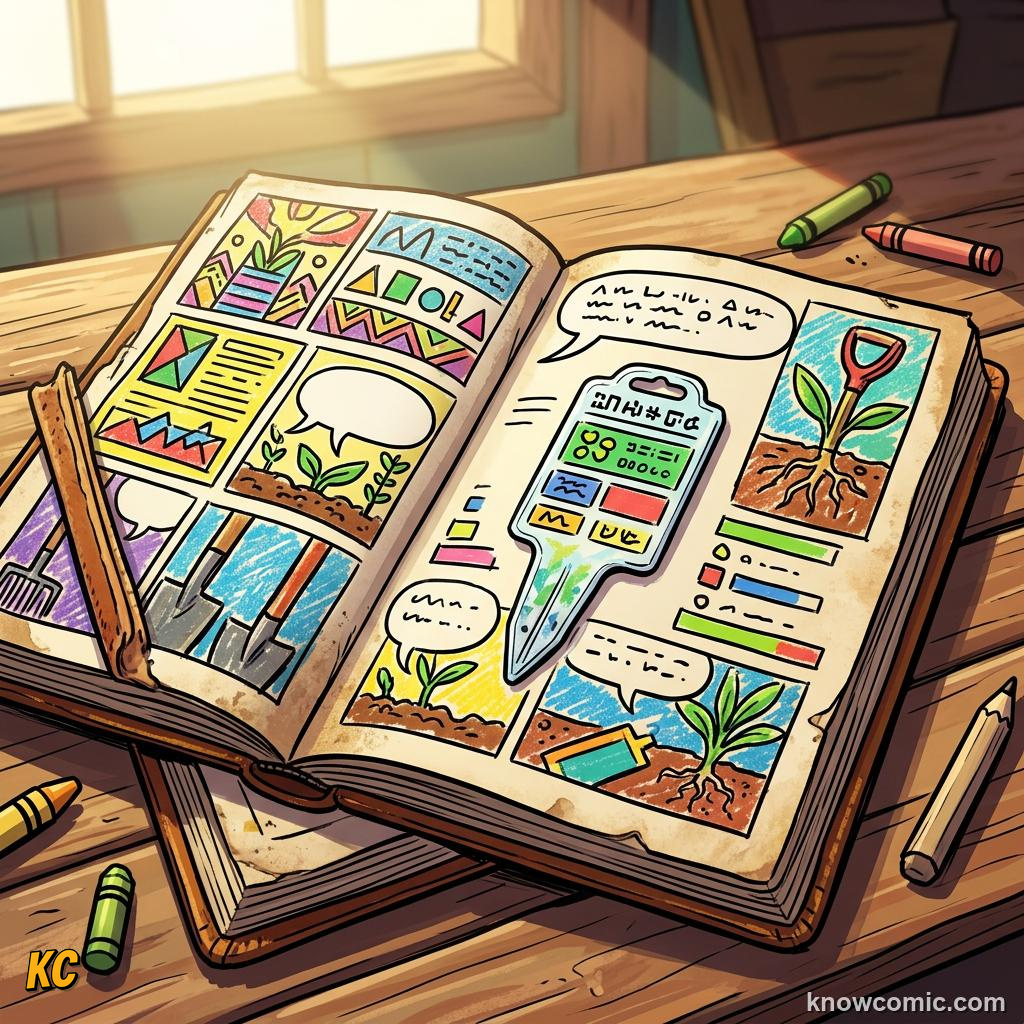
📓 Copy tag data indoors weekly.
🔄 Plan next year from results.
🔄 Plan next year from results.
PAGE 5 OF 5, LABEL YOUR GARDEN NOW
YOUR TURN
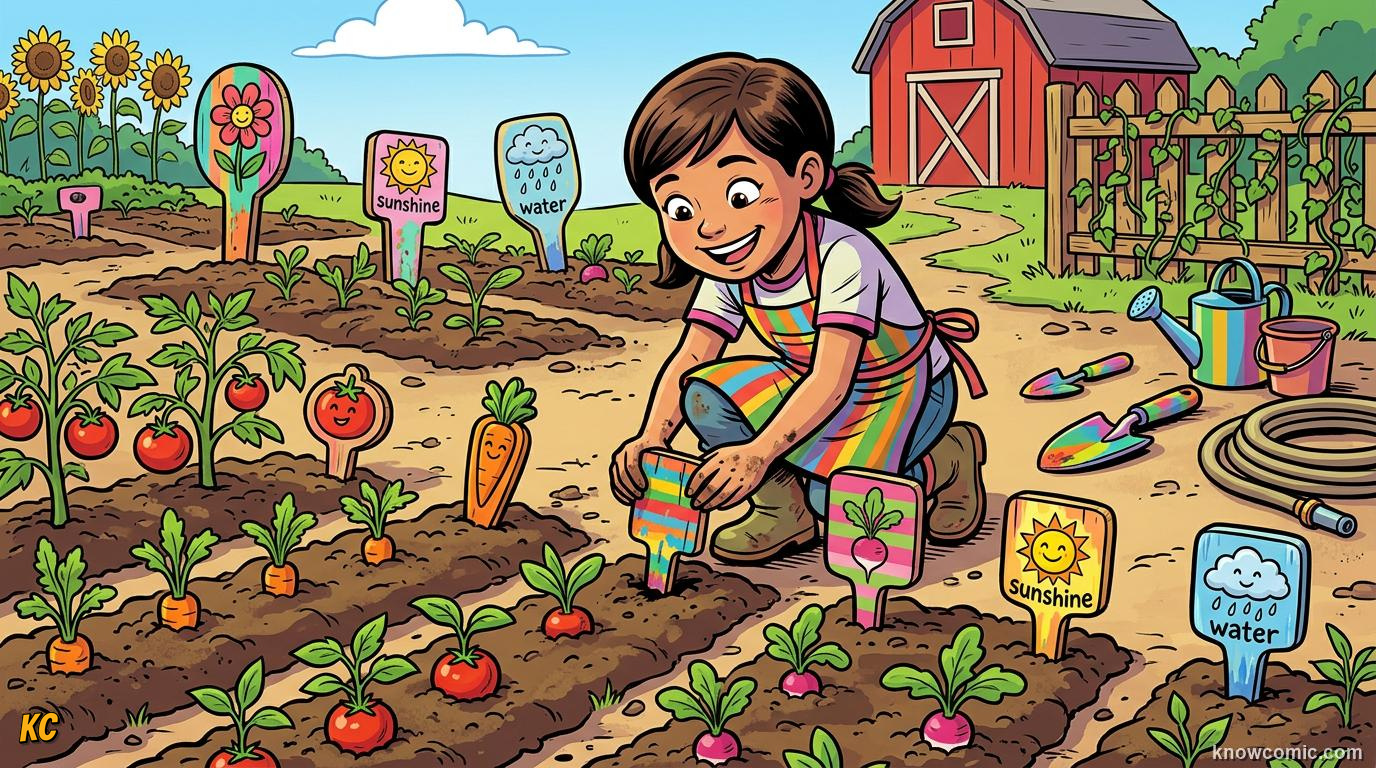
MAKE LABELS BEFORE YOU FORGET
Gather markers, stakes, and tape before opening seed packets. Label first, plant second, every single time. Push stakes at the head of each row, not the middle, so you know which end you started from. For mixed pots, one tag per variety or draw a simple map in your notebook. Check labels after watering and storms. Rewrite faded tags immediately while you still remember. A labeled garden teaches you faster than any textbook because the plants themselves show the results.
DONE!
DIY
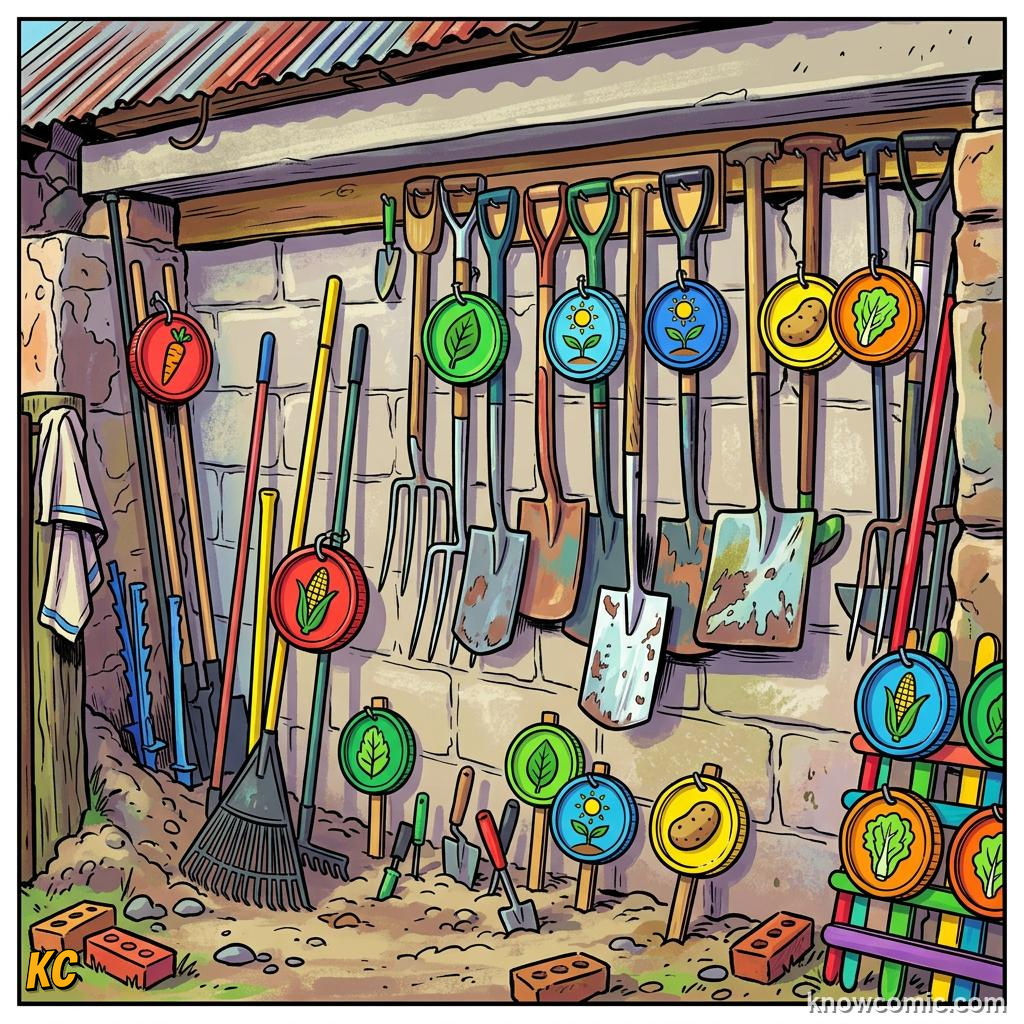
♻️ Cut plastic lids into free tags.
🎨 Decorate with weather-safe paint.
🎨 Decorate with weather-safe paint.
REMEMBER
🌱 KEY FACTS
Label before you forget. Write name, variety, and date. Use waterproof markers. Track winners for next season.
✅ Duplicate tags in a notebook.
✅ Push stakes deep against wind.
✅ Compare labeled varieties fairly.
✅ Push stakes deep against wind.
✅ Compare labeled varieties fairly.
🧠 QUIZ TIME!
LABELING YOUR PLANTS · 5 QUESTIONS
QUESTION 01
Why label plants right after sowing?
QUESTION 02
Which three details belong on a basic plant tag?
QUESTION 03
What helps outdoor labels survive rain and sun?
QUESTION 04
How do labels help you pick seeds for next year?
QUESTION 05
Why duplicate label info in a notebook?
0/5
LOADING...