🏛️ PRESIDENTIAL SYSTEM
PAGE 1 OF 5 — TWO SEPARATE ELECTIONS
SEPARATE VOTE
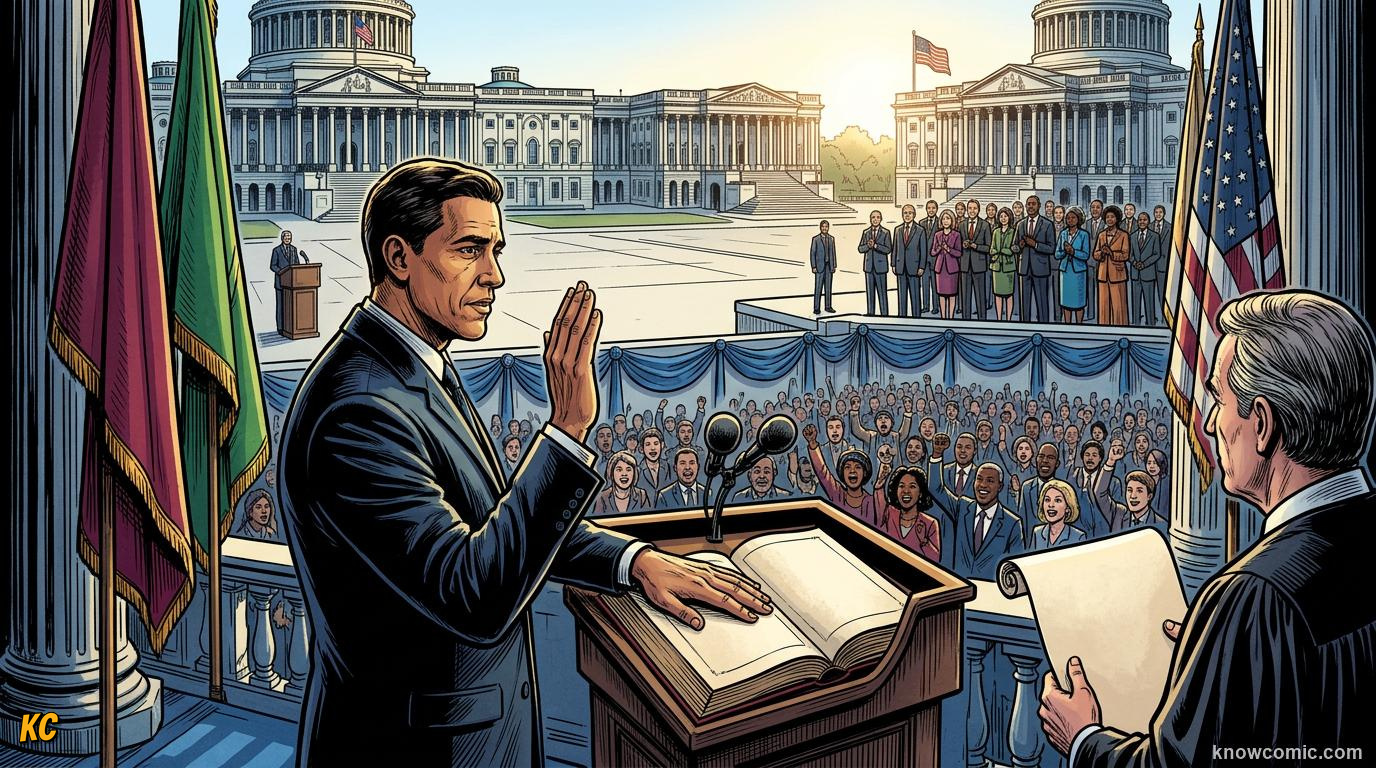
THE PRESIDENT STANDS ALONE!
In a presidential system, citizens elect a president in one election and lawmakers in another. The head of government does not need a vote of confidence from parliament to take office. That leader answers directly to voters, not to a majority in the legislature. This split creates a clear separation of powers: the executive branch runs the country day to day while the legislature writes and debates laws on its own track.
⚡ DID YOU KNOW?
In a parliamentary system, the prime minister usually comes from the party that wins the most seats in parliament. In a presidential system, you can pick a president from one party and a congress from another.
ELECT!
TWO BALLOTS
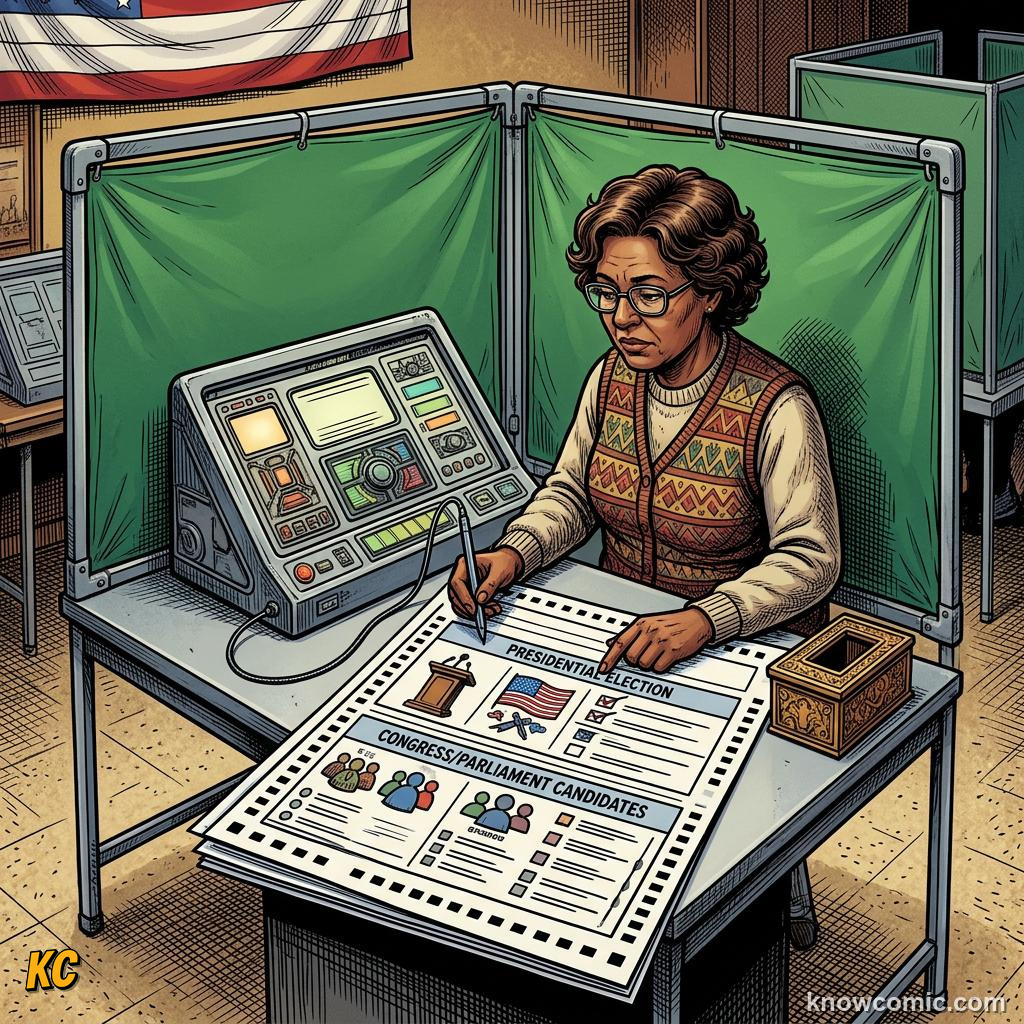
🗳️ Voters choose the president without picking every lawmaker on the same ticket.
🏛️ Congress or parliament members win their own separate races too.
🏛️ Congress or parliament members win their own separate races too.
DIRECT DUTY
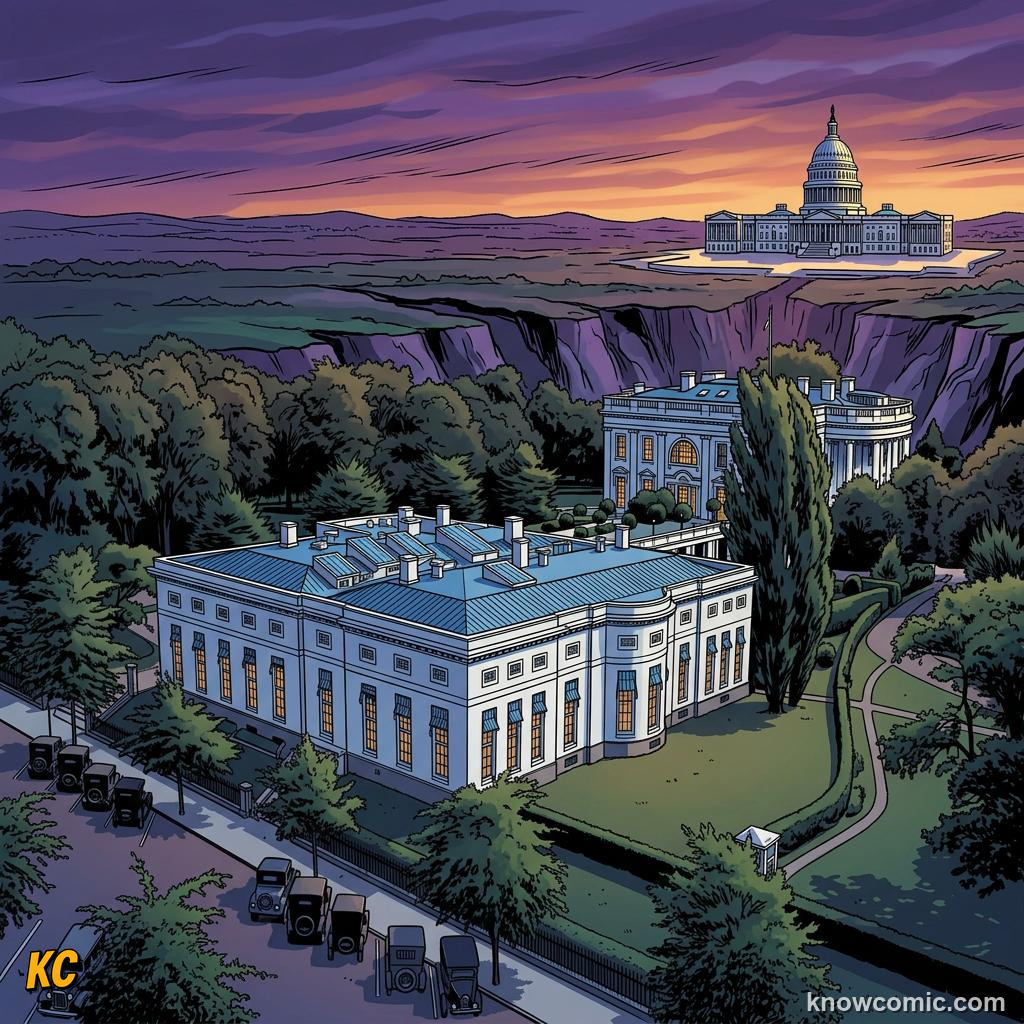
👤 The president must keep promises made to the whole nation.
📋 Parliament cannot simply replace the leader with a quick inside vote.
📋 Parliament cannot simply replace the leader with a quick inside vote.