🌍 THE LIVING EARTH
🌍 LEARNING WITH RESPECT
Indigenous knowledge comes from many nations across the world. This comic shares general teachings found in several traditions. No single story speaks for every community. We learn best when we listen carefully, avoid stereotypes, and never treat any culture as one simple costume or joke.
PAGE 1 OF 5 — THE HOOK
NOT A THING TO USE UP
EARTH IS ALIVE
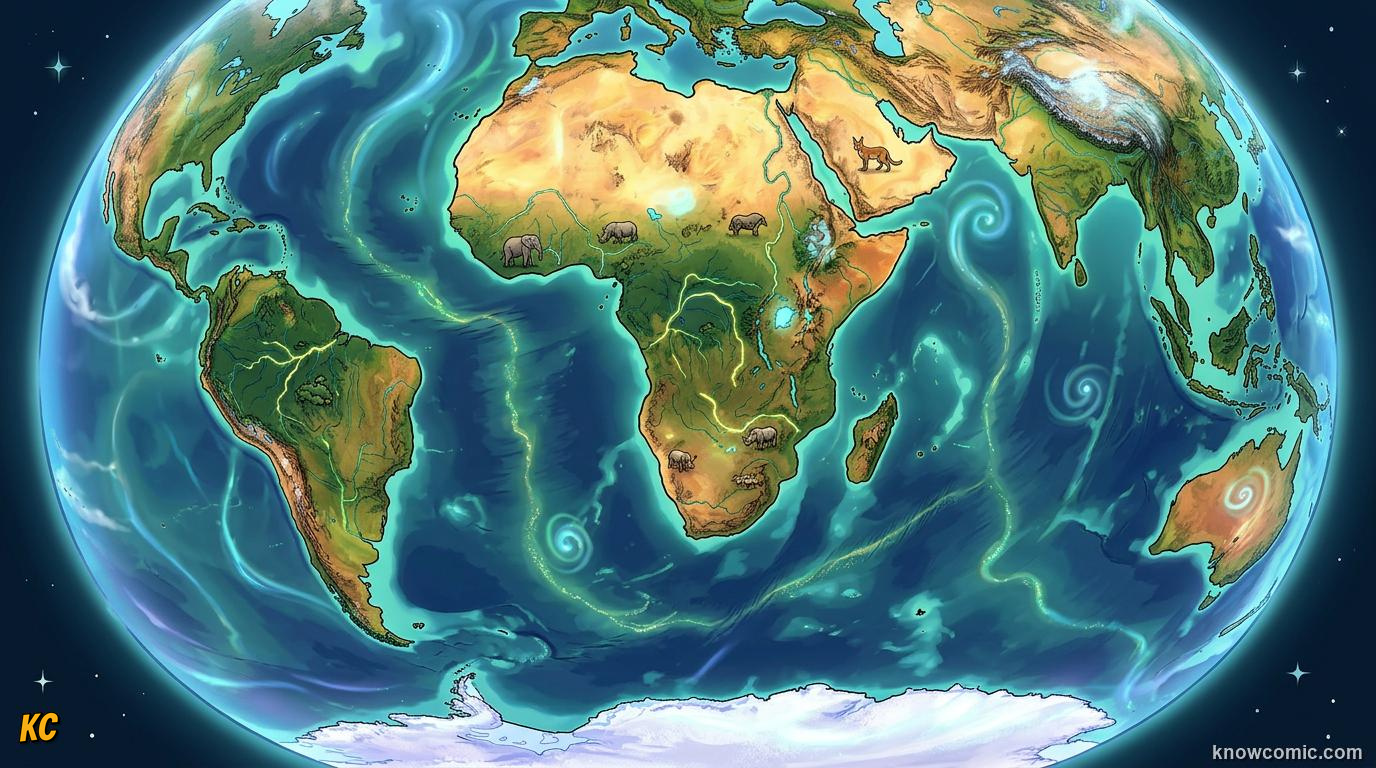
In many Indigenous traditions around the world, the Earth is not a dead rock you can strip and throw away. It is a living relative, a mother who feeds, shelters, and teaches. Mountains hold memory in their stone. Forests breathe with the wind. Rivers carry stories from one valley to the next. When people see land as alive, they treat it with gratitude instead of greed.
⚡ DID YOU KNOW?
The word "resource" suggests something waiting to be used up. Many Indigenous languages instead speak of land as kin, a family member you protect rather than consume.
ALIVE!
RELATIVE
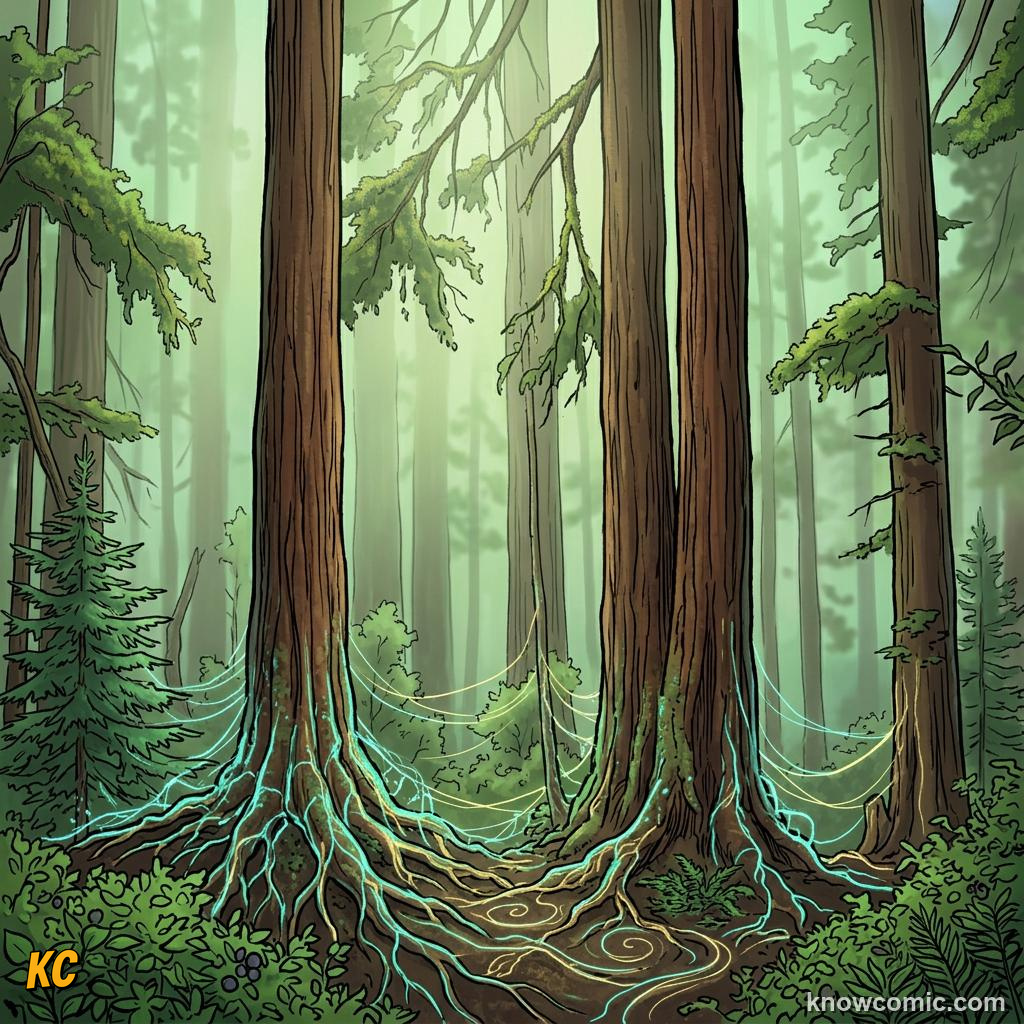
🌲 Trees are elders, not lumber
🪨 Stones remember old journeys
🪨 Stones remember old journeys
GIFT
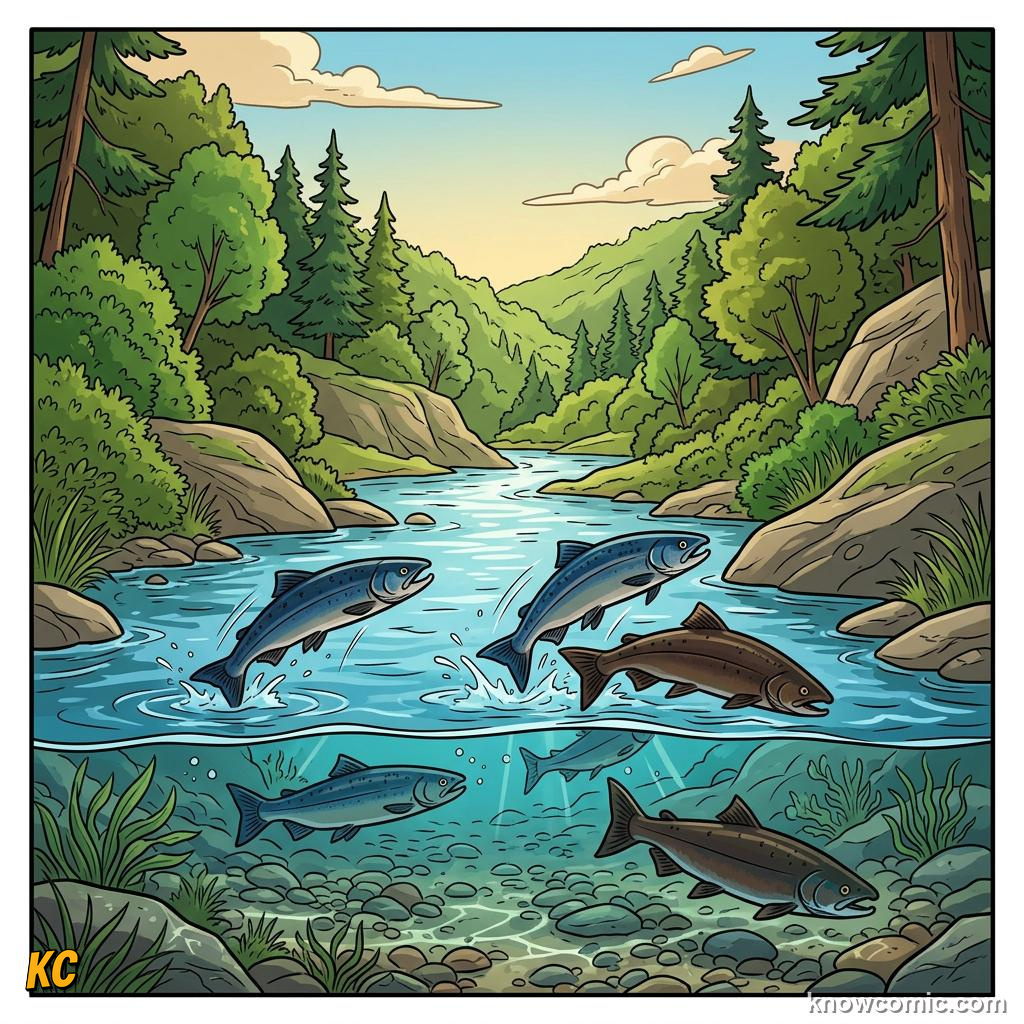
💧 Clean water is a shared blessing
🙏 Take only what you truly need
🙏 Take only what you truly need
PAGE 2 OF 5 — EVERY PART HAS SPIRIT
STORY IN STONE AND STREAM
SPIRIT LIVES IN PLACES
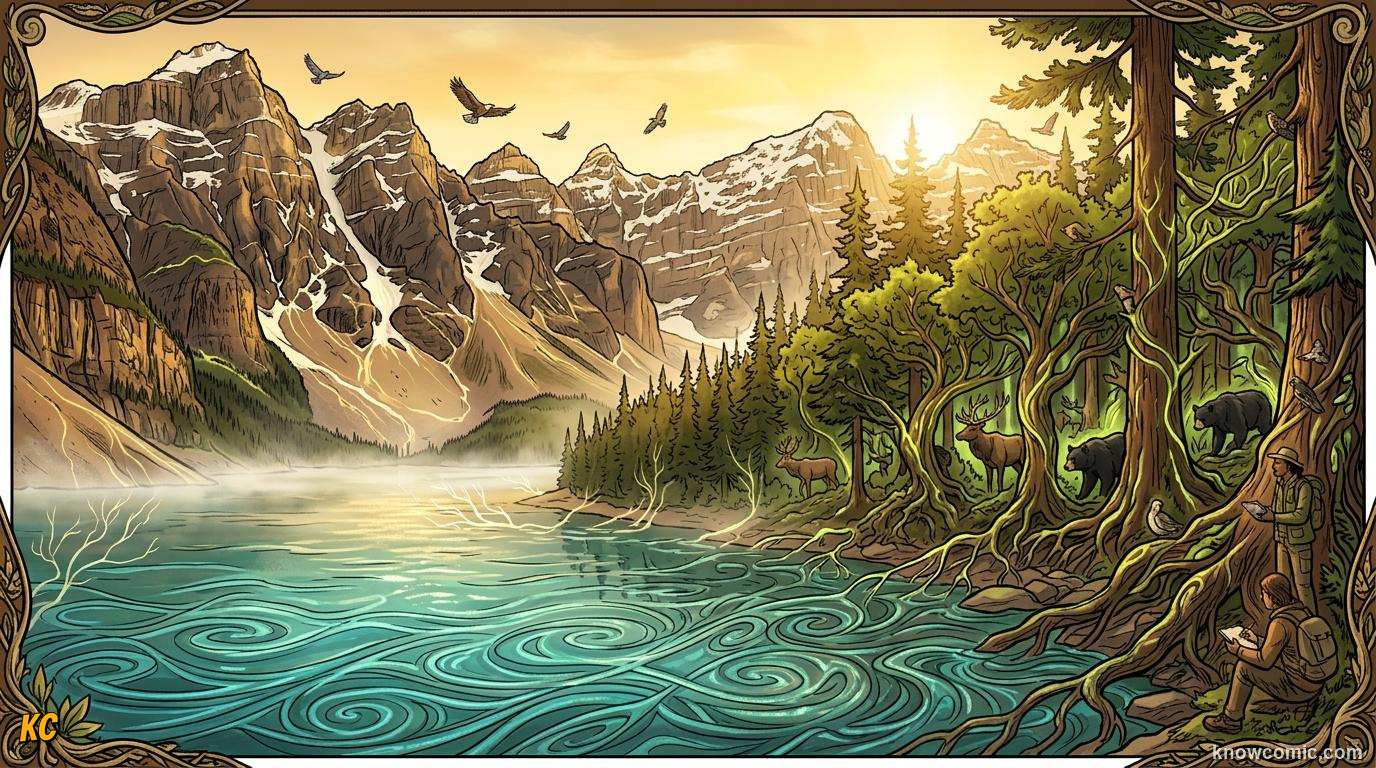
From the Australian Outback to the Amazon, from the Arctic tundra to African savannas, many communities teach that specific hills, bends in a river, or old trees carry spirit and story. A boulder might mark where ancestors rested. A spring might be a place of healing. These are not random decorations on a map. They are chapters in a living book that elders read aloud so younger generations know who they are and where they belong.
SACRED!
ROCKS
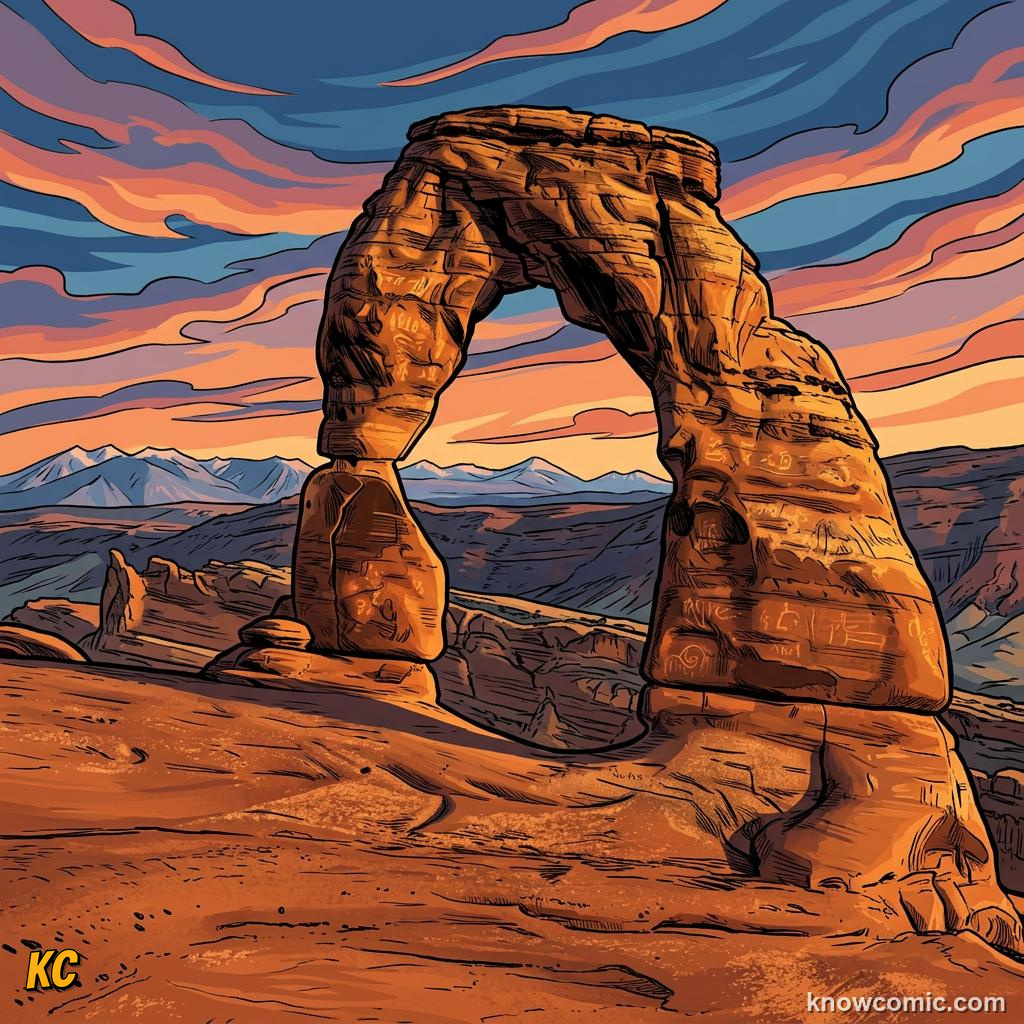
🪨 Stone holds heat and history
⏳ Layers tell deep time
⏳ Layers tell deep time
TREES
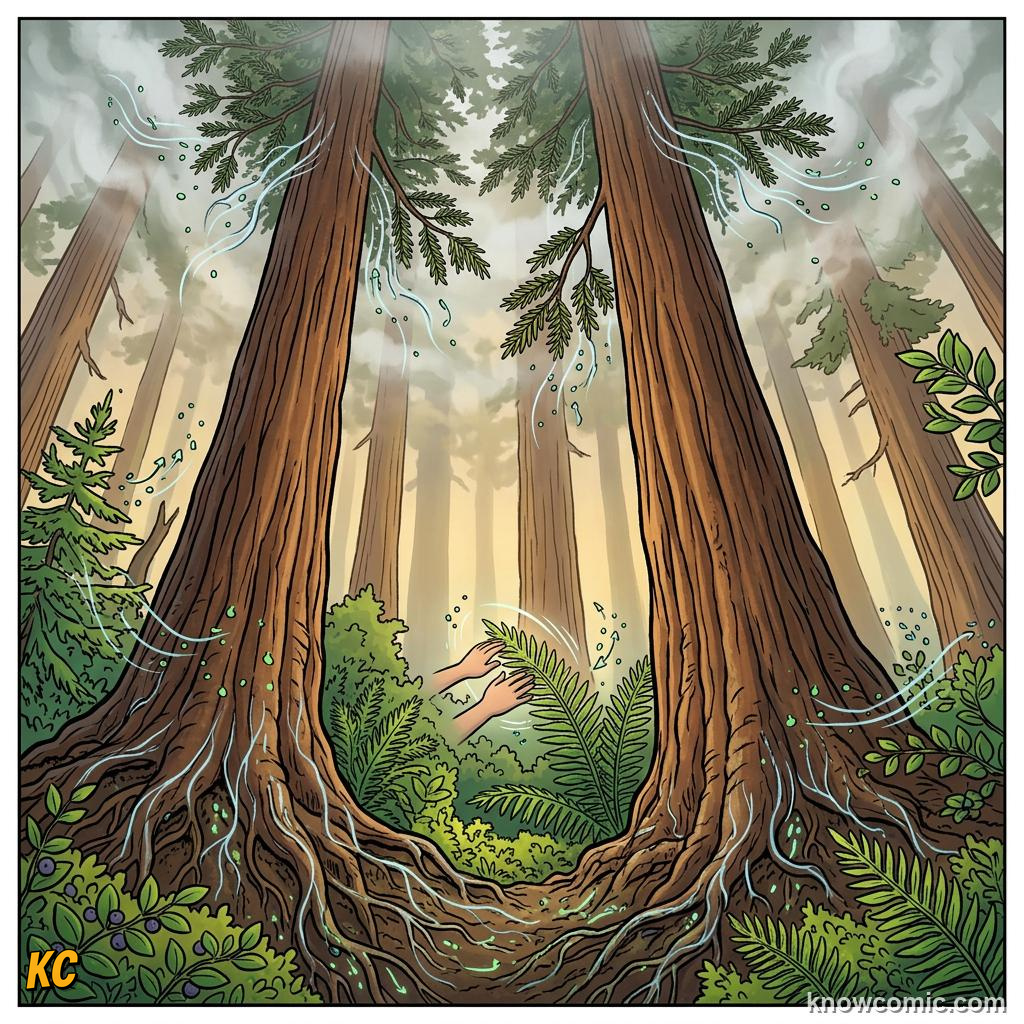
🌳 Roots link forest to soil
🍃 Leaves trade breath with us
🍃 Leaves trade breath with us
RIVERS
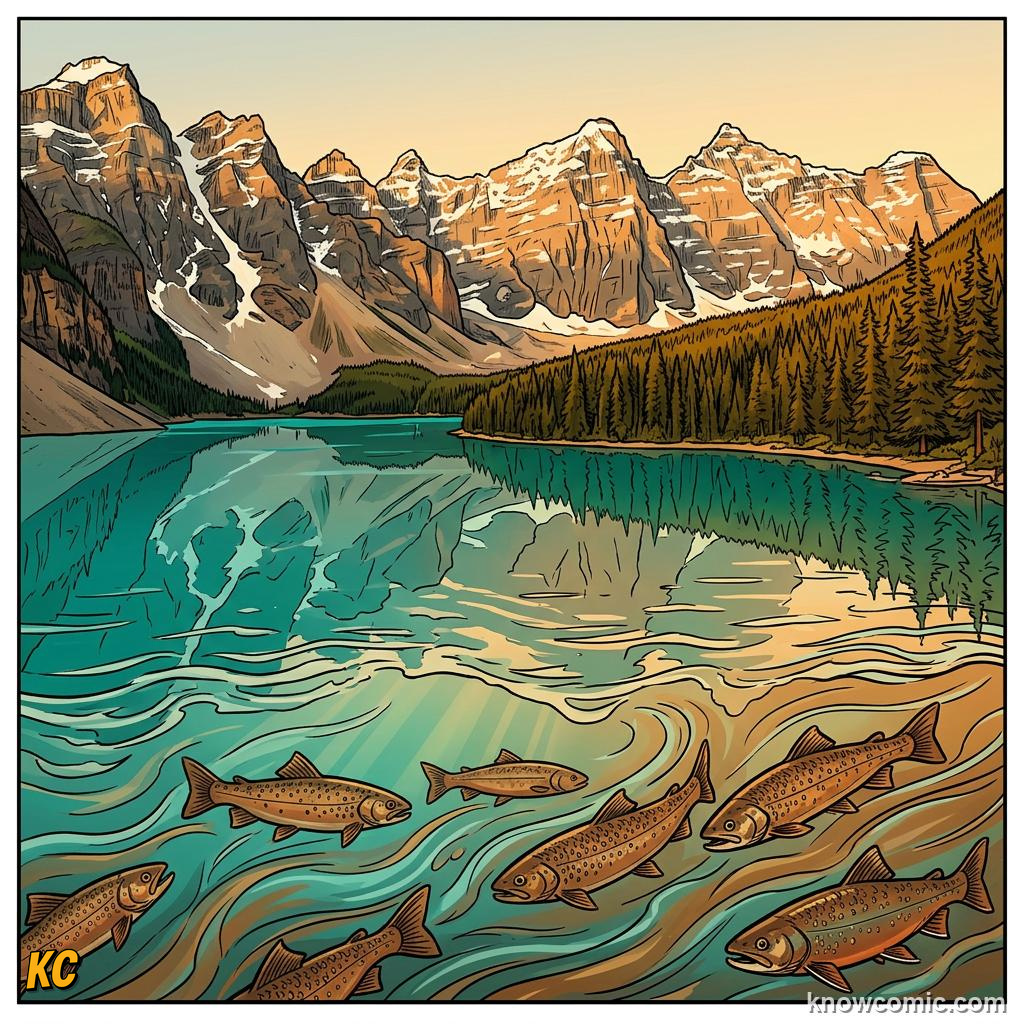
💧 Water connects every living thing
🐟 Fish follow ancient paths
🐟 Fish follow ancient paths
PAGE 3 OF 5 — RECIPROCITY
GIVE BACK
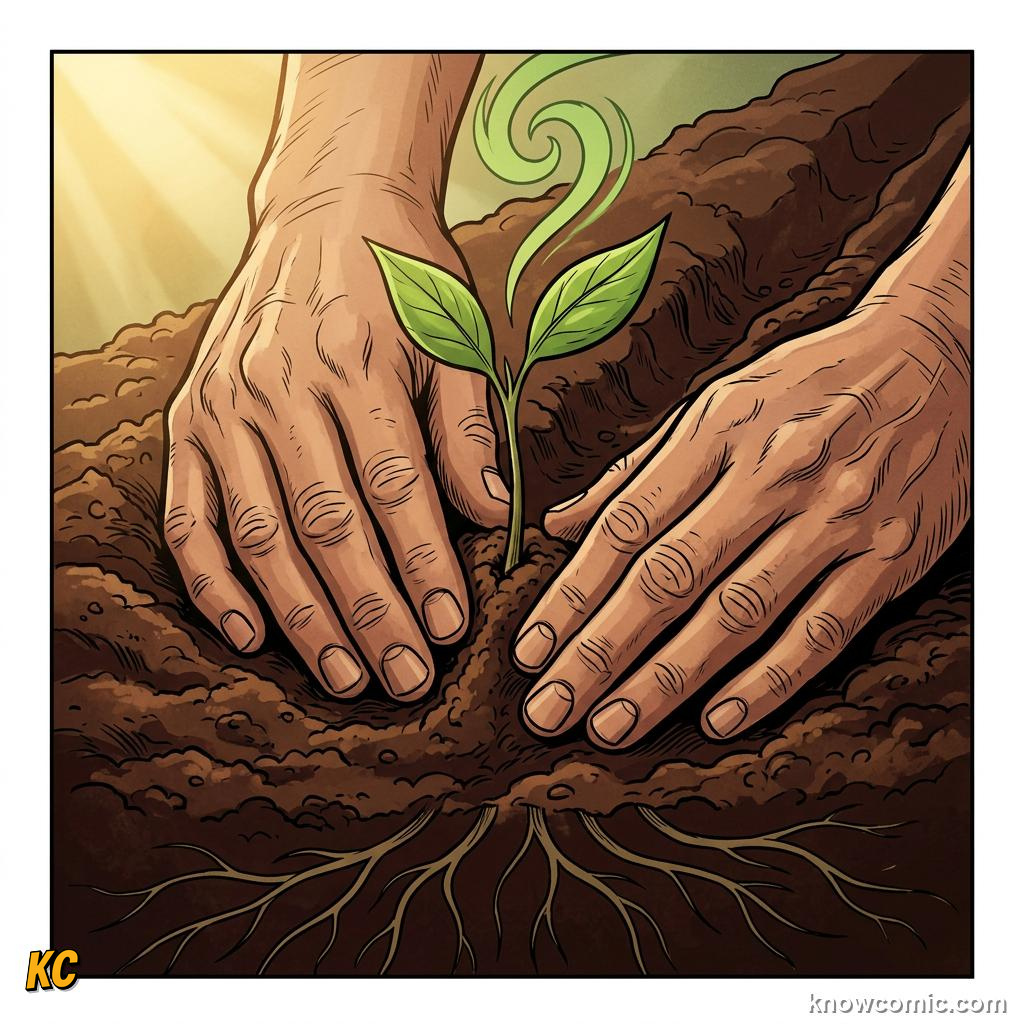
🌱 Plant more than you harvest
🔄 Return gifts to the land
🔄 Return gifts to the land
THANK YOU
🙏 Gratitude before taking food
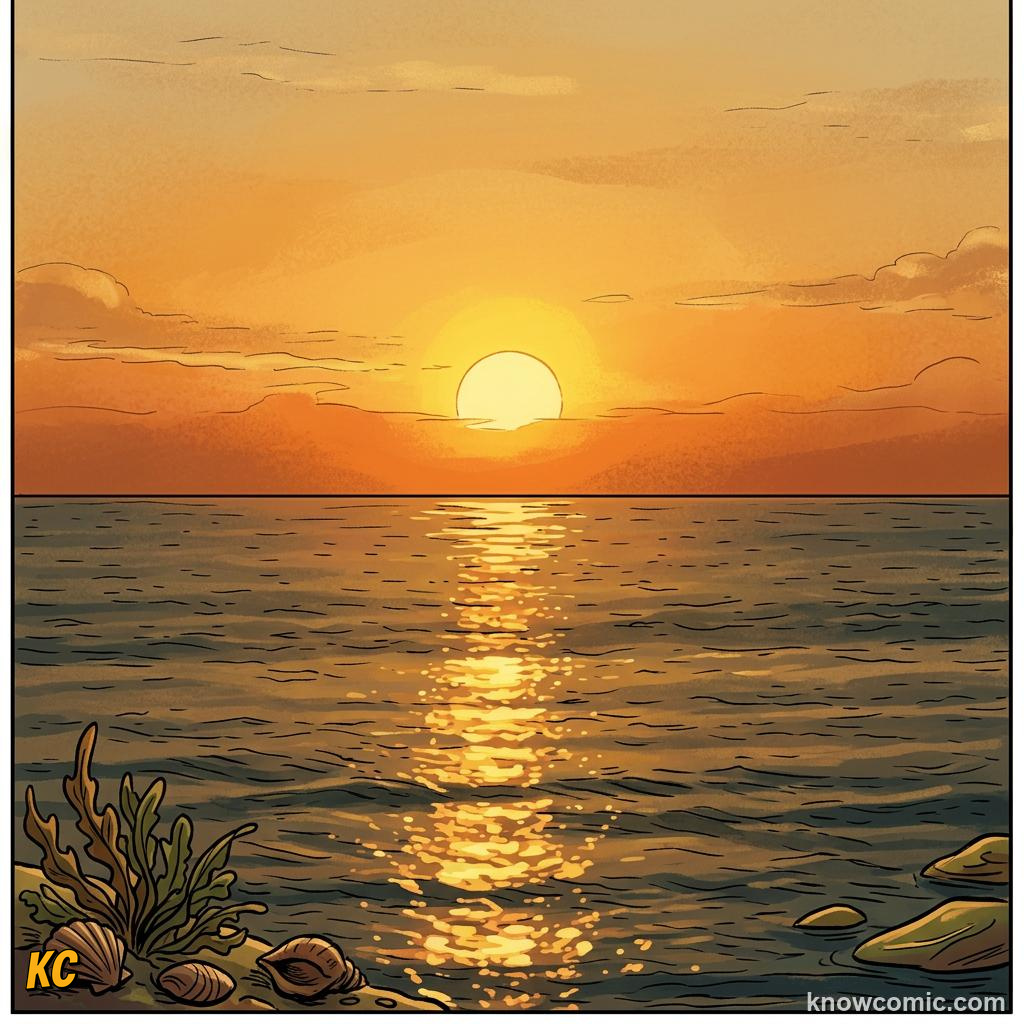
🌅 Dawn reminds us to begin kindly
🌅 Dawn reminds us to begin kindly
A TWO-WAY ROAD
CARE IS A PROMISE
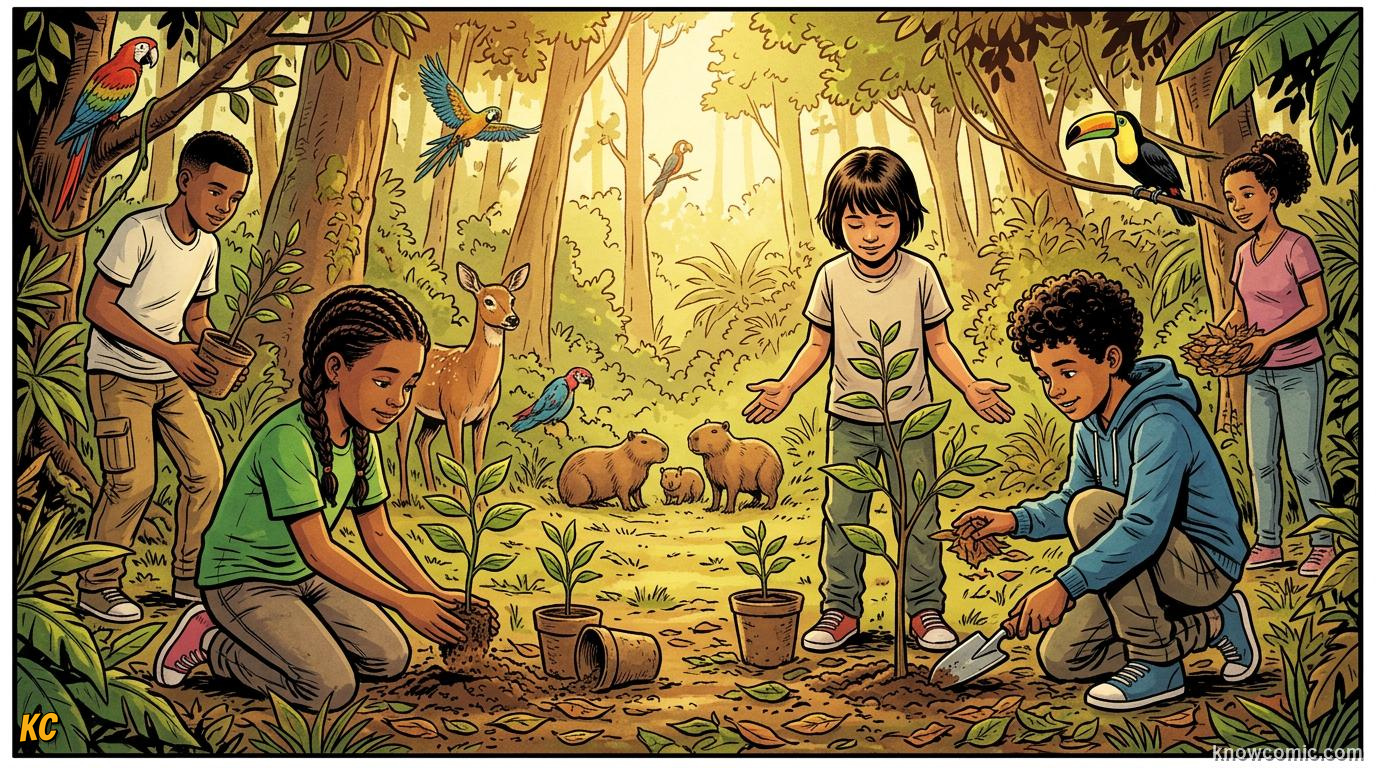
If the Earth gives berries, fish, clean air, and shelter, many traditions say humans must give something back. That might mean harvesting gently, leaving roots intact, burning small patches of land so new plants can grow, or speaking thanks before cutting wood. Reciprocity means the relationship goes both ways. You are not the boss of nature. You are one member of a large family with duties, not just rights.
🌿 TRADITION
Some Pacific Northwest teachings describe humans as younger relatives who must learn from older beings like cedar trees and salmon, who have lived wisely for thousands of years.
GIVE!
PAGE 4 OF 5 — SEEING WITH NEW EYES
PLANET AS PARTNER
A DIFFERENT MAP
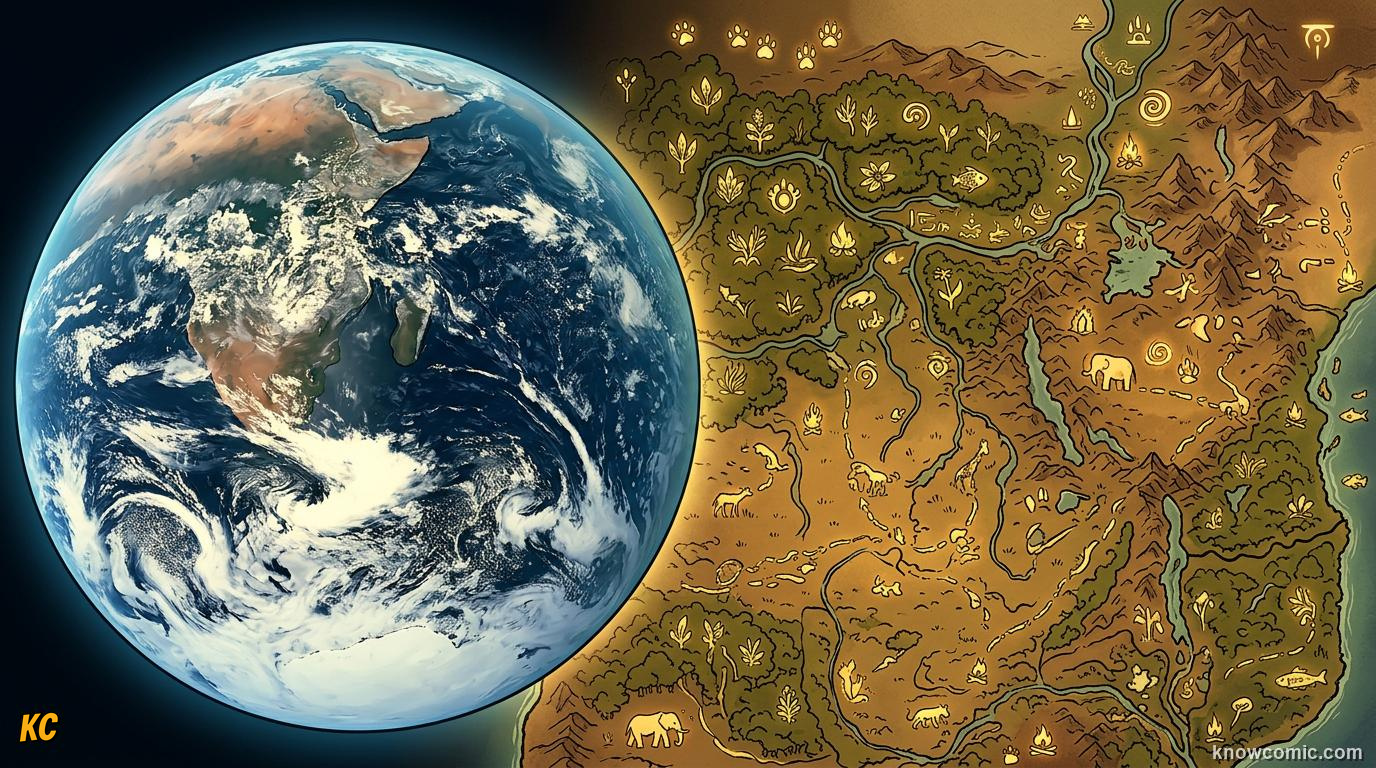
Modern maps often draw borders around countries and mark mines, roads, and factories. Indigenous maps of the same land might instead trace where medicines grow, where eagles nest, where floods arrive, and where stories begin. Both maps can be true, but they ask different questions. One asks, "What can we extract?" The other asks, "What must we protect so life continues?" Learning to read both views helps everyone make wiser choices for the future.
WATCH!
LISTEN
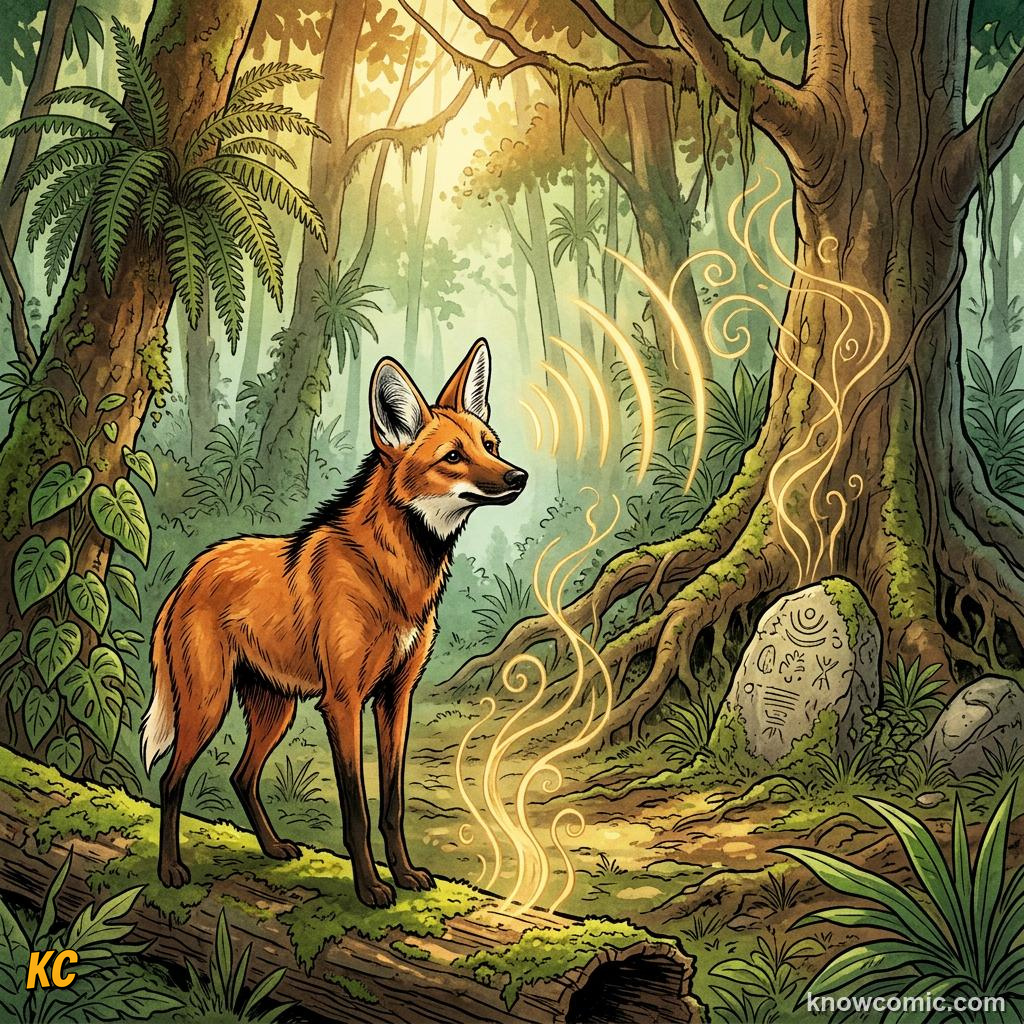
👂 Wind carries warnings
🐦 Birds signal changing seasons
🐦 Birds signal changing seasons
LEARN
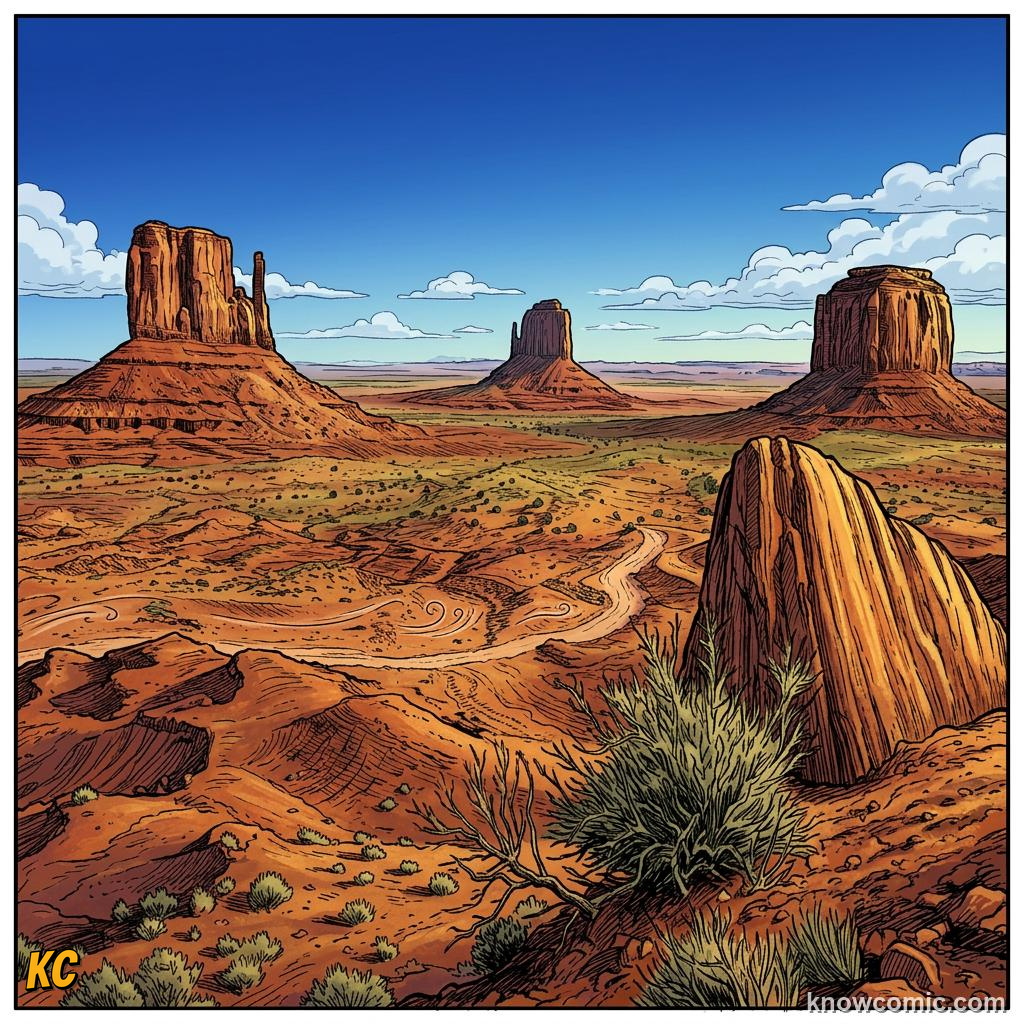
📖 Elders read land like a book
🗺️ Stories mark safe paths
🗺️ Stories mark safe paths
ACT
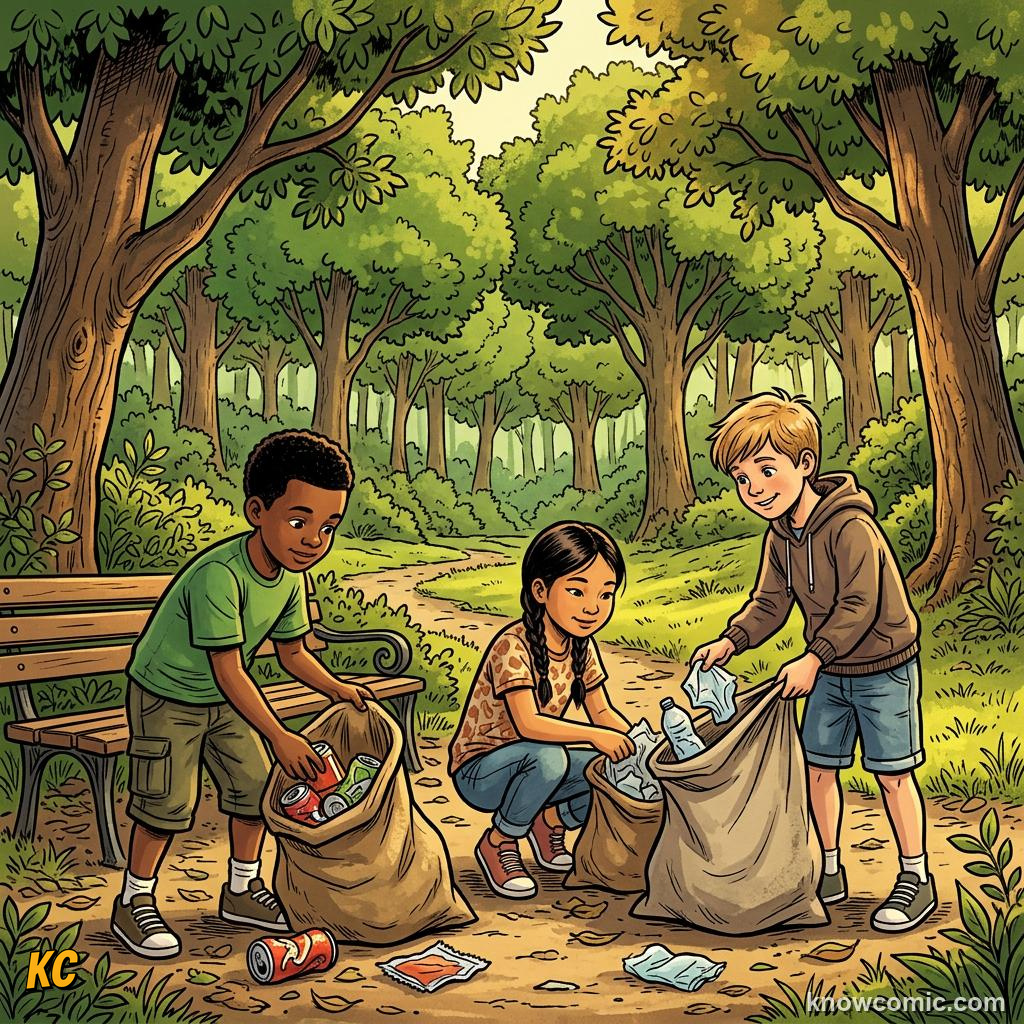
♻️ Small daily choices add up
🌍 Protect water, soil, and air
🌍 Protect water, soil, and air
PAGE 5 OF 5 — THE BIG IDEA
PUTTING IT TOGETHER
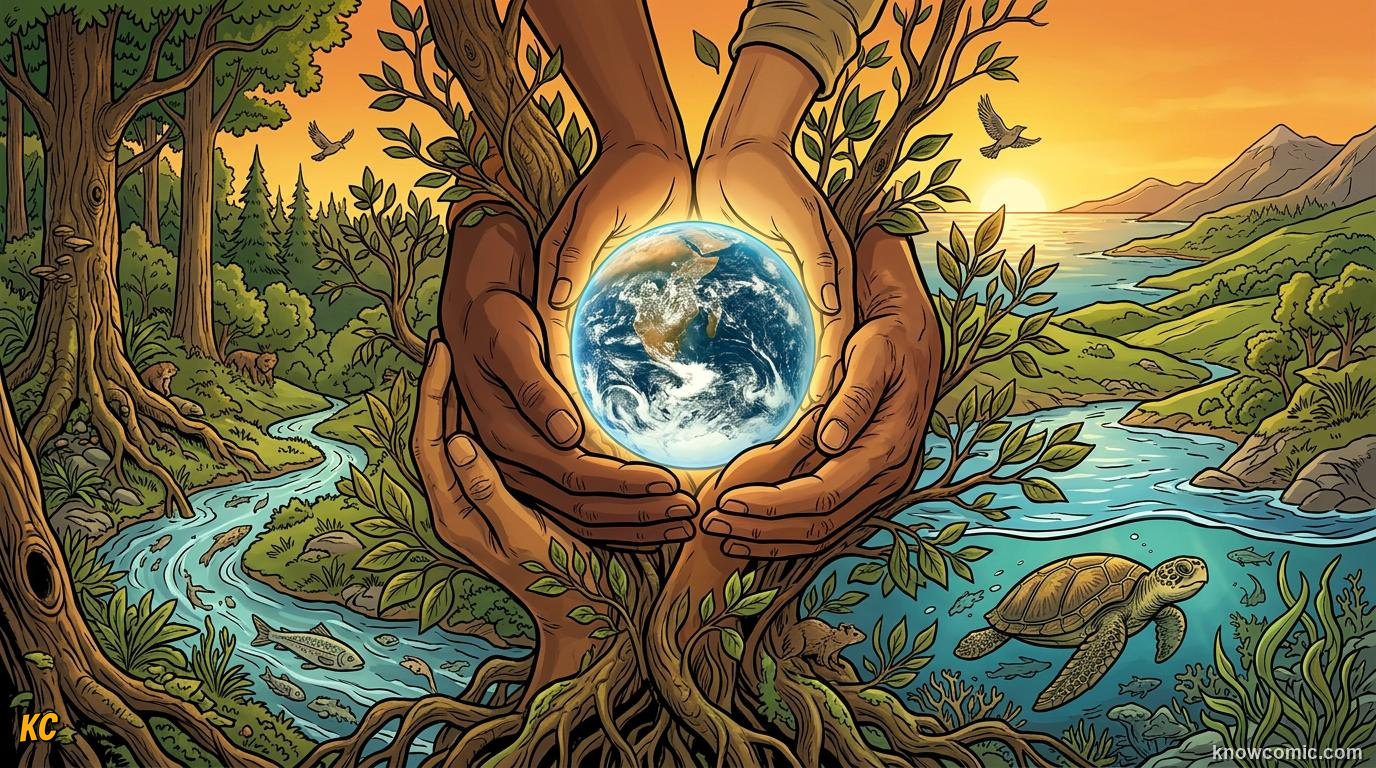
WE BELONG TO THE EARTH
The living Earth idea is simple and deep at once. The planet is not background scenery for human plans. It is the source of breath, food, medicine, and wonder. Rocks, trees, and rivers are relatives with their own stories, not props. When you walk outside today, you can practice this view: notice one tree, one patch of sky, one bird, and ask what it gives and what it needs. That small shift from taking to caring is where Indigenous wisdom meets everyday life.
CARE!
QUICK RECAP
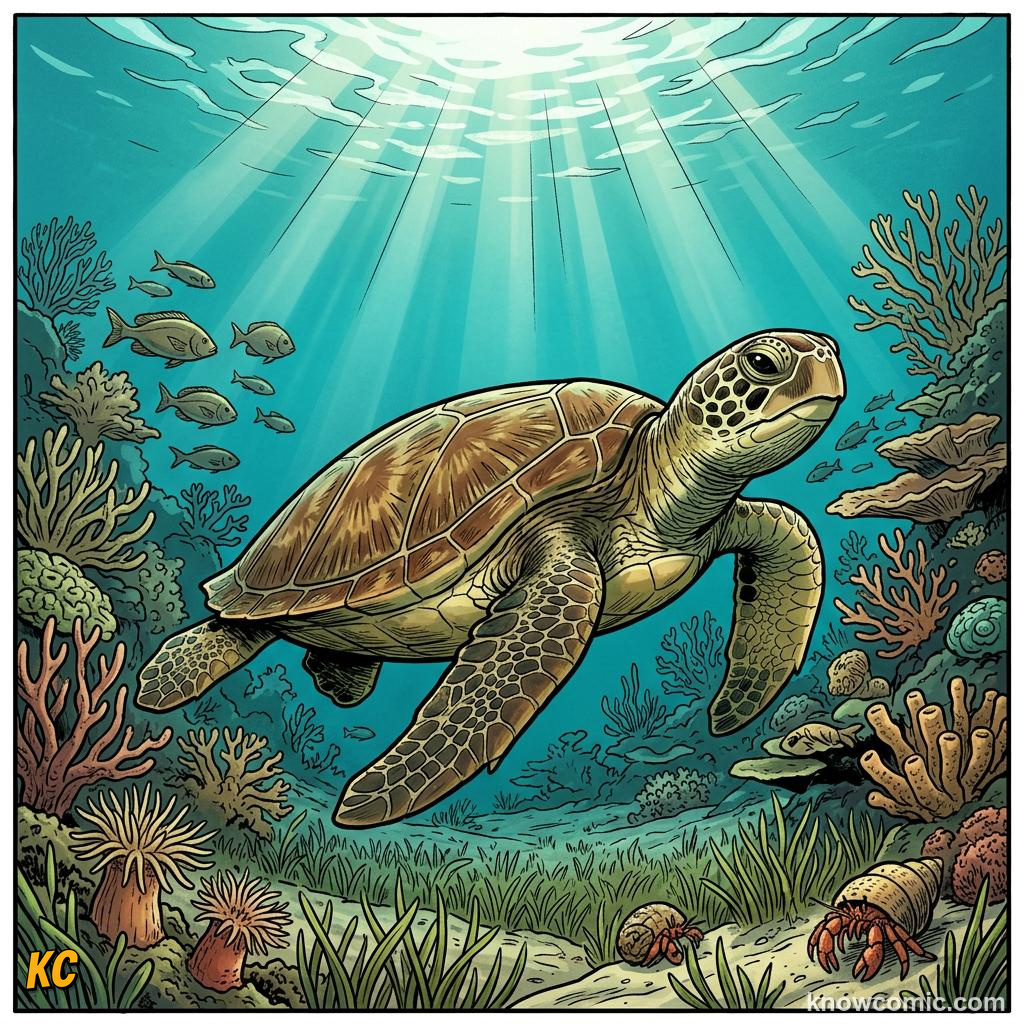
🌍 Earth is alive, not empty
🪨🌲💧 Places hold spirit and story
🪨🌲💧 Places hold spirit and story
REMEMBER
🌍 KEY FACTS
Many Indigenous teachings see Earth as a living relative. Rocks, trees, and rivers carry spirit and story. Humans must give back through gratitude, gentle harvesting, and daily care. This view appears in many nations, each with its own words and customs.
🤝 Reciprocity, not greed
👂 Listen to land and elders
🌱 Protect what sustains life
👂 Listen to land and elders
🌱 Protect what sustains life
🧠 QUIZ TIME!
THE LIVING EARTH · 5 QUESTIONS
QUESTION 01
How do many Indigenous traditions describe the Earth?
QUESTION 02
What might a special hill, old tree, or river bend represent in these teachings?
QUESTION 03
What does reciprocity mean in caring for the Earth?
QUESTION 04
How might an Indigenous map of land differ from a modern resource map?
QUESTION 05
What is one way you can practice the living Earth view today?
0/5
LOADING...
No comments yet, be the first!