✈️ TRAVEL & TIME ZONES
PAGE 1 OF 5 · A GIANT CONTINENT
THREE COUNTRIES
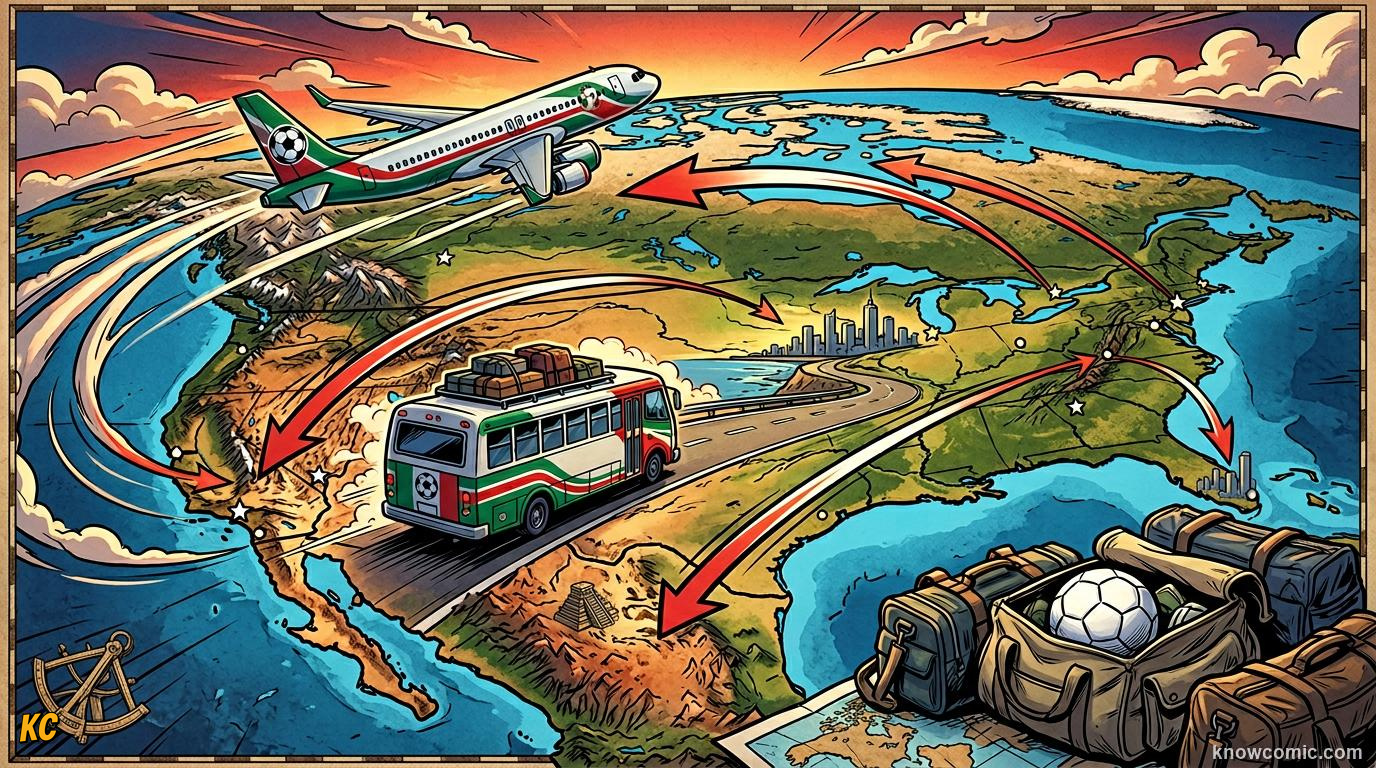
WORLD CUP 2026 ACROSS NORTH AMERICA
World Cup 2026 is spread across the United States, Canada, and Mexico. That means teams and fans cross a continent bigger than most people imagine. A group match in Vancouver might be followed by a knockout in Miami or Mexico City. Distances stretch thousands of kilometres. Flights, buses, and team hotels become part of tournament strategy. European and Asian teams fly even farther just to arrive. South American sides hop shorter routes but still face long journeys inside the host region. The scale is unlike compact tournaments in single countries. Every squad needs a travel plan before they pack their boots. Coaches worry about recovery time between cities. Fans chase tickets across time zones. World Cup 2026 turns travel into a hidden competition where the smartest schedules can give an edge.
⚡ DID YOU KNOW?
Matches in 2026 span multiple time zones from the Pacific coast to the Atlantic and into Central America. Kick-off times that look close on paper can feel worlds apart for tired players.
GO!
HOSTS
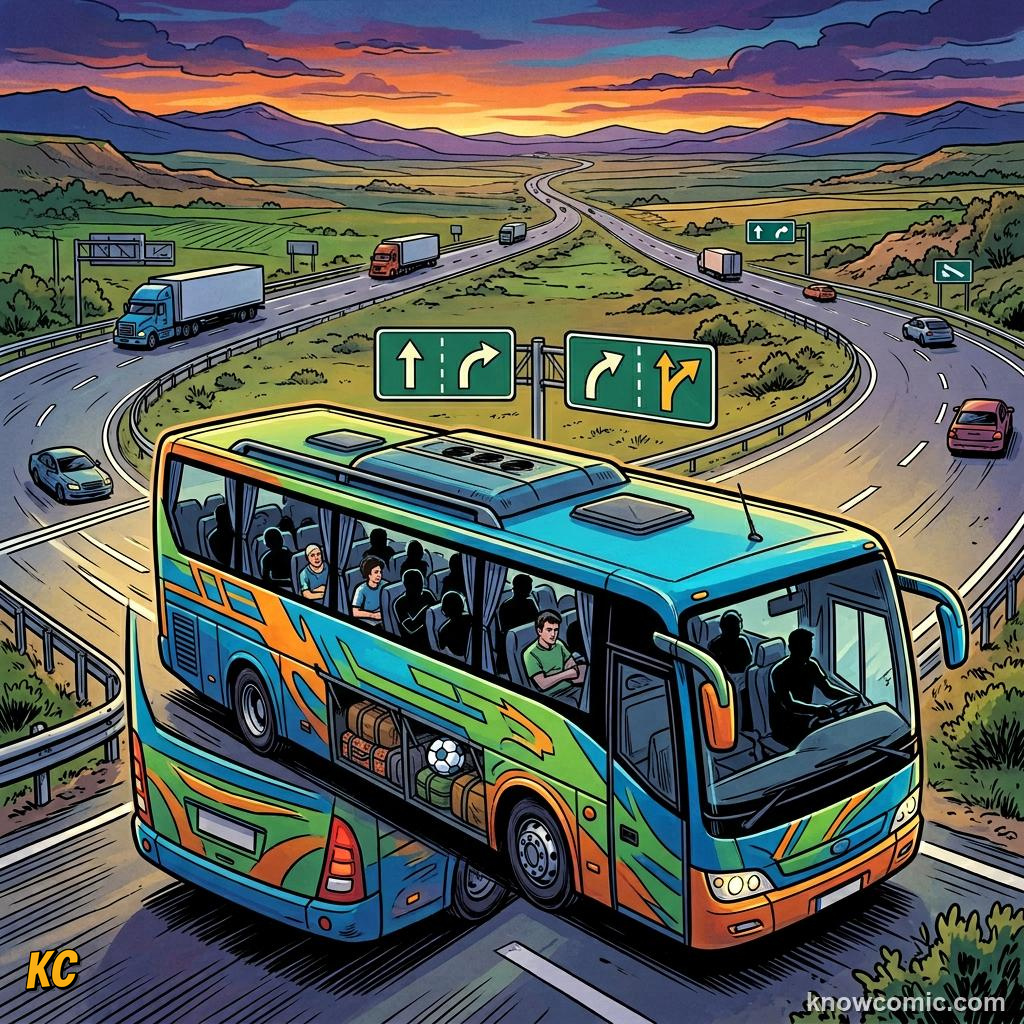
🇺🇸 🇨🇦 🇲🇽 Three nations host
🏟️ Cities spread coast to coast
🏟️ Cities spread coast to coast
DISTANCE
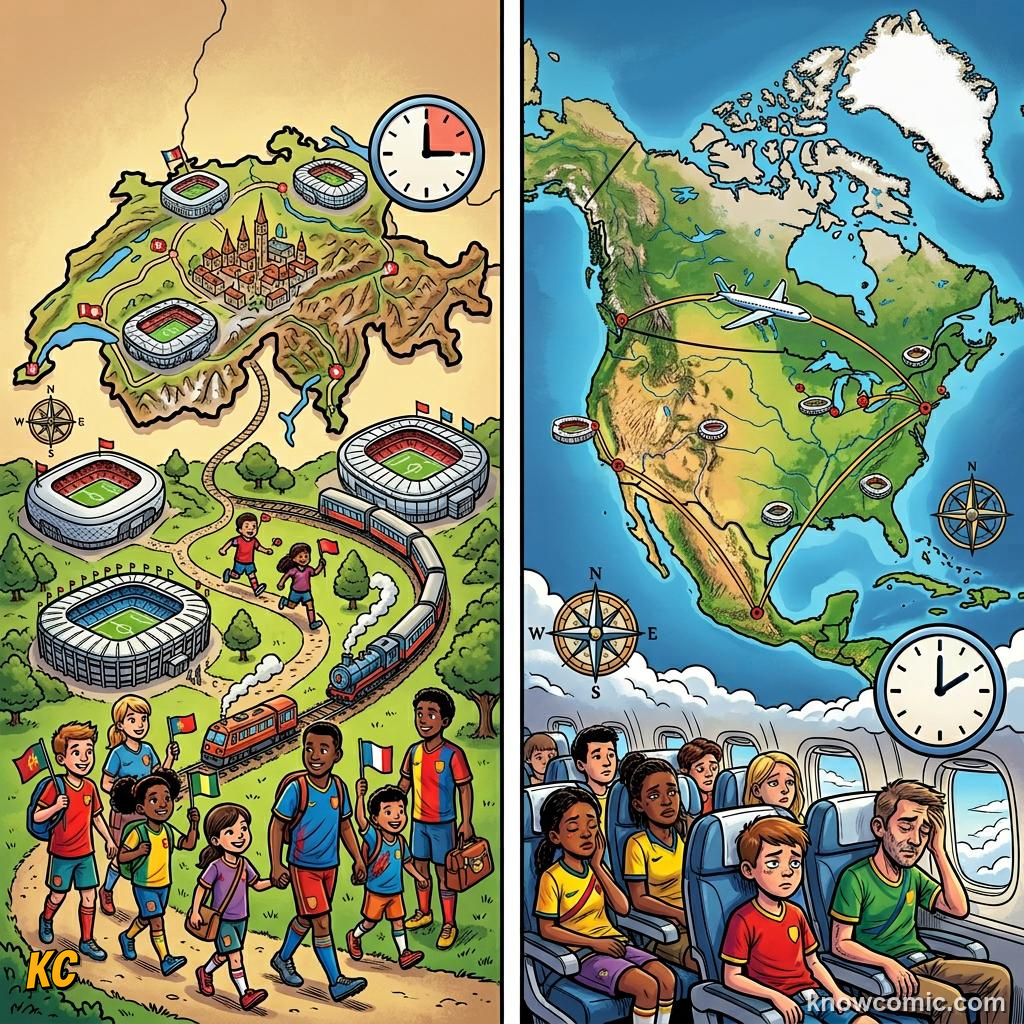
✈️ Teams fly thousands of km
🗺️ Travel plans matter hugely
🗺️ Travel plans matter hugely