🟡 THE REFEREE TEAM
PAGE 1 OF 5 · THE CENTRE REFEREE
BOSS ON THE PITCH
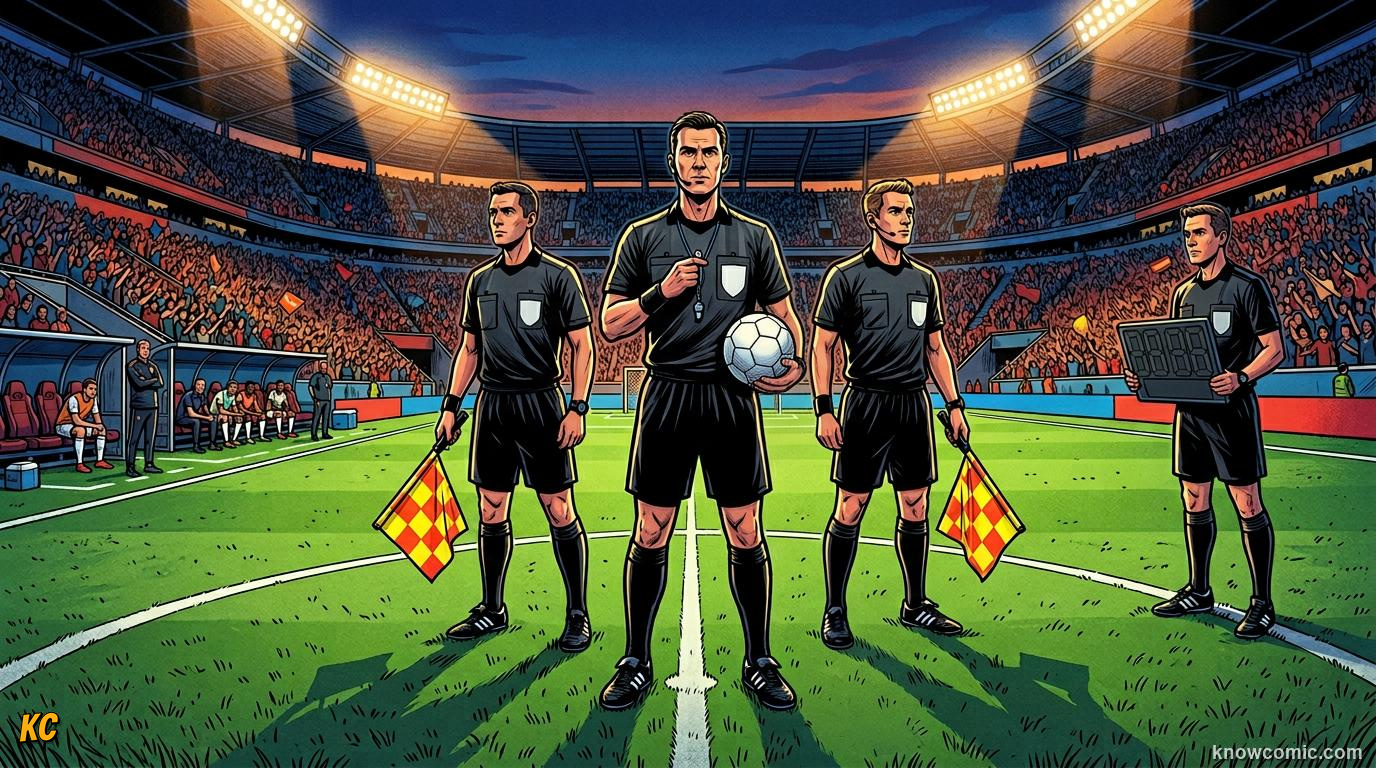
THE REFEREE IN THE MIDDLE
The centre referee is the boss on the pitch. Dressed in a bright kit that contrasts with both teams, they follow play up and down the field with whistle in hand. They start and stop the match, award free kicks, and decide when fouls deserve a yellow or red card. World Cup referees train for years to reach this stage. FIFA picks officials from dozens of countries and tests them in youth tournaments first. Fitness matters hugely. A referee might sprint 10 km during a match, often backwards, to stay near the action. They communicate with players through words, gestures, and cards. A firm stare can calm a heated moment. The referee also checks the ball, counts players, and enforces the rules on handballs, offside, and dangerous tackles. Their decision is final on the field unless VAR intervenes. Being a World Cup referee means handling 80,000 screaming fans and millions watching on TV. One whistle can change history.
⚡ DID YOU KNOW?
World Cup referees must pass fitness tests including repeated 40-metre sprints and an interval test similar to what players face. They train like athletes.
BLOW!
CARDS
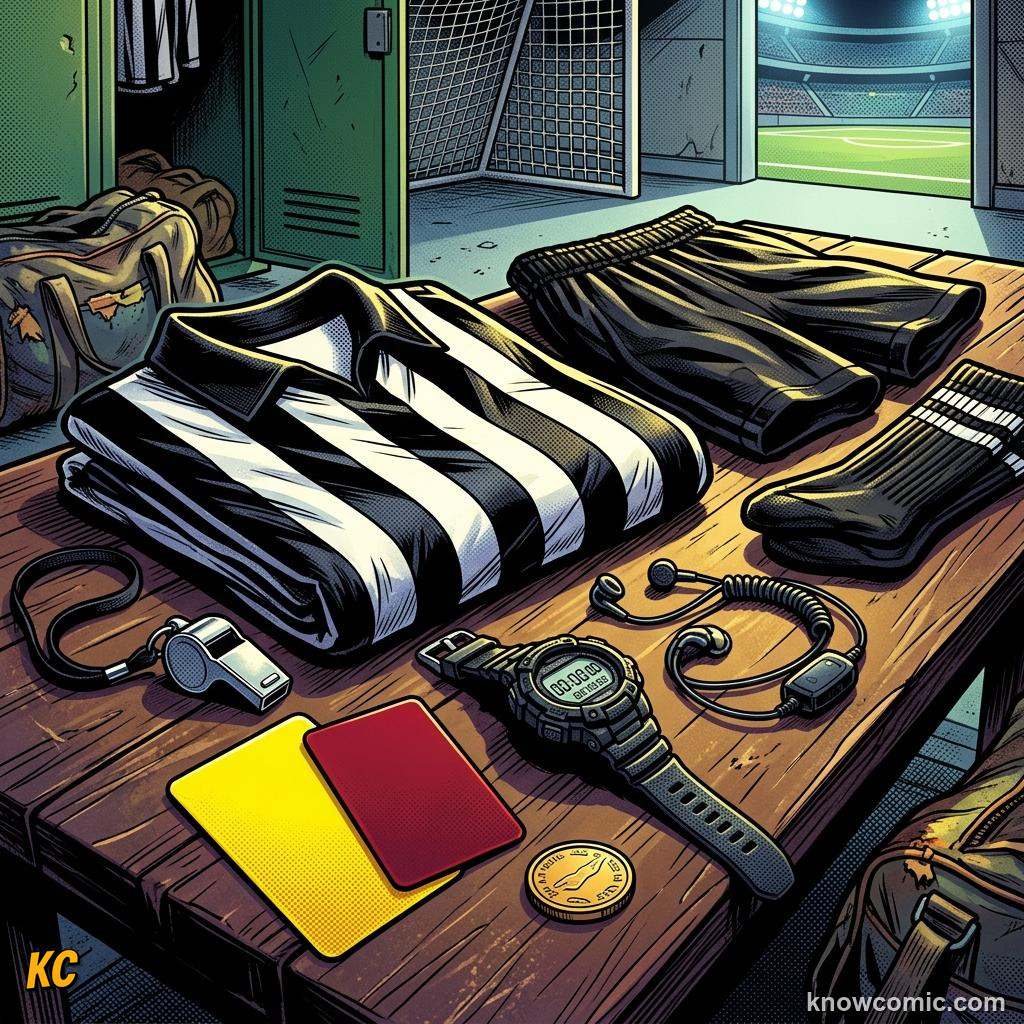
🟨 Yellow warns a player
🟥 Red sends them off
🟥 Red sends them off
WHISTLE
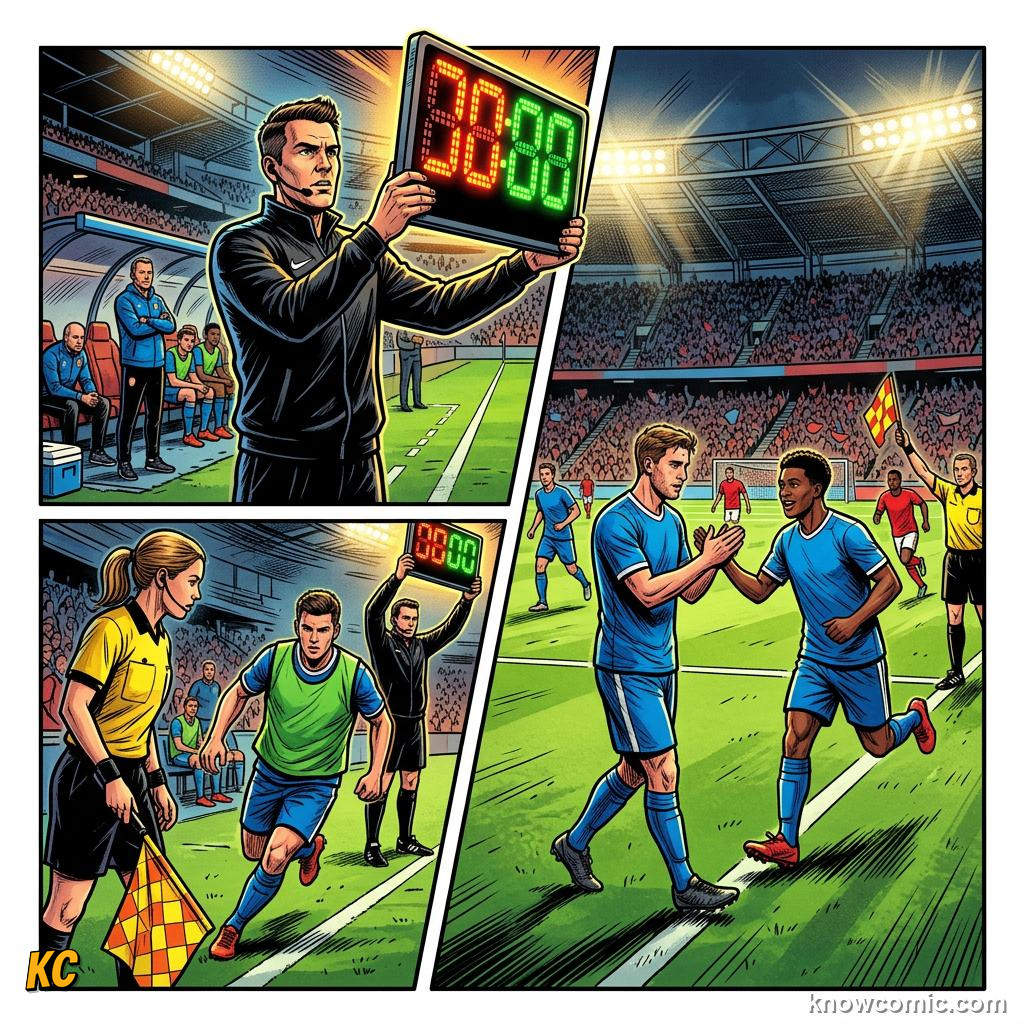
📣 Stops and starts play
🏃 Referee runs the whole match
🏃 Referee runs the whole match