🦁 MASCOTS & MATCH BALLS
PAGE 1 OF 5 · TWO WORLD CUP TRADITIONS
FUN SYMBOLS
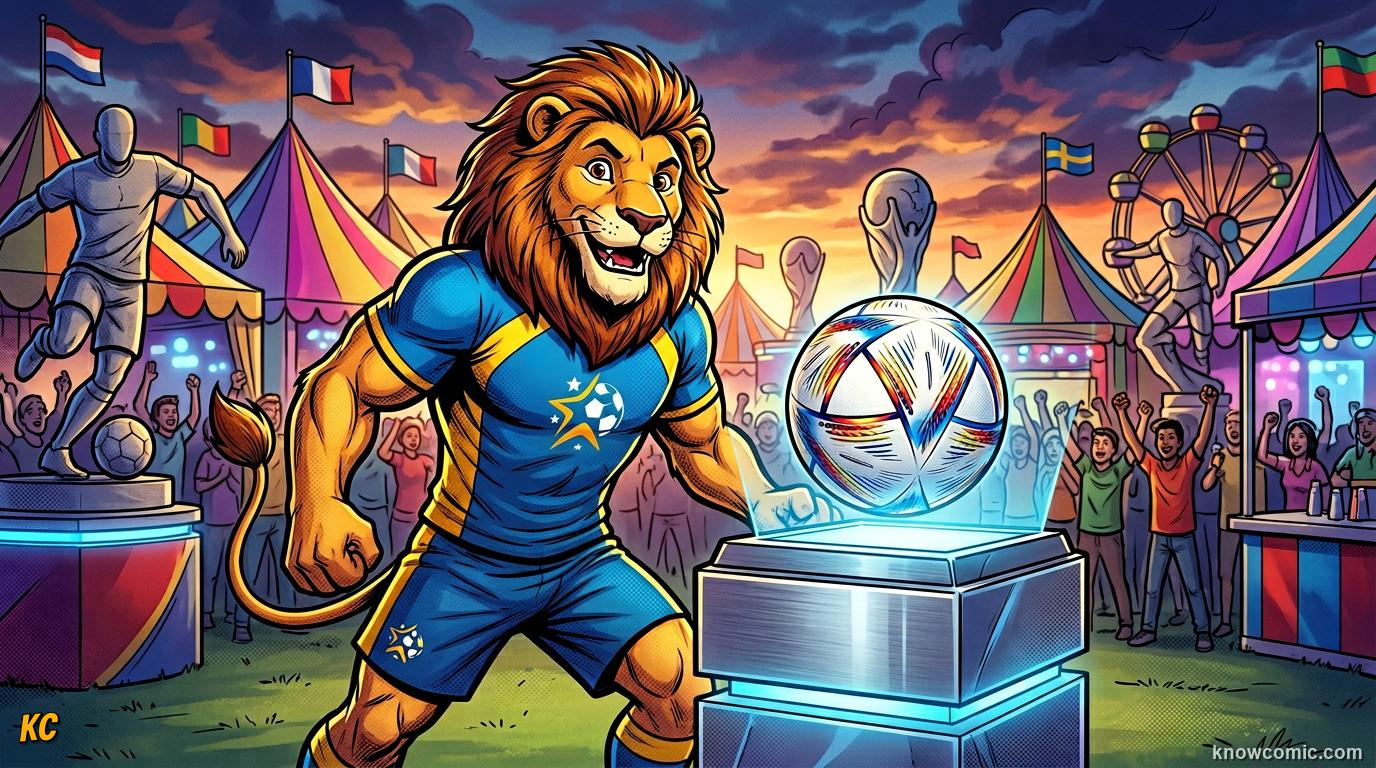
EVERY TOURNAMENT HAS A FACE AND A BALL
Long before kickoff, a World Cup already has a personality. Organizers choose a friendly mascot to welcome fans, sell toys, and teach kids about the host nation. At the same time, a brand-new match ball is designed with special panels, colors, and technology so players can trust every pass and shot. These symbols travel far beyond the stadium. You see them on posters, video games, backpacks, and breakfast cereal boxes. Mascots wave from opening ceremonies while footballers test the official ball in training grounds around the world. Together they turn a calendar of matches into a story fans can collect year after year. Some people remember a tournament because of a dancing lion, a speedy wolf, or a smiling cactus. Others remember the ball that curved like magic on free kicks or glowed under stadium lights. World Cup Willie started the mascot tradition in England 1966, and Adidas Telstar made the modern ball famous in 1970. Since then, each edition adds fresh characters and engineering to football's biggest party. When World Cup 2026 arrives across North America, new symbols will join the parade.
⚡ DID YOU KNOW?
World Cup Willie, a cartoon lion in a Union Jack outfit, was the first official FIFA World Cup mascot back in 1966.
SYMBOLS!
MASCOT
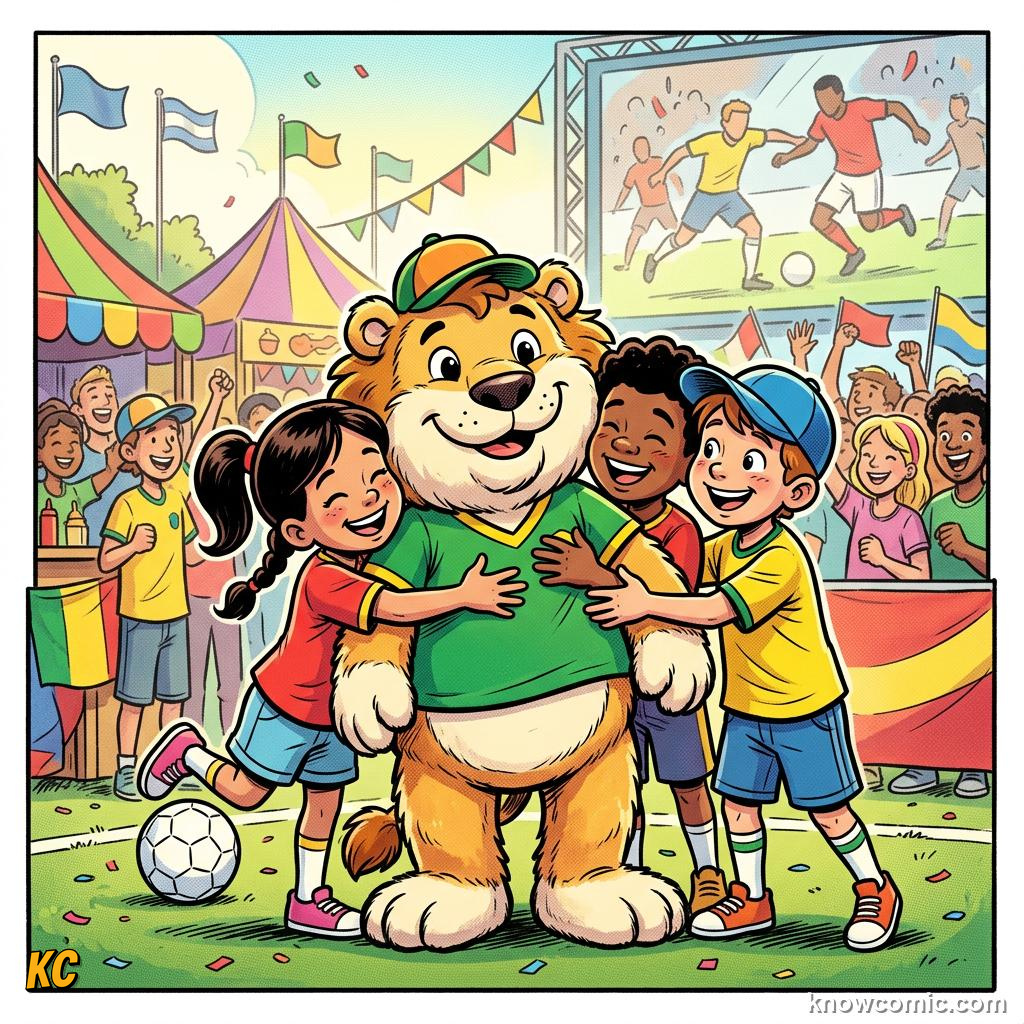
🦁 Friendly face of the tournament
🎁 Toys, games, and fan joy
🎁 Toys, games, and fan joy
BALL
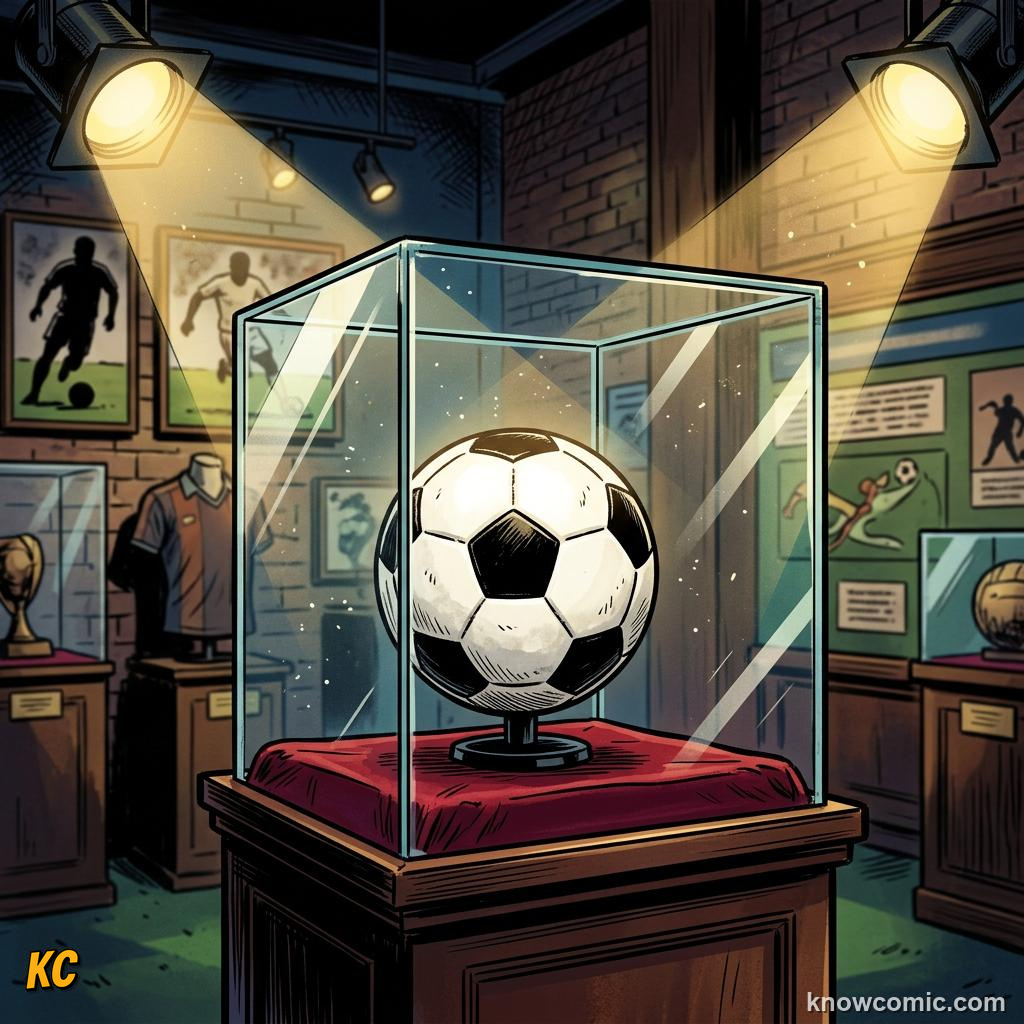
⚽ New design every four years
🎯 Built for speed and accuracy
🎯 Built for speed and accuracy