📐 THE PITCH: EVERY LINE EXPLAINED
PAGE 1 OF 5, A MAP OF BATTLE
THE GREEN CANVAS
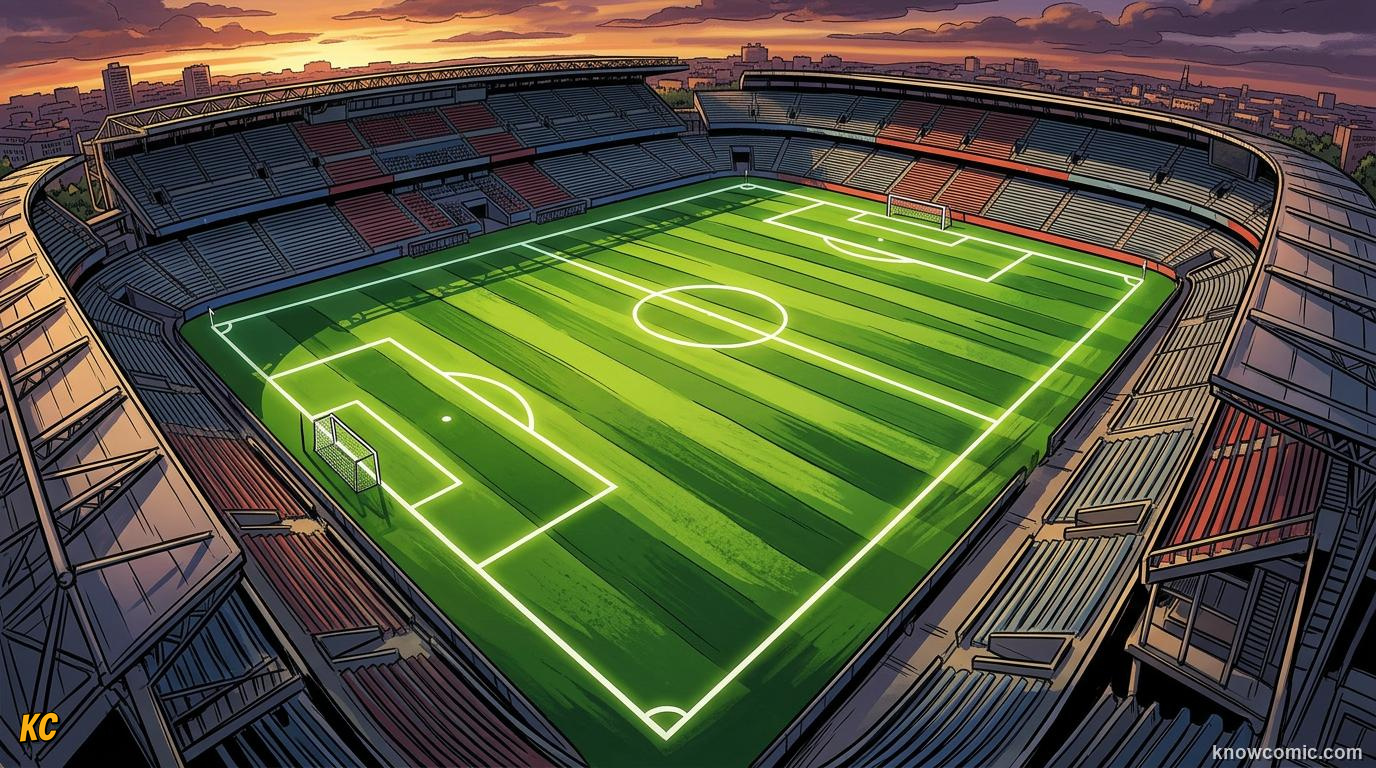
WHY ALL THOSE WHITE LINES?
A football pitch looks like a giant green painting covered in white geometry, but every line is a rule frozen in paint. The touchlines run along the long sides, the goal lines run behind each net, and the halfway line splits the pitch into two equal halves so both teams defend one end and attack the other. Without these markings, referees could not decide throw-ins, corners, or penalties. World Cup pitches are about 105 metres long and 68 metres wide, and every stadium uses the same line layout so the game feels identical from Mexico City to Vancouver.
⚡ DID YOU KNOW?
All the lines on a pitch are part of the playing area. If the ball is touching a line, it is still in play, which is why tight calls along the touchline are so dramatic!
LINES!
TOUCHLINES
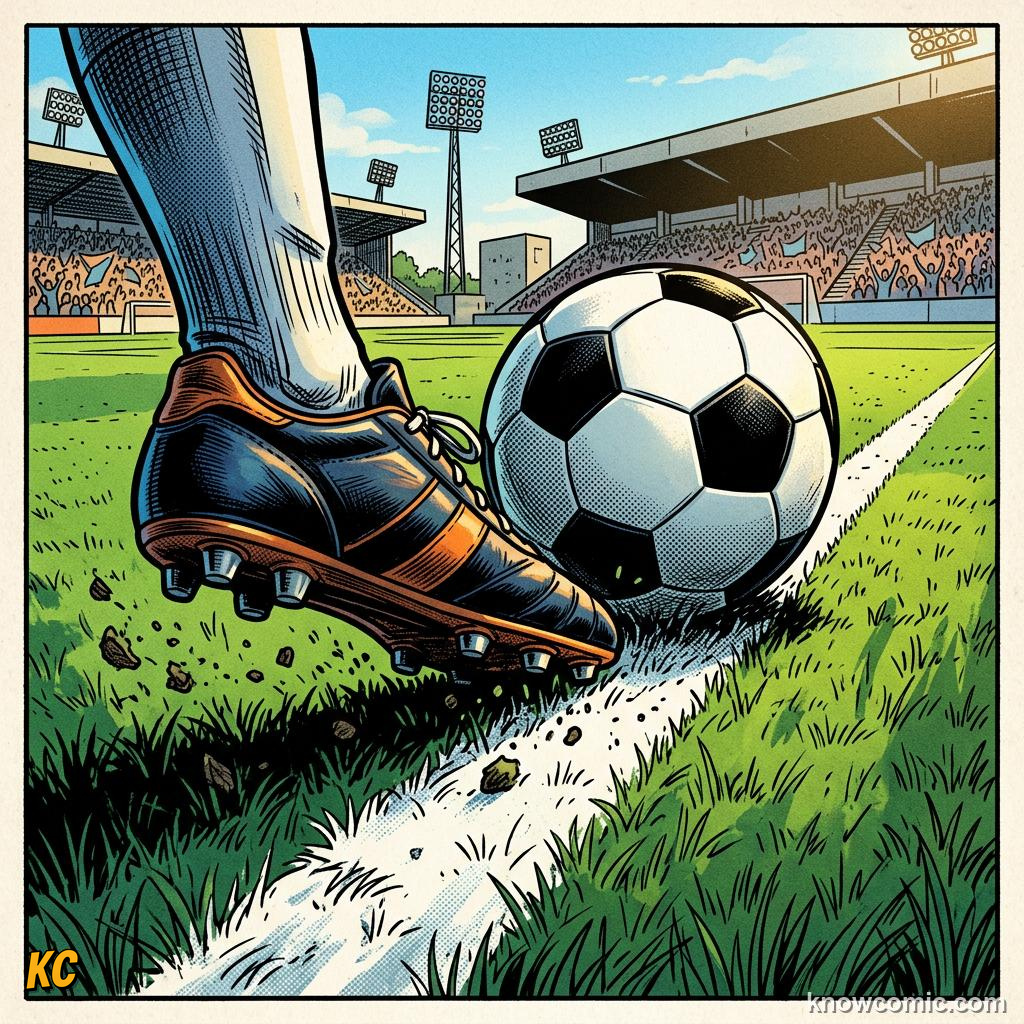
📏 Long sides of the pitch
🤾 Ball out here: throw-in restart
🤾 Ball out here: throw-in restart
GOAL LINES
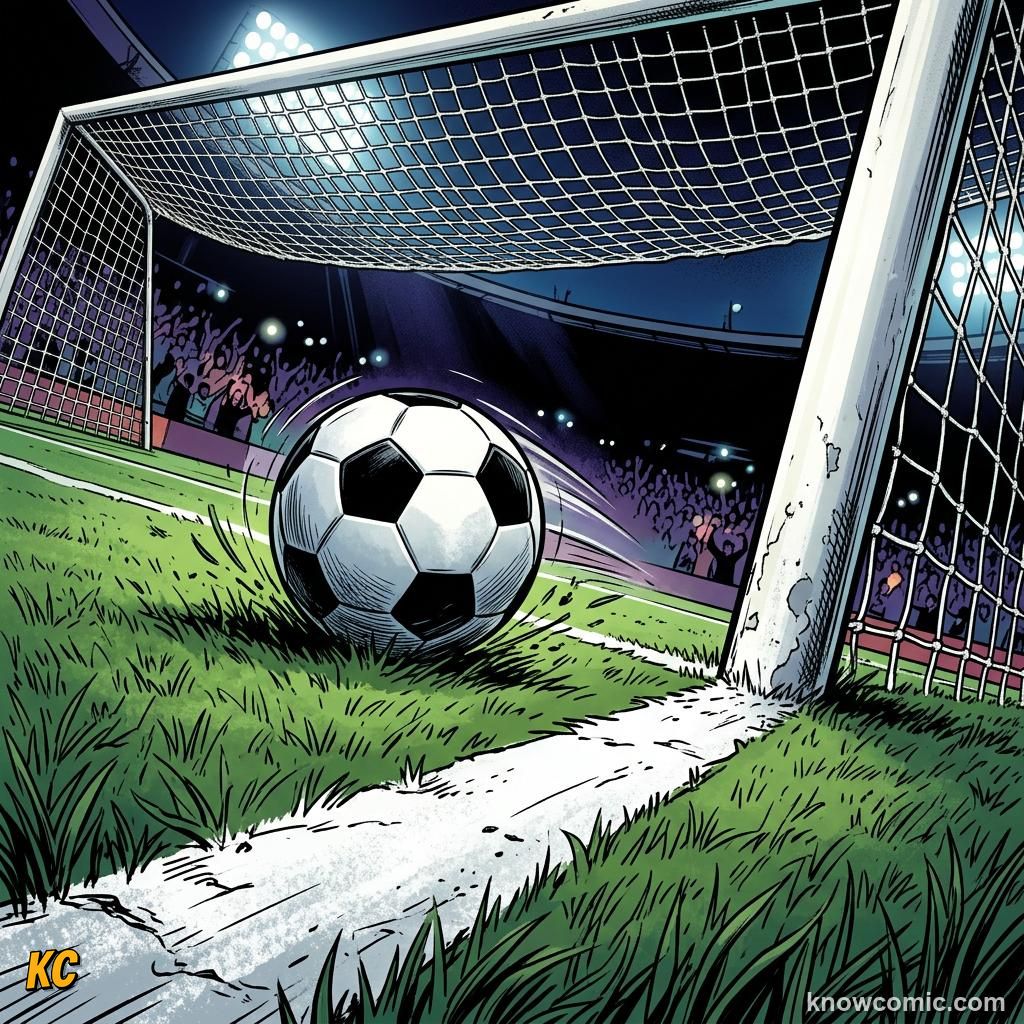
🥅 Short lines behind each goal
⚽ Whole ball over: goal or restart
⚽ Whole ball over: goal or restart
PAGE 2 OF 5, THE OUTER EDGES
BOUNDARY LINES

IN OR OUT? THE LINE DECIDES
Picture the pitch as a rectangle of grass with a white frame around it. When the ball fully crosses a touchline, play stops and the other team takes a throw-in with both hands from where it went out. When the ball fully crosses a goal line but not into the net, the restart depends on who touched it last: the defending team gets a goal kick from inside their box, or the attacking team wins a corner kick from the tiny corner arc. These outer lines are simple, yet they cause some of the loudest arguments in every World Cup match.
EDGE!
THROW-IN
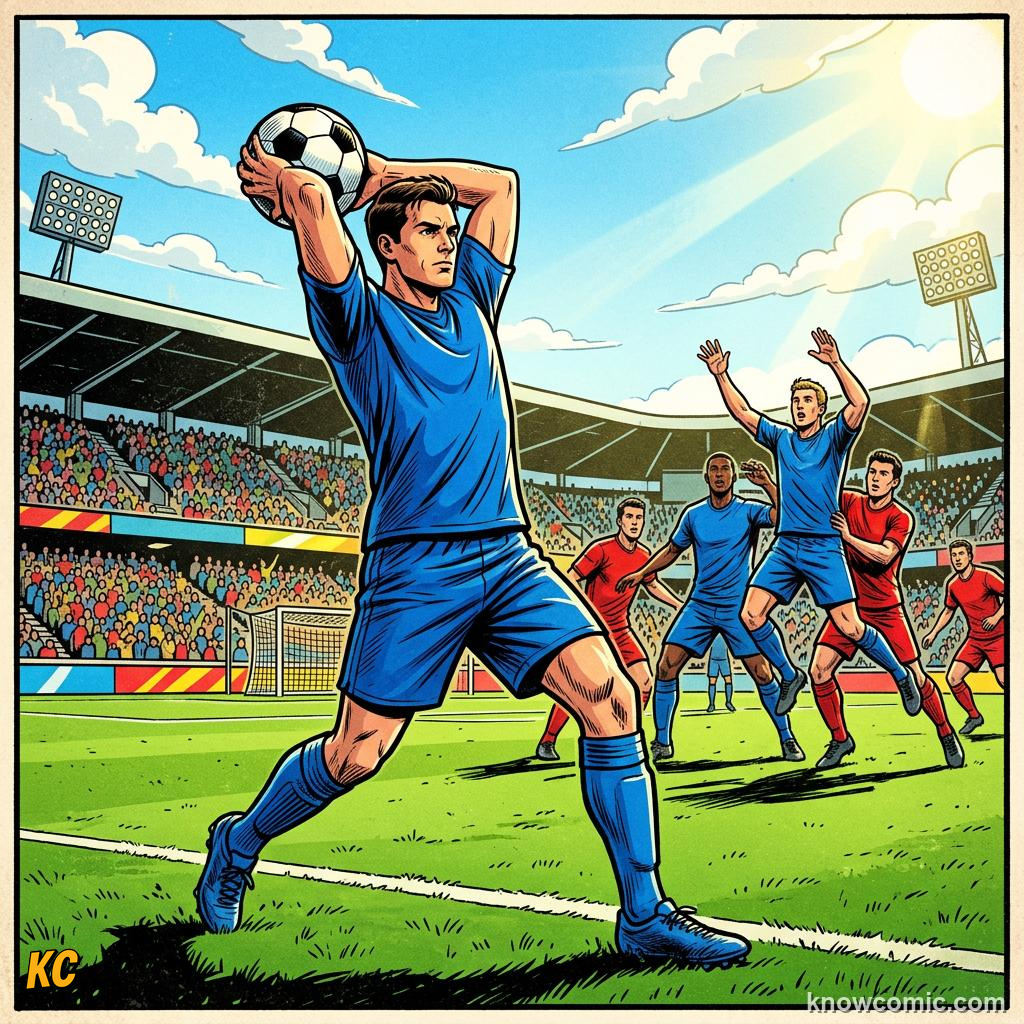
🤾 Both feet on the ground
🙌 Ball goes over the head
🙌 Ball goes over the head
GOAL KICK
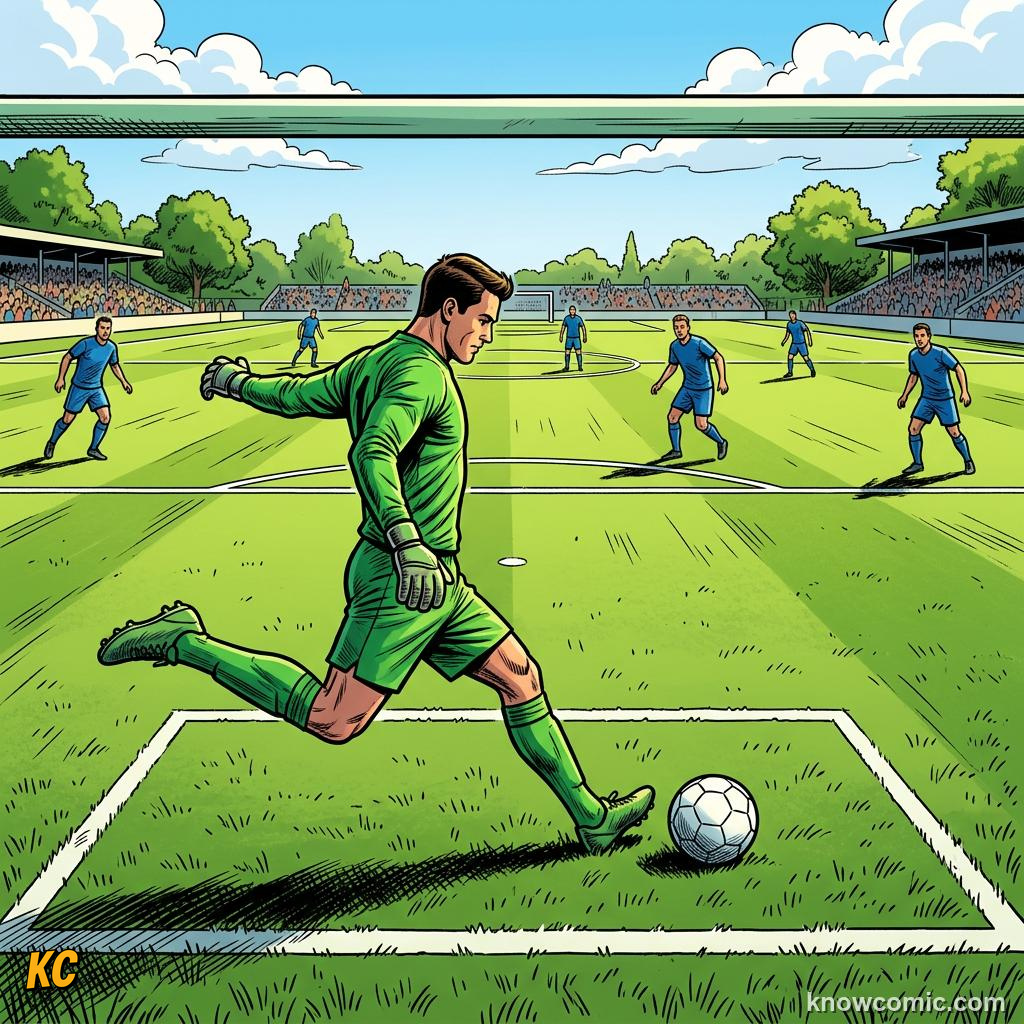
🧤 Keeper kicks from the box
🛡️ Last touch was by an attacker
🛡️ Last touch was by an attacker
CORNER KICK
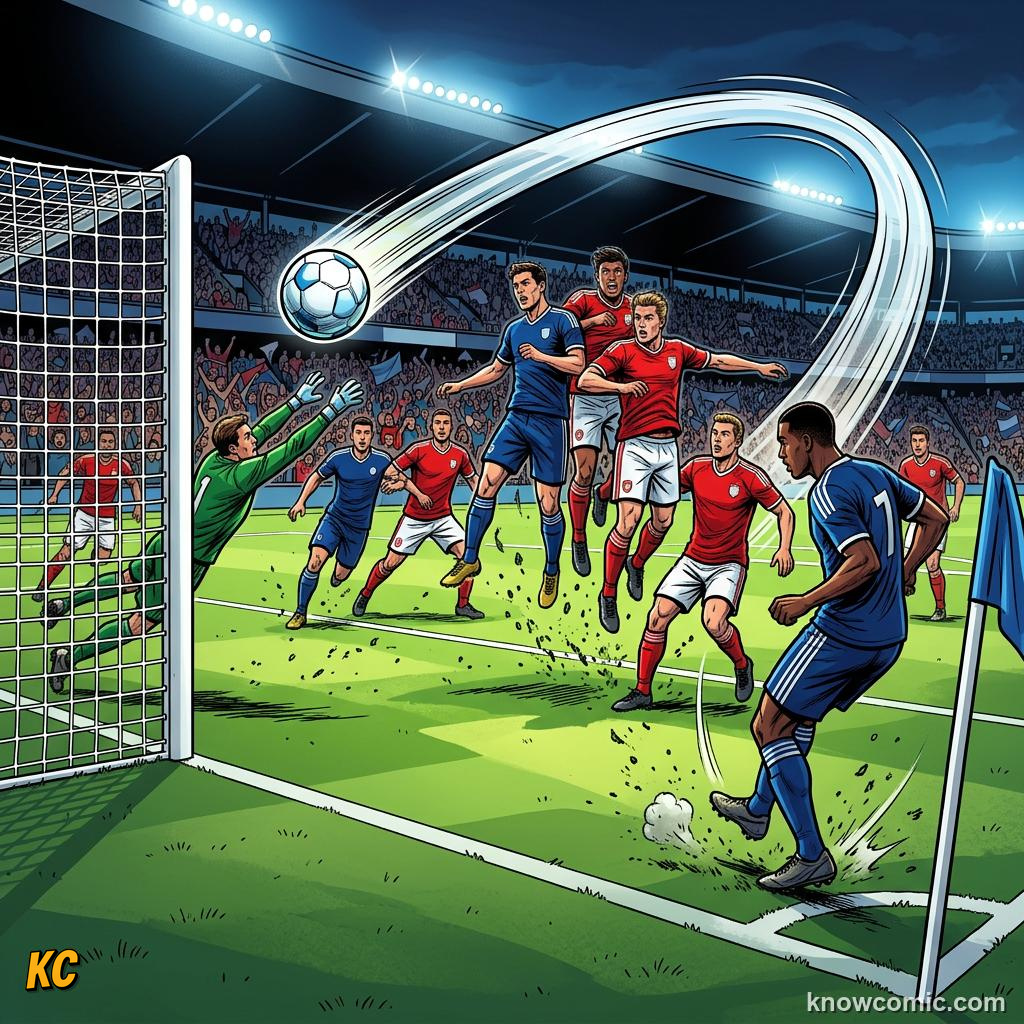
🚩 Taken from the corner arc
🎯 Last touch was by a defender
🎯 Last touch was by a defender
PAGE 3 OF 5, THE MIDDLE OF EVERYTHING
HALFWAY LINE
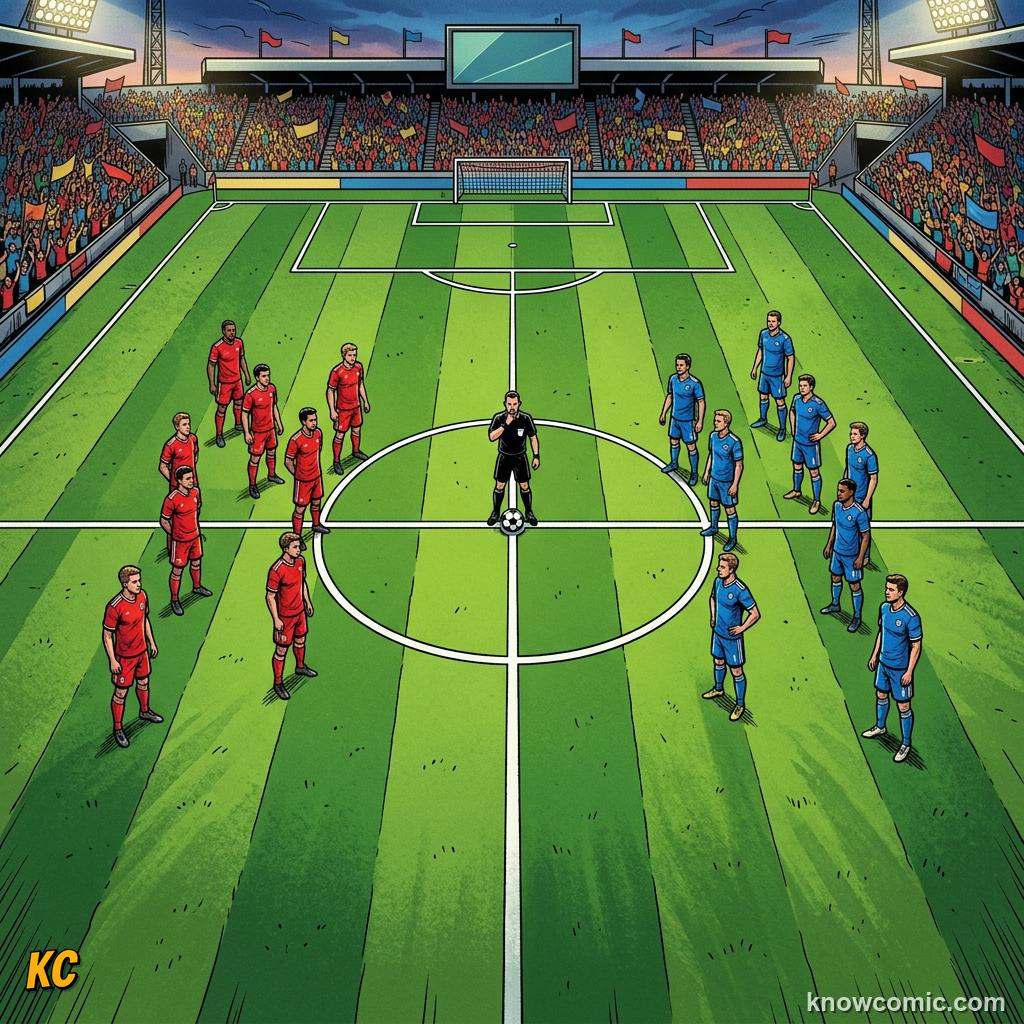
↔️ Splits attack and defence halves
🚫 Players stay in their half at kick-off
🚫 Players stay in their half at kick-off
CENTRE SPOT

⚪ Tiny dot at exact pitch centre
🦶 Kick-off and restarts begin here
🦶 Kick-off and restarts begin here
CENTRE CIRCLE
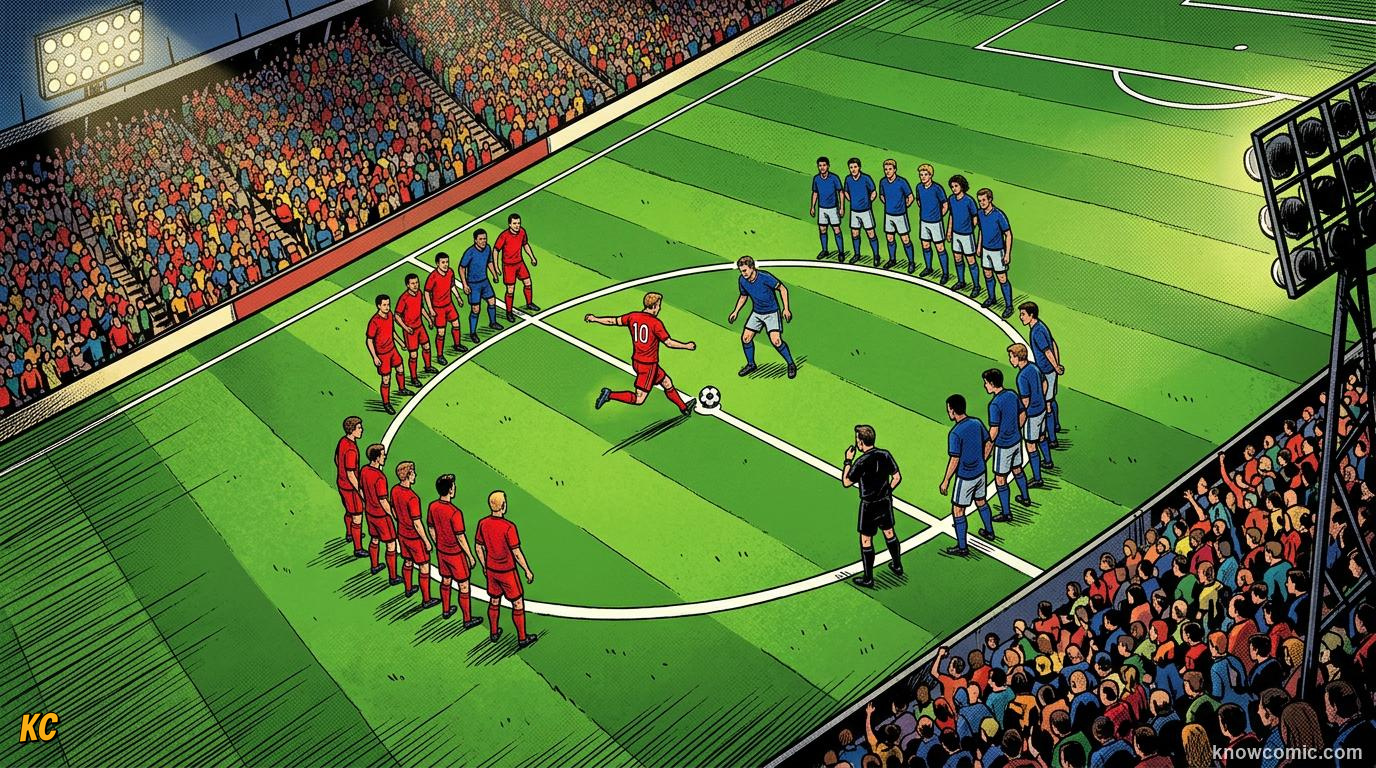
THE BIG CIRCLE IN THE MIDDLE
The centre circle is a perfect ring with a nine-metre radius around the centre spot, and it exists for one special moment: kick-off. When a match starts or restarts after a goal, the ball sits on the centre spot and only the kicker may be inside the circle until the ball moves. Everyone else waits outside like runners at a starting line. That is why you always see players lined up around the circle at the beginning of World Cup matches, and why the stadium holds its breath for that first touch.
⚡ KICK-OFF RULE
At kick-off, every player must be in their own half of the pitch. The team that did not score gets to start after a goal, keeping the game fair.
START!
PAGE 4 OF 5, THE DANGER ZONES
PENALTY AREA
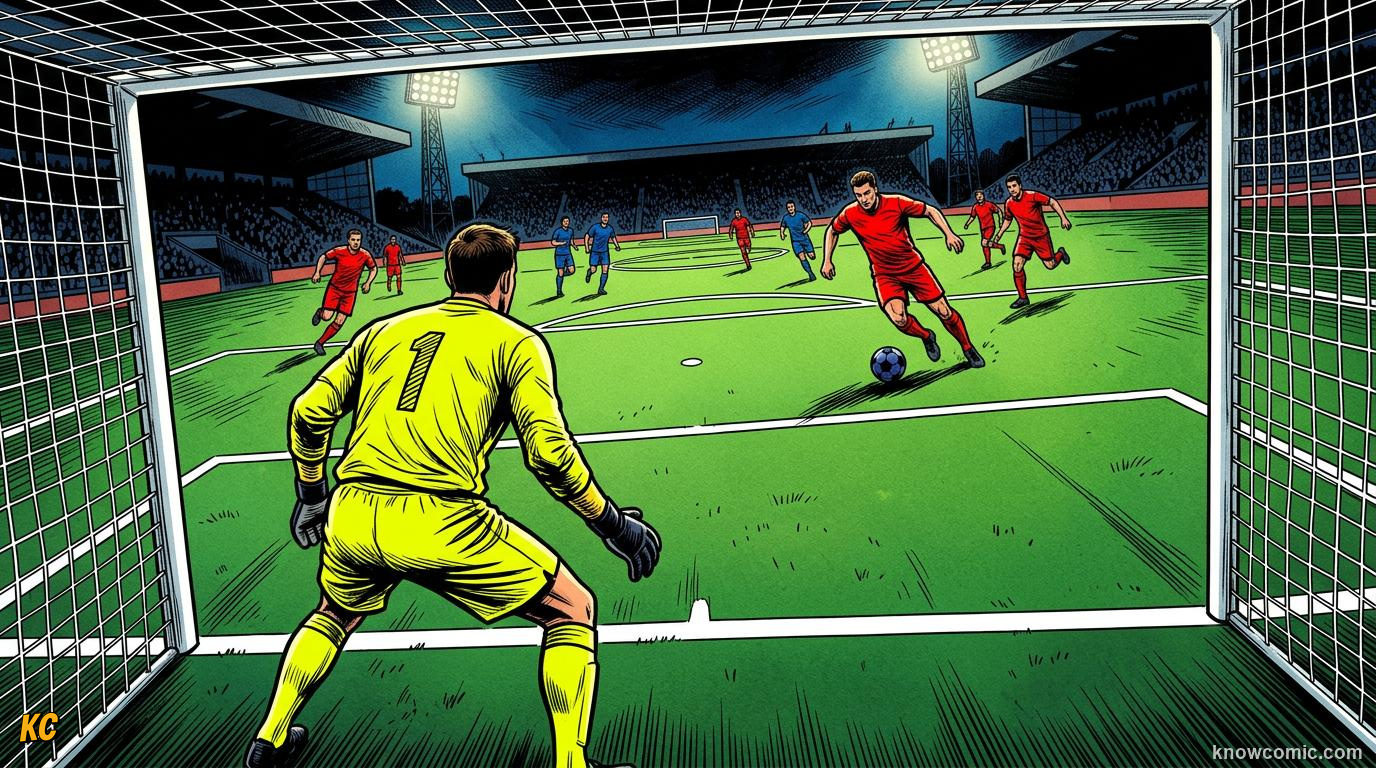
THE BIG BOX NEAR THE GOAL
The penalty area, often called the eighteen-yard box, is the large rectangle stretching 16.5 metres from each goal post and 16.5 metres into the pitch. Inside this box, the goalkeeper may use hands, and any foul by a defender can become a penalty kick from the penalty spot. Nested inside is the smaller goal area, the six-yard box, which marks where goal kicks are taken and gives the keeper a safe zone. Twelve metres from the goal line sits the penalty spot, a single white dot where the most nerve-shredding moments in football happen.
DANGER!
GOAL AREA
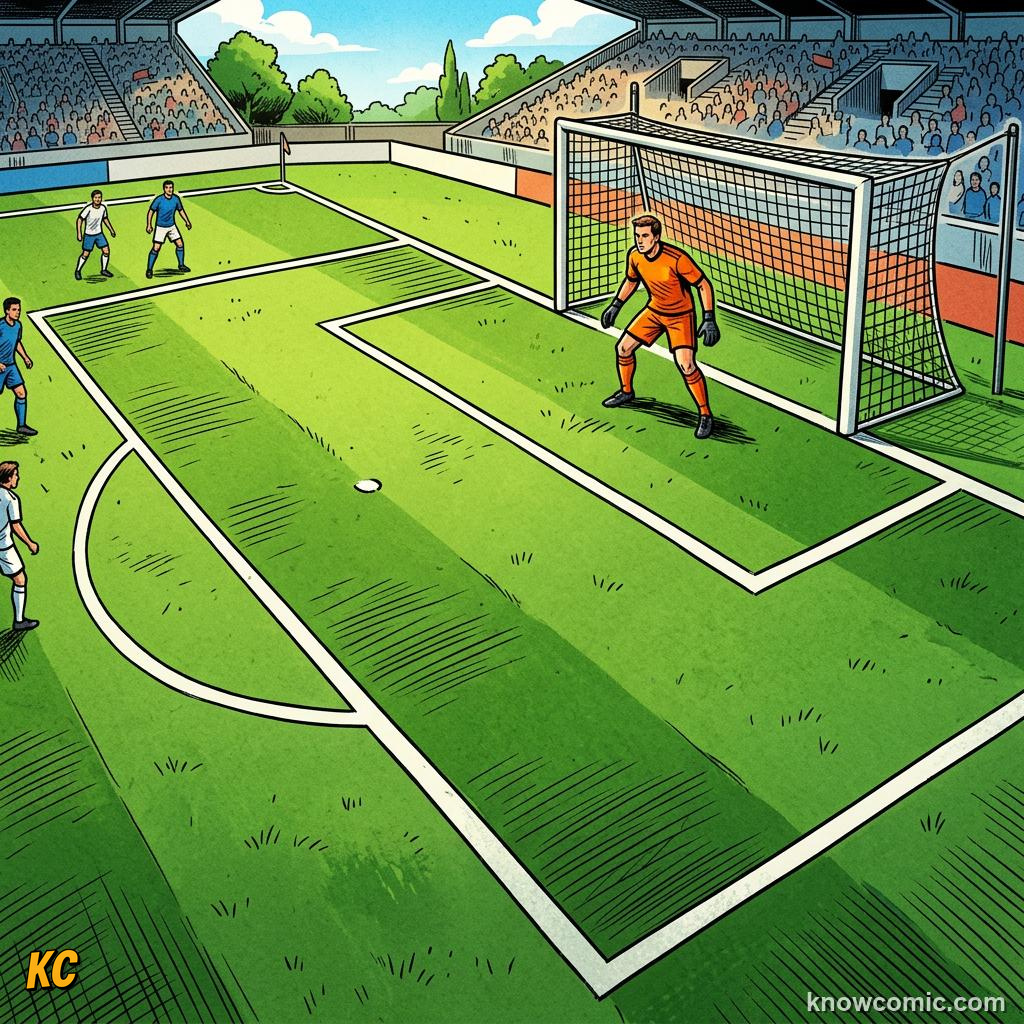
📦 Smaller box inside the big one
🧤 Goal kicks start from here
🧤 Goal kicks start from here
PENALTY SPOT
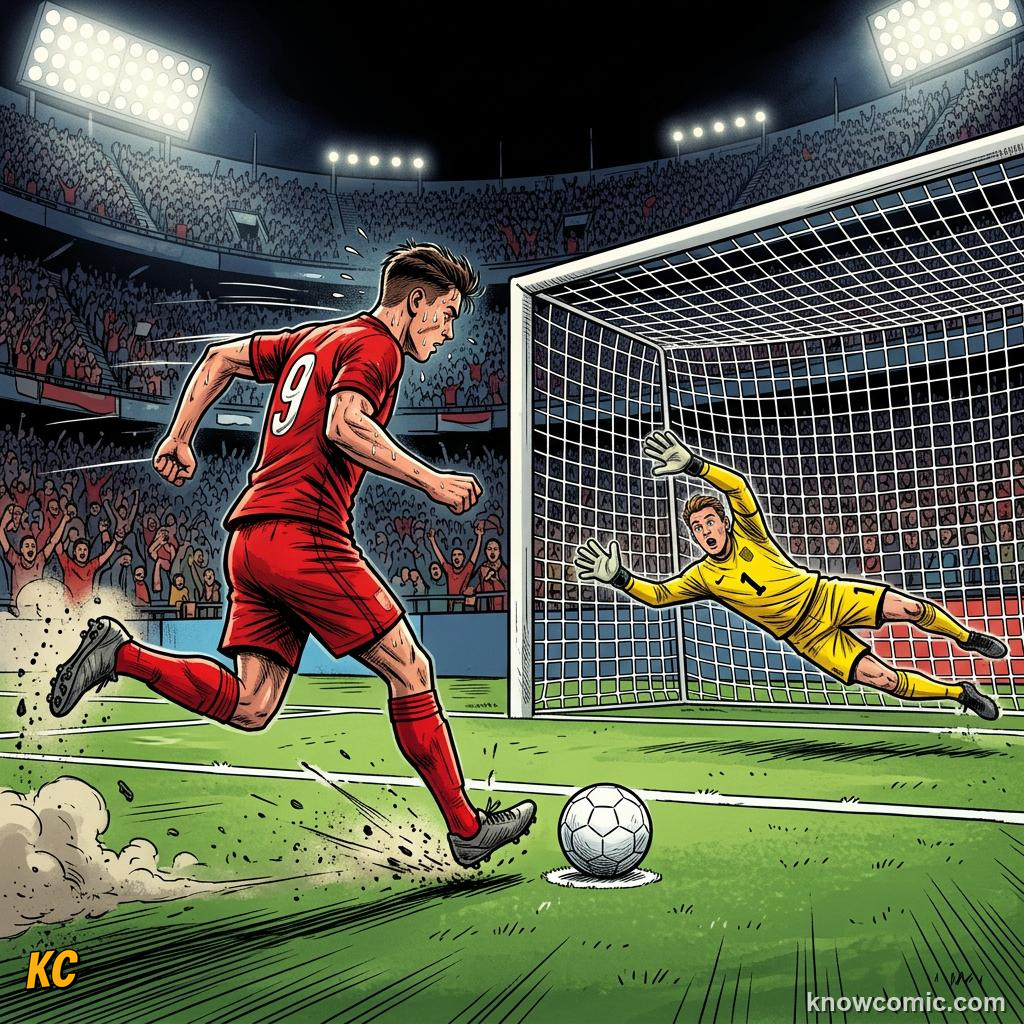
⚪ 11 metres from the goal line
🎯 One shooter vs one keeper
🎯 One shooter vs one keeper
PENALTY ARC
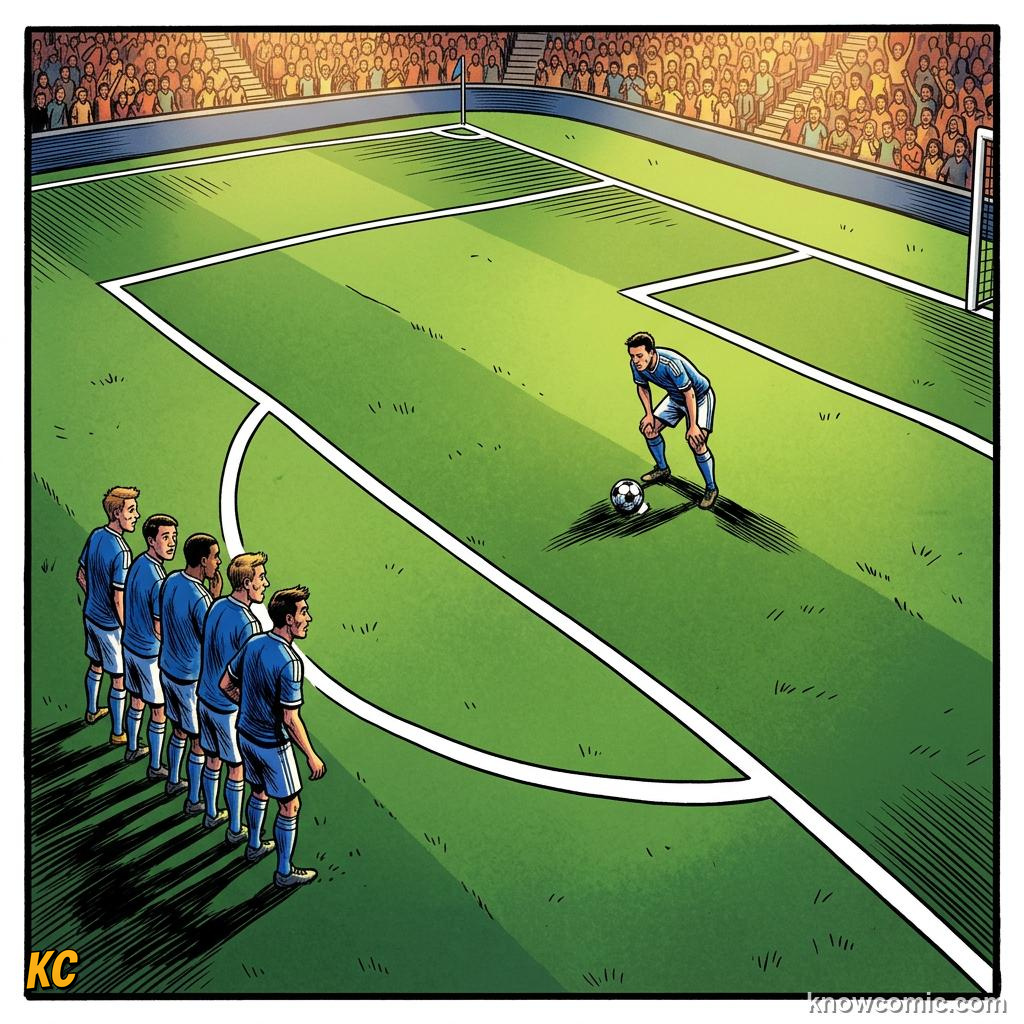
🌙 D-shaped arc outside the box
🚶 Others must stay behind this line
🚶 Others must stay behind this line
PAGE 5 OF 5, CORNERS & SECRETS
READ THE PITCH
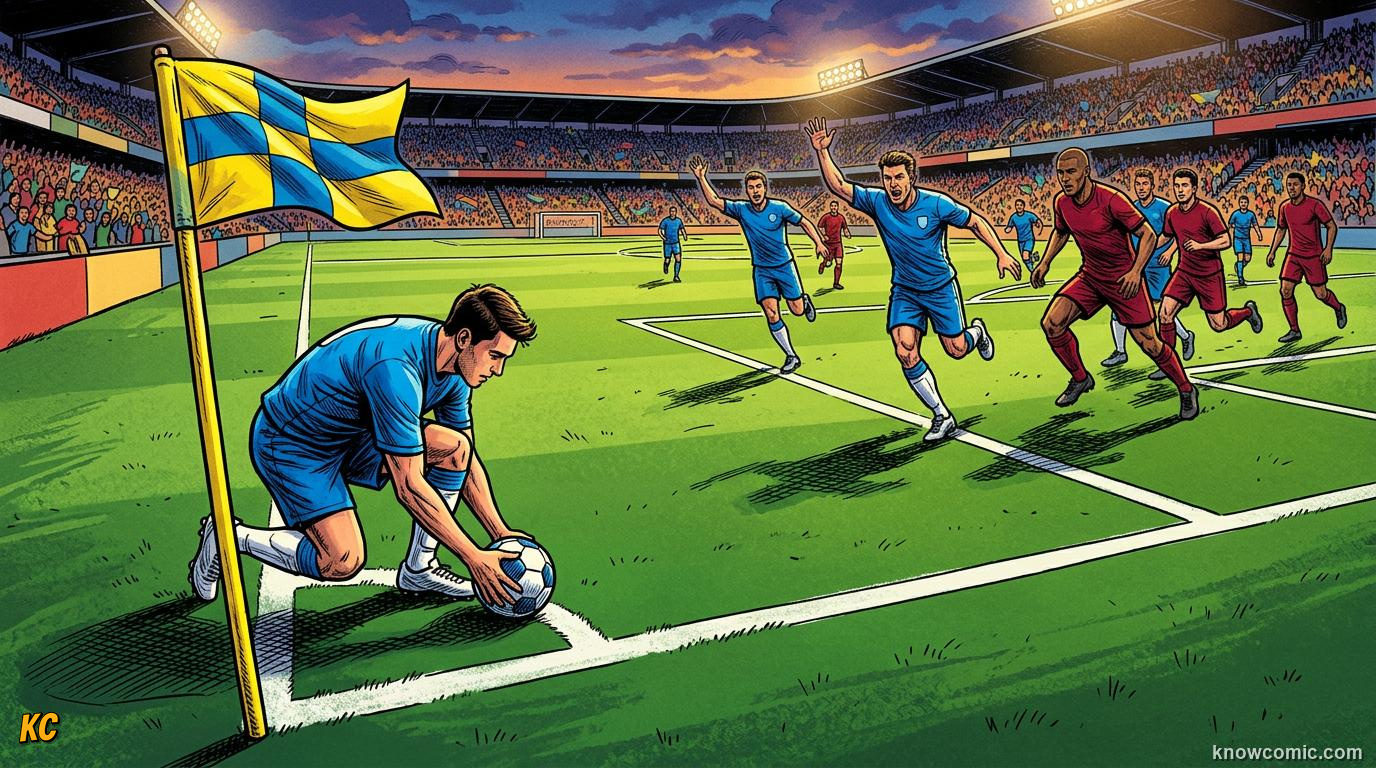
EVERY MARKING TELLS A STORY
The last pieces of the puzzle are the corner arcs, tiny quarter-circles where corner flags stand and corner kicks are placed. The D-shaped penalty arc sits just outside the box so other players stay ten metres from the spot during a penalty. Even the goal itself has exact sizes: posts 2.44 metres high and 7.32 metres apart. Once you can read all these lines, watching a World Cup match becomes like reading a map. You will know why play stopped, where the restart happens, and why the referee points to a exact spot on the grass.
⚡ WORLD CUP GRASS
World Cup pitches use real grass cut to exactly 22 to 25 millimetres high, with lines painted using special white paint that does not harm the turf. Groundskeepers work through the night to keep them perfect!
MAP IT!
CORNER ARC
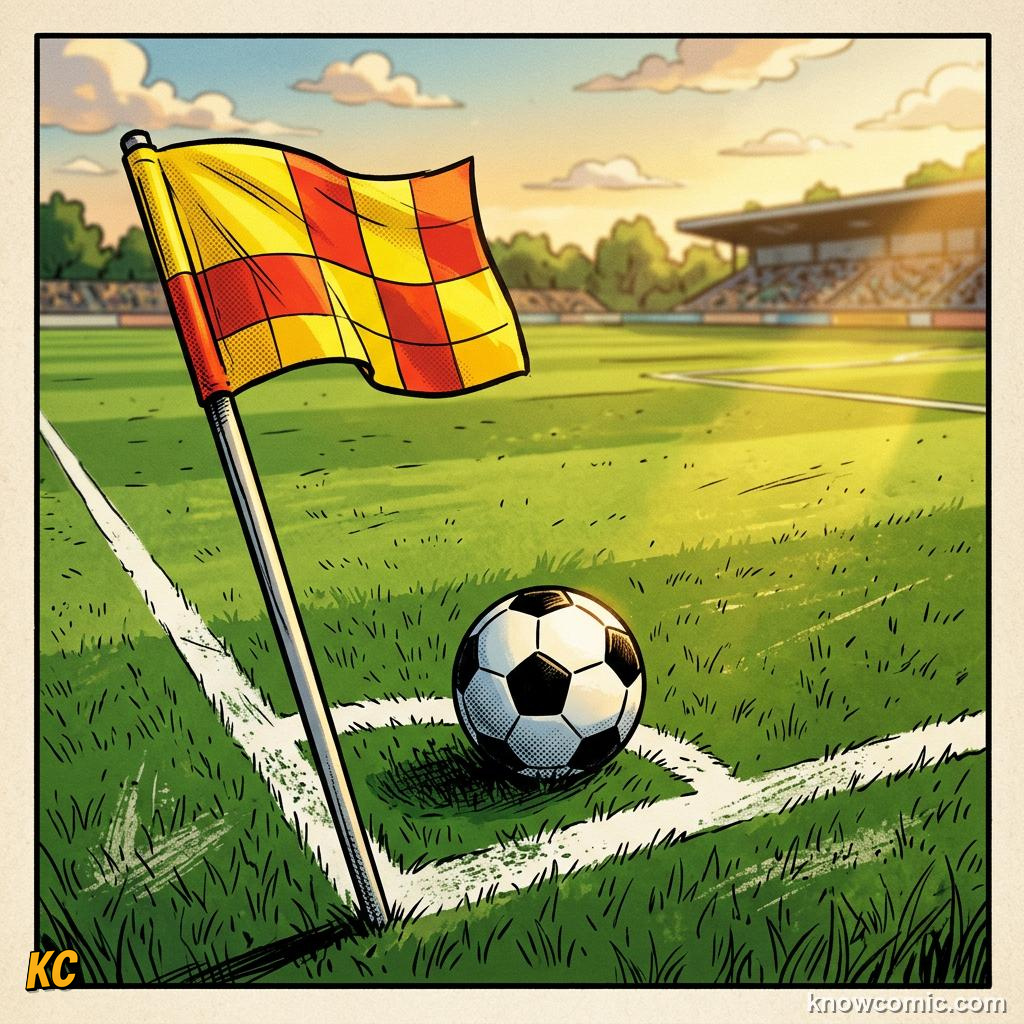
🚩 One-metre arc at each corner
⚽ Corner kicks placed inside it
⚽ Corner kicks placed inside it
REMEMBER
📐 KEY FACTS
Touchlines are the long sides, goal lines are behind the nets, the centre circle controls kick-off, the penalty area is where keepers use hands and fouls become penalties, and corner arcs mark where corners are taken.
📏 Standard pitch: about 105 m long
⭕ Centre circle radius: 9 metres
⚪ Penalty spot: 11 m from goal
⭕ Centre circle radius: 9 metres
⚪ Penalty spot: 11 m from goal
🧠 QUIZ TIME!
THE PITCH · 5 QUESTIONS
QUESTION 01
What are the long sides of the pitch called?
QUESTION 02
Why does the centre circle exist?
QUESTION 03
Where is the goalkeeper allowed to use their hands?
QUESTION 04
How far is the penalty spot from the goal line?
QUESTION 05
When is a corner kick awarded?
0/5
LOADING...