💰 THE MONEY GAME
PAGE 1 OF 5 · FOLLOW THE MONEY
BIG BUSINESS
WHY MONEY MATTERS
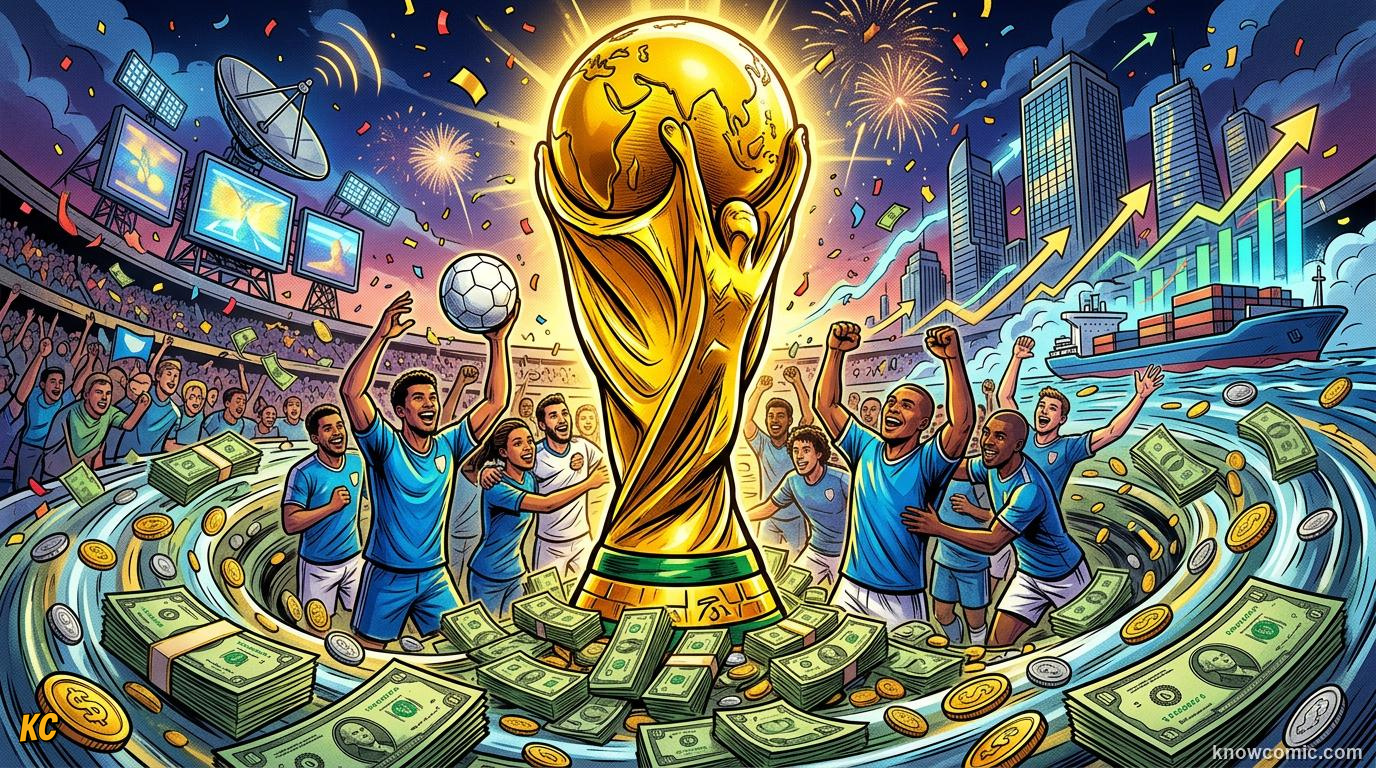
Football looks like sport on TV, but the World Cup is also one of the biggest money machines on Earth. Billions of dollars flow through prize pools, TV rights, ticket sales, sponsorship deals, and tourism before a single goal is scored. FIFA, the world governing body, collects income from broadcasters who pay huge fees to show matches in every country. Sponsors like soft drink brands, car companies, and airlines plaster logos on boards around the pitch. Host nations spend fortunes building stadiums, upgrading airports, and preparing cities for millions of visitors. Players dream of glory, but nations also chase the economic boost that comes when the world watches their streets on screen. World Cup 2026 will be the largest edition ever, with 48 teams across the United States, Canada, and Mexico. More matches mean more tickets, more hotel bookings, and more advertising slots. Understanding the money helps you see why countries fight so hard to host, why ticket prices shock fans, and why a golden trophy represents both sporting pride and serious cash.
⚡ DID YOU KNOW?
FIFA's World Cup prize fund has grown every tournament. The winning team in recent editions has received tens of millions of dollars to split among players and staff.
CASH!
TV
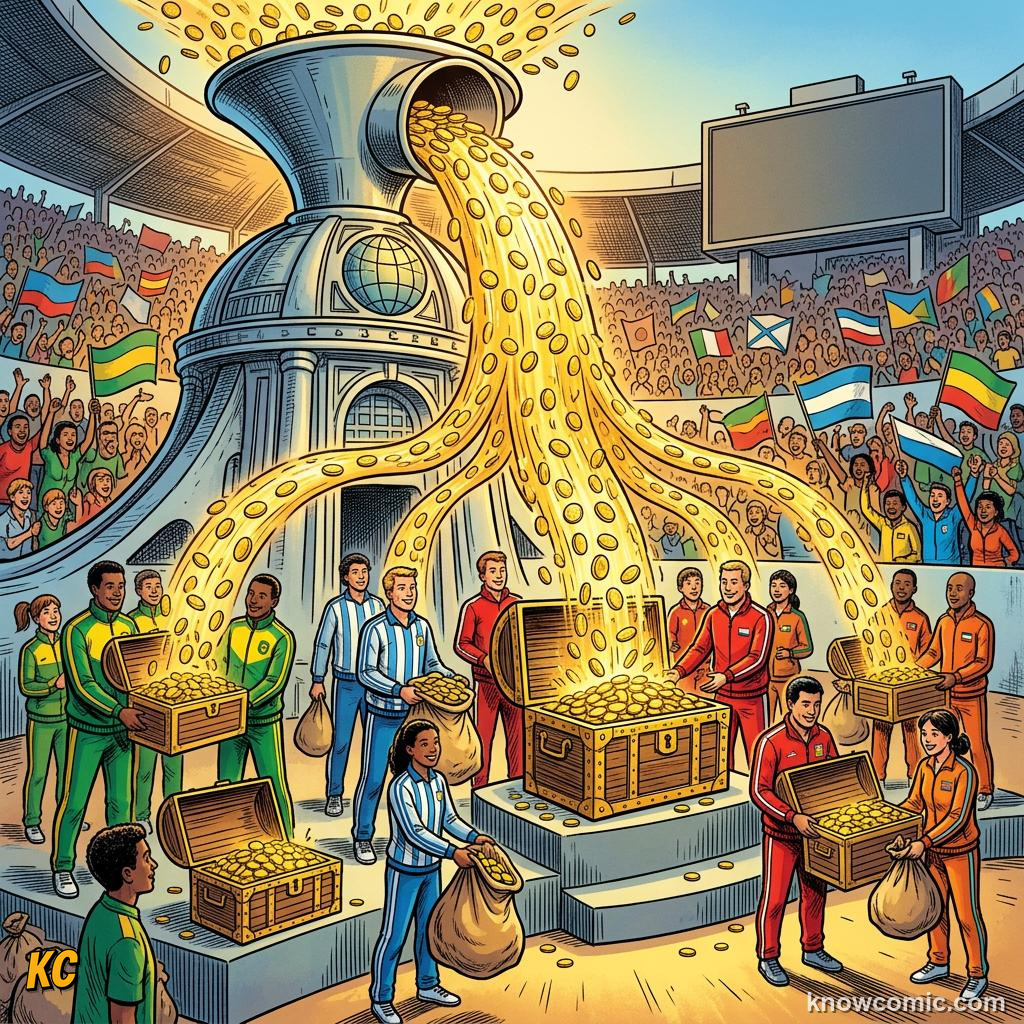
📺 Broadcast rights fund FIFA
🌍 Every continent watches live
🌍 Every continent watches live
BRANDS
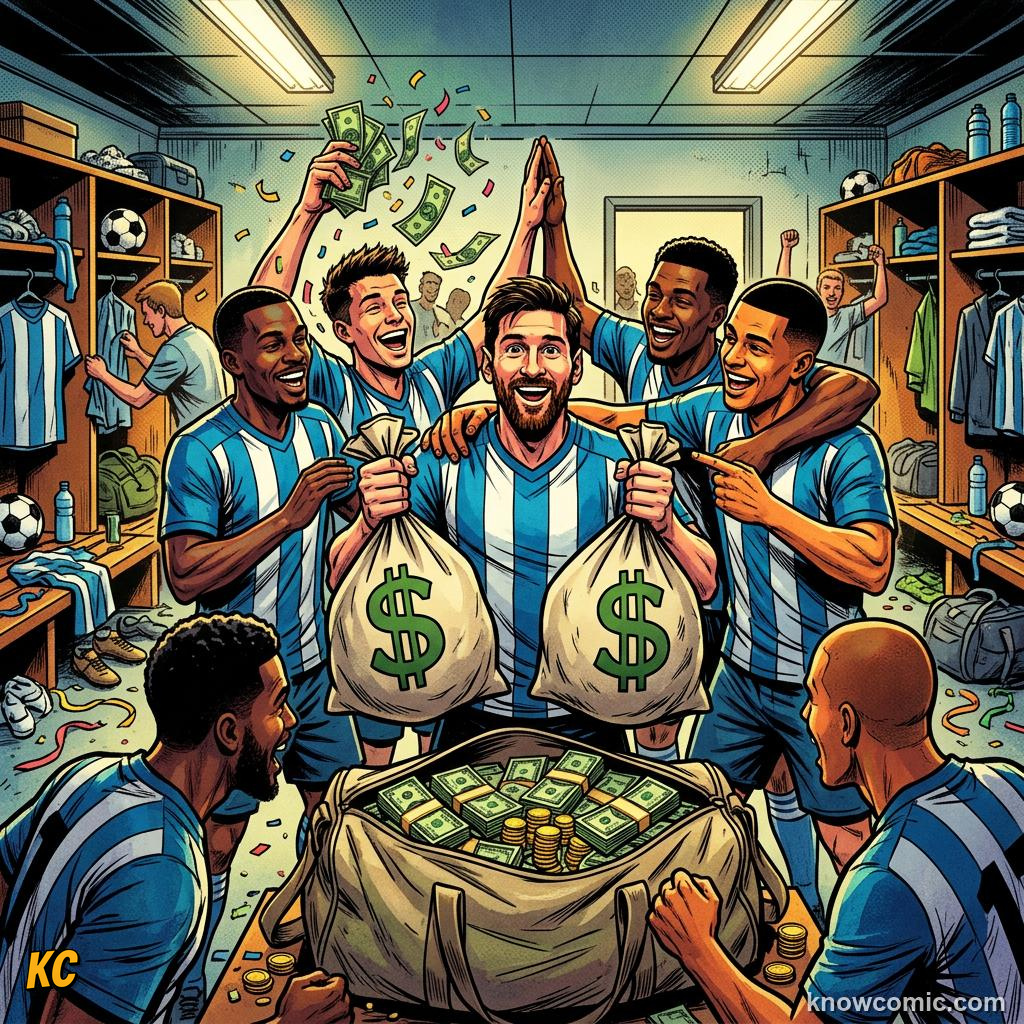
🏷️ Logos circle every pitch
💼 Companies pay for global eyes
💼 Companies pay for global eyes