🙋 VOLUNTEERS & BALL KIDS
PAGE 1 OF 5 · THE HELPER ARMY
UNSUNG STARS
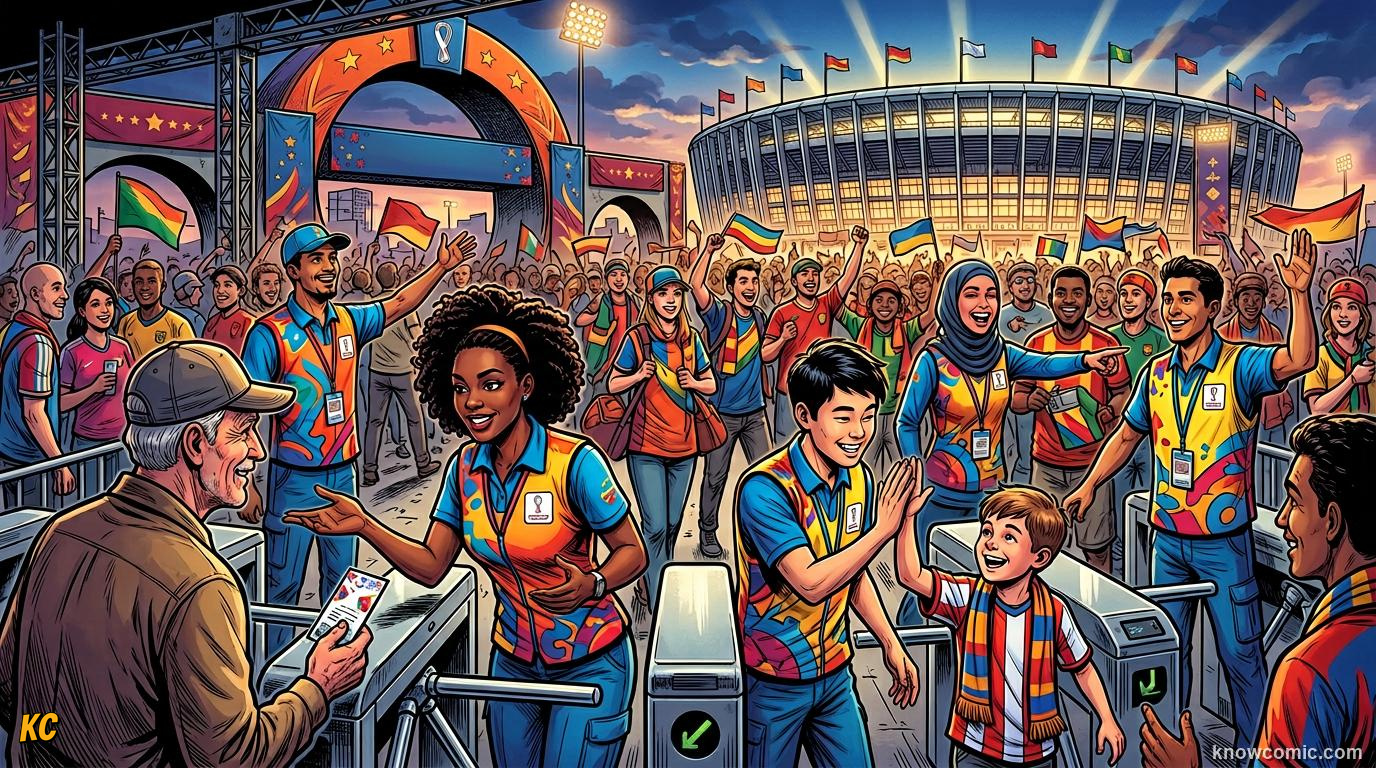
WHO KEEPS THE CUP RUNNING?
Stars grab headlines, but volunteers and ball kids form the friendly backbone of every World Cup. Thousands of people donate their time to guide lost fans, translate questions, hand out programs, and smile through long shifts in summer heat. They wear official uniforms and represent host cities to the world. Many are students, retirees, or football lovers who applied online months earlier, writing essays about why they want to help. Ball kids are young players selected for speed, focus, and fair play. They crouch beside the pitch with spare balls, sprinting the moment a shot flies into the advertising boards. One sharp pass back to the referee keeps the game flowing. World Cup 2026 will need more helpers than ever across three countries and dozens of stadiums. Volunteers rarely get paid, but they gain stories worth telling forever: shaking hands in the tunnel, watching legends warm up meters away, or helping a nervous family find their seats. The tournament feels magical because ordinary people choose to serve an extraordinary event.
⚡ DID YOU KNOW?
Major tournaments recruit tens of thousands of volunteers. Each host city runs its own training sessions so helpers know stadium layouts and emergency procedures.
HELP!
VOLUNTEERS
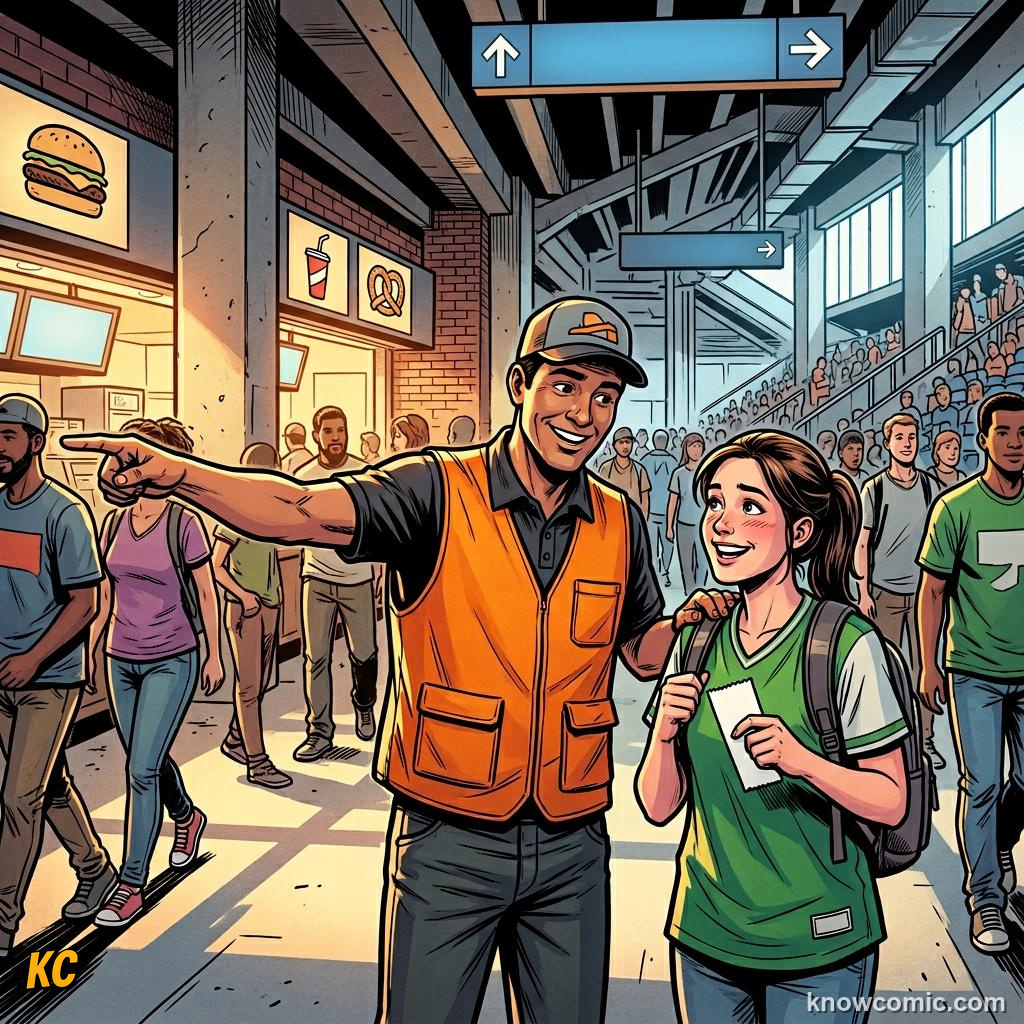
🌍 Locals welcome the world
🗣️ Many speak several languages
🗣️ Many speak several languages
BALL KIDS

⚽ Quick feet beside the pitch
👀 Best seat in the house
👀 Best seat in the house