🌎 HOW THE WORLD PLAYS
PAGE 1 OF 5 · STYLE IS CULTURE
GLOBAL GAME
ONE SPORT, MANY VOICES
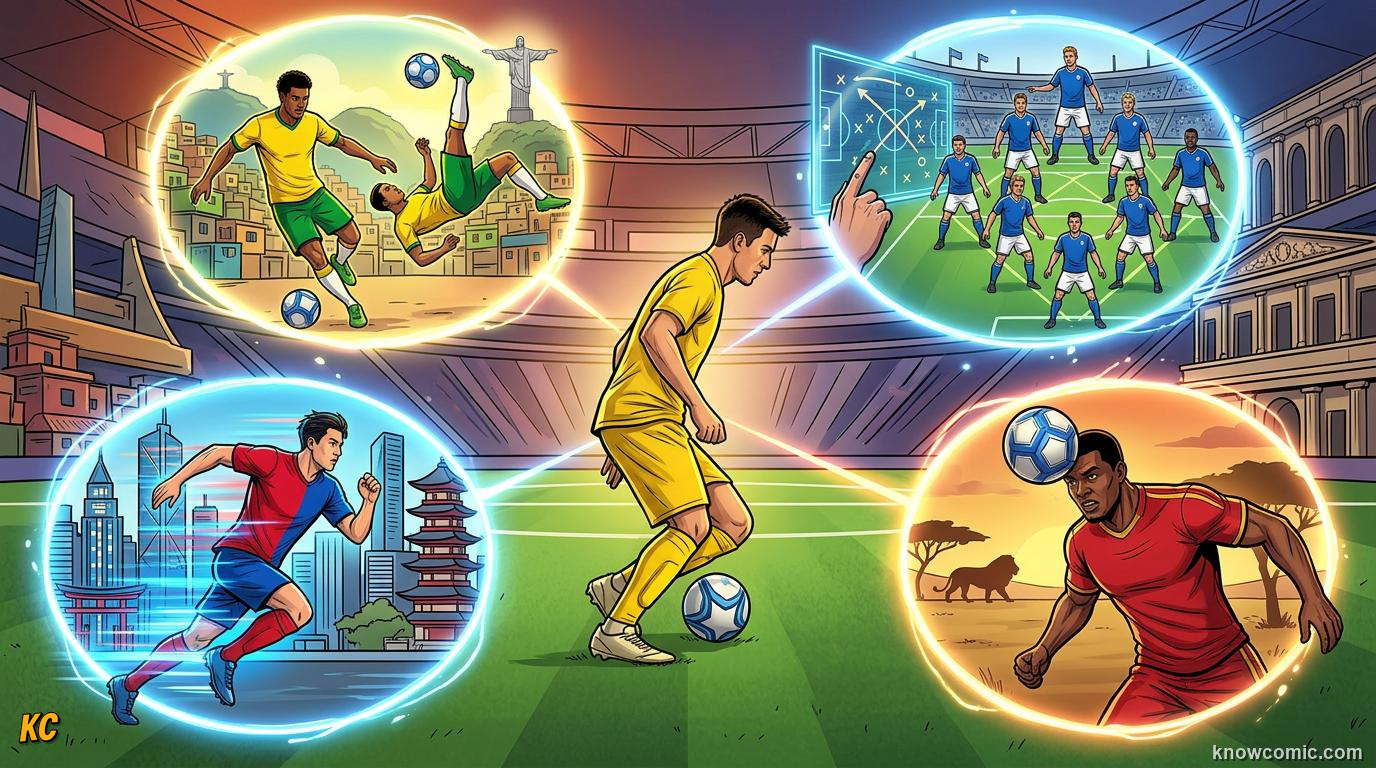
The rules of football are the same everywhere, but the way teams play feels different on every continent. Climate, history, coaching ideas, and street games shape national styles long before players reach the World Cup. A rainy city might produce quick passing on slick grass, while hot countries train short bursts of speed with clever rest breaks. Colonial ties, migration, and club football spread tactics across borders so modern teams blend old identities with new ideas. Watch Brazil and you expect dribbles and joy. Watch Italy and you prepare for organized defending. Watch Morocco and you notice fearless pressing born from desert academies and European leagues. These stereotypes simplify rich stories, yet they help fans read matches like detectives spotting patterns. World Cup 2026 will showcase forty-eight nations, many mixing homegrown talent with players raised in foreign leagues. Style is not fixed forever. It evolves with each generation, but roots remain visible in first touches, celebration dances, and the courage to shoot from distance. Football is a world language spoken with local accents.
⚡ DID YOU KNOW?
Many national styles grew from street football and small-sided games kids play locally, long before players join professional academies.
STYLE!
ROOTS
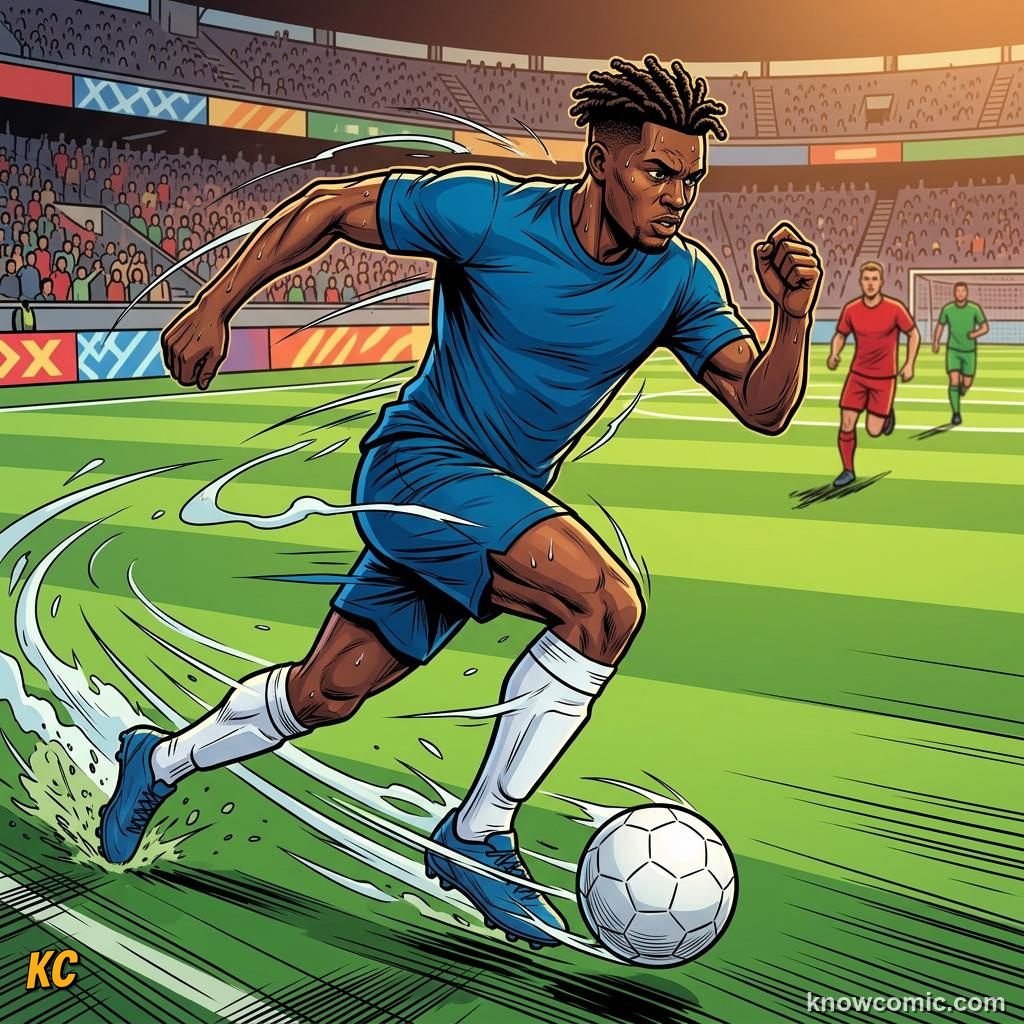
🏘️ Street games teach creativity
☀️ Weather shapes training habits
☀️ Weather shapes training habits
MIX
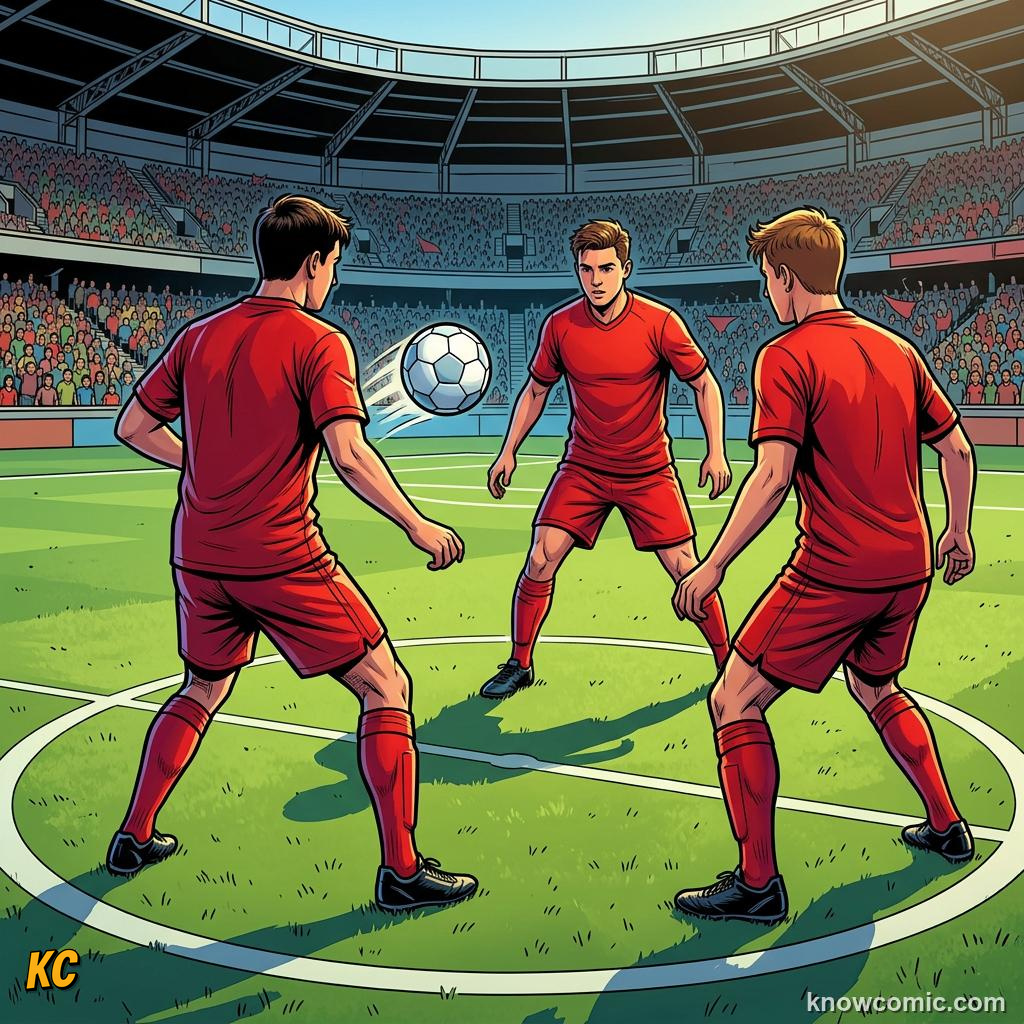
✈️ Club football spreads new tactics
🔄 World Cup teams blend ideas
🔄 World Cup teams blend ideas