🏙️ STREET FOOTBALL & FUTSAL
PAGE 1 OF 5 · THE STREET GAME
ANYWHERE PITCH
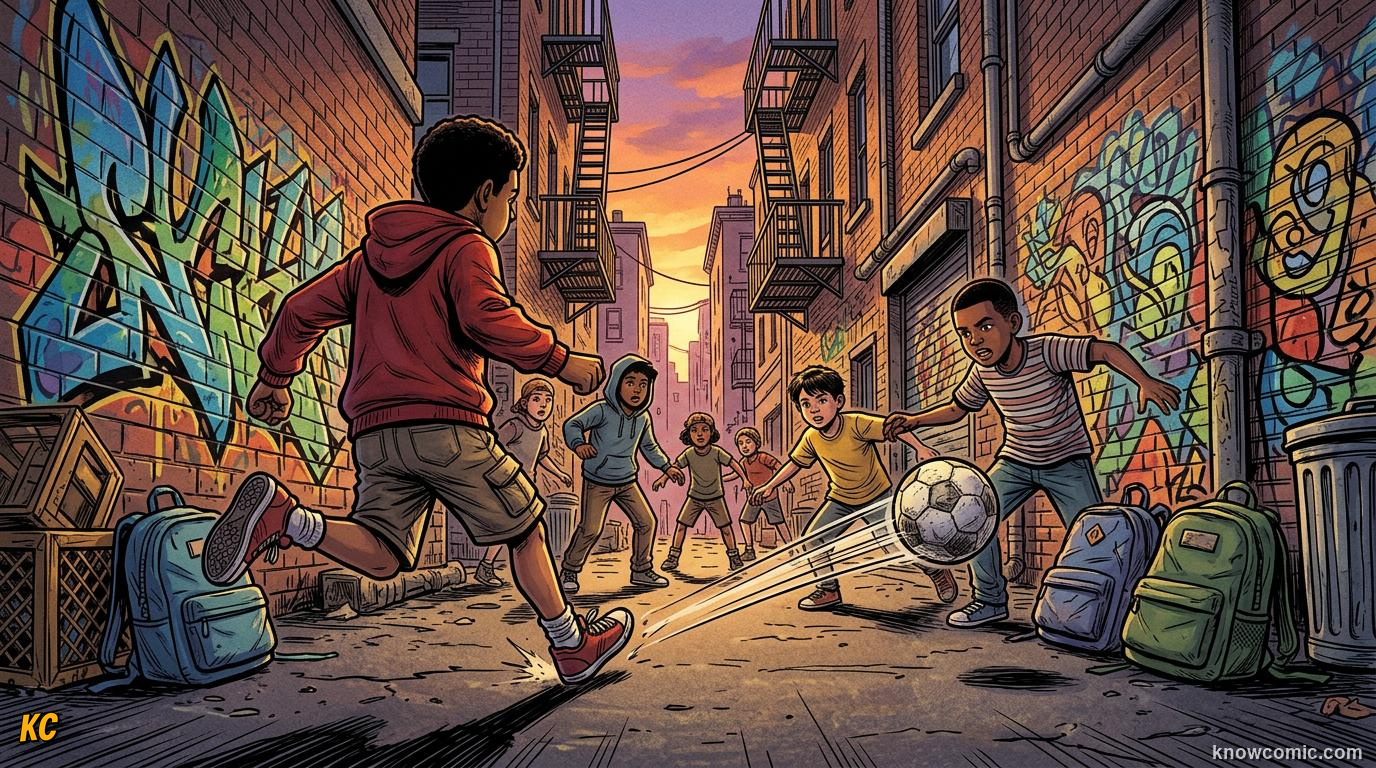
FOOTBALL WITHOUT STADIUMS
Long before giant World Cup arenas existed, kids played football wherever they could find flat ground. A dusty alley, a schoolyard after class, or a patch of grass between apartment blocks became a pitch. Two backpacks mark the goals, and the rules change every five minutes: no tackling on concrete, three touches max, winner stays on. Street football has no coaches shouting from the sideline, so players invent tricks to survive. They learn to shield the ball against older teenagers, nutmeg defenders in tight spaces, and celebrate with dances that make friends laugh. Many World Cup heroes grew up this way, turning boredom into brilliance with exactly one worn ball. Poverty did not stop them; creativity did the work. Street games teach improvisation: if the ball hits a parked car, play on. If a window opens, whisper sorry and keep moving. The culture values flair over perfect passing drills. When those kids finally step onto professional grass, they carry a playground imagination that defenders struggle to predict. World Cup 2026 will showcase players whose first trophies were neighborhood respect.
⚡ DID YOU KNOW?
Pelé learned skills playing barefoot with a sock stuffed with paper. Street creativity shaped one of football's greatest careers.
PLAY!
ALLEY
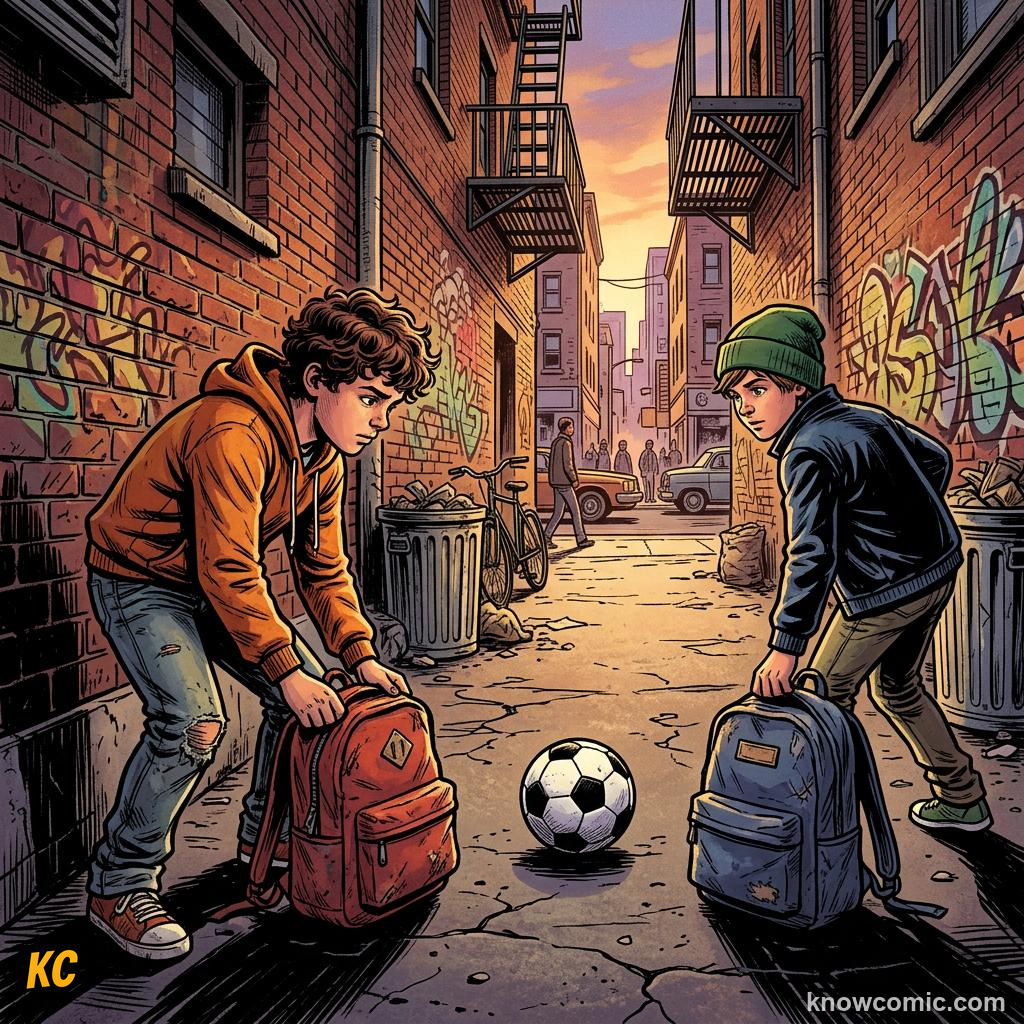
🎒 Backpacks become goalposts
🌆 Cities become playgrounds
🌆 Cities become playgrounds
RULES

✋ Hand signals settle disputes
⚡ Quick games, fast decisions
⚡ Quick games, fast decisions