👏 WHAT IS RHYTHM?
🥁 YOUR RHYTHM STARTER KIT
Music buddy, you do not need any instrument for this one. Your hands, your feet, and your own heartbeat are already a rhythm machine. Find a clear spot where clapping and stomping will not bother anyone downstairs.
- 👏 Two hands: for clapping the beat
- 👣 Two feet: for stomping and marching in place
- ⏱️ A clock or phone timer: to hear steady ticking (optional)
- 🧑🤝🧑 A partner: clapping games are more fun with a friend
- 🧠 Curious ears: ready to notice patterns in everyday sound
Time: about 15 minutes · No instrument needed · Works solo or with a friend
PAGE 1 OF 5 — THE BEAT INSIDE YOU
RHYTHM IS EVERYWHERE
A PATTERN YOU CAN FEEL
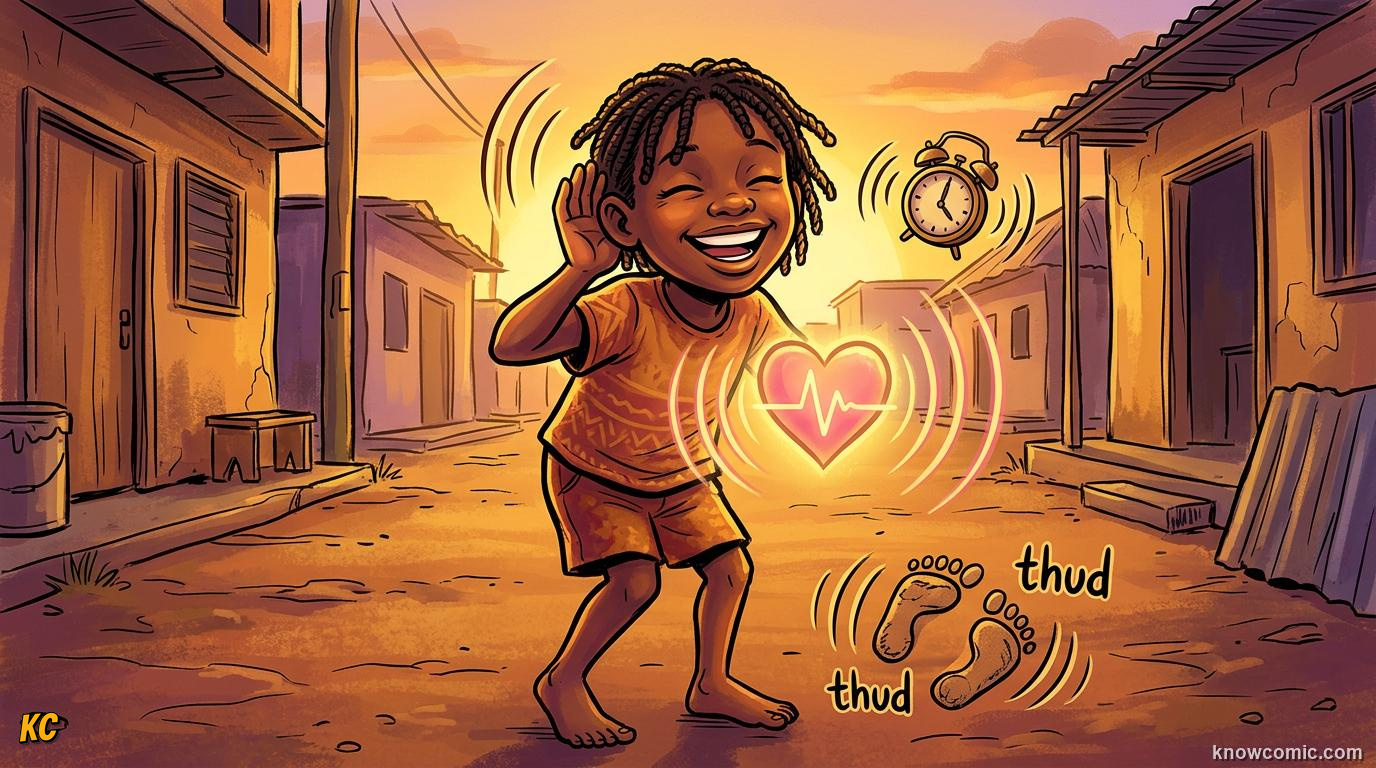
Rhythm is simply a pattern of sound and silence that repeats over time. You do not need a drum to find one: put two fingers on your wrist or neck and you can feel your own heartbeat thumping in a steady pattern right now. A ticking clock, dripping tap, or your footsteps walking down a hallway are all rhythms too. Musicians did not invent rhythm, they just noticed it was already hiding in nature and in our bodies, then borrowed it for songs. The word "rhythm" even comes from an old Greek word meaning "measured flow," which is a fancy way of saying "a pattern that keeps moving."
⚡ DID YOU KNOW?
A resting child's heart usually beats around 70 to 100 times a minute, a steady rhythm that never fully stops your whole life.
THUMP!
HEARTBEAT
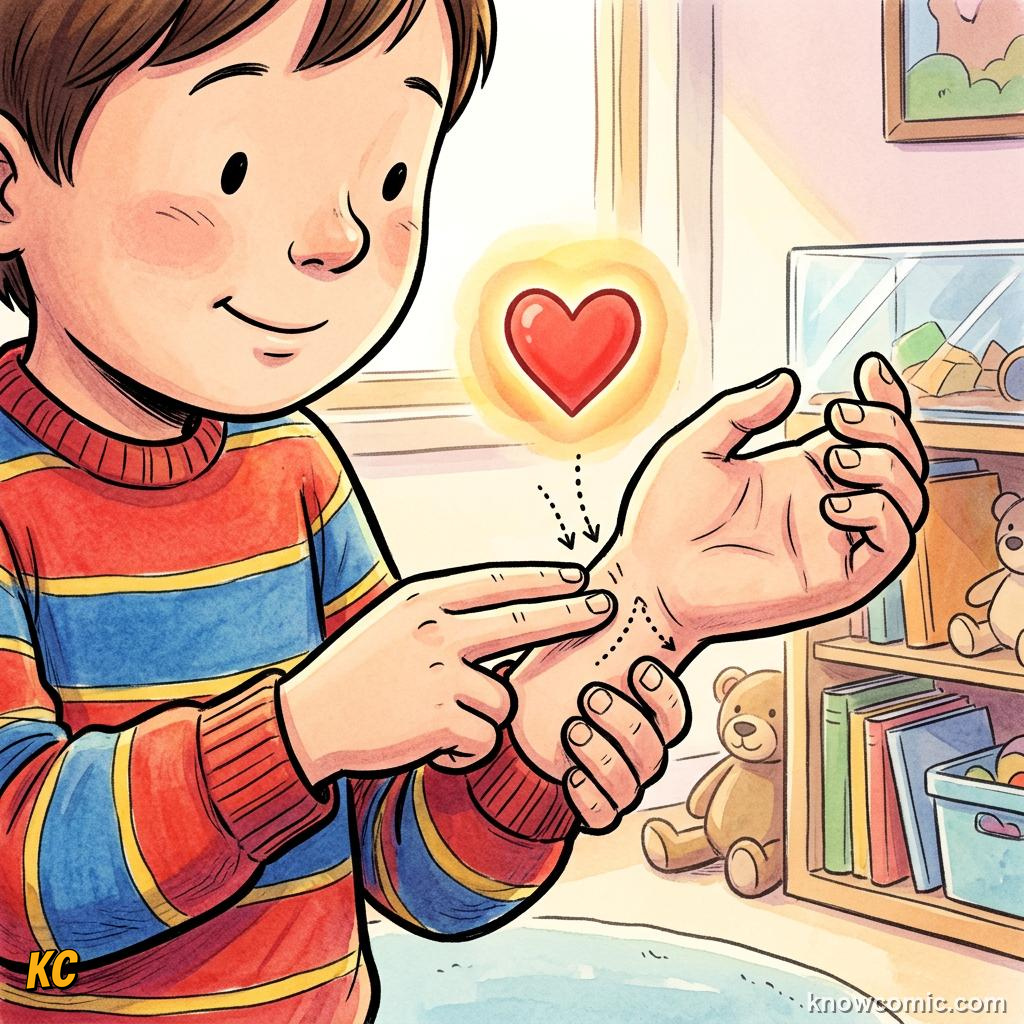
💓 Your heart keeps its own steady rhythm without you ever thinking about it.
CLOCK TICK
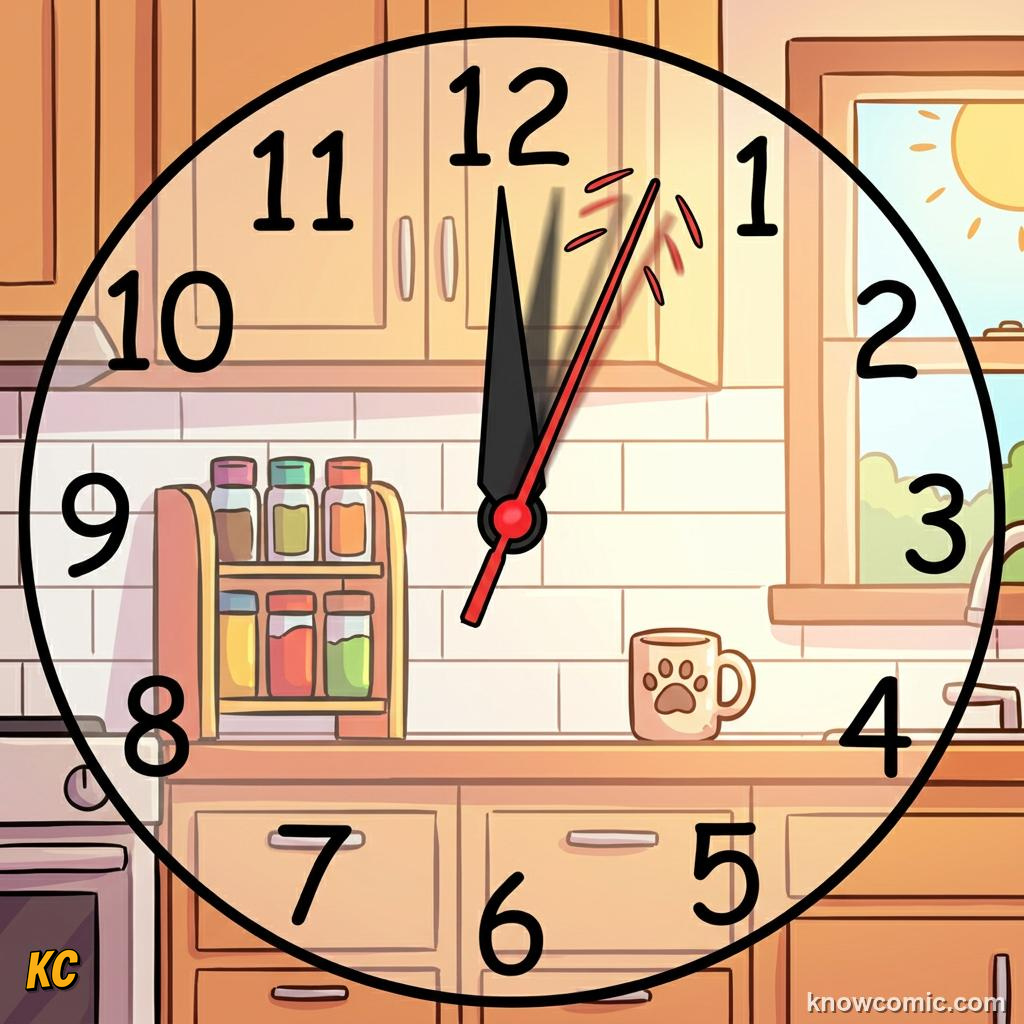
⏱️ A ticking clock repeats the exact same beat, tick after tick after tick.
PAGE 2 OF 5 — CLAPPING GAMES AROUND THE WORLD
A GAME EVERY KID KNOWS
FROM PLAYGROUNDS TO LIVING ROOMS
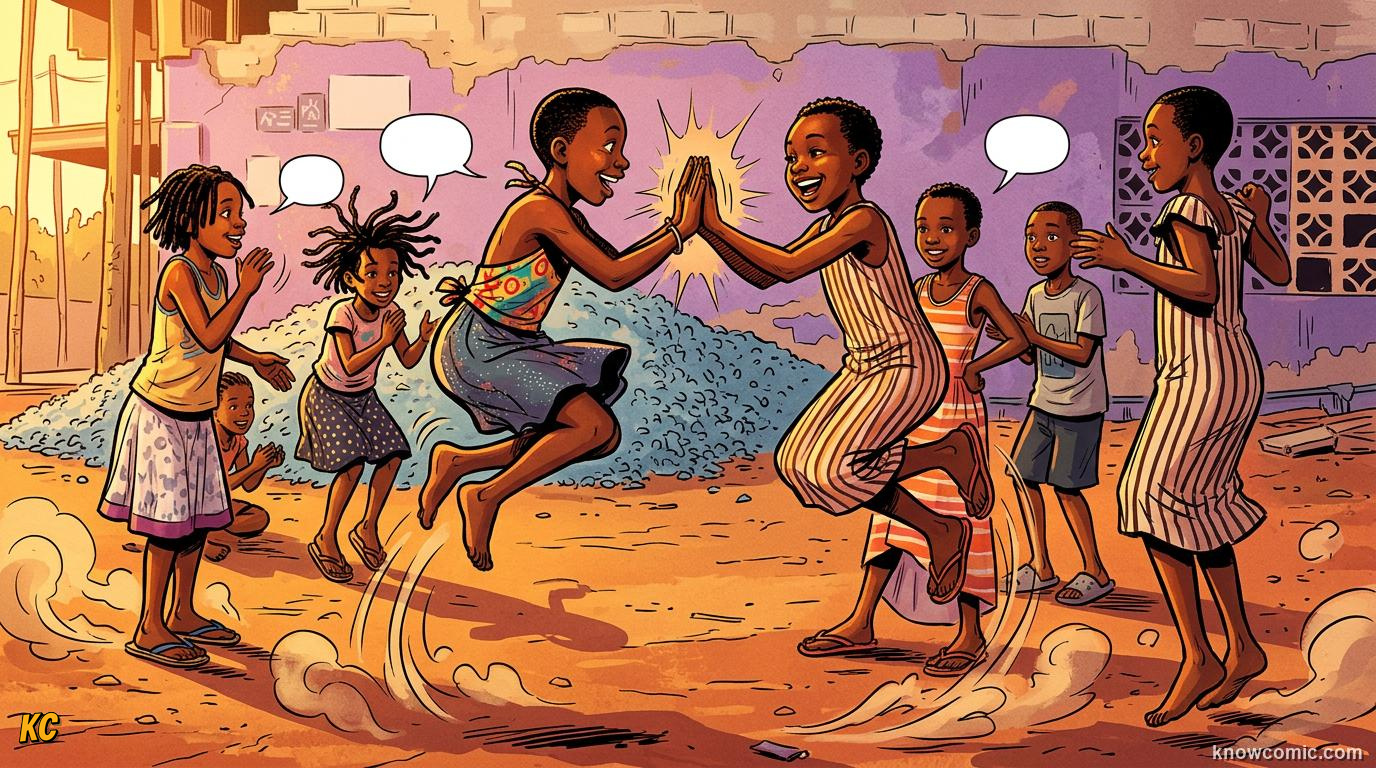
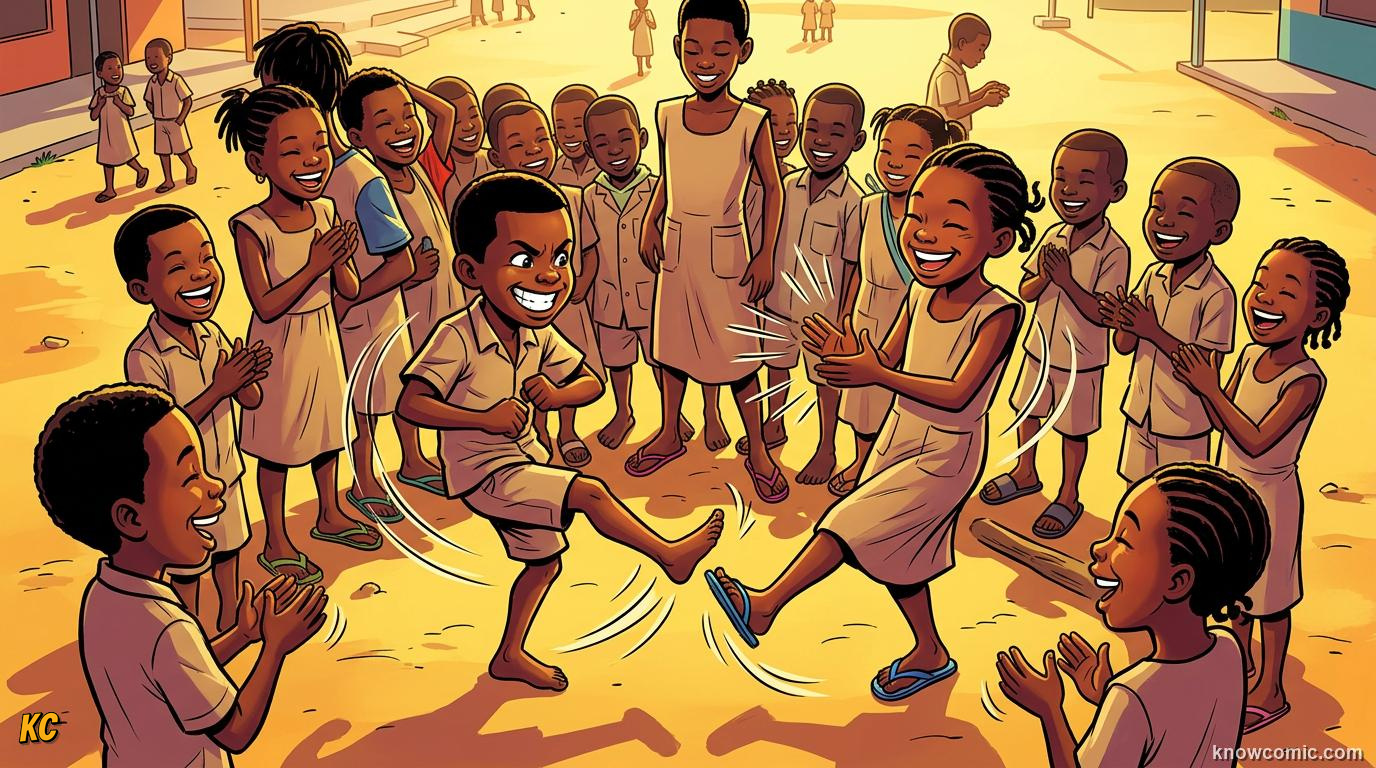
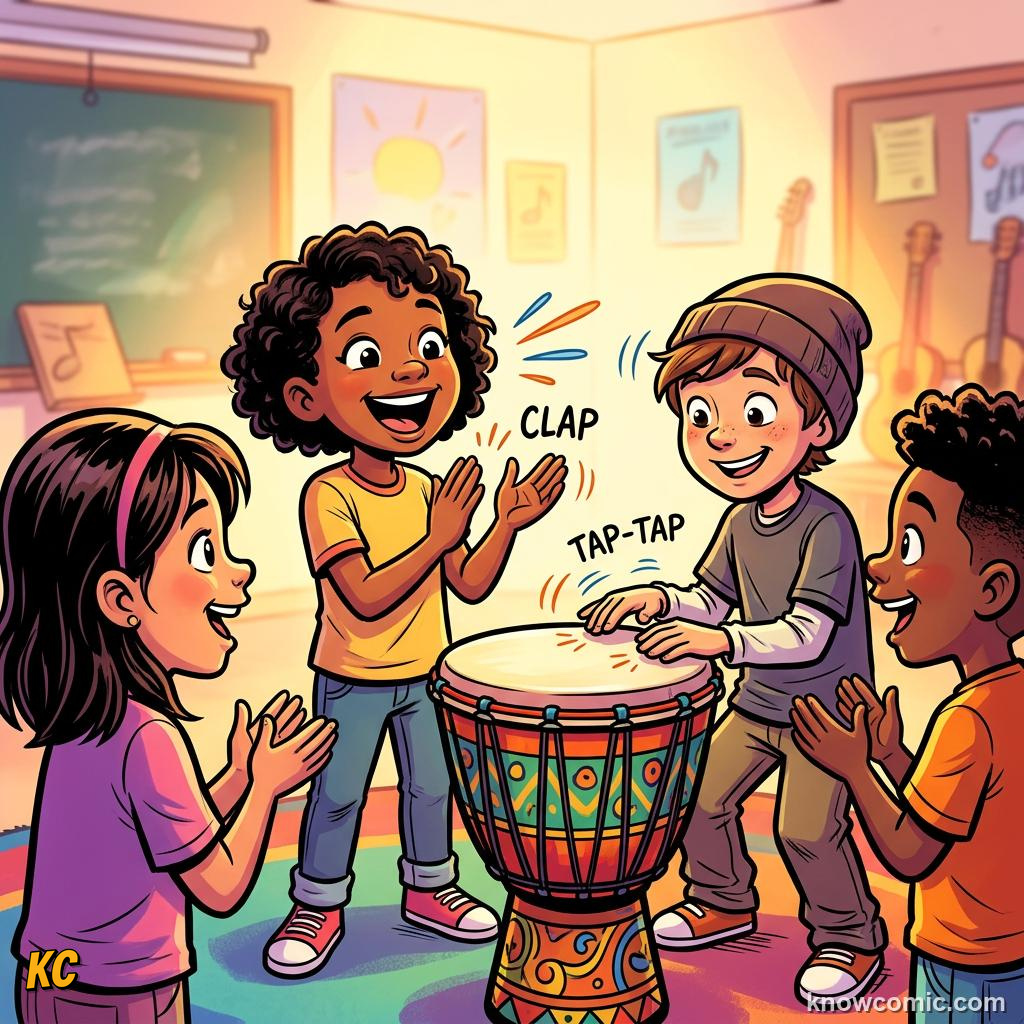
Almost every culture on Earth has its own clapping games, and they all run on the same idea: a steady beat that everyone shares. In Ghana, kids play a jumping and clapping game called Ampe, where two players clap and then kick a foot forward in time with the rhythm. In many countries kids play hand-slapping games where two people clap their own hands, then clap each other's hands, all on the beat. These games are not just fun, they secretly train your brain to feel a steady pulse and react to it instantly, which is exactly what musicians do when they play together.
CLAP!
TOGETHER
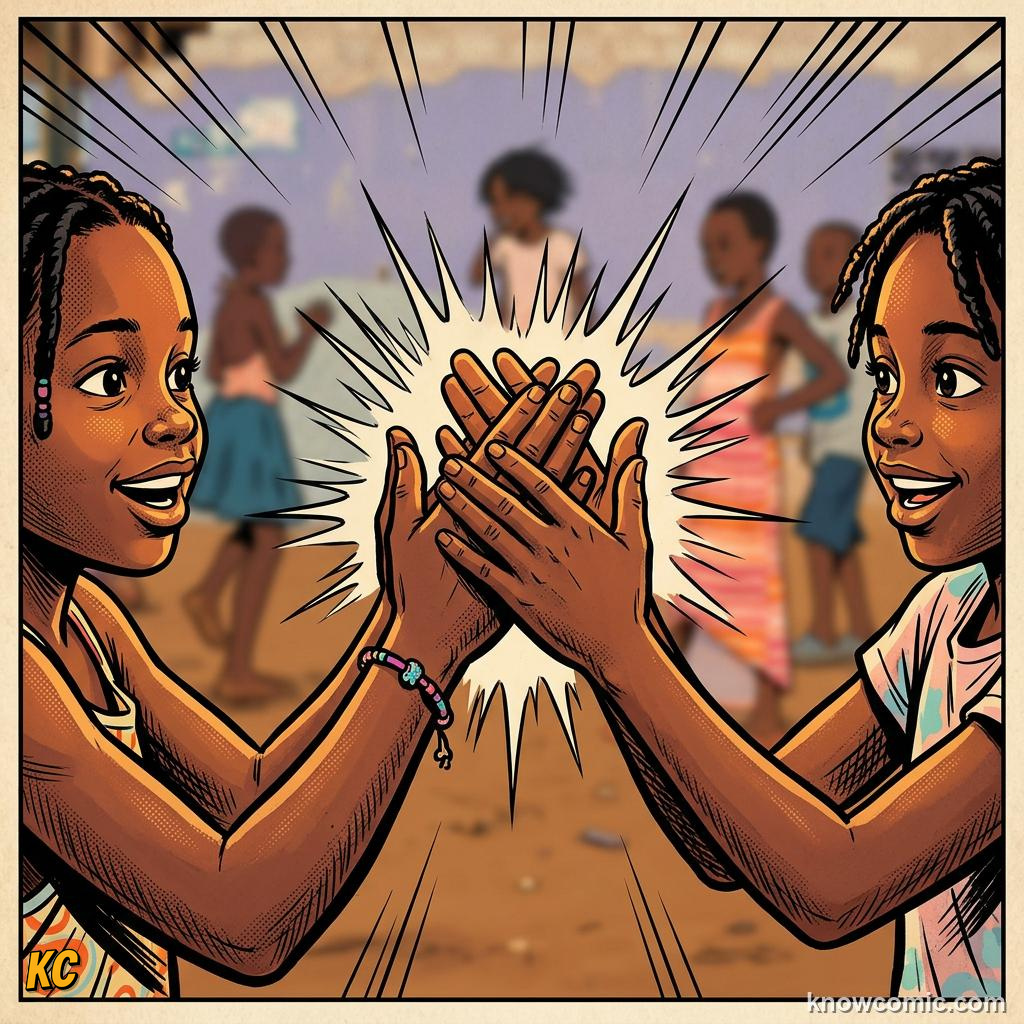
🤝 Playing on the same beat as a friend is called keeping time together.
CHANT
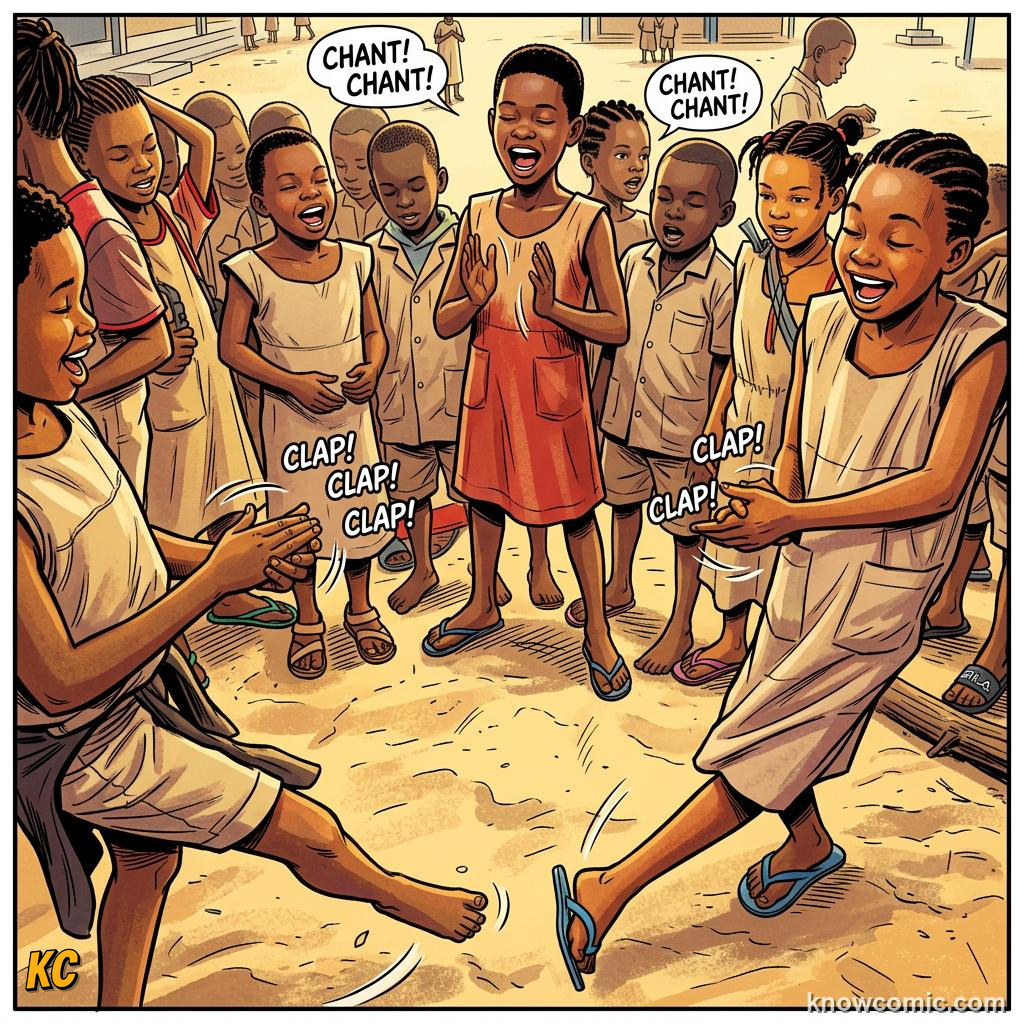
🗣️ Many clapping games use a rhyme or chant, and the words line up with the claps.
WORLDWIDE
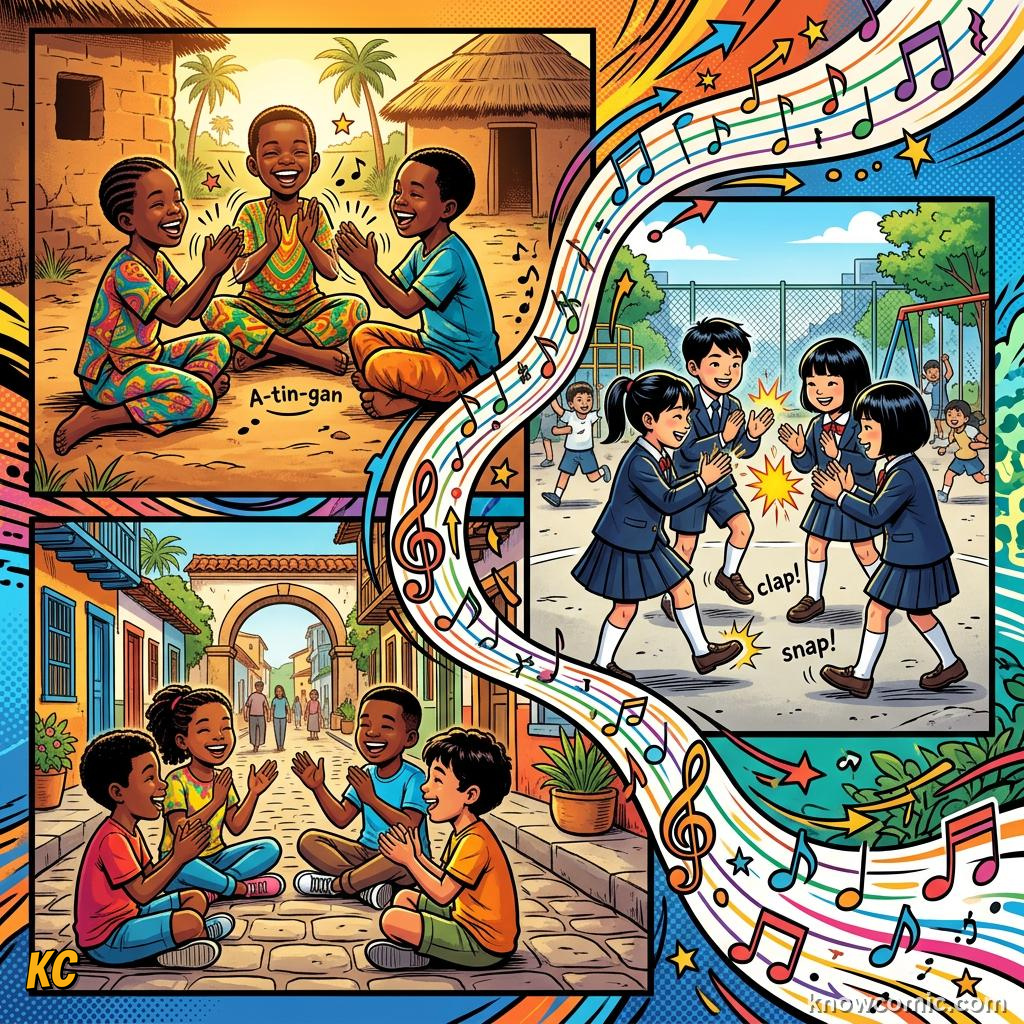
🌍 Different countries have different games, but the steady beat underneath is the same idea.
PAGE 3 OF 5 — STRONG BEATS AND WEAK BEATS
ONE
💪 A strong beat feels like the loud, important clap in a pattern.
two
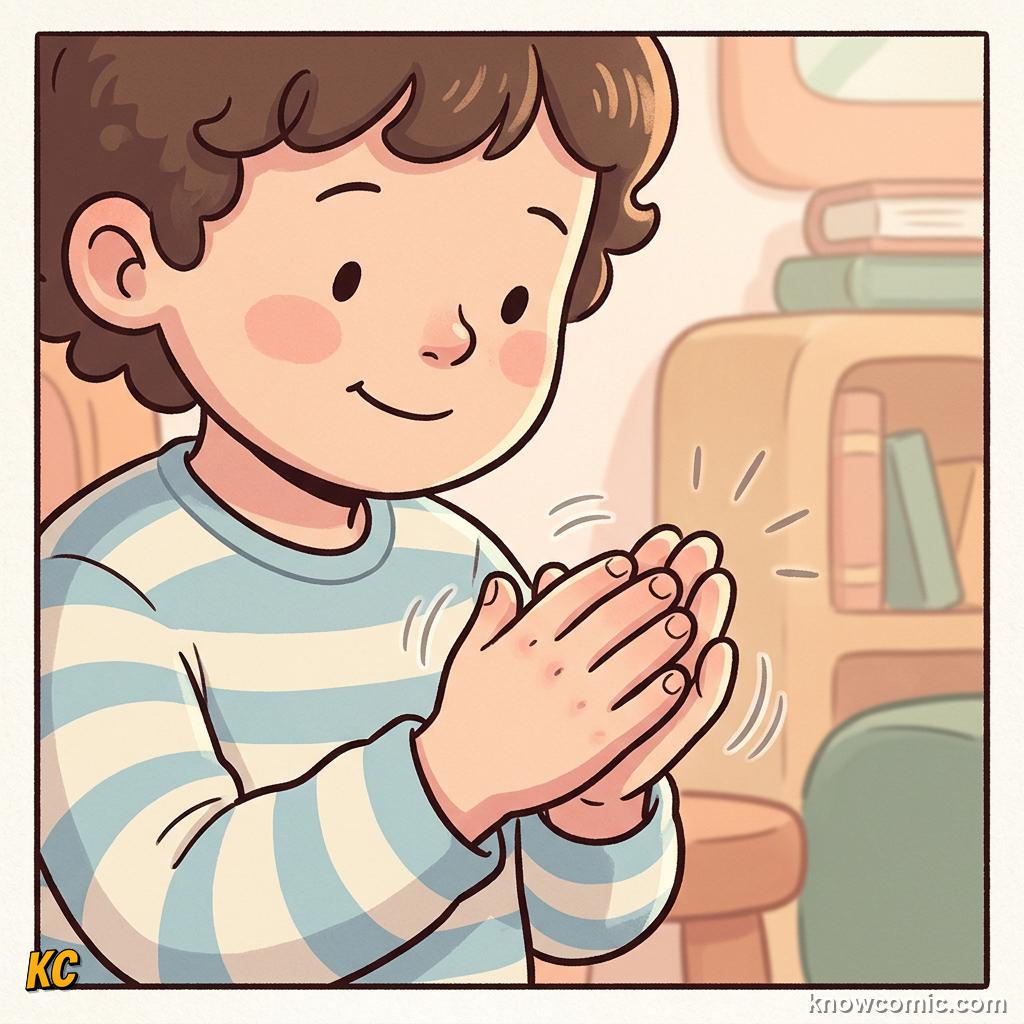
🤏 A weak beat is the softer clap that fills the space in between.
MARCH LIKE THIS
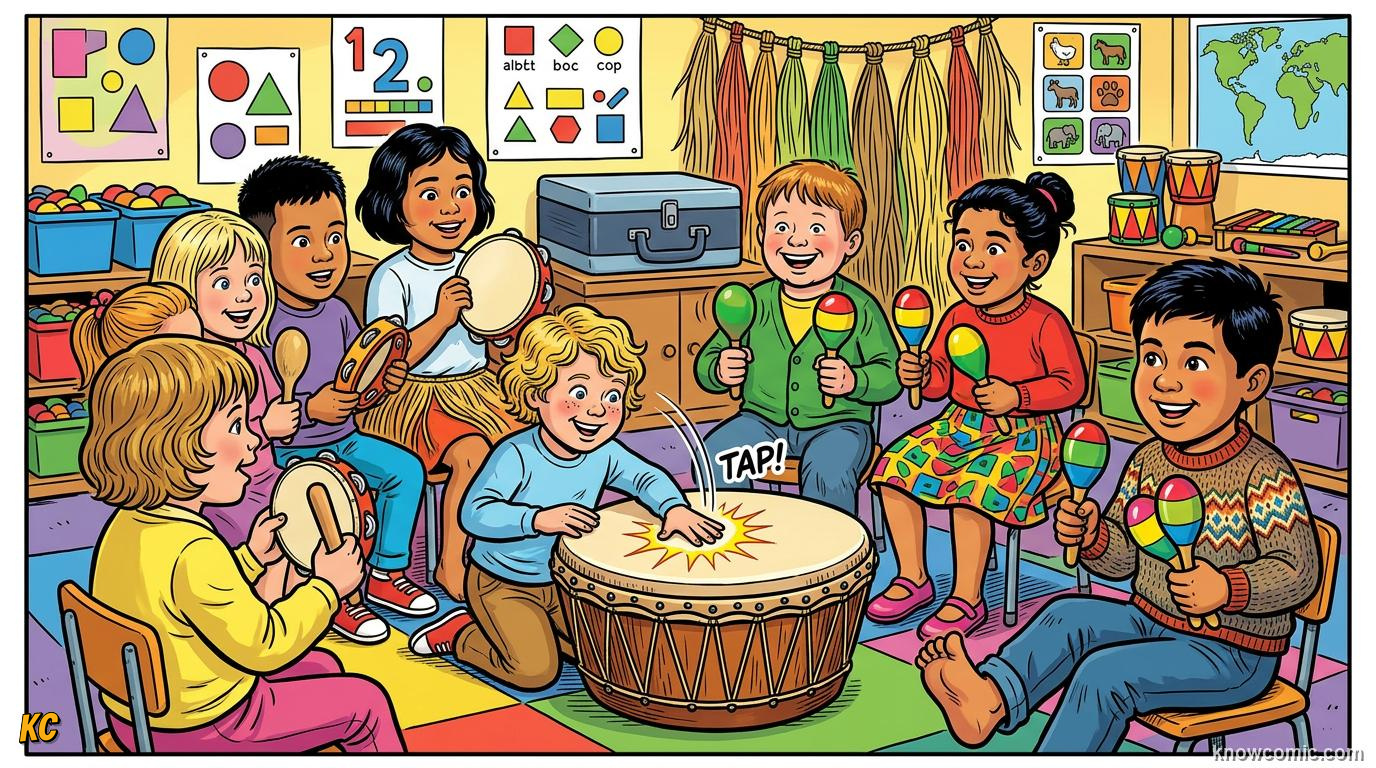
ONE-two, ONE-two
Not every beat in a rhythm feels the same. Try marching in place while counting "ONE-two, ONE-two." Notice how your left foot lands harder on "ONE" and softer on "two"? That is a strong beat followed by a weak beat, and it repeats the whole time you march. Musicians use this pattern constantly, especially in marching bands, where drummers stomp out a clear strong-weak pattern so every player in the band can stay together. Try clapping loud on "ONE" and soft on "two" five times in a row. That simple pattern is the seed of almost every rhythm you will ever learn.
STOMP!
PAGE 4 OF 5 — CLAP YOUR OWN NAME
YOUR NAME HAS A BEAT
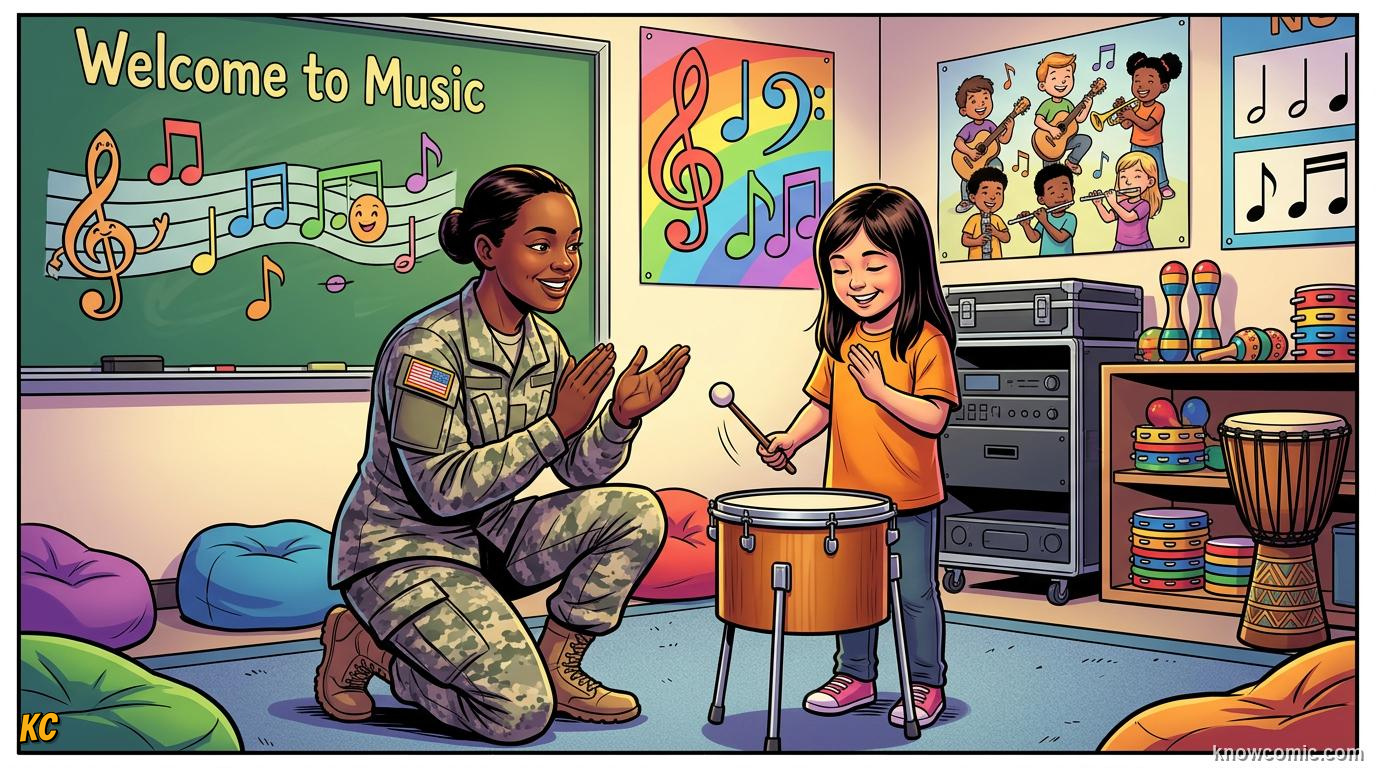
SAY IT, THEN CLAP IT
Here is a trick real music teachers use on day one: clap out your own name. Say your name slowly and clap once for every syllable, or word-chunk. "A-MY" is two claps, "RA-HUL" is two claps too, "SO-PHI-A" is three claps. Try it with your full name, then try it with a friend's name, then try clapping a whole sentence like "I LIKE MU-SIC." You just turned spoken words into rhythm, because rhythm and speech are close cousins. Every sentence you say out loud already has a hidden beat pattern inside it, you just never noticed before today.
SO-PHI-A!
SILENCE COUNTS
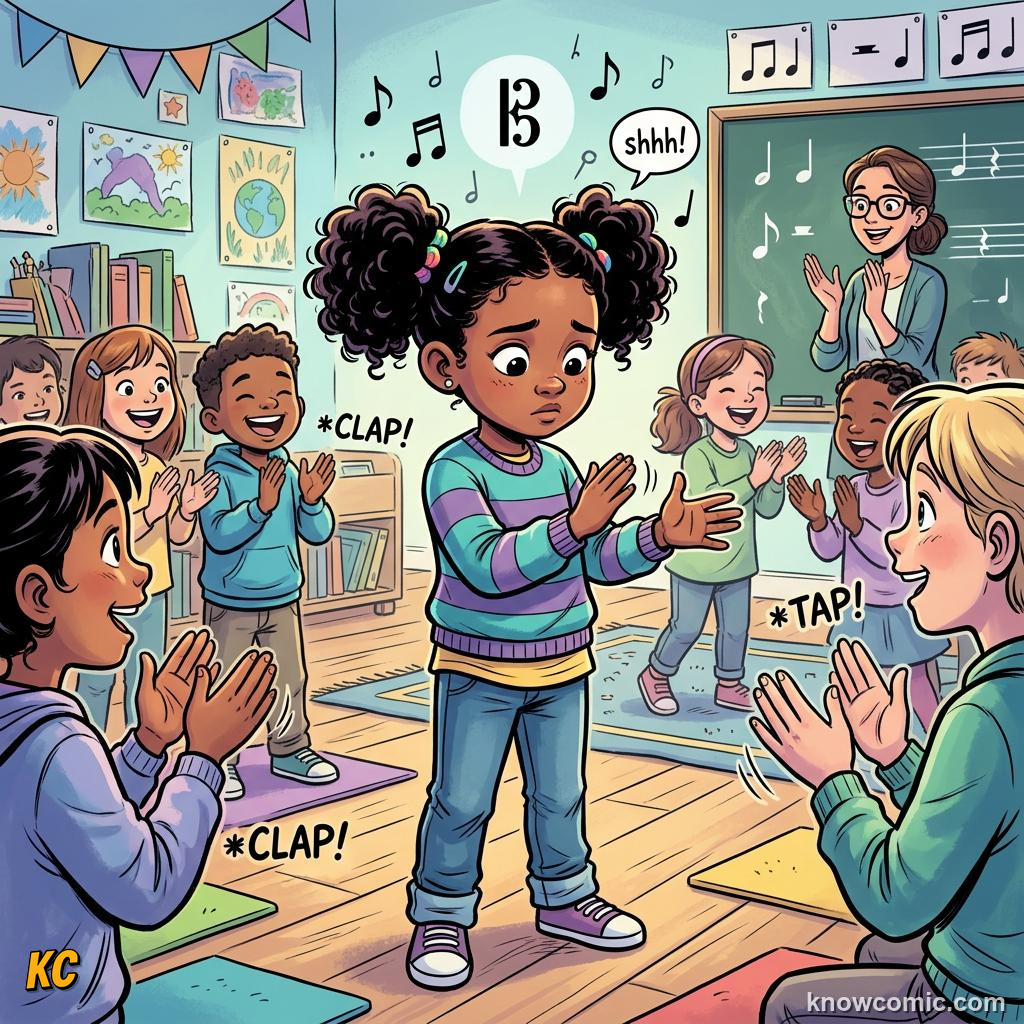
🤫 A short pause in a rhythm is called a rest, and it is just as important as the sound.
SPEECH BEAT
💬 Every word you say naturally has a rhythm hiding inside its syllables.
GROUP CLAP
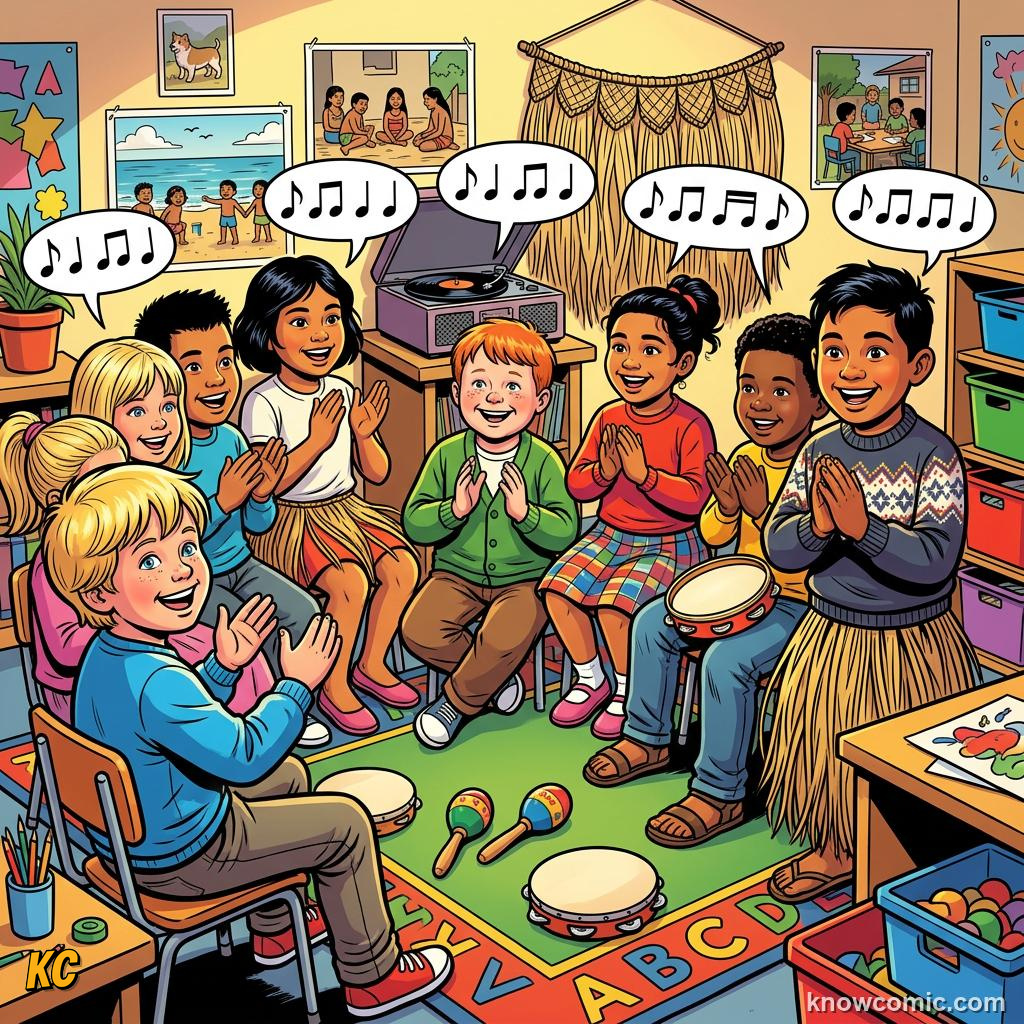
👯 Clapping the same pattern as a group feels exciting because everyone locks onto one beat.
PAGE 5 OF 5 — YOU ARE A RHYTHM DETECTIVE NOW
RHYTHM WAS HIDING ALL ALONG
NOW YOU CANNOT UNHEAR IT
Once you start noticing rhythm, you will hear it everywhere: your washing machine spinning, rain tapping a window, your own footsteps on stairs. That skill of noticing a steady pulse is the very first thing every musician ever learns, long before they touch a piano or a guitar. You practiced it today with nothing but your own hands, feet, and heartbeat. Next time you play a clapping game, try noticing the strong beats and the weak beats, and see if you can spot the rests, those tiny moments of silence that make the rhythm feel alive.
YES!
TRY THIS
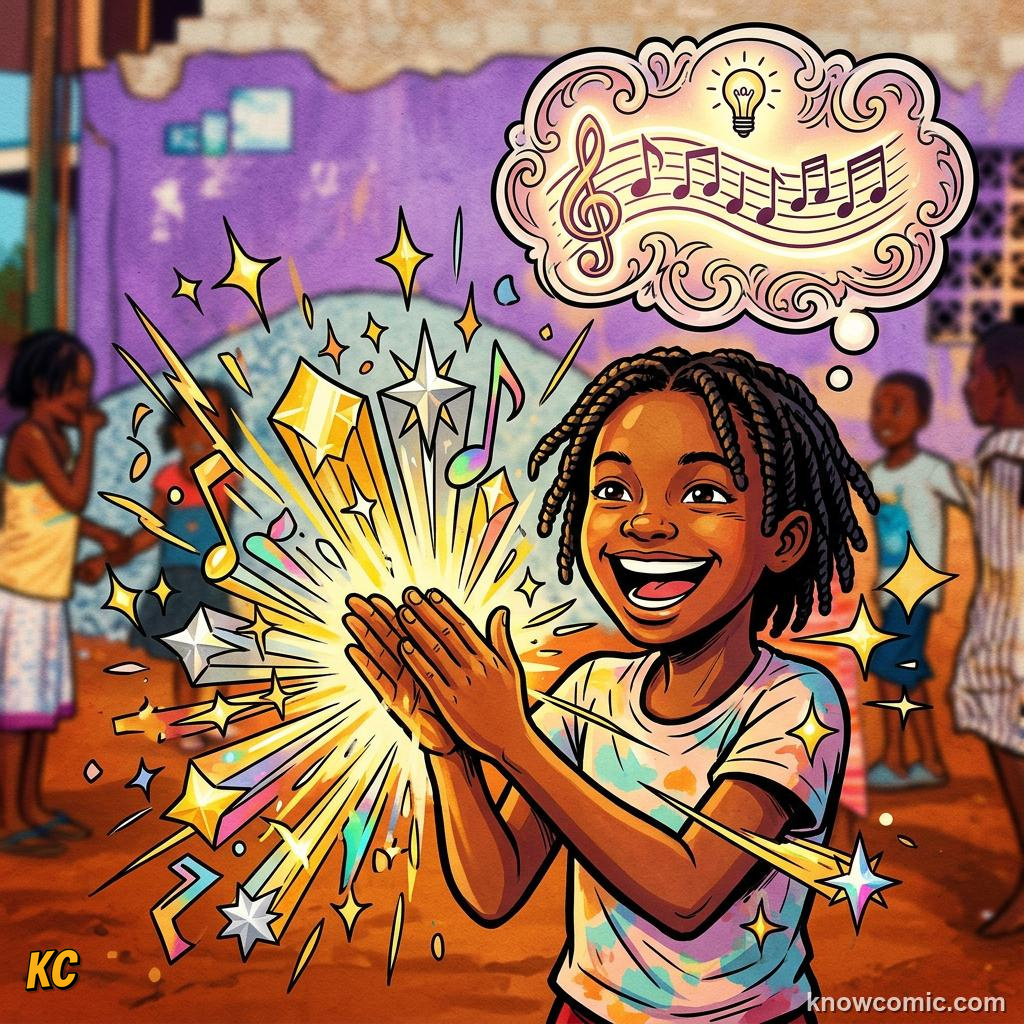
🎯 Clap out three of your pet's or family member's names today and count the beats.
REMEMBER
🥁 KEY FACTS
Rhythm is a repeating pattern of sound and silence. Beat is the steady pulse underneath, like a heartbeat. Strong and weak beats alternate, like ONE-two. Rests are silent gaps that are part of the rhythm too.