🎭 MANNERISM STYLE
PAGE 1 OF 5 — BREAKING THE RULES OF BEAUTY
AFTER PERFECTION
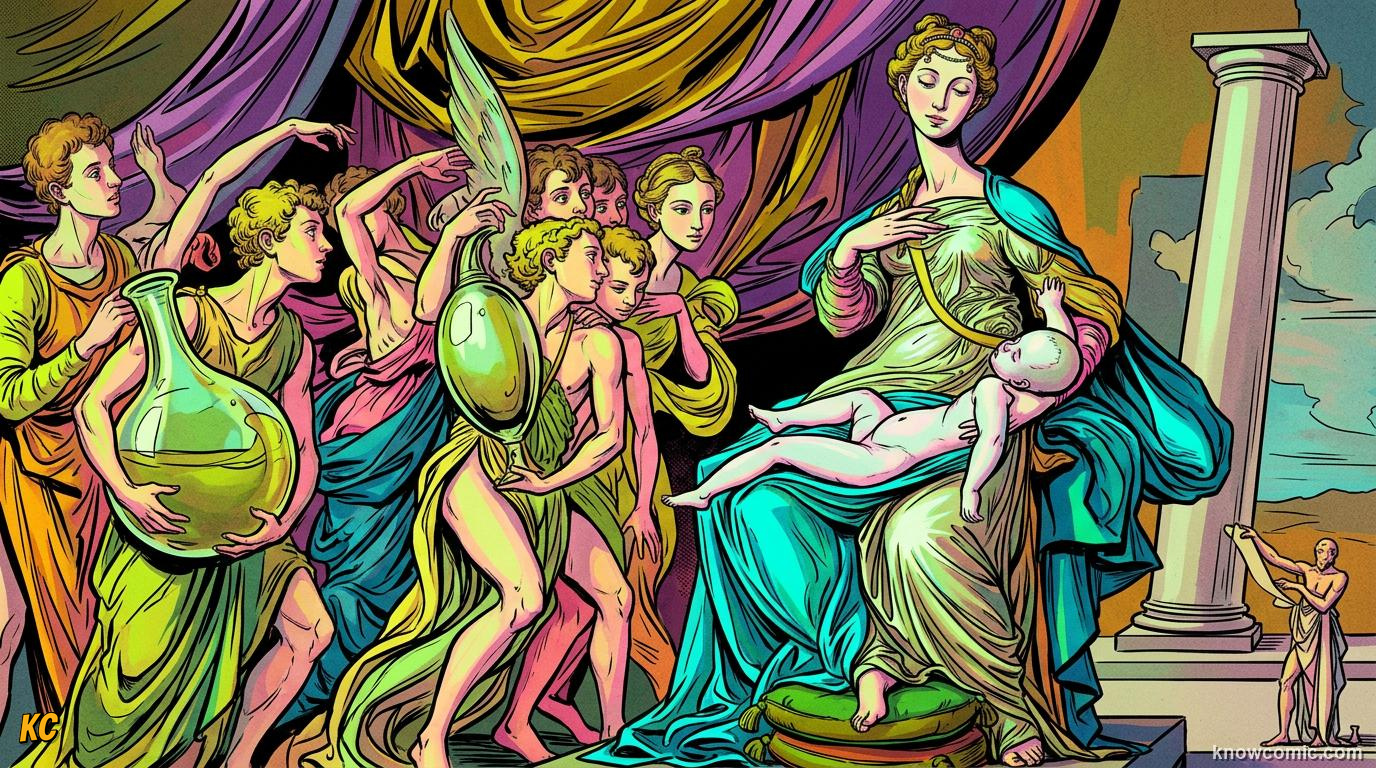
WHEN ART TURNED STYLISH AND STRANGE
By about 1520, artists like Raphael and Michelangelo had raised Renaissance art to dazzling perfection. Some younger painters felt that copying calm balance was no longer exciting. They invented Mannerism, a style that prized artifice, elegance and visual tension over copying nature exactly. Figures grew stretched, twisted and placed in odd, sophisticated poses. Colours could clash boldly instead of blending softly. These paintings feel stylish and theatrical, like a clever performance on canvas. Mannerism spread from Italy across Europe and opened the door to even more dramatic art that followed.
⚡ DID YOU KNOW?
The word Mannerism comes from maniera, meaning style or manner in Italian. It describes art that shows off a personal, elegant way of painting rather than strict natural rules.
TWIST!
REACTING TO RENAISSANCE
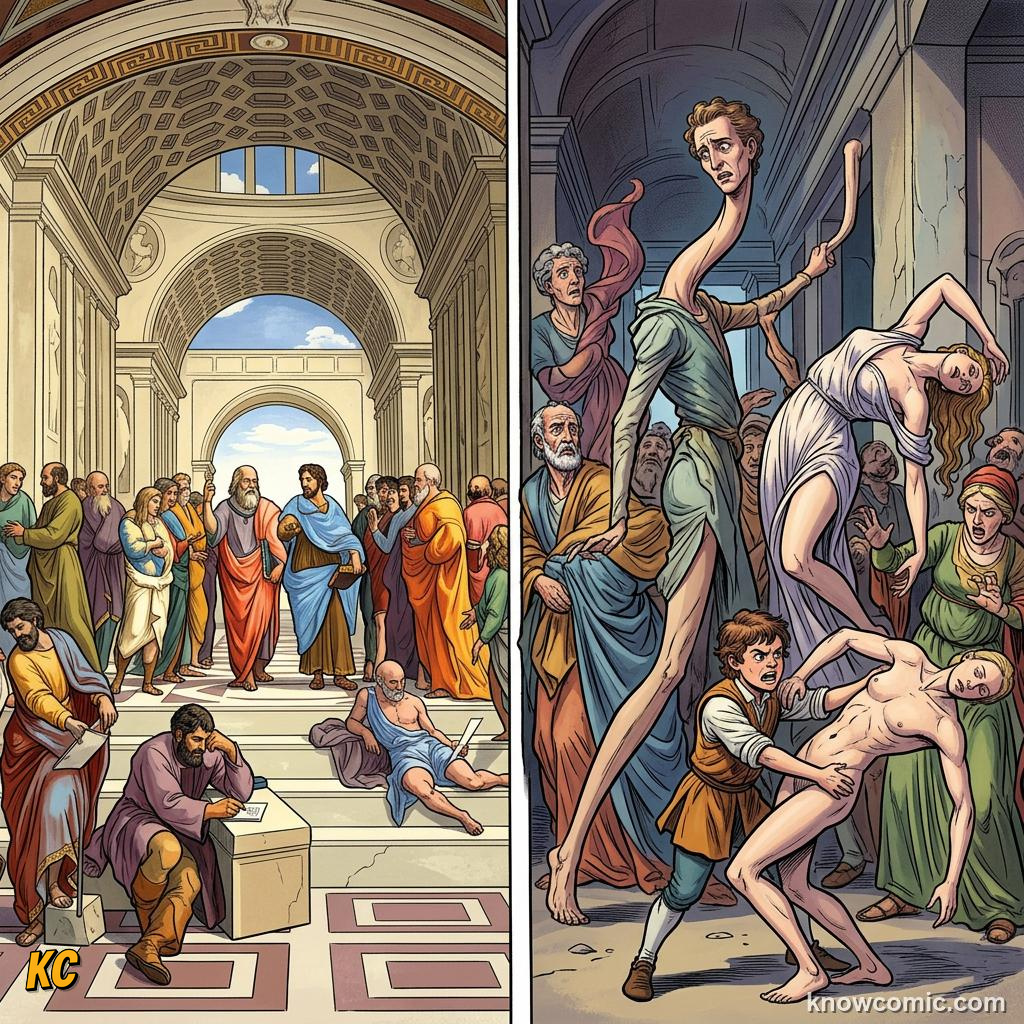
⚖️ High Renaissance art sought calm balance and perfect proportions.
🎭 Mannerist artists pushed past that harmony to create stylish visual drama.
🎭 Mannerist artists pushed past that harmony to create stylish visual drama.
ARTIFICE OVER NATURE
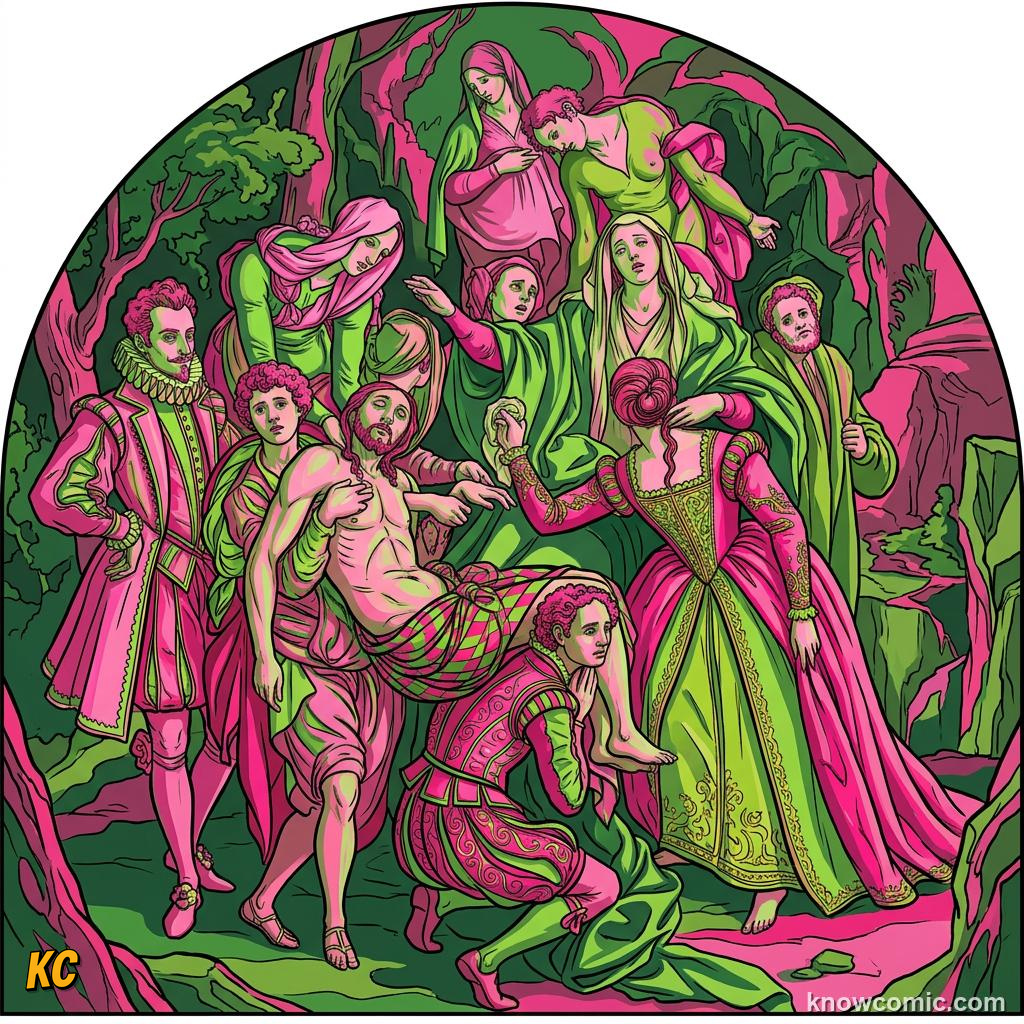
🎨 Mannerists valued clever style and artificial elegance over copying nature.
💜 Clashing colours and odd spaces made viewers feel tension and surprise.
💜 Clashing colours and odd spaces made viewers feel tension and surprise.