🌾 FARMING: HOW IT CHANGED EVERYTHING
PAGE 1 OF 5, THE QUIET REVOLUTION
FIRST FIELDS
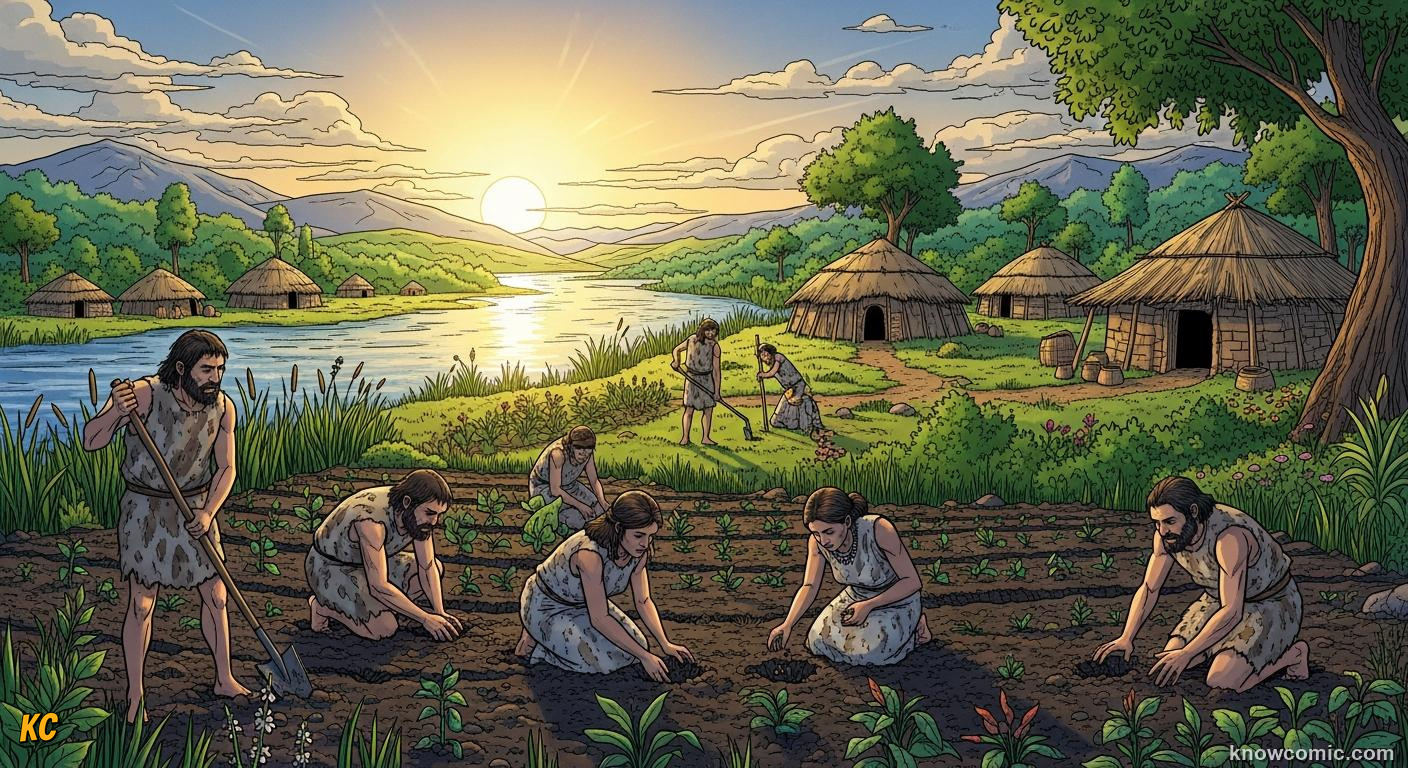
PLANTING ON PURPOSE
For most of history, people did not farm. They gathered wild plants and moved with the seasons. Roughly 10,000+ years ago, in several river-rich regions, families began saving seeds and planting them on purpose. That decision would reshape where people lived, and how many could live together.
SOW!
ON THE MOVE
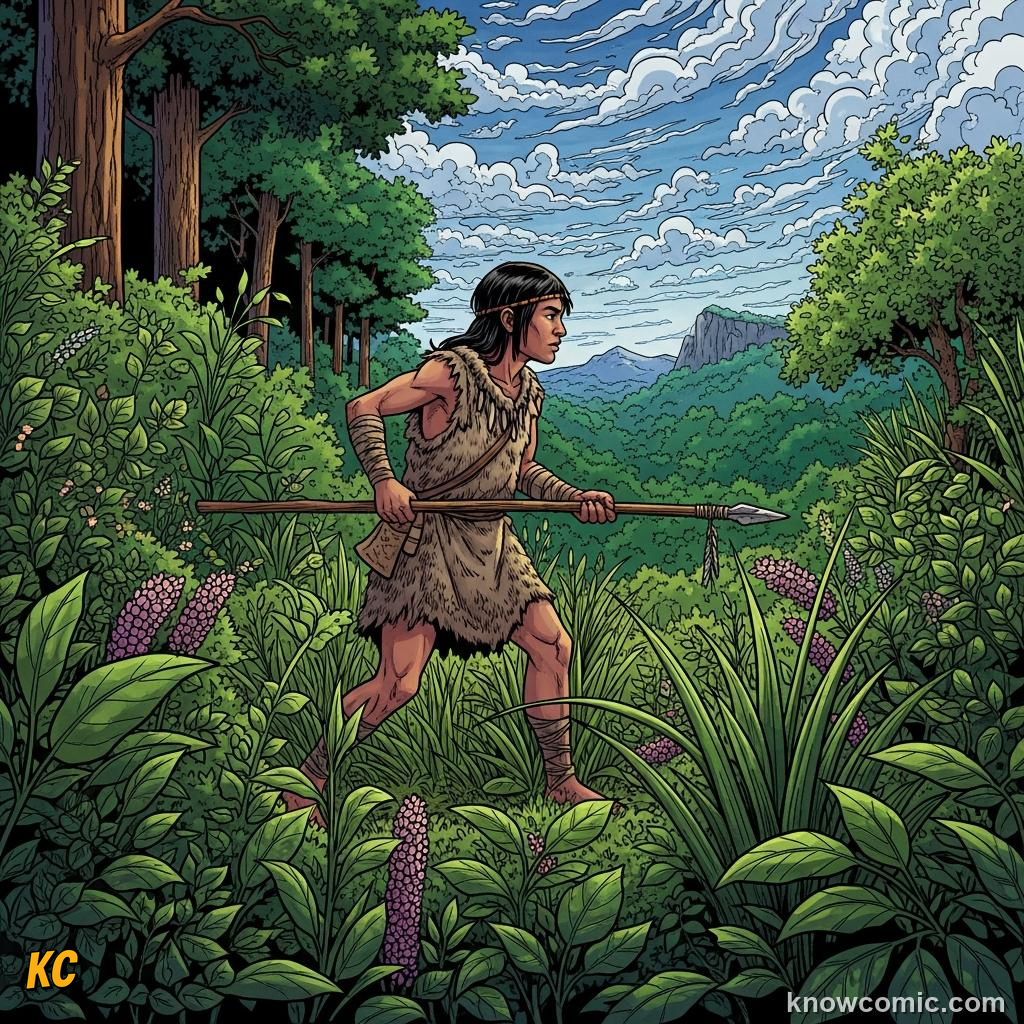
🥾 Hunter-gatherers followed food, not maps.
SETTLE IN
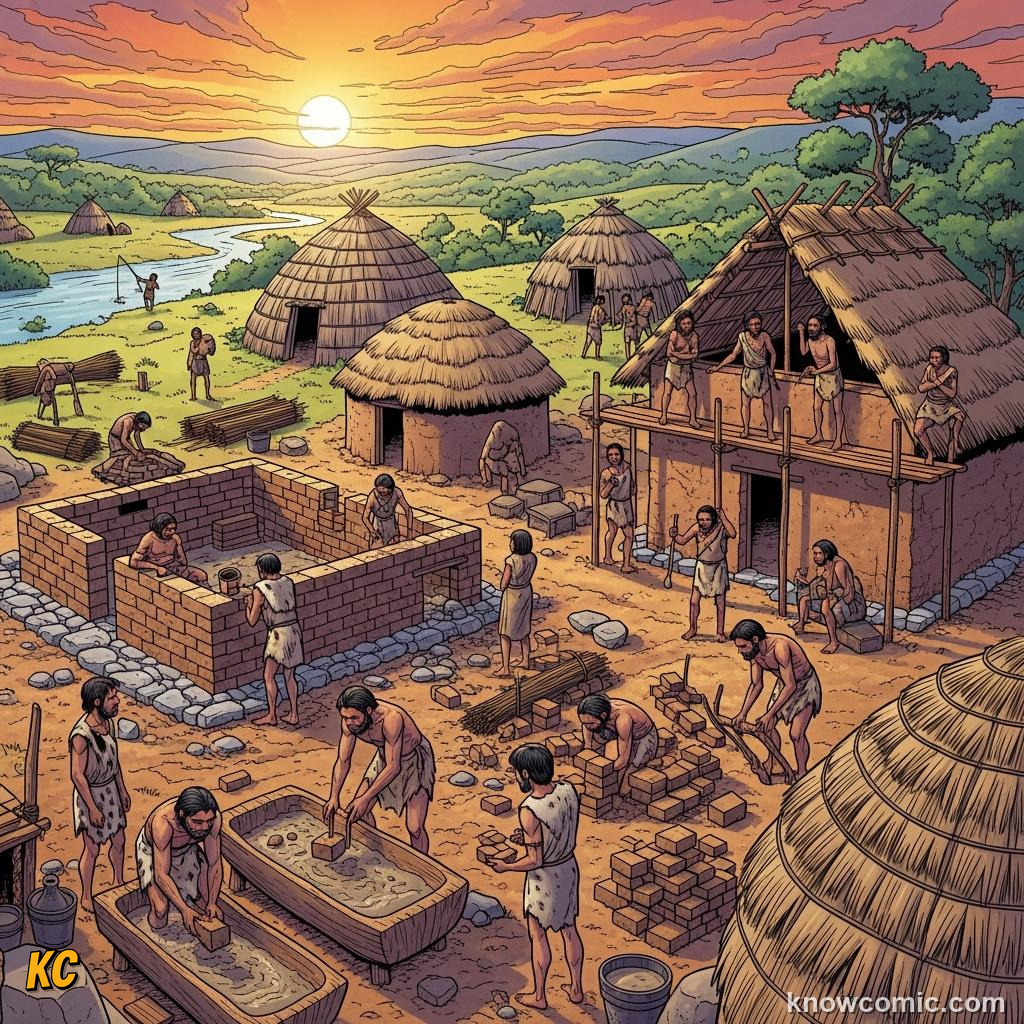
🏘️ Fields meant huts could stay put year-round.
PAGE 2 OF 5, MORE THAN ENOUGH
FOOD SURPLUS
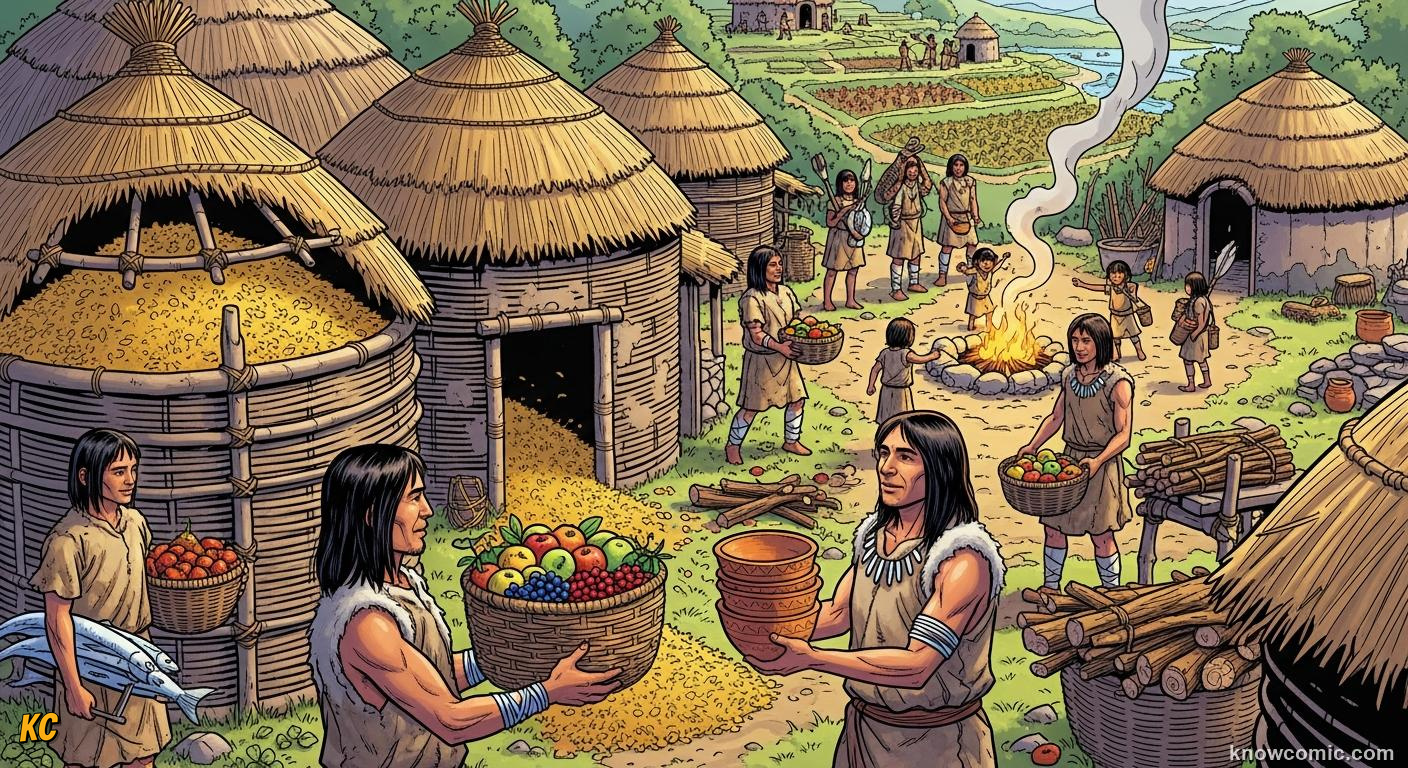
WHY SURPLUS MATTERS
When harvests became regular, groups could store extra grain and fruit. That surplus (more than “right now” hungry) allowed some people to swap food for tools, cloth, or pots, and later, to build larger stores, rules, and villages with many families side by side.
EXTRA!
CRAFTS
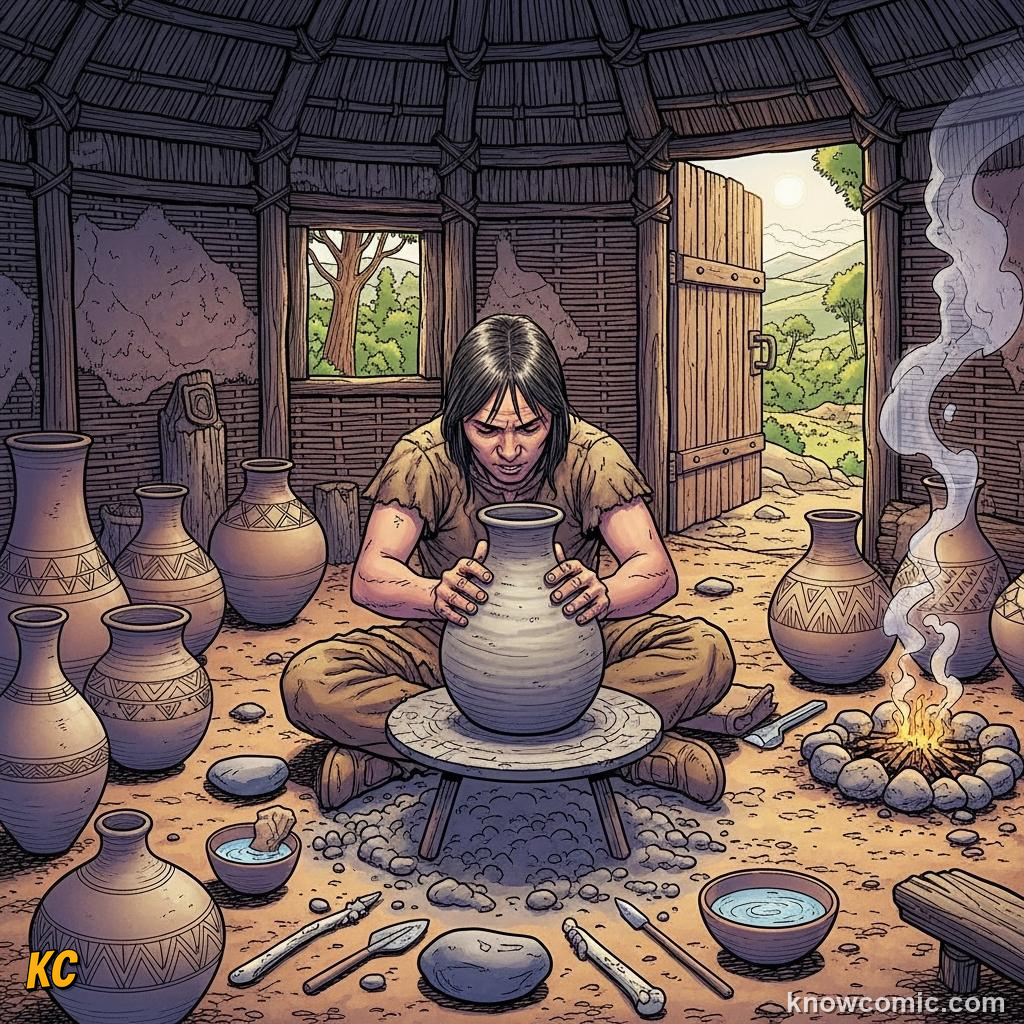
🫖 Potters traded durable vessels for grain.
BARTER
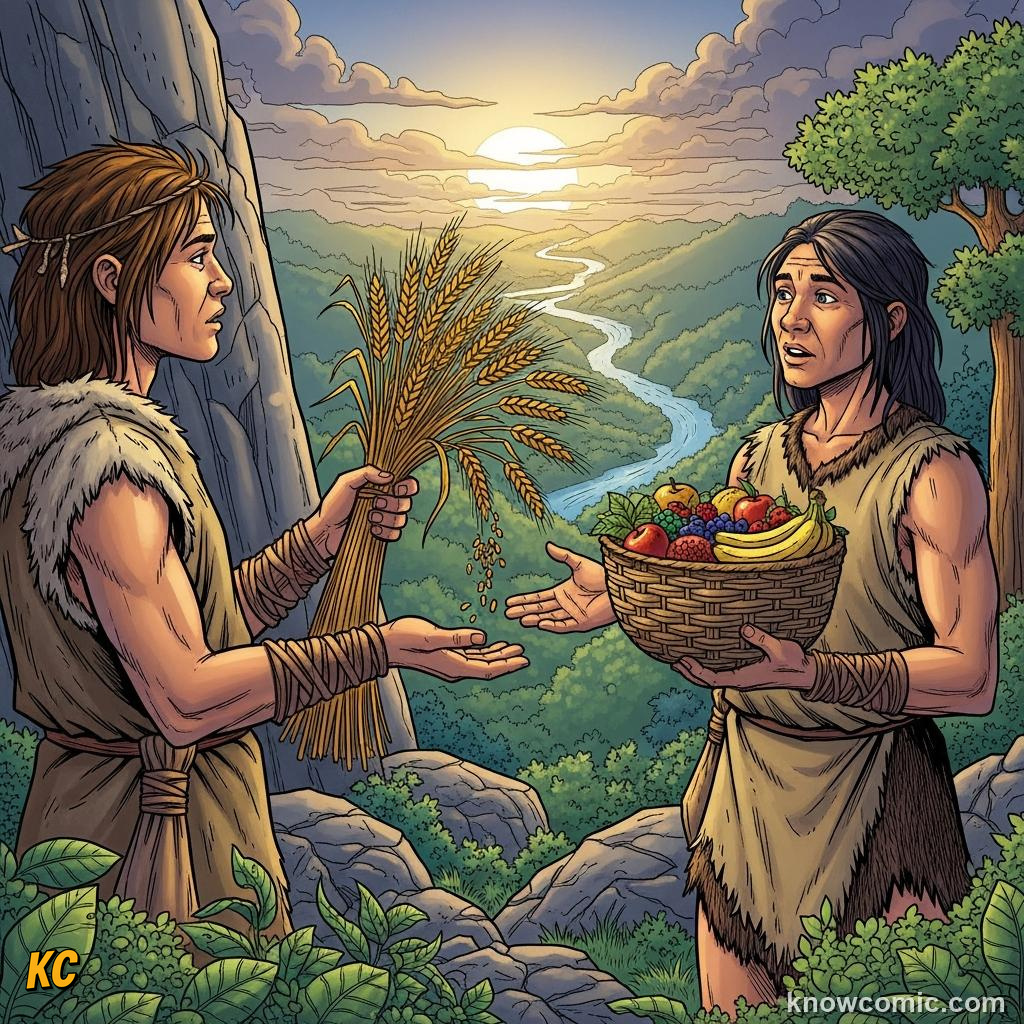
🧺 Swapping harvests linked neighbors.
BOUNDARIES
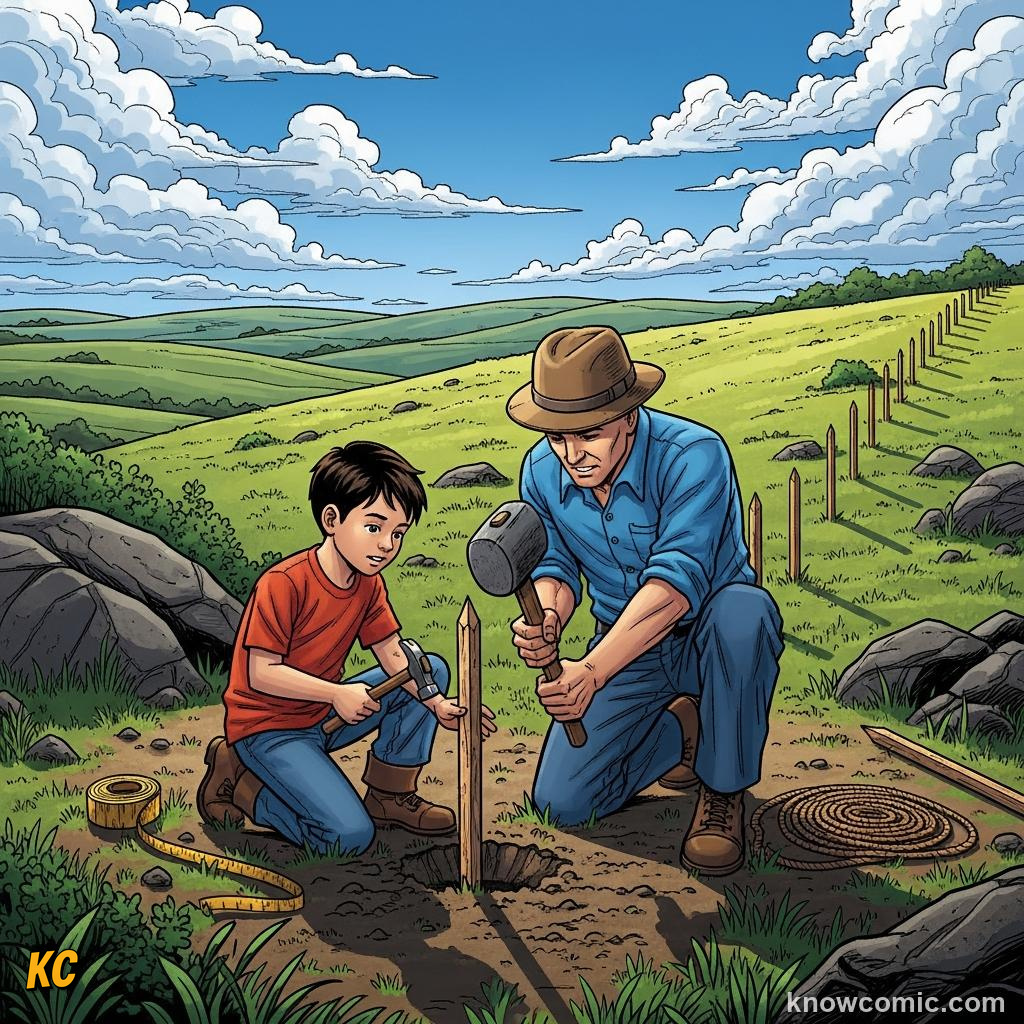
📍 Marking plots made “our field” real.
PAGE 3 OF 5, DOMESTICATION
BETTER PLANTS
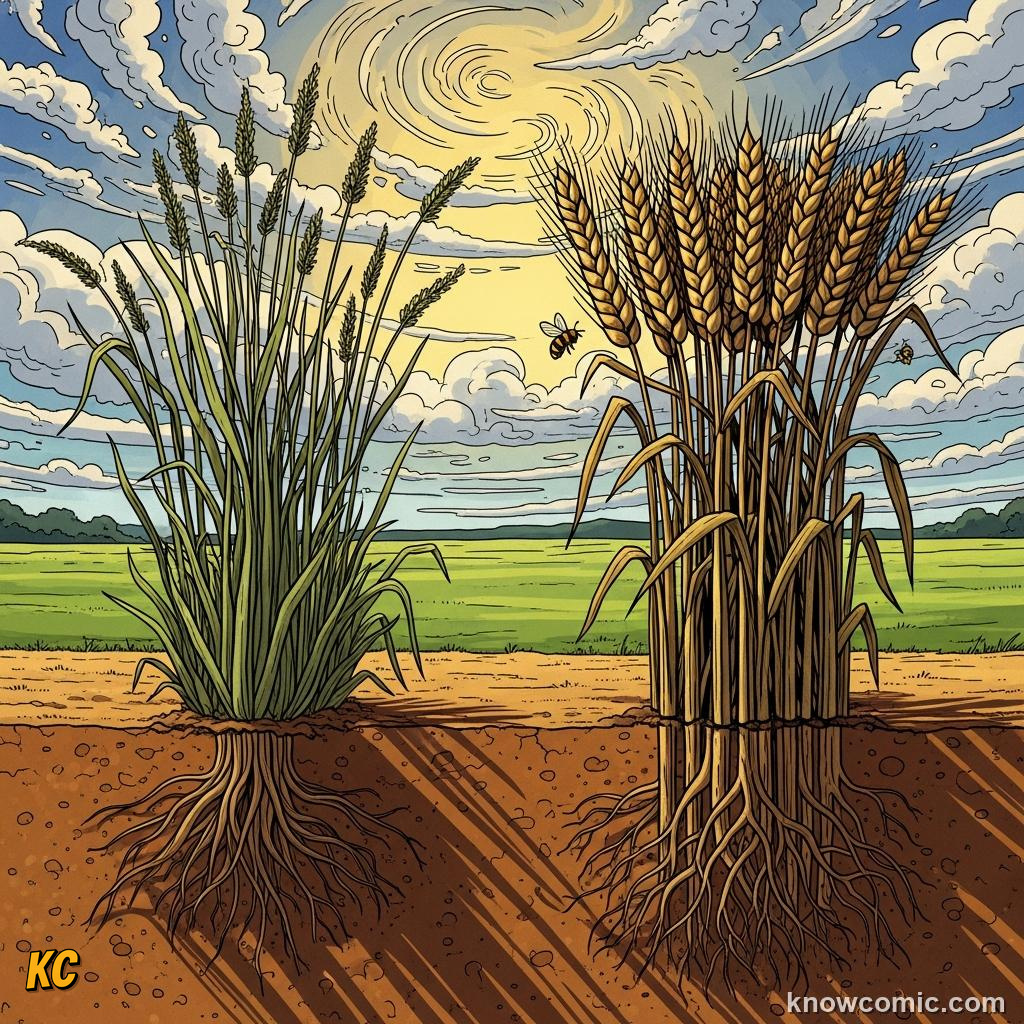
🌾 Thicker ears meant more flour per plant.
USEFUL ANIMALS
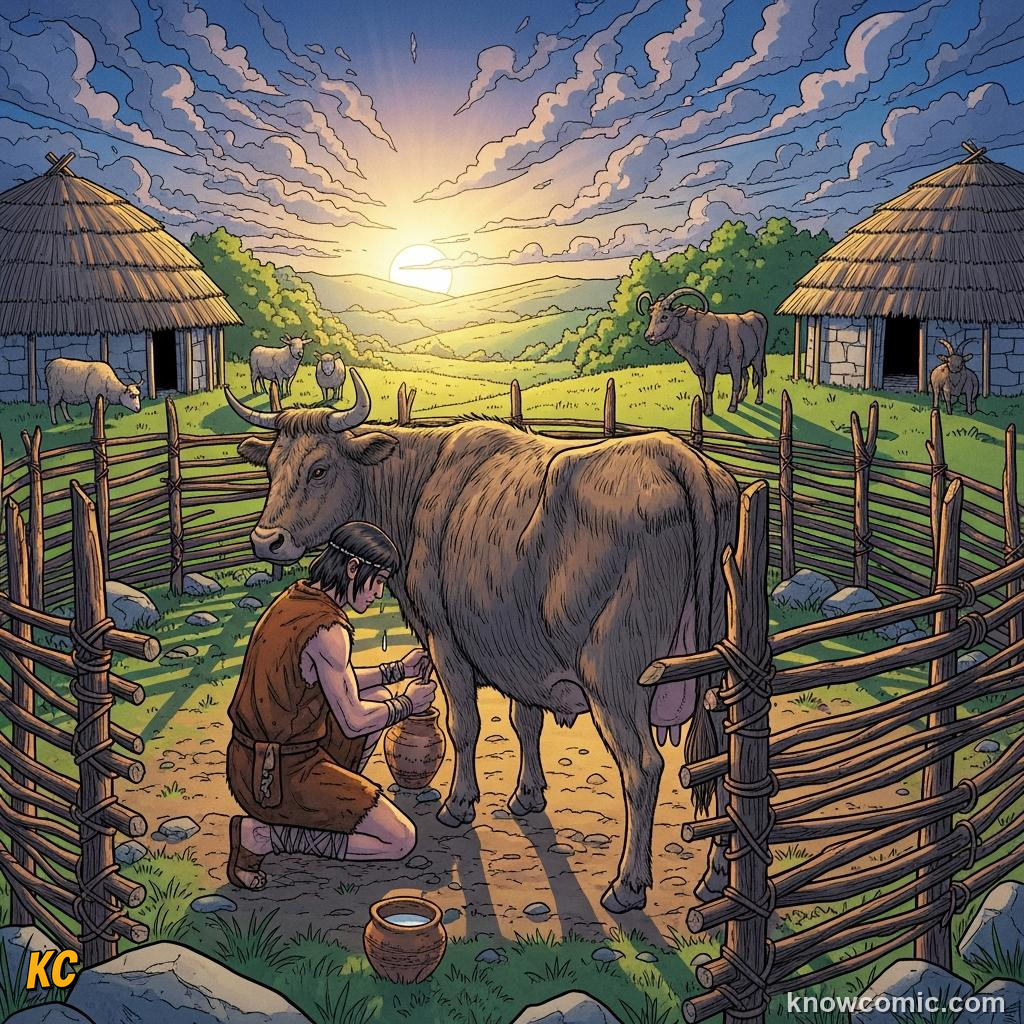
🥛 Milk, muscle, and manure, a package deal.
PARTNERS, NOT PROPS
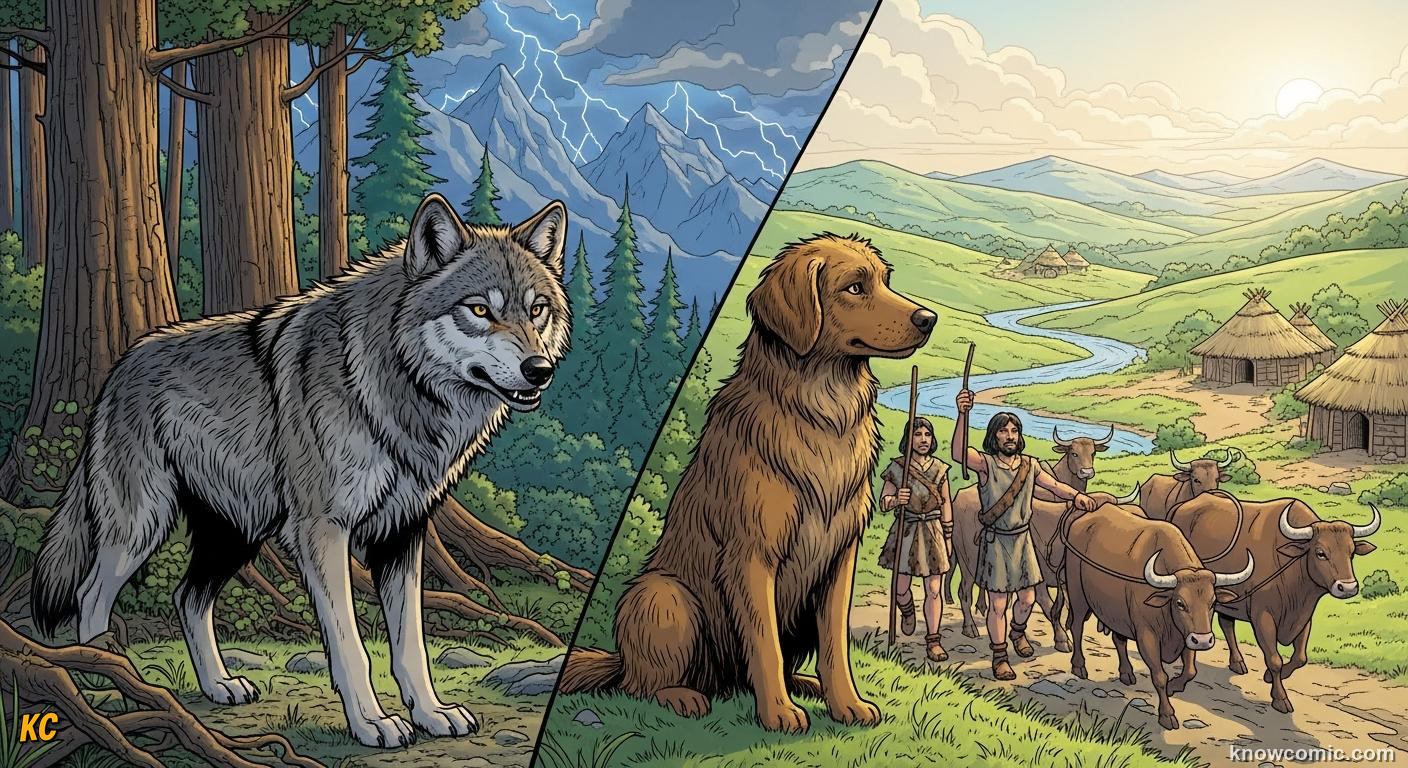
TAMING THE WILD
Domestication is the long process of choosing calmer plants and animals, generation after generation, so they help people more. Cereals and pulses became reliable calories; goats, sheep, cattle, and pigs became living larders and field partners.
TAME!
PAGE 4 OF 5, CITIES & RECORDS
URBAN SPARK
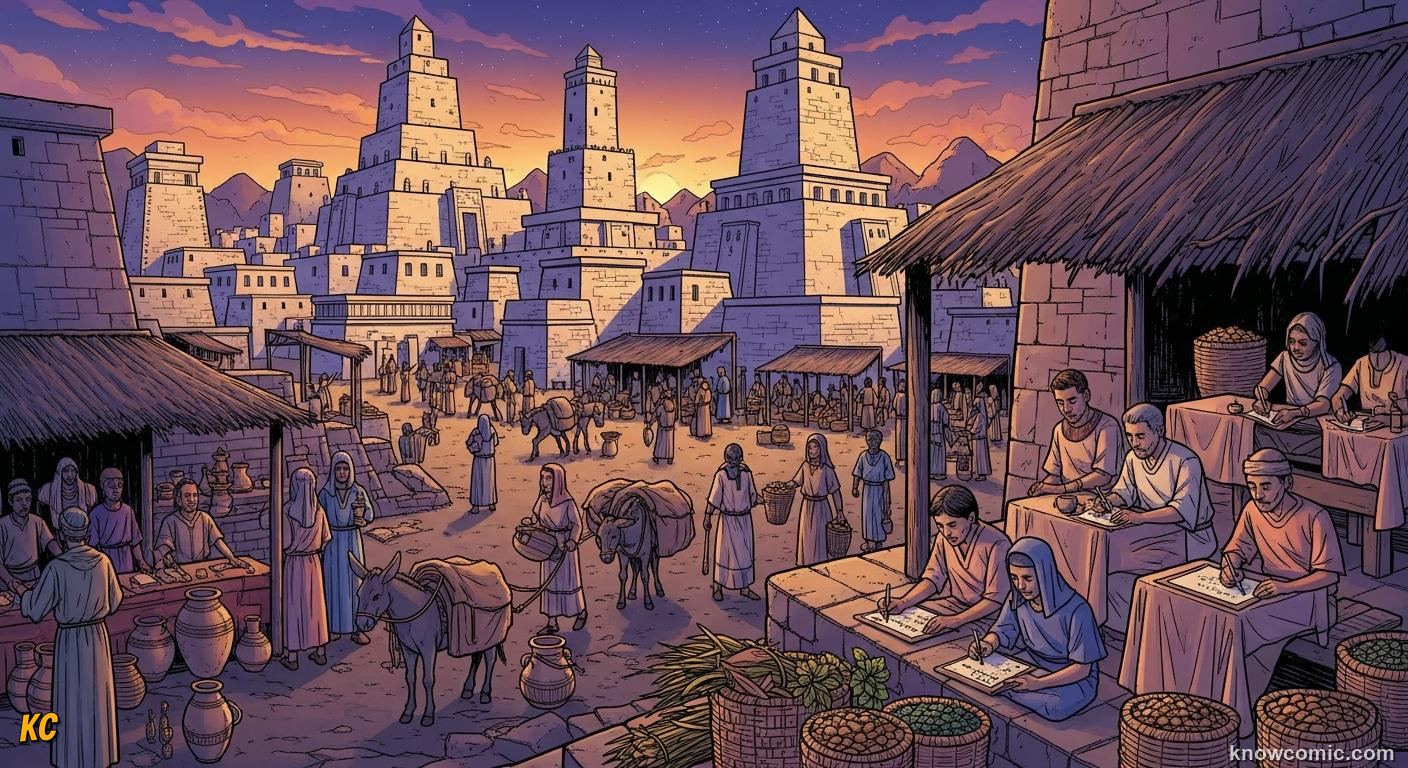
FROM GRANARIES TO GOVERNANCE
Reliable farming could feed crowds. Temples, markets, and rulers often grew where grain piled up, because someone had to organize storage, labor, and fairness. Early writing often started as practical notes: how many sacks, who owes what, which field is whose.
COUNT!
TALLY
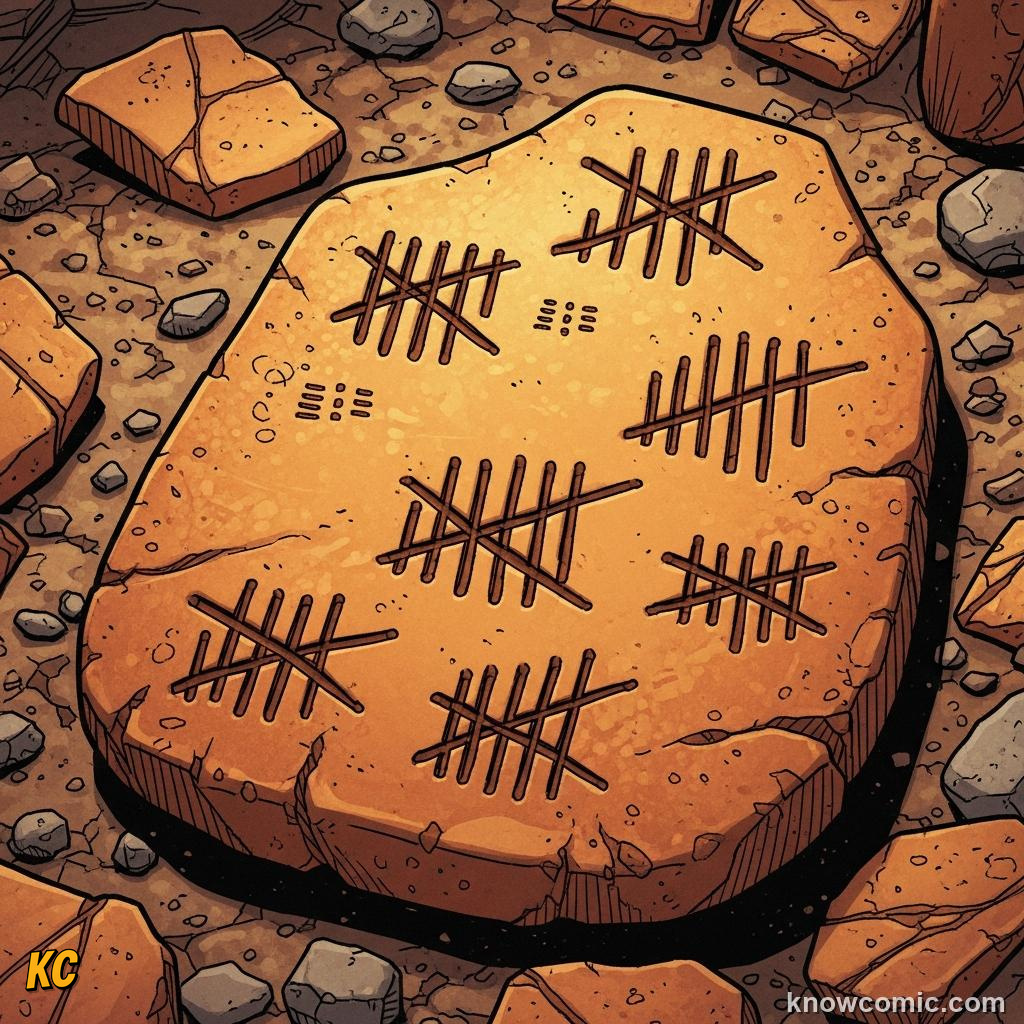
📜 Marks became memory you could pass around.
LEADERS
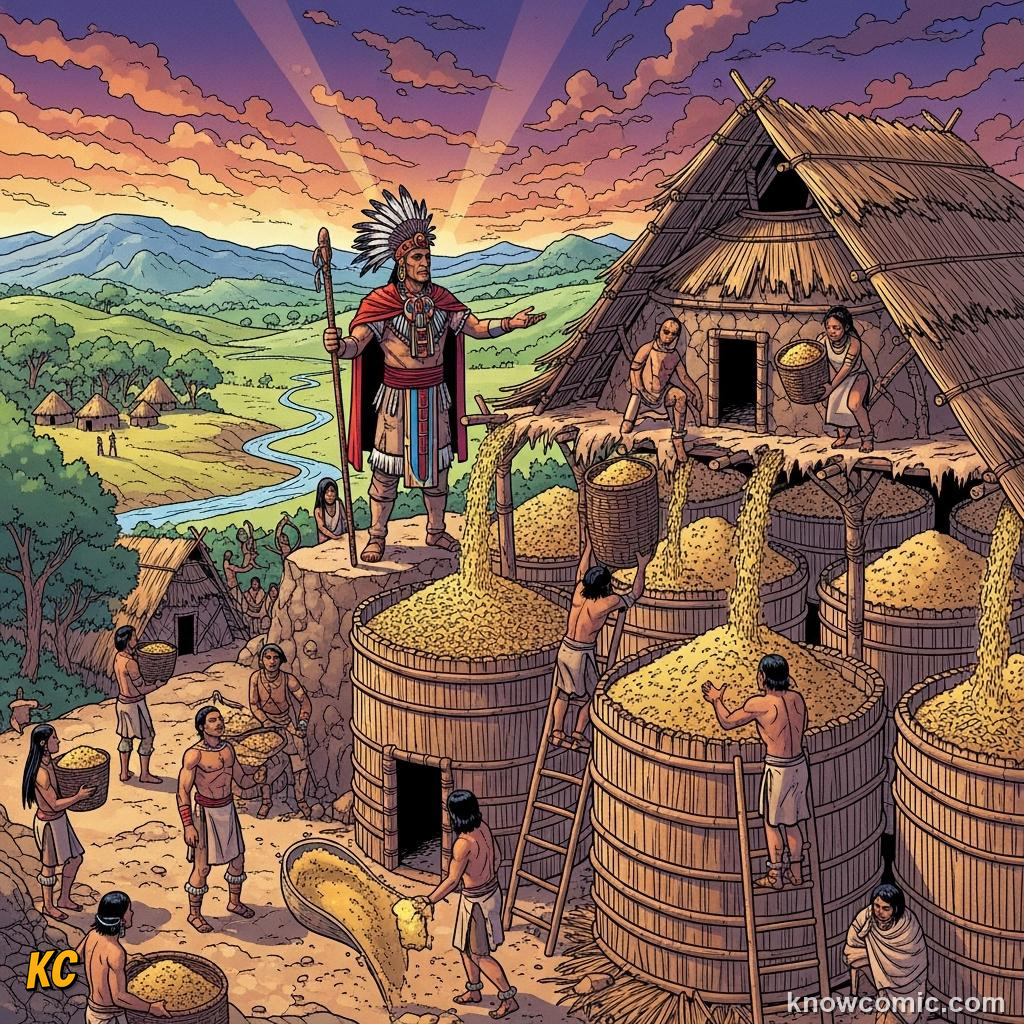
👑 Big stores needed clear rules.
FESTIVAL
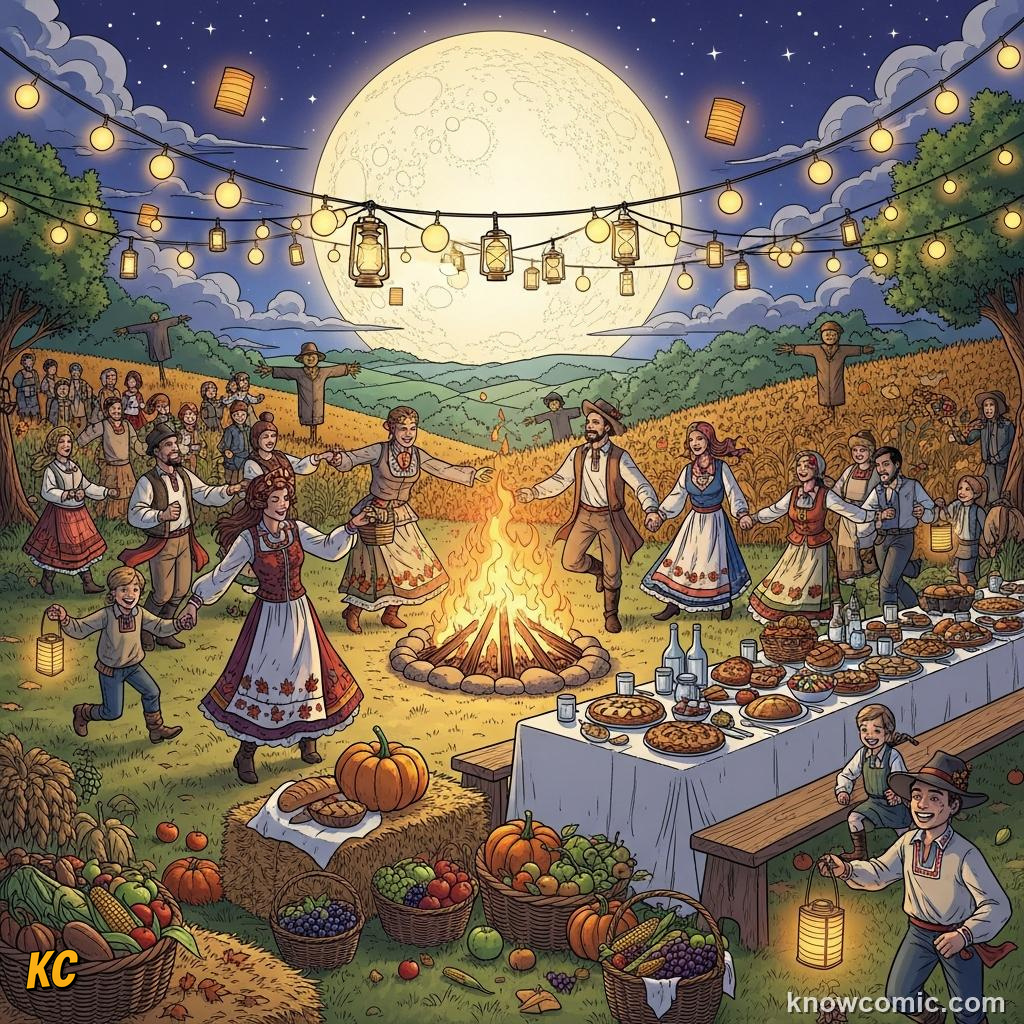
🌕 Harvests were worth celebrating together.
PAGE 5 OF 5, THE MODERN PLATE
THEN & NOW
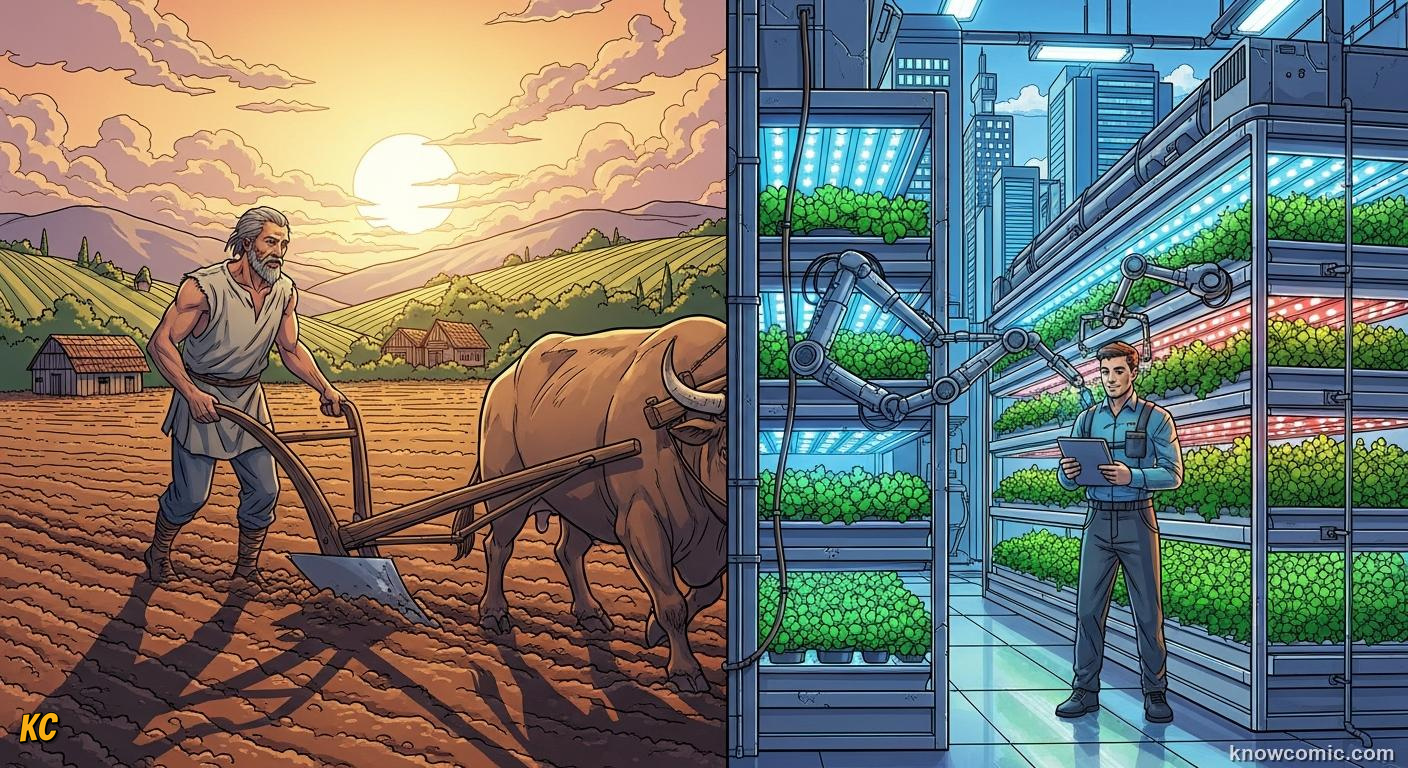
THE LONG SHADOW OF THE PLOW
Today, a global network of farms, trucks, and markets brings food to billions. We also face new puzzles: soil care, water, fair access, and climate-smart growing. The Neolithic turn did not “finish” history, it started the crowded, creative, complicated world we inherit.
FEED!
BIG MACHINES
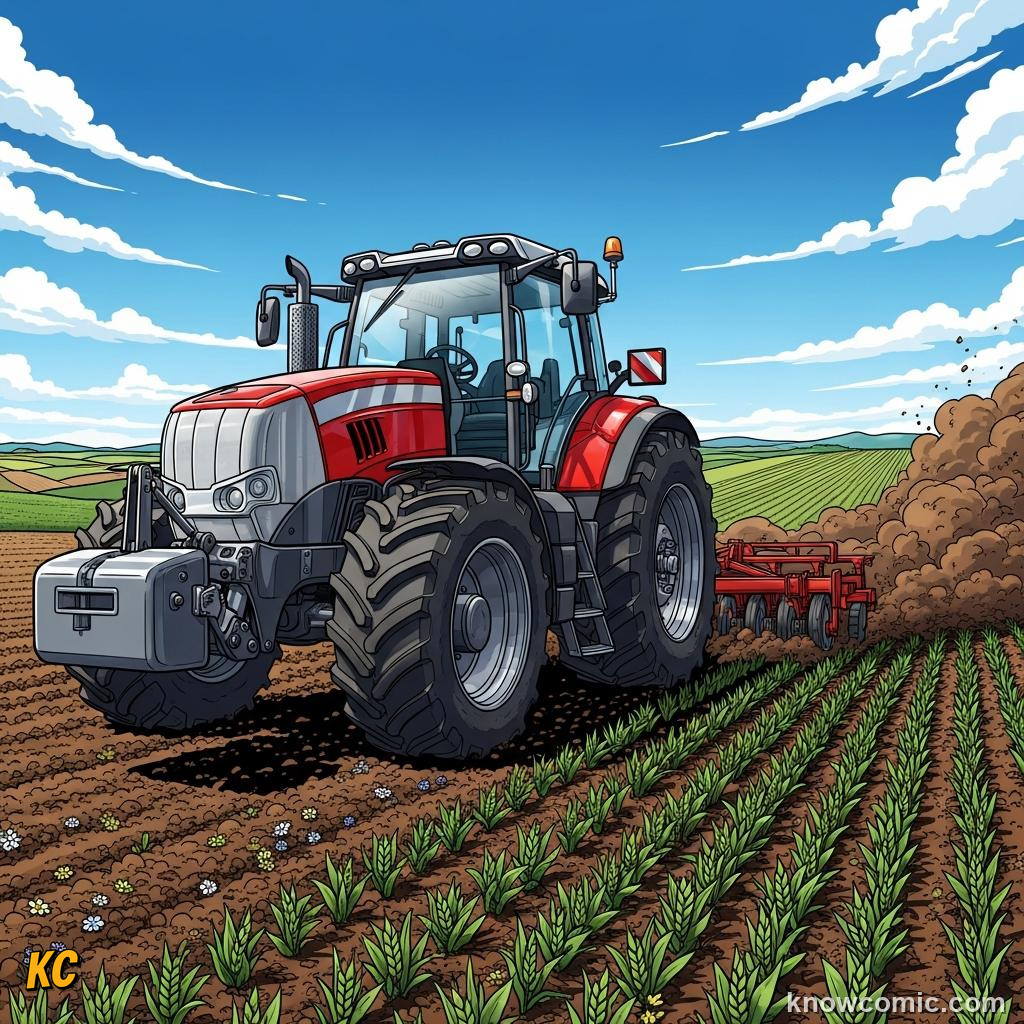
🚜 One farmer can work fields our ancestors would not believe.
REMEMBER
⚡ KEY FACTS
Most food energy on Earth still starts with the Sun. Plants are producers: they build food from light, water, and air. Animals are consumers. People are omnivores, so we link plant and animal chains when we eat. Soil, water, and pollinators connect every step.
✅ Learn producer vs consumer, they name who makes food and who must eat it.
✅ A food chain is a line; a food web is many chains linked.
✅ If one link weakens, soil, water, or bees, plates wobble for everyone.
✅ A food chain is a line; a food web is many chains linked.
✅ If one link weakens, soil, water, or bees, plates wobble for everyone.
🧠 QUIZ TIME!
FARMING · 5 QUESTIONS
QUESTION 01
What is one big change early farming made possible?
QUESTION 02
A food surplus means…
QUESTION 03
In this topic, what is plant and animal domestication?
QUESTION 04
Why did early record-keeping often start around farming?
QUESTION 05
Farming’s long story is important today because…
0/5
LOADING...