🌙 THE MOON: OUR NEIGHBOUR
PAGE 1 OF 5, A SILVER WORLD NEXT DOOR
NEIGHBOUR
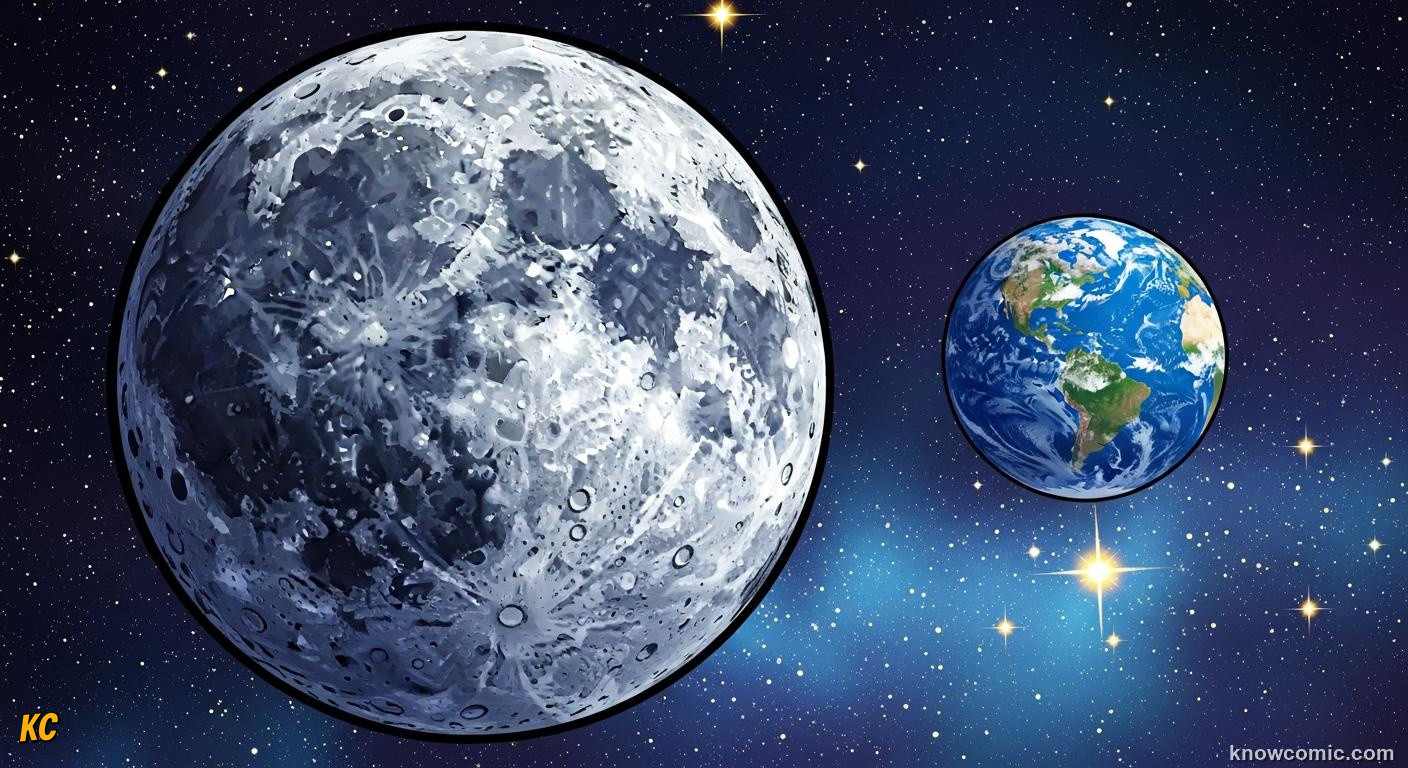
EARTH'S ONLY NATURAL SATELLITE
The Moon is a cold, airless ball of rock about one-quarter Earth's diameter, roughly the width of Australia, orbiting us at an average distance of about 384,000 km, close to thirty Earth-widths away. It shines by reflected sunlight, waxing and waning through a month-long pattern humans have used for calendars since prehistory. Telescopes reveal craters frozen in time; laser pulses fired from observatories still bounce off mirrors left by Apollo astronauts to measure the drift of the orbit to millimetre precision.
⚡ DID YOU KNOW?
You could fit every planet in the solar system side by side in the Earth–Moon gap, with room to spare, yet the Moon dominates our night sky because it is so close.
MOON!
SIZE
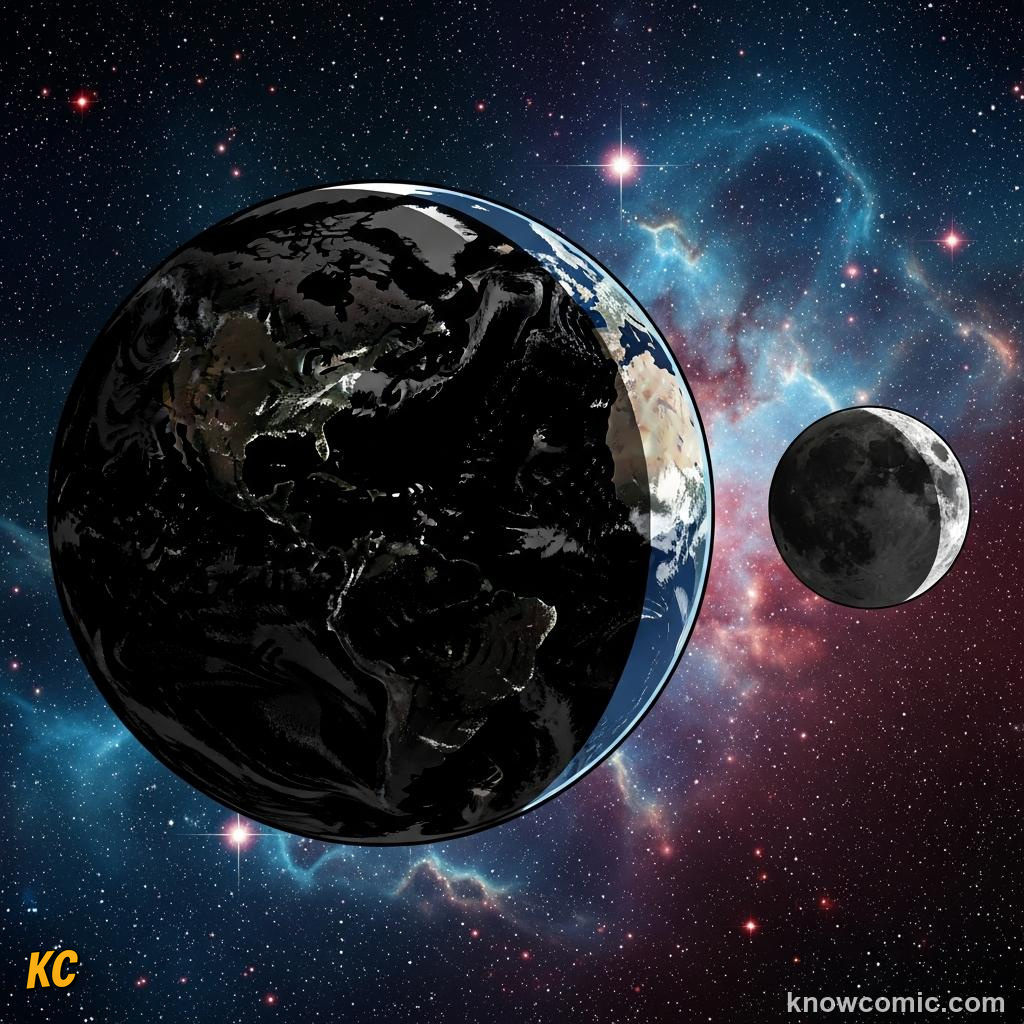
🌍 ~1/4 Earth diameter
⚖️ Mass ~1/81 of Earth
⚖️ Mass ~1/81 of Earth
GAP
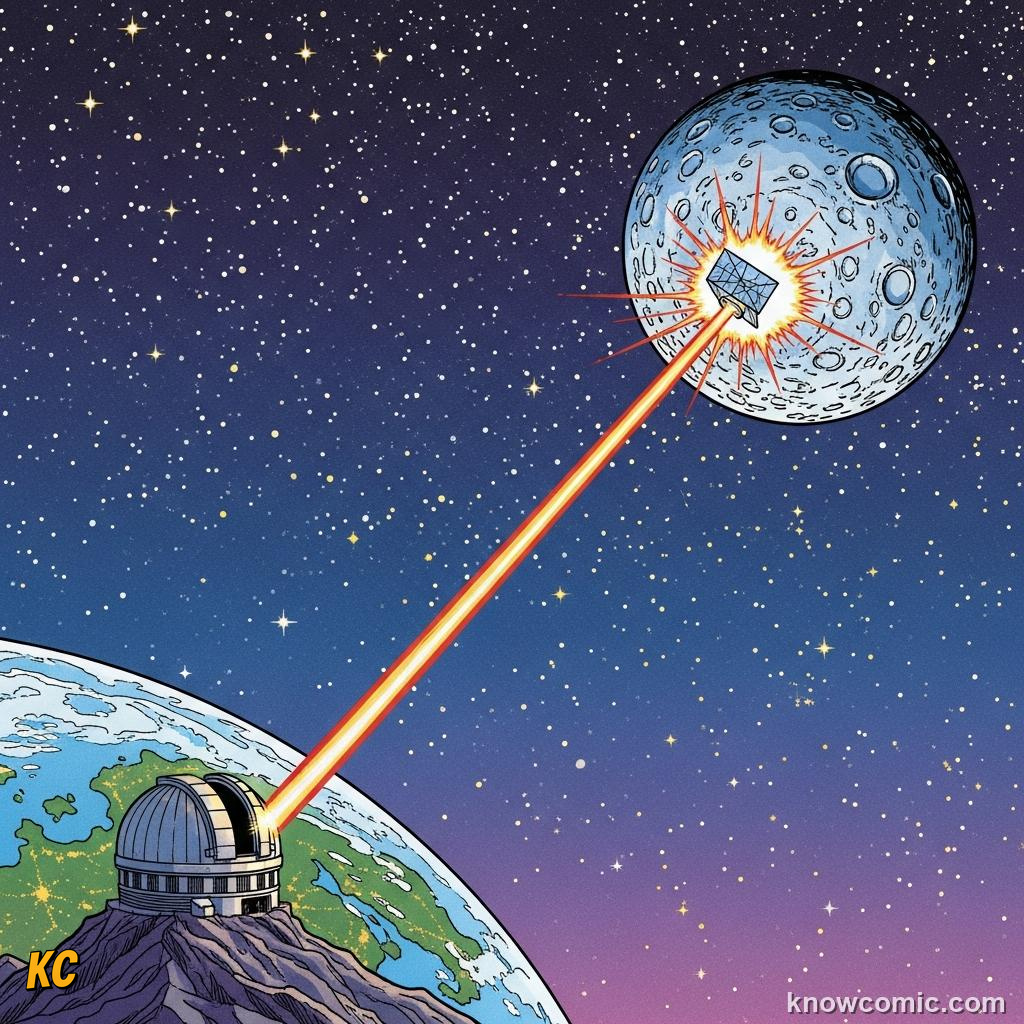
📏 ~384 000 km average
🛰️ Few days by spacecraft
🛰️ Few days by spacecraft