🌿
🦕
⛏️
🌱 KNOW PRIMARY · AGES 6–11

PLANTS &
BOTANY

🌱 From Tiny Seeds to Ancient Giants, The Living World!

📖 200 Topics 🆓 FREE + PRO ⏱️ 5 min per comic 🧠 Quiz included
🌿
FERNS APPEAR
360 Million Years Ago
🏭
CARBONIFEROUS BEGINS
359 Million Years Ago
🌲
GIANT TREE FERNS
320 Million Years Ago
❄️
FORESTS COLLAPSE
298 Million Years Ago
🌍
FERNS TODAY
12,000 Species Still Alive
🌿 FERNS AND THE CARBONIFEROUS FOREST
TOPIC 06 · PLANTS & BOTANY · CARBONIFEROUS · 358–298 MILLION YEARS AGO
PAGE 1 OF 5, WHAT IS A FERN?
360 MILLION YEARS OLD
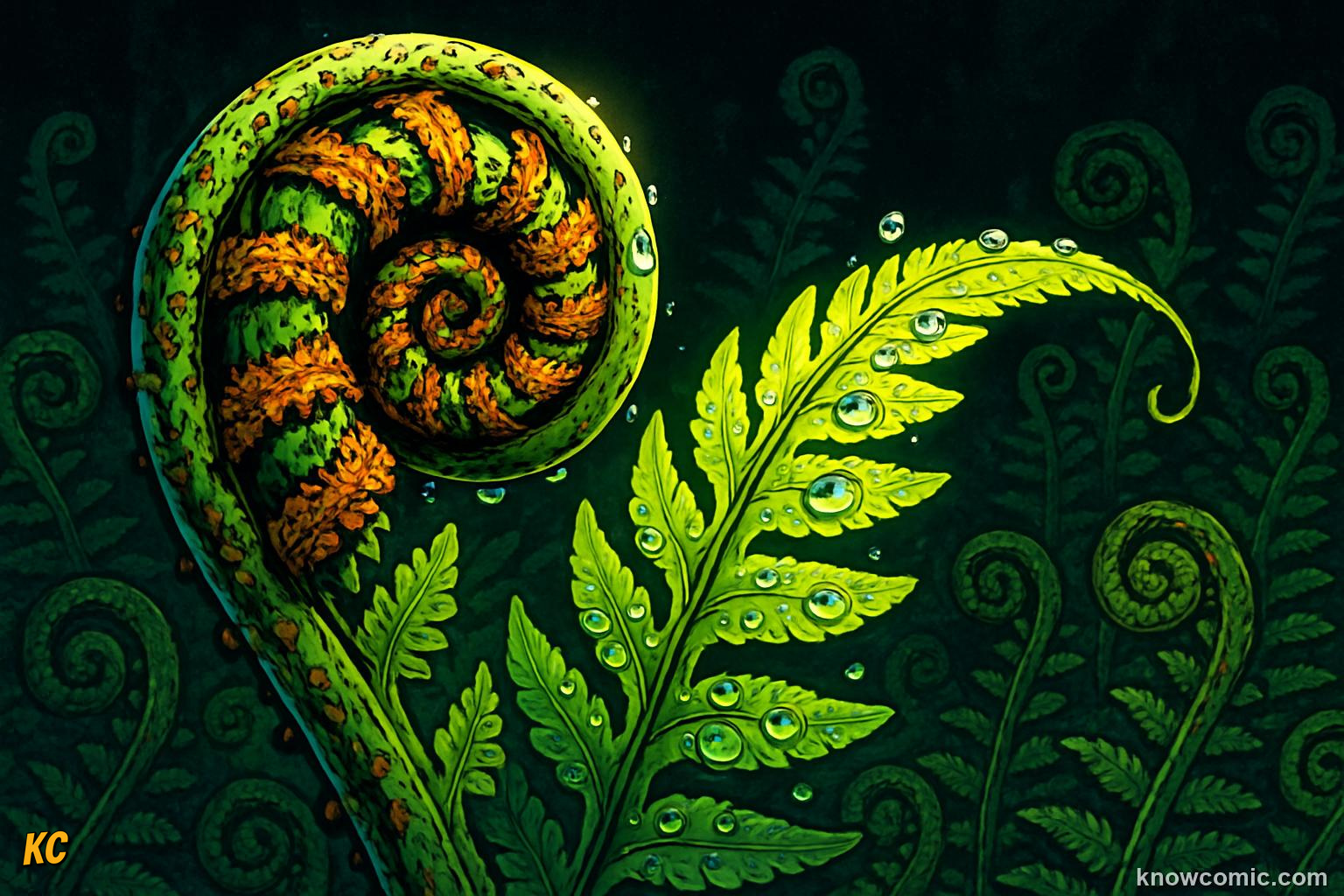
Fern fiddlehead unfurling into a frond showing a 360 million year old plant design
THE MOST ANCIENT PLANT YOU KNOW
Pick up any fern today, a garden fern, a rainforest fern, a fern growing from a stone wall, and you are holding one of the most ancient plant designs on Earth. Ferns appeared 360 million years ago, long before flowers, long before trees as we know them, long before dinosaurs walked. They have barely changed since. The curled fiddlehead that uncurls into a frond, the spore dots on the underside of leaves, the preference for damp shadowy places, it's the same design used for 360 million years. Ferns are living time capsules.
ANCIENT!
FERN ANATOMY
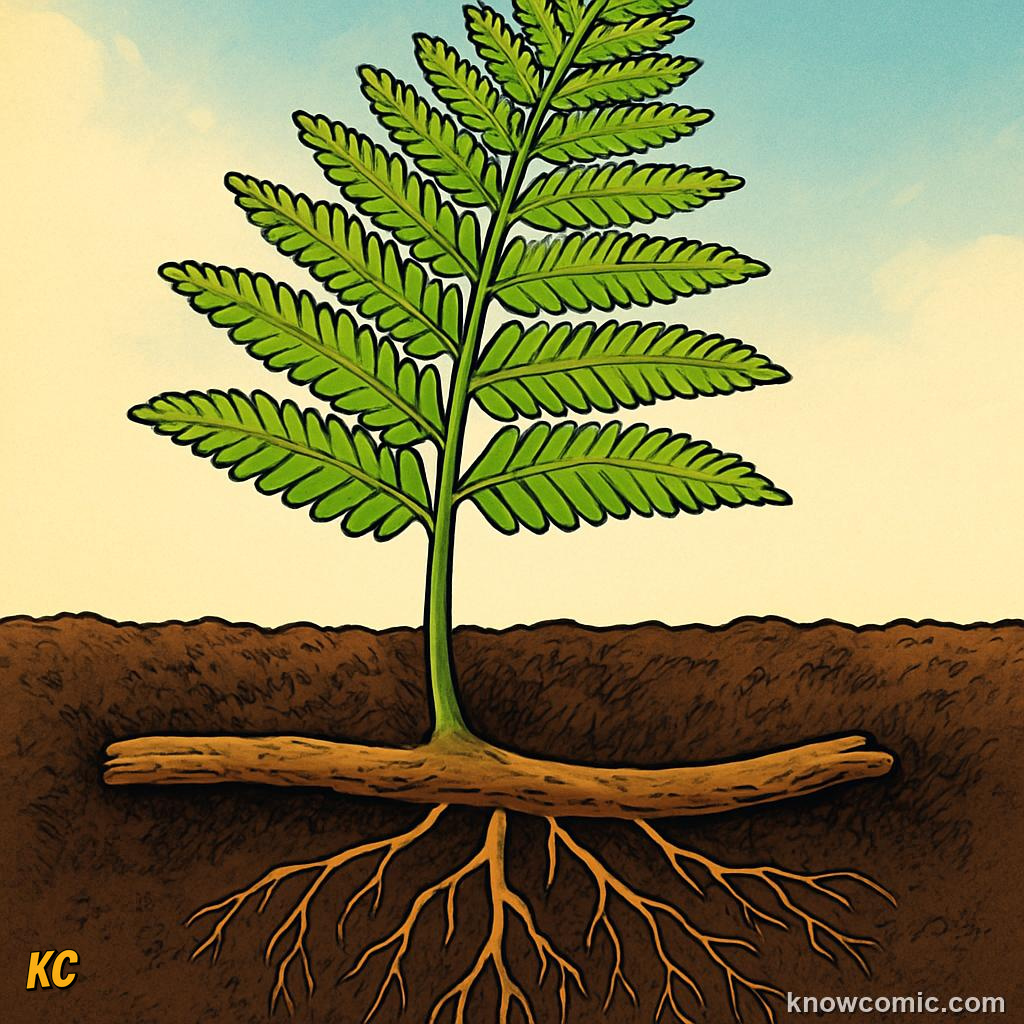
Fern anatomy diagram showing fronds divided into pinnae and underground rhizome stem
🌿 Frond: the leaf, divided into many pinnae
🌱 Rhizome: underground stem, the fern's true trunk
NO SEEDS!
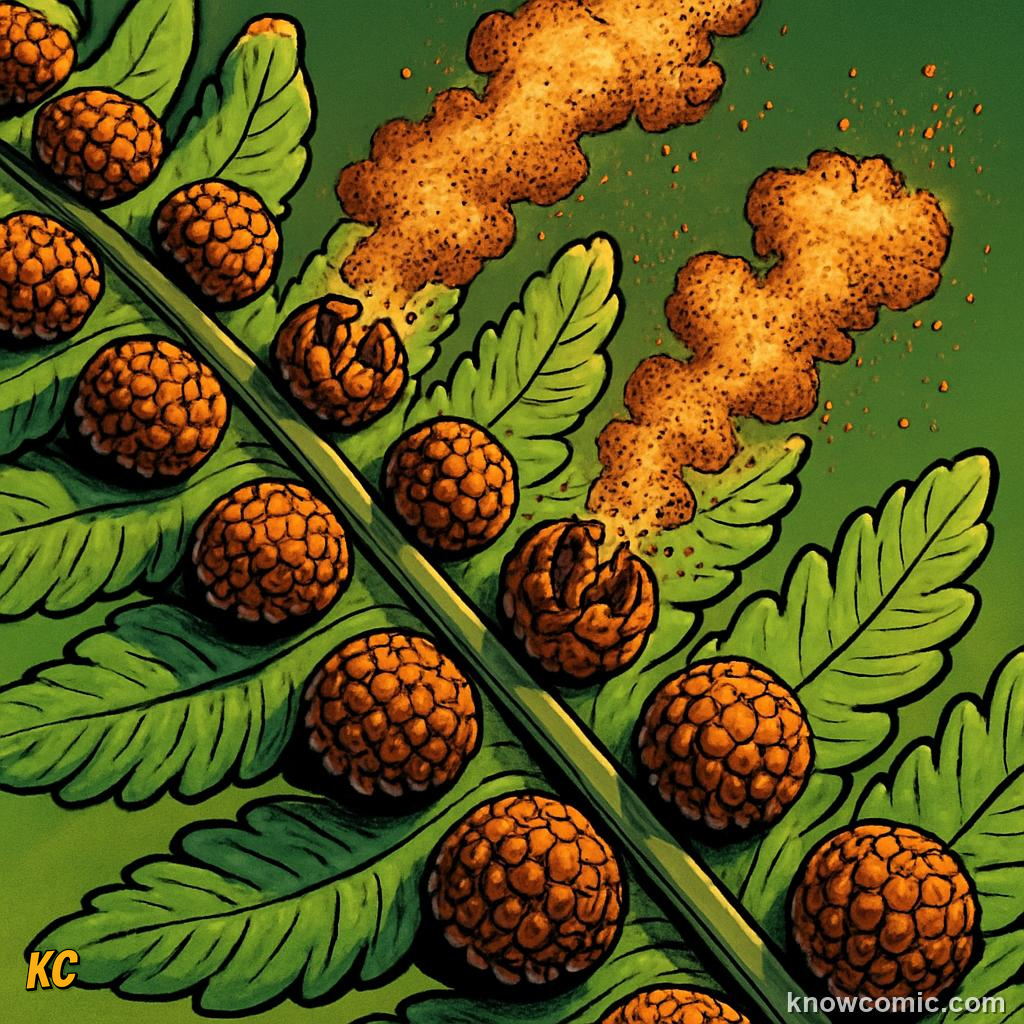
Sori dot clusters of spores under fern fronds releasing millions of tiny spores into air
🔬 Sori: dot-clusters of spores under fronds
💨 One fern releases millions of spores into the air
PAGE 2 OF 5, THE AGE OF FERNS
358–298 MILLION YEARS AGO
Vast Carboniferous fern forest with giant tree ferns dominating the humid swampy landscape
THE CARBONIFEROUS, EARTH'S AGE OF FERNS
The Carboniferous Period (358–298 million years ago) was ferns' greatest hour. They didn't just grow in the understorey, they dominated everything. Tree ferns with trunks as thick as your waist soared 10–20 metres into the humid air. Metre-wide fronds formed a continuous canopy over vast swampy lowlands. Seed ferns, a separate group that looked like ferns but produced seeds, competed for every patch of light. Ground-level ferns carpeted the dark forest floor in dense green mats. In every direction: ferns. The entire visible world of land plants was dominated by them. For 60 million years.
DOMINANT!
PSARONIUS
Psaronius giant tree fern ten metres tall with a trunk fifty centimetres wide
🌲 Giant tree fern, 10m tall, trunk 50cm wide
🌿 Enormous fronds spread like a palm tree crown
SEED FERNS
Seed ferns that looked like ferns but produced seeds on frond edges instead of spores
🌱 Looked like ferns, but produced seeds, not spores
🔬 A completely separate evolutionary group
FOREST FLOOR
Dense carpet of ground ferns covering the dark damp floor of a Carboniferous swamp forest
🍃 Ground ferns carpeted the swamp floor
💧 Dark, damp, warm, perfect fern conditions
PAGE 3 OF 5, LIFE IN THE FERN FOREST
GIANT BUGS
Giant Arthropleurid millipede 2.5 metres long crawling across Carboniferous fern forest floor
🪲 Arthropleurid millipedes: 2.5m long on fern floors
🪳 Giant cockroaches: 9cm, ruled the leaf litter
SWAMP LIFE
Giant prehistoric amphibians prowling swamp waters beneath hanging fern roots in murky depths
🐊 Giant amphibians prowled swamp waters
🌿 Fern roots hung into the dark water below
FULL ECOSYSTEM
Complete Carboniferous fern forest ecosystem with tree ferns giant insects and ancient amphibians
A COMPLETE WORLD, ALL BUILT ON FERNS
The Carboniferous fern forest was a complete ecosystem, one of the first truly complex land ecosystems Earth had ever produced. Tree ferns formed the canopy at 10–20 metres. Below them, medium ferns and seed ferns competed for filtered light. The damp forest floor was carpeted in ground ferns, mosses, and accumulating leaf litter. Giant insects, 2.5-metre millipedes, 70-centimetre dragonflies, enormous cockroaches, thrived in the thick oxygen-rich air. In the swamp water, huge early amphibians hunted. Every layer of this world was dominated by or dependent on ferns. No other period in Earth's history was so thoroughly ruled by a single plant group.
TEEMING!
PAGE 4 OF 5, HOW FERN FORESTS BECAME COAL
THE GREAT BURIAL
Dead tree ferns piling up in oxygen-poor swamp water before slowly transforming into coal
FERNS THAT DIED 300 MILLION YEARS AGO STILL HEAT YOUR HOME
When Carboniferous fern trees died and fell into the swamps, they should have rotted, but they didn't. Bacteria hadn't yet evolved the enzymes to break down lignin, the tough compound in woody plant stems. So dead ferns simply piled up, layer upon layer, in the oxygen-poor swamp water. Over millions of years, heat and pressure from overlying rock compressed these layers into peat, then lignite, then coal. The coal we mine today is made almost entirely from Carboniferous fern forests. Every tonne of coal contains the compressed remains of trees that once spread their fronds in a world without mammals, without birds, without flowers. A fern forest, turned to stone.
BURIED!
FERN FOSSIL IN COAL
Perfect fern frond fossil impression preserved in black coal for 300 million years
⛏️ Coal often contains perfect fern fossil impressions
🌿 The frond pattern still visible after 300 million years
SHALE FOSSIL
Detailed fern fossil preserved in shale rock showing exact species from 300 million years ago
🪨 Shale preserves fern fossils in breathtaking detail
🔬 Tells us exactly which species lived 300 Ma ago
THE LEGACY
Industrial Revolution steam engine running on coal that was once ancient Carboniferous fern forest
🏭 Industrial Revolution ran entirely on fern-coal
🚂 Every steam train burned Carboniferous fern forests
PAGE 5 OF 5, FERNS TODAY: 12,000 SPECIES STRONG
THE SURVIVORS
Diverse modern ferns from 12000 species surviving on every continent after five mass extinctions
SURVIVORS OF FIVE MASS EXTINCTIONS
The Carboniferous ended 298 million years ago when the climate dried and the great fern forests collapsed. But ferns didn't die out, they adapted. Today, 12,000 species of ferns grow on every continent including Antarctica. They live in tropical rainforests, temperate woodlands, Arctic tundra, and on cliff faces. Tree ferns still tower to 20 metres in the rainforests of New Zealand and Australia. Ferns have survived five major mass extinctions, including the one that wiped out the dinosaurs. They are, in every sense, the most resilient plant design Earth has ever produced. In your garden, on your walls, in your houseplant pot: a 360-million-year success story.
UNBEATABLE!
PIONEER PLANTS
Pioneer ferns returning to bare volcanic ground as first plants after a major eruption
🌋 After Krakatoa erupted, ferns were first back
💨 Spores travel thousands of km, colonise bare rock
REMEMBER
🌿 KEY FACTS
Ferns are 360 million years old. The Carboniferous (358–298 Ma) was their golden age. Giant tree ferns reached 20 metres. Bacteria couldn't rot them, so they became coal. Every tonne of coal is compressed fern forest. Today 12,000 species survive on every continent.
🌿 Fern → Died in swamp
🪨 Swamp → Compressed to coal
🔥 Coal → Industrial Revolution
🧠 QUIZ TIME!
FERNS AND THE CARBONIFEROUS FOREST · 5 QUESTIONS
QUESTION 01
How do ferns reproduce, and what makes this completely different from flowering plants?
QUESTION 02
Which geological period is known as the "Age of Ferns" when they dominated Earth?
QUESTION 03
Why didn't Carboniferous fern trees rot when they fell, and what did they become instead?
QUESTION 04
How many species of ferns still exist on Earth today, and where do they live?
QUESTION 05
Why are ferns often the very first plants to return after volcanic eruptions or nuclear disasters?
0/5
LOADING...
← TOPIC 05 📋 ALL TOPICS TOPIC 07 →