🌎 Learn Football from Zero to Expert, One Comic at a Time!
📖 100 Topics🆓 ALL FREE⏱️ 5 min per comic🧠 Quiz included
⚽
EARLY FOOTBALL
Goals Counted by Eye
→
🥅
THE GOAL LINE
Whole Ball Must Cross
→
😬
OWN GOALS
Oops Into Your Net
→
📡
2014 BRAZIL
Goal Line Tech Arrives
→
🏆
WORLD CUP 2026
Every Goal Verified
⚽ GOALS, ASSISTS & OWN GOALS
TOPIC 12 · WORLD CUP 2026 · LEVEL 1 · THE BASICS
PAGE 1 OF 5, WHAT COUNTS AS A GOAL
CROSS THE LINE
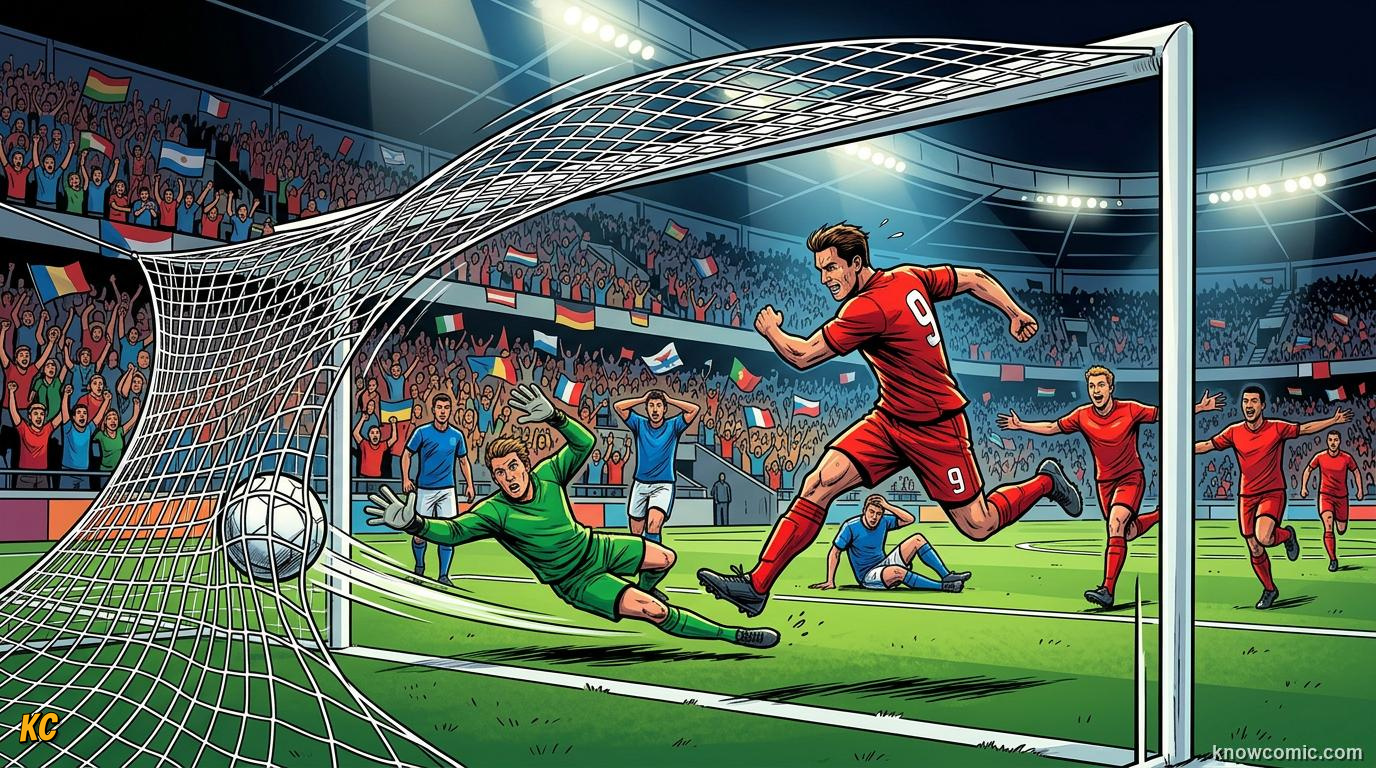
THE WHOLE BALL, THE WHOLE LINE
A goal is the moment the ball fully crosses the goal line between the posts and under the crossbar. Not half the ball. Not the ball touching the line. The entire ball must be over the line and inside the goal. That is why close calls make fans hold their breath: if even a tiny slice of the ball still sits on the grass outside the net, it is not a goal yet. Strikers can score with their foot, head, chest, or any legal body part except hands and arms. Once the referee confirms the ball crossed completely, the scoring team gets one point and play restarts from the center circle.
⚡ DID YOU KNOW?
The ball can hit the post, bounce on the line, and roll back out. If the whole ball never fully crosses the line, no goal is given. That is one reason goal line technology exists at the World Cup.
GOAL!
ON THE LINE
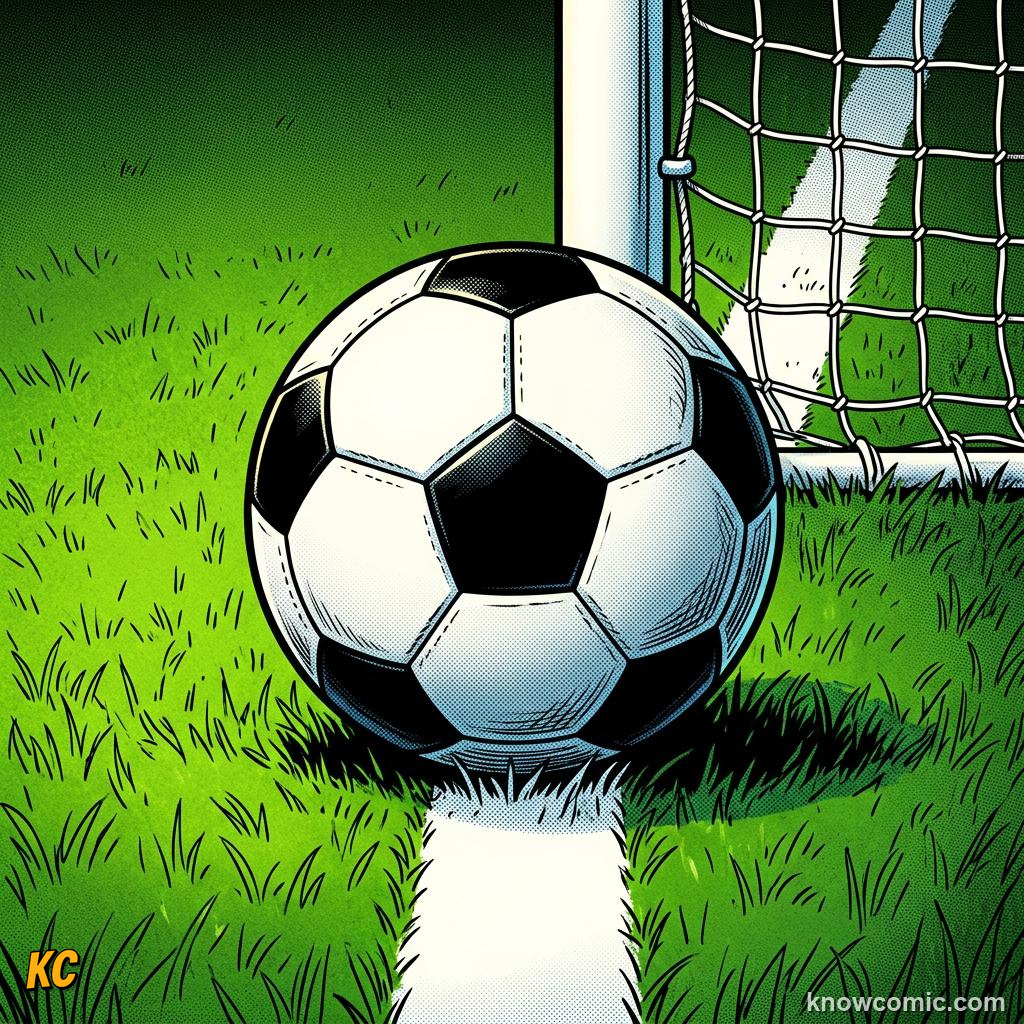
📏 Ball on the line = no goal
✅ All of the ball must cross
IN THE NET
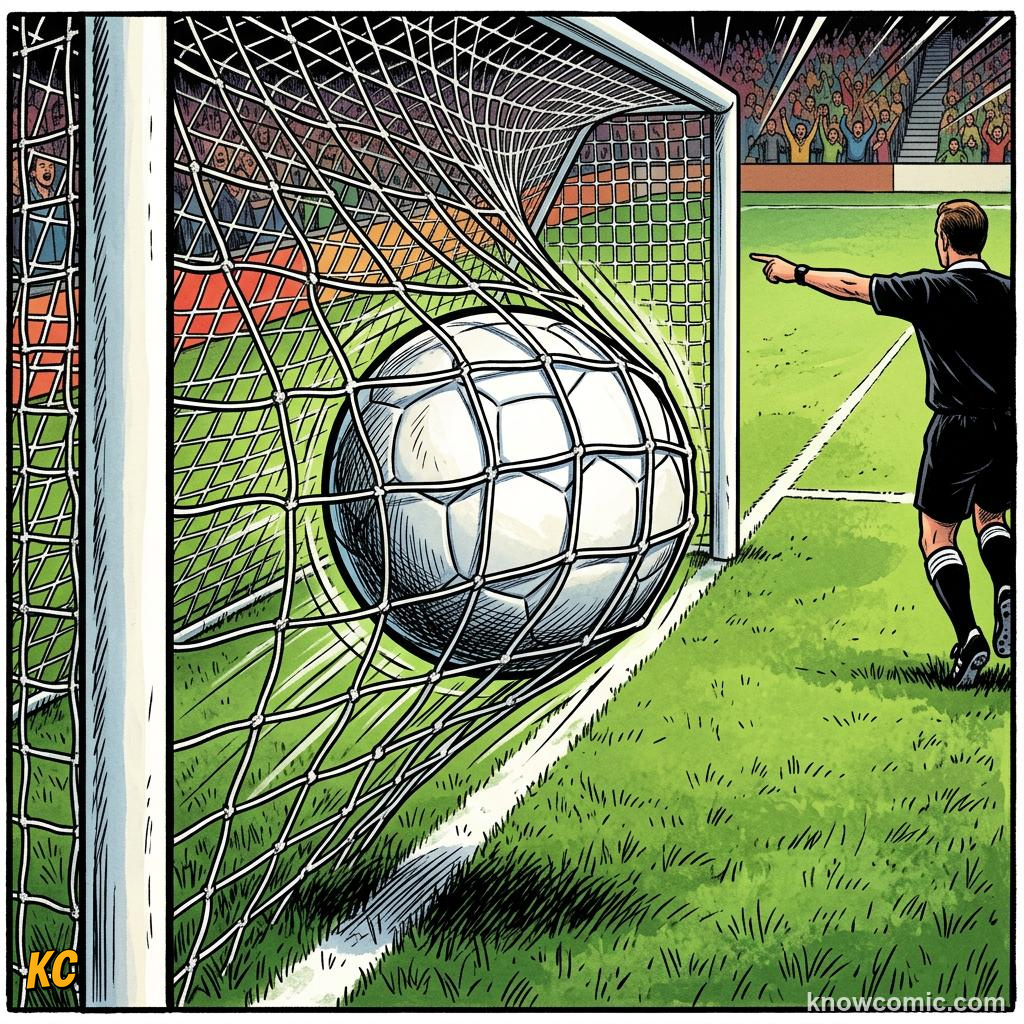
🥅 Net bulges = goal confirmed
🎉 One point on the scoreboard
PAGE 2 OF 5, THE ASSIST
SET IT UP
THE PASS BEFORE THE GOAL
An assist is the final pass or action that directly sets up a goal. The player who scores gets the goal on the stat sheet, but the teammate who made the clever pass gets credit for the assist. Think of it as the setup move: a through ball that splits the defense, a cross from the wing, or a quick one-two exchange that opens space. Assists reward vision and teamwork, not just the player who finishes. At the World Cup, top playmakers chase the assist leaderboard almost as hard as the Golden Boot for most goals. One perfect pass can be just as valuable as the strike itself.
⚡ TWO ASSISTS?
Officially only the last pass before a goal counts as the assist. Earlier passes in the build-up are great teamwork, but stats record just one assist per goal.
ASSIST!
THE FINAL PASS
🎯 Last pass before the shot
📊 Counts as one assist
CREATIVE SETUP
🧠 Vision opens the defense
🤝 Teamwork beats solo runs
SHARE THE CREDIT
⚽ Scorer gets the goal
🙌 Passer gets the assist
PAGE 3 OF 5, THE OWN GOAL
DEFLECTION
💥 Shot hits a defender
🔄 Ball ricochets into the net
OOPS MOMENT
😬 Defender covers his face
🎁 Gift for the other team
WRONG NET
SCORING FOR THE OTHER TEAM
An own goal happens when a player accidentally puts the ball into their own net. It still counts as a goal, but it goes to the opposing team, not the player who touched it last. Common own goals come from misjudged headers, wild deflections off a defender's body, or panicked clearances that fly past the goalkeeper. The unlucky player is recorded as scoring an own goal on the match sheet, which is every defender's nightmare. Own goals can decide World Cup knockout games in seconds. They are embarrassing, but they are part of football. Even great players have scored into their own net at the highest level.
⚡ WHO GETS CREDIT?
The opposing team gets the goal on the scoreboard. The defender who last touched the ball into the net is listed as the own goal scorer. There is no assist on an own goal.
OOPS!
PAGE 4 OF 5, GOAL LINE TECHNOLOGY
MILLIMETER PERFECT
CAMERAS WATCH THE LINE
Goal line technology uses high-speed cameras inside the goal frame to track the ball every millisecond. When the whole ball crosses the line, a signal buzzes on the referee's watch within one second. No more guessing from fifty yards away. The system debuted at the 2014 World Cup in Brazil and has been used at every World Cup since. It only answers one question: did the entire ball cross the goal line? It does not judge offside or fouls. That job belongs to VAR. Together, these tools make sure every World Cup goal is fair and accurate, even when the human eye cannot tell from the sideline.
⚡ ONE SECOND
Seven cameras sit inside each goal frame. They track the ball 500 times per second. When a goal is confirmed, the referee's wrist device vibrates instantly so play can continue without long delays.
TECH!
HAWKEYE CAMERAS
📷 Cameras inside the goal frame
🔍 Track the ball 500 times a second
WRIST SIGNAL
⌚ Referee's watch buzzes
✅ Goal confirmed in one second
CLOSE CALL
📏 Ball over the line by millimeters
🥅 No more "did it cross?" debates
PAGE 5 OF 5, SCOREBOARD AND RECAP
ON THE BOARD
HOW GOALS CHANGE THE GAME
Every confirmed goal updates the scoreboard and shifts the whole match. A single strike can turn a draw into a lead, force a team to attack desperately, or seal a knockout victory. World Cup fans watch the scoreboard as closely as the ball. Goals from open play, penalties, free kicks, and headers all count the same: one point each. Own goals count too, but for the team that did not touch the ball on purpose. Assists appear on player stats but not on the main scoreboard. Understanding goals, assists, and own goals helps you read the match like an expert from the first whistle to the final celebration.
⚡ GOLDEN BOOT
At every World Cup, the Golden Boot goes to the top goal scorer. Assists have their own leaderboard too. Both stats celebrate the players who decide matches with their finishing and their vision.
SCORE!
THE SCOREBOARD
🔢 Every goal adds one point
📺 Stadium erupts when it changes
REMEMBER
📋 KEY FACTS
A goal counts when the whole ball crosses the whole goal line. An assist is the final pass that sets up the goal. An own goal goes to the other team. Goal line technology confirms close calls in one second at the World Cup.
⚽ Whole ball over the line
🎯 Assist = final setup pass
😬 Own goal = wrong net