🩹
🧊
🏥
⚽ FOR KIDS & EVERYONE · NO EXPERIENCE NEEDED

WORLD CUP
2026

🩹 Physio · Ice Bath · Healing

📖 100 Topics 🆓 ALL FREE ⏱️ 5 min per comic 🧠 Quiz included
🦵
HAMSTRING
Sprint Injury
🦴
ACL
Knee Damage
🦶
SPRAIN
Ankle Twist
🧊
RICE
First Aid
🏆
WORLD CUP 2026
Race to Fit
🩹 INJURIES & RECOVERY SCIENCE
TOPIC 51 · WORLD CUP 2026 · LEVEL 4 · SCIENCE & TECH
PAGE 1 OF 5 · THE INJURY CLOCK
MATCH DAY RISK
Comic panel titled when legs snap, labelled match day risk, from the KnowComic World Cup 2026 lesson on injuries & recovery science
WHEN LEGS SNAP
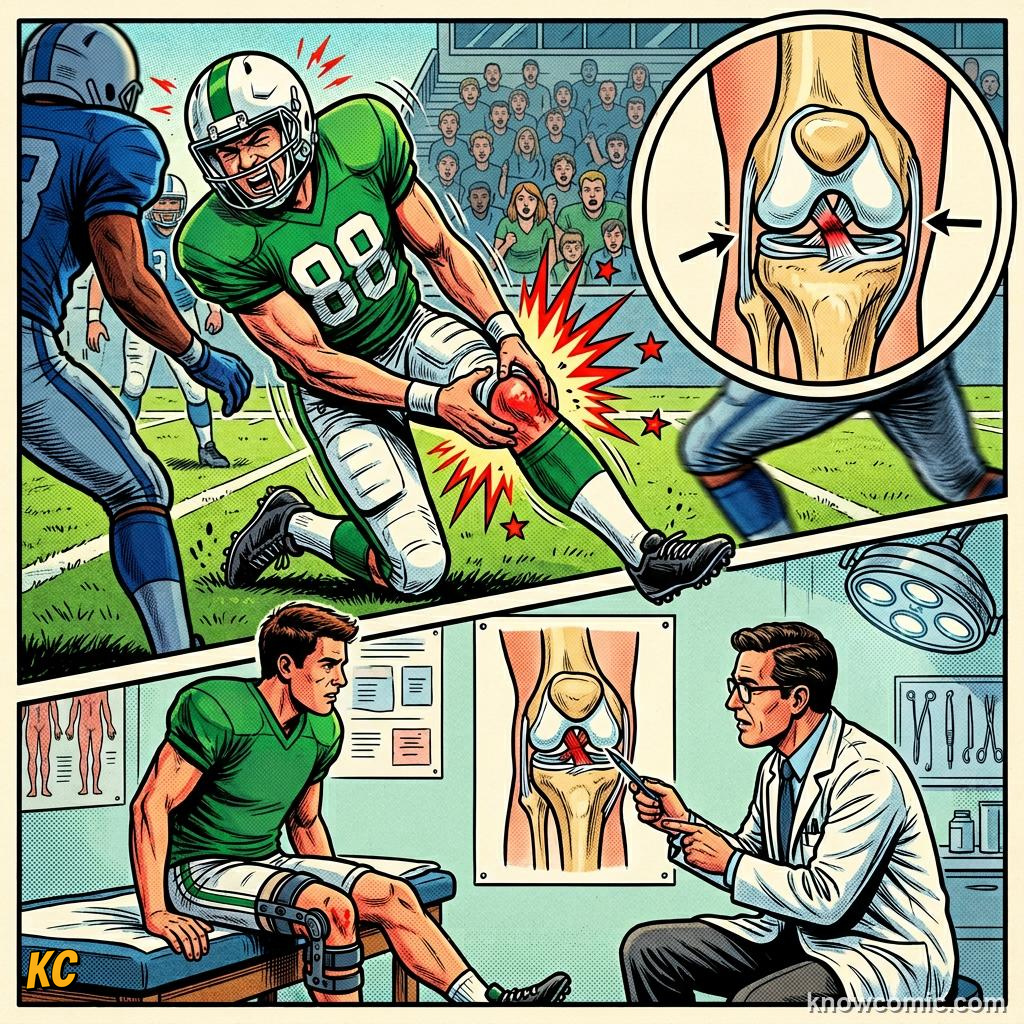
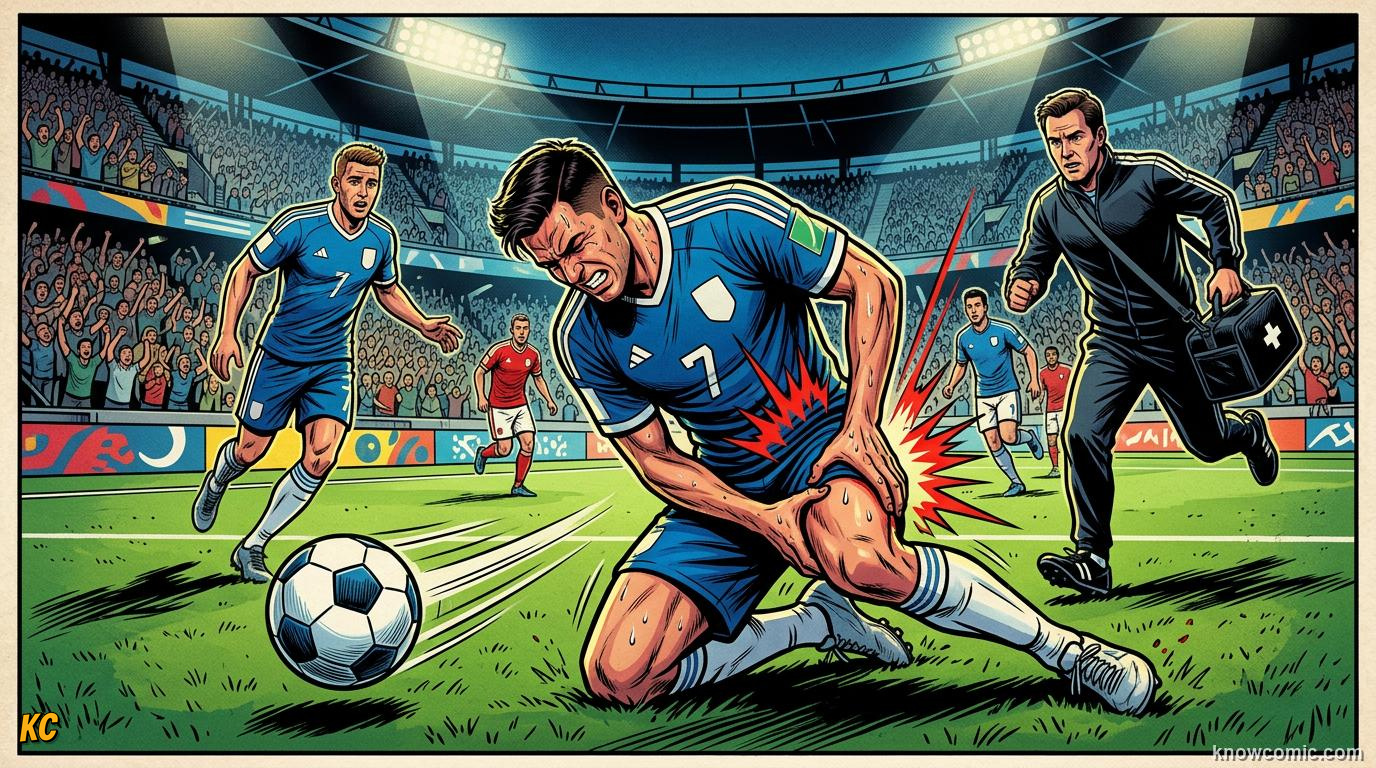
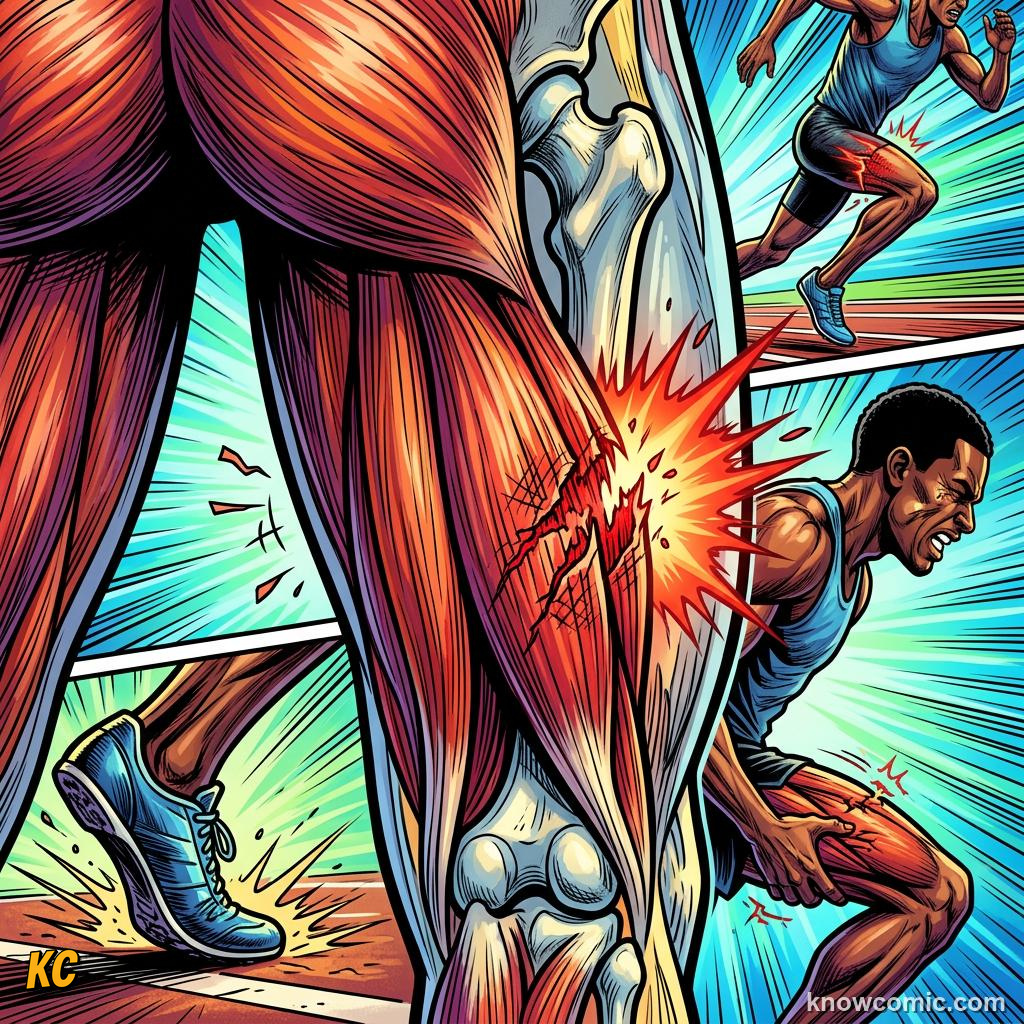
Football is beautiful until a muscle tears. Hamstring strains are the most common injury in the sport. They happen when a player sprints, stops suddenly, or stretches for a ball. The hamstring is a group of three muscles behind the thigh. A grade one strain means tiny fibre tears and a few days off. Grade two can sideline a star for weeks. Grade three is a full rupture that may need surgery. ACL tears are worse. The anterior cruciate ligament inside the knee snaps during sharp turns or awkward landings. Recovery takes nine to twelve months. Ankle sprains strike when studs catch in turf or a tackle twists the joint. At a World Cup, one injury can end a dream. Every squad carries physios who read the pitch like doctors read X-rays. They know which players are one sprint away from disaster.
⚡ DID YOU KNOW?
Hamstring injuries account for about 12 percent of all football injuries. Most happen in the final third of a match when muscles are tired and cold.
OUCH!
HAMSTRING
Comic panel titled doctors of the pitch, labelled hamstring, from the KnowComic World Cup 2026 lesson on injuries & recovery science
🦵 Thigh muscle tears on sprints
⏱️ Weeks to months to heal
ACL
Comic panel titled doctors of the pitch, labelled acl, from the KnowComic World Cup 2026 lesson on injuries & recovery science
🦴 Knee ligament snaps on turns
🏥 Surgery and long rehab
PAGE 2 OF 5 · THE PHYSIO TEAM
SIDELINE SCIENCE
Comic panel titled doctors of the pitch, labelled sideline science, from the KnowComic World Cup 2026 lesson on injuries & recovery science
DOCTORS OF THE PITCH
Every World Cup squad travels with a physio team that works like a mini hospital. Physiotherapists assess injuries within seconds of a player going down. They test range of motion, check swelling, and decide if someone can continue or must leave. Massage therapists loosen tight muscles before kickoff. Sports doctors order MRI scans to see inside damaged tissue. Rehabilitation coaches design daily exercise plans that rebuild strength without rushing back too soon. Return-to-play protocols are strict. A player must pass fitness tests, often including sprint drills and jump tests, before the manager selects them again. At tournaments, physios work through the night in treatment rooms. Ice packs, foam rollers, and stretching mats fill hotel corridors. The best physios read body language too. A wince during warm-up tells them more than any scan. Their job is to keep eleven fit bodies on the pitch when the whole nation is watching.
⚡ PHYSIO FACT
Top clubs employ five to ten full-time physios. World Cup squads typically bring three to four specialists who treat players from dawn until bedtime.
HEAL!
ASSESS
Comic panel titled first minutes matter, labelled assess, from the KnowComic World Cup 2026 lesson on injuries & recovery science
🔍 Quick tests on the sideline
📋 MRI confirms the damage
TREAT
Comic panel titled first minutes matter, labelled treat, from the KnowComic World Cup 2026 lesson on injuries & recovery science
💆 Massage and manual therapy
🧊 Ice reduces swelling fast
REHAB
Comic panel titled first minutes matter, labelled rehab, from the KnowComic World Cup 2026 lesson on injuries & recovery science
🏋️ Gradual strength rebuilding
✅ Fitness tests before return
PAGE 3 OF 5 · RICE AND FIRST AID
REST
Comic panel titled first minutes matter, labelled rest, from the KnowComic World Cup 2026 lesson on injuries & recovery science
🛑 Stop playing immediately
🛋️ Let tissue repair itself
COMPRESS
Comic panel titled first minutes matter, labelled compress, from the KnowComic World Cup 2026 lesson on injuries & recovery science
🩹 Bandages wrap the joint
🧦 Compression socks help calves
RICE METHOD
Comic panel titled first minutes matter, labelled rice method, from the KnowComic World Cup 2026 lesson on injuries & recovery science
FIRST MINUTES MATTER
RICE is the classic first-aid formula every physio knows by heart. Rest means stopping play so torn fibres do not worsen. Ice constricts blood vessels and reduces swelling. Apply a cold pack for 15 to 20 minutes, never directly on bare skin. Compression bandages squeeze fluid away from the injury site. Elevation means raising the leg above heart level so gravity drains excess fluid. For ankle sprains, this combo can cut recovery time dramatically. Modern teams add P for protection, making it PRICE. Splints and tape stabilise joints during early healing. Anti-inflammatory medicine helps pain but does not speed tissue repair. The golden rule is never rush back. Playing on a minor sprain can turn it into a major layoff. World Cup physios apply RICE within minutes in the treatment room behind the bench. Those first hours set the timeline for whether a star plays in the semi-final or watches from the stands.
⚡ ICE RULE
Ice works best in the first 48 hours after injury. After that, gentle movement and heat therapy often help more than continued freezing.
RICE!
PAGE 4 OF 5 · ICE BATHS AND COMPRESSION
COLD SCIENCE
Comic panel titled the ice bath ritual, labelled cold science, from the KnowComic World Cup 2026 lesson on injuries & recovery science
THE ICE BATH RITUAL
After a brutal match, players slide into ice baths like polar explorers. Water sits around 10 to 15 degrees Celsius. Legs stay submerged for ten to fifteen minutes while teammates joke to distract from the sting. Cold water flushes lactic acid and reduces inflammation in micro-tears across the muscles. It is uncomfortable but effective. Compression boots are the space-age alternative. Players sit in chairs while inflatable sleeves squeeze calves and thighs in waves, pushing blood through tired tissue. Some squads use cryotherapy chambers that chill the whole body for three minutes at minus 110 degrees. The science is debated, but elite athletes swear by the routine. What matters is consistency. Recovery is a daily habit, not a one-time fix. During a World Cup, ice baths happen after every game and often after training too. Combined with stretching and proper sleep, they help players survive four matches in two weeks when their bodies scream for rest.
⚡ COMPRESSION
Compression garments increase blood flow and reduce muscle vibration during play. Many players wear compression shorts under their kits for both performance and recovery.
COLD!
ICE BATH
Comic panel titled fit for world cup 2026, labelled ice bath, from the KnowComic World Cup 2026 lesson on injuries & recovery science
🧊 Cold water reduces swelling
⏱️ 10 to 15 minutes post-match
BOOTS
Comic panel titled fit for world cup 2026, labelled boots, from the KnowComic World Cup 2026 lesson on injuries & recovery science
👢 Inflatable sleeves pump blood
🔄 Mimics natural muscle action
SLEEP
Comic panel titled fit for world cup 2026, labelled sleep, from the KnowComic World Cup 2026 lesson on injuries & recovery science
😴 Eight to ten hours rebuilds muscle
🌙 Growth hormone peaks at night
PAGE 5 OF 5 · RACE TO THE FINAL
WORLD CUP HEALING
Comic panel titled fit for world cup 2026, labelled world cup healing, from the KnowComic World Cup 2026 lesson on injuries & recovery science
FIT FOR WORLD CUP 2026
The greatest recovery story in football is making the final after a mid-tournament injury scare. Managers hide injury news like state secrets. Opponents study limps and taped ankles for clues. Sports scientists track sleep quality, muscle soreness scores, and blood markers of inflammation. Nutrition fuels repair with protein shakes, omega-3 fish, and antioxidant fruits. Hydrotherapy pools let players exercise without pounding joints. Mental health matters too. Injured stars work with psychologists to stay focused during lonely rehab weeks. The 2026 World Cup spans summer heat across North America with a packed schedule. Squads that master recovery science gain an edge. A fresh substitute in the 85th minute can score the winner while tired opponents cramp. Injuries will happen. The teams that heal fastest will lift the trophy. Every ice bath, every hour of sleep, every careful physio session is a step toward that moment.
⚡ WORLD CUP 2026
The expanded tournament means less rest between knockout rounds. Recovery teams will be as important as strikers and goalkeepers.
BACK!
FUEL
Comic panel labelled fuel, illustrating injuries & recovery science in KnowComic's World Cup 2026 series
🥩 Protein rebuilds torn fibres
🐟 Anti-inflammatory foods help
REMEMBER
🩹 KEY FACTS
Hamstrings, ACL tears, and ankle sprains are football's top injuries. Physios use RICE, ice baths, compression, and sleep science. World Cup squads race to heal stars before the final whistle of the tournament.
🧊 Ice reduces swelling fast
😴 Sleep is the secret healer
🏆 Recovery wins World Cups
🧠 QUIZ TIME!
INJURIES & RECOVERY SCIENCE · 5 QUESTIONS
QUESTION 01
What is the most common muscle injury in football?
QUESTION 02
What does the R in RICE stand for?
QUESTION 03
How long can ACL surgery recovery typically take?
QUESTION 04
Why do players use ice baths after matches?
QUESTION 05
Why is sleep so important for injury recovery?
0/5
LOADING...
← TOPIC 50 📋 ALL TOPICS TOPIC 52 →