🪙
💵
📱
✦ KNOW PRIMARY · ECONOMICS · AGES 6 TO 11 ✦

WHAT IS
MONEY?

It buys things when enough people agree it will. The form changes. The trust part stays.

📖 200 Topics 🆓 FREE + PRO ⏱️ 5 min per comic 🧠 Quiz included
🔄
BARTER
Swap stuff
🐚
THING
Salt or shells
🪙
COIN
Metal with a stamp
📜
PAPER
A promise on a note
📲
TAP
Numbers on a phone
💰 WHAT IS MONEY?
TOPIC 06 · ECONOMICS · SWAP HELPER, PRICE RULER, SAVINGS JAR
PAGE 1 OF 5 · THREE JOBS MONEY DOES
MONEY IN SIMPLE WORDS
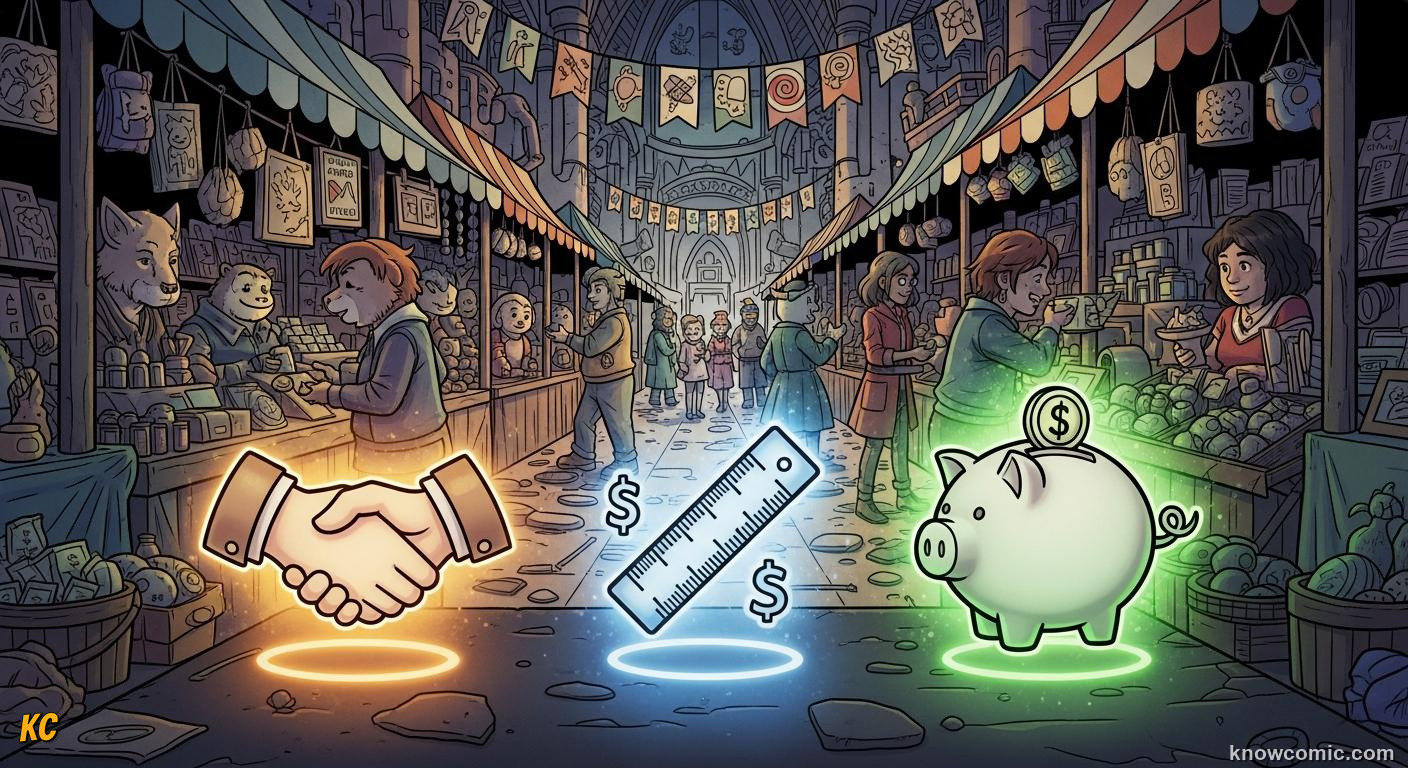
Three jobs of money shown as medium of exchange unit of account and store of value
SOMETHING EVERYONE WILL TAKE
Money is what people usually use to pay. It can be metal, paper, or numbers on a screen. Teachers list three jobs. First, medium of exchange: you trade money for bread. You do not need to swap boots for butter. Second, unit of account: tags use one unit so you can compare a haircut and a bus ride. Third, store of value: you can save it for next week when prices stay calm enough.
💡 TINY TRUE FACTS
Some books add a fourth idea for loans.
JOBS
MEDIUM OF EXCHANGE
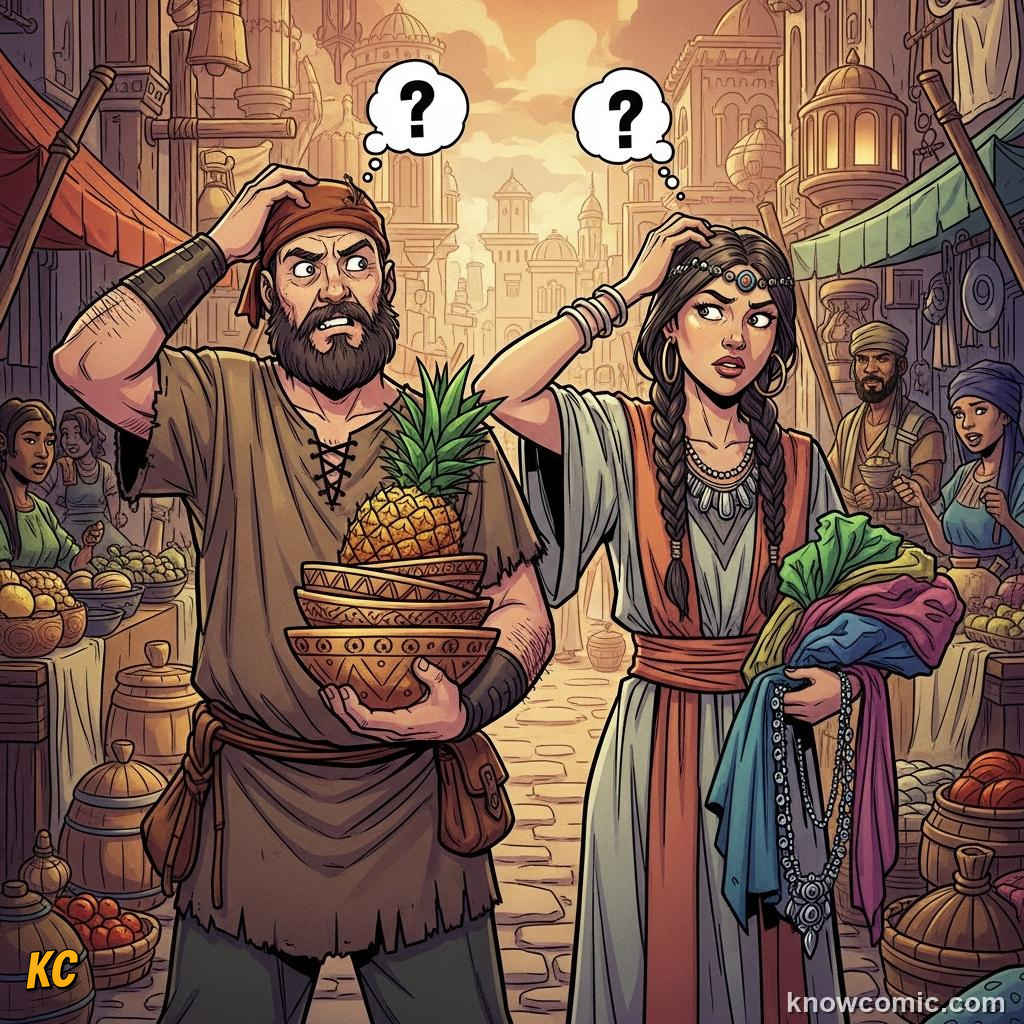
Barter problem solved by shared money allowing trade without needing a double match
🤝 SKIP THE DOUBLE MATCH
Barter means direct swap. You need a double match: you have what I want and I have what you want right now. Shared money fixes that puzzle.
UNIT AND STORE
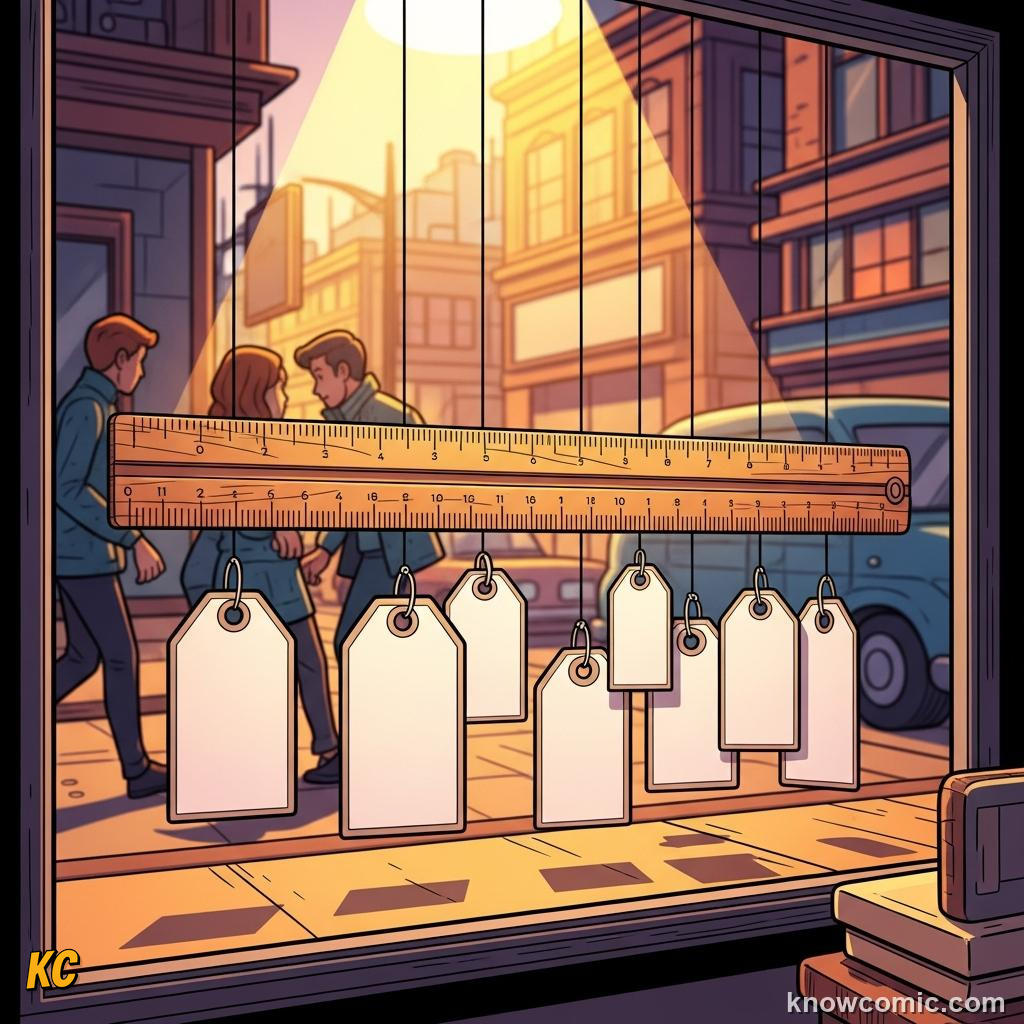
Unit of account as a price ruler and store of value as savings that hold purchasing power
Unit of account is the ruler on price tags. Store of value means it still buys stuff later. If prices run up fast, savings leak. That is inflation, topic three.
PAGE 2 OF 5 · FROM SWAPS TO COINS
STUFF THAT WORKED LIKE MONEY
History of commodity money from shells and salt to stamped gold and silver coins
WHEN USEFUL THINGS BECAME MONEY
Long before tap to pay, people swapped grain for cloth. Swaps were awkward. So some places used commodity money: stuff people always wanted, easy to carry, hard to fake. Salt, tea blocks, shells, silver each had a turn in different lands. Coins added a stamp from a mint so weight and purity were easier to trust. Power still mattered: who owns the mine, who runs the mint, who writes the rules still shapes who wins.
SWAP
BARTER LIMITS
Barter double coincidence problem blocking trade between a bike fixer and a baker
🧩 DOUBLE MATCH
You fix bikes, I bake pies. I need a fix today, you want pie next week. We get stuck. A coin both want unblocks trade.
DURABLE AND FAKE HARD
Gold and silver coins as durable portable and hard-to-fake early forms of money
🪙 WHY METAL WON OFTEN
Gold and silver do not rot like fruit. They can be cut into small pieces. Mints and laws try to slow fakes. They never stop them fully.
NOT MAGIC FAIRNESS
Power and trust behind early money showing who owned the mine and ran the mint
⚖️ POWER FOLLOWS MONEY
Who controls the supply of trusted money gains power. History ties money to states, banks, and empire, not only to pirate maps in cartoons.
PAGE 3 OF 5 · PAPER AND TRUST
FIAT IN SIMPLE WORDS
People trusting paper money because a reliable institution like a central bank stands behind it
Fiat money is the class name for cash worth more than the paper it is printed on. A bill is just paper and ink. It buys lunch because law and habit say shops must accept it as payment in that country.
TRUST, NOT GLITTER
Transition from gold-backed notes to modern fiat currency no longer backed by metal
If tomorrow everyone said no to the note, it would be pretty trash. Money is a social tool. Banks, budgets, and central banks (later topics) all feed the trust story.
WHY PAPER CAN BEAT GOLD
Paper banknote as a promise from a bank or government backed entirely by public trust
LIGHT WALLET, BIG SYSTEM
Carrying gold for every buy is heavy and risky. Paper and screen numbers let a big economy move fast. The cost is pressure on honesty: if leaders print too much without real value behind it, the savings job breaks. Prices jump. People get mad. Voters argue about how strict rules should be. Simple line: fiat is not magic. It is a promise that works while people believe it.
TRUST
PAGE 4 OF 5 · BANKS AND SCREEN NUMBERS
MOST MONEY IS NOT IN YOUR SOCK
Digital money as numbers on a phone screen used for contactless tap to pay transactions
BOOK ENTRIES, NOT ONLY BILLS
Today most money is bank money: numbers in books that move when you tap, swipe, or send. Notes and coins still help for small buys and emergencies. Still, most spending runs on digital rails. Topic two hinted how loans can shift balances. Short point: money is partly records of who owes what, cleared through a trusted network, not only cash in a vault.
DIGIT
CENTRAL BANK
Bank transfer moving money electronically without any physical notes changing hands
Many countries give a central bank tools to guard the value of the money. Topic seven opens that wider. For now: someone sets the rules so your app balance counts.
PAYMENT APPS
Cryptocurrency as a digital form of money outside traditional banking systems
Your favourite app is a window. Behind it sit rules, fees, and safety teams. If the app is down, your pay story stops. That is why cash still matters in storms.
CRYPTO HINT
Trust in digital money depending on shared belief and legal acceptance by society
Bitcoin style coins ask: who do you trust? Topic nine goes there. Today just know: not every digital coin is the same as state money.
PAGE 5 OF 5 · KEEP IT SIMPLE
MONEY NEEDS MARKETS
Evolution of money from barter to shells to coins to paper notes to digital numbers
PRICES NEED A WAY TO PAY
Topics one to five showed how prices and rival shops steer stuff around. Money is the shared language for those prices. Without money people trust, the price on the shelf feels shaky. That does not mean money is always fair: who earns it, who saves it, who loses it in a crash mixes politics and economics. As a reader, learn the three jobs, see how the form changed over time, and ask who backs the promise.
🎓 LATER, IF YOU GO DEEPER
Later courses add money supply layers, speed of spending, ease of selling, and exchange rates.
PAY
LINK TO TOPIC 5
Summary of what gives money its value and why trust is the foundation of any currency
Topic five asked who owns the door in a market. Money is the ticket that lets buyers and sellers pay without endless swap. If trust in the ticket is weak, deals get weak too.
RECAP
📌 REMEMBER
Three jobs: swap helper, price ruler, savings jar (class names: medium of exchange, unit of account, store of value).
Barter needs a double match; money fixes that.
Stuff money, then coins, then paper and screen numbers. Same social deal, new look.
Fiat runs on law, habit, and big institutions, not on pretty paper.
Most money is bank records; cash is the small visible part.
🧠 QUIZ TIME!
WHAT IS MONEY? · 5 QUESTIONS
QUESTION 01
In this topic, money works mainly because:
QUESTION 02
A medium of exchange helps traders mostly by:
QUESTION 03
A tricky barter problem this comic mentions is:
QUESTION 04
Fiat money in simple words means:
QUESTION 05
In this simple story, most spending today runs on:
0/5
LOADING...
← TOPIC 5 ECONOMICS HUB TOPIC 7 →