🏪
⚔️
👑
✦ KNOW PRIMARY · ECONOMICS · AGES 6 TO 11 ✦

COMPETE
OR CROWN

When many shops fight for you, prices often drop and service gets better. When only one boss owns the road, the game changes.

📖 200 Topics 🆓 FREE + PRO ⏱️ 5 min per comic 🧠 Quiz included
🏪
MANY
Shops on a street
📉
PRICE
Shops try harder
💡
IDEAS
New ideas spread
🚧
WALL
Hard to join in
⚖️
RULES
Fair play laws
⚔️ COMPETITION & MONOPOLIES
TOPIC 05 · ECONOMICS · MANY SELLERS, ONE BOSS, AND WALLS THAT BLOCK NEW SHOPS
PAGE 1 OF 5 · MANY SHOPS ON ONE STREET
WHAT IS COMPETITION?
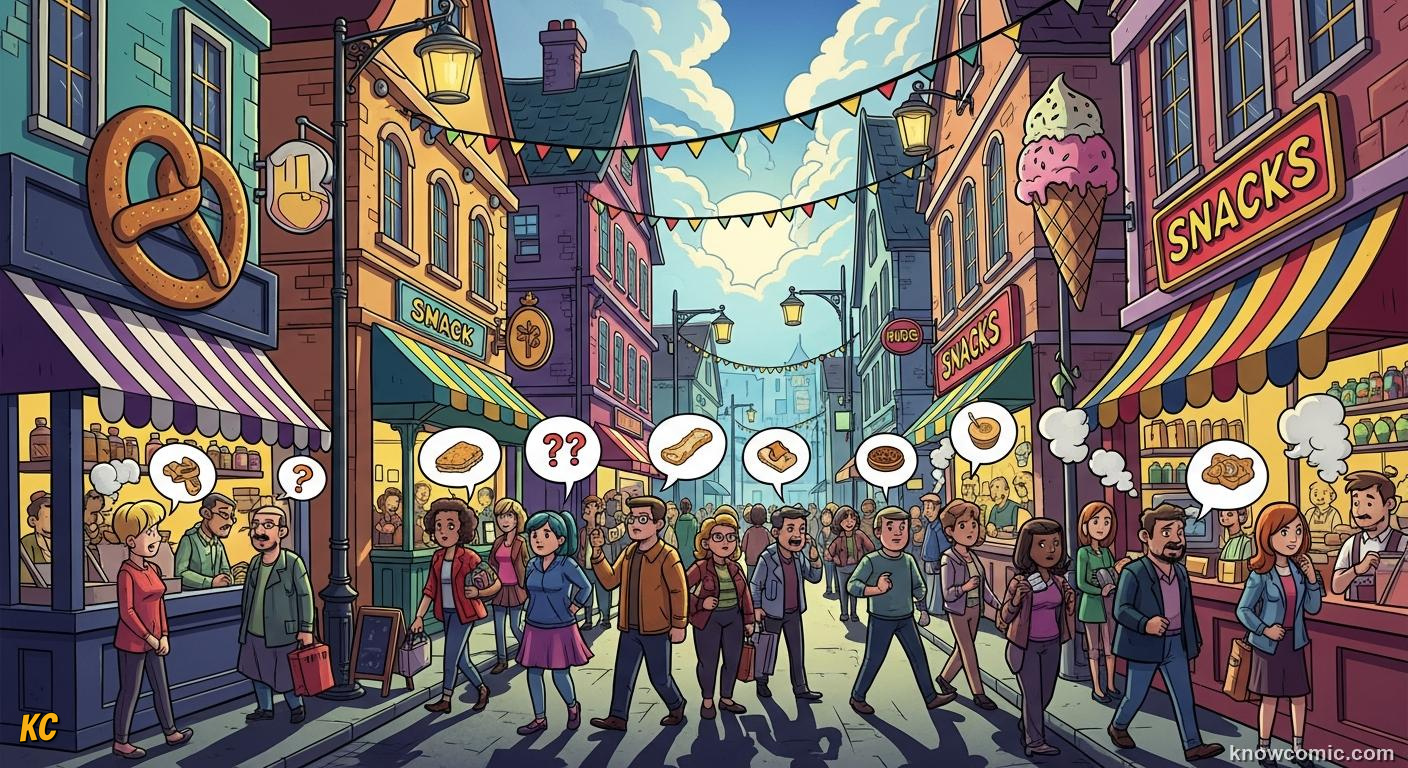
Multiple shops on a high street competing for customers with lower prices and better service
SHOPS WANT YOU TO CHOOSE THEM
Here competition means more than one seller sells the same kind of thing: food, haircuts, bus rides, and more. You can go to another shop. So sellers try lower prices, nicer help, or new products to win you. Topic four said prices send signals. When many shops compete, those signals are easier to trust. If one shop asks crazy prices and five others ask fair ones, the pricey shop stays empty.
💡 TINY TRUE FACTS
In a school book, perfect competition is a simple picture: many small shops, same item, easy for new shops to open. Real life is messier. Still, the many shops idea helps you see why one boss with no rivals acts different.
RIVALS
BUYERS HAVE CHOICE
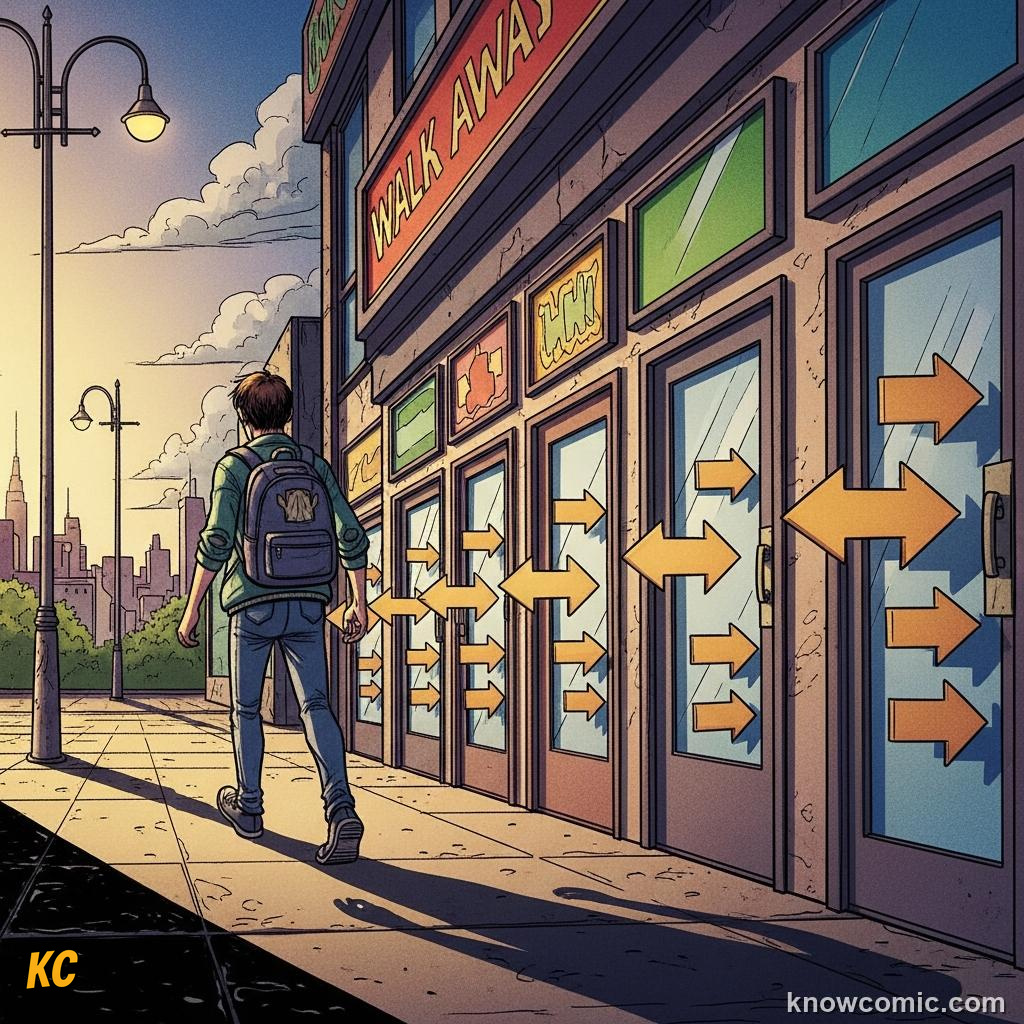
A shopper walking away to choose a different seller in a competitive market
🛒 YOU CAN WALK AWAY
If you can pick another shop, you are not stuck. Sellers worry about no sales. That worry is bad for them but good for you when choices are real and safe.
NOT EVERY MARKET MATCHES
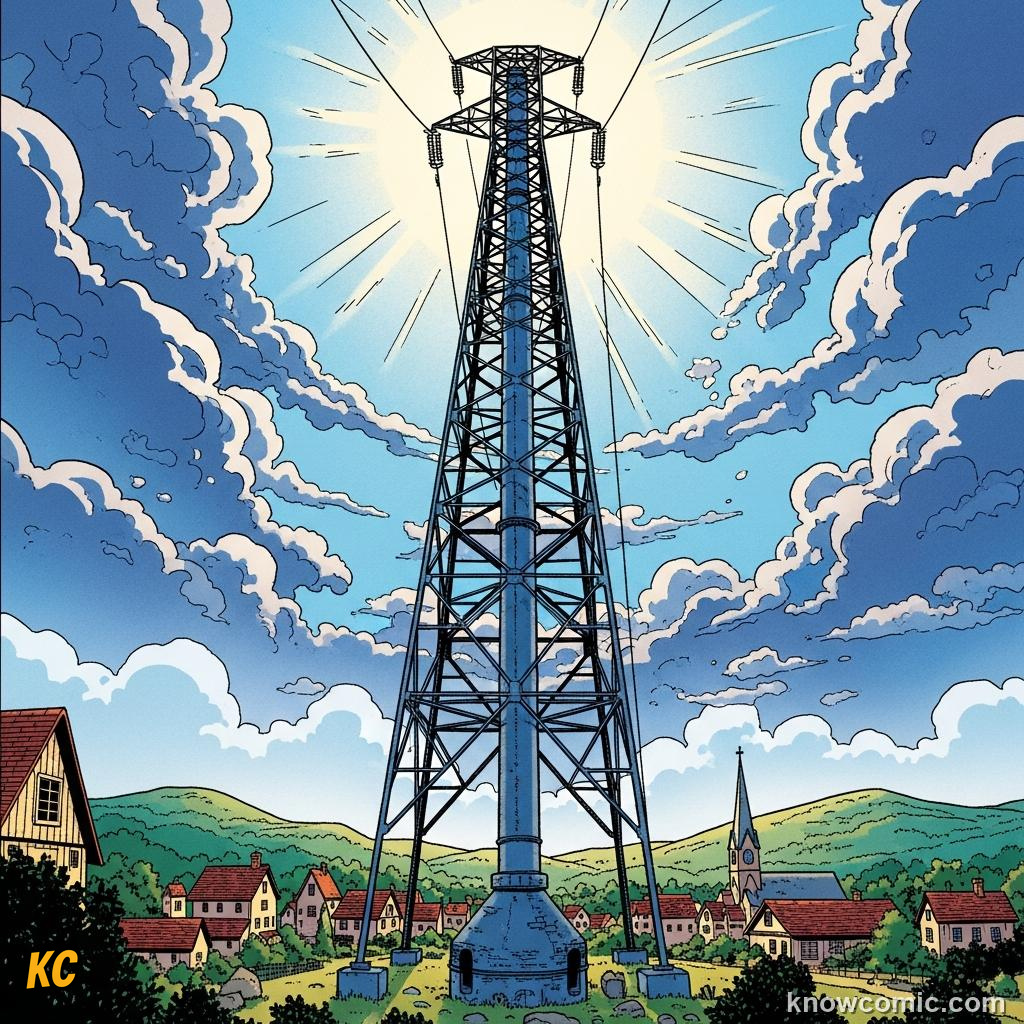
Electricity grid where one network makes more economic sense than many competing ones
Some things need big pipes or wires. Ten copies of the same grid might waste money. Some towns are very small. The many shops story is a starting idea. It does not fit every place on the map.
PAGE 2 OF 5 · ONE GATE, ONE KEY
MONOPOLY IN SIMPLE WORDS
One monopoly seller wearing a crown controlling the only gate to a product
WHEN ONLY ONE BOSS SELLS
A monopoly here means one main seller runs the show for a thing or a route. Almost no rival sits next door. The word comes from Greek and means one seller. Then the boss can often raise price, cut quality, or ignore service. You cannot walk away easily. That does not mean every big brand is a monopoly. Courts and experts argue about the charts. For this page, remember: one gate plus stuck buyers is the simple shape.
GATE
STRONG PRICE POWER
Monopoly pricing power letting the seller raise prices without losing buyers to rivals
👑 THEY SET THE PRICE
With no rivals, the firm sets price like a king, not a worried stall. Buyers still have a limit. If the price is too wild, some people buy nothing or find a different product far away.
LESS SPARK, MORE SNOOZE
Lack of competition reducing pressure to improve products or fix poor service
😴 WHY NEW IDEAS SLOW DOWN
If no one can take your buyers tomorrow, you might skip the big upgrade. Rival shops push teams to invent and to say sorry faster when food arrives cold.
STRICT WORD VS CHAT
Strict legal definition of monopoly compared to casual everyday use of the word
⚖️ COURTS AND BOOKS
Online, people say monopoly when they hate any big company. In court and in books, experts ask hard questions: who can join the market and who sells how much.
PAGE 3 OF 5 · WHY RIVALS HELP BUYERS
LOW PRICE BATTLES
High startup costs acting as a barrier that stops new competitors entering a market
Two ice cream carts on one beach may keep cutting price to win you. Profit gets thin. That can look silly to adults but feel great if you only have a little money. Buyers often gain. Still, workers inside the shops can feel stress too.
QUALITY AND SPEED
Patents and exclusive licences protecting one firm from rival competition for years
Rivalry is not only about price. Shops also race on clean tables, fast apps, and easy returns. A lazy one boss shop might leave bad chairs in the wait room for years.
TOPIC FOUR CALLED FOR RIVALS
Barriers to entry blocking new shops from joining and competing in a profitable market
THE INVISIBLE HAND NEEDS A CROWD
Recall the invisible hand idea from topic four: many private plans meet through prices. It works best when many sellers can offer a deal and buyers can really leave. If one boss locks the door, or every path goes to the same gate, the story breaks. Fair play laws try to keep doors open so price signals stay true and buyers keep a way out.
RACE
PAGE 4 OF 5 · WALLS THAT BLOCK NEW SHOPS
WALLS FOR NEW ENTRANTS
Competition law enforcer breaking up a monopoly or blocking a harmful business merger
WHY ONE BOSS CAN STAY IN CHARGE
A monopoly can end when a smart new shop finds a way in. Often a wall blocks it: a permit that costs too much, a network where everyone already uses one app, a factory so big that copy shops need huge money before they sell one item, or a mine on rare stuff in the ground. Some walls are natural. One power grid may be cheaper than twelve. Some walls come from lawyers or mean tricks. Competition law, or antitrust in some lands, tries to stop unfair moves that squash new rivals. Sometimes it splits or watches firms that act like gatekeepers. Judges and economists still fight about where the line is.
WALLS
BIG MERGERS IN THE NEWS
Regulator investigating a firm accused of using market power for anti-competitive pricing
When two big airlines or phone firms join as one, rule makers ask: will prices rise because buyers lost a choice? Sometimes the deal is stopped or cut down.
MEAN PRICING STORIES
Large company merger being reviewed by a competition authority to protect consumers
A giant might sell very cheap for a while to hurt a small rival, then raise price later. Adult cases check if that story is true or gossip. Simple headline: rules try to keep the fight fair.
PUBLIC OWNERSHIP
Natural monopoly like water pipes regulated to protect consumers from excessive prices
Some towns let government run water or trains so profit alone is not the boss. That differs from breaking a private monopoly. Both show voters not wanting people trapped with no choice.
PAGE 5 OF 5 · WHAT TO REMEMBER
ASK WHO OWNS THE DOOR
Healthy competition lowering prices and raising quality for all buyers in a market
USE IDEAS, DO NOT WORSHIP THEM
Liking rival shops does not mean you like every price cut if workers get hurt. Disliking monopoly does not mean you hate every big brand that people trust. Later you will weigh facts yourself. For now, hold three ideas: many sellers often help buyers, one boss often softens quality and service, laws try to keep new shops able to open when a town wants that.
🎓 LATER, IF YOU GO DEEPER
Books add oligopoly (a few giants), monopolistic competition (many brands, not the same item), two sided platforms, and math on markup. Same KnowComic rule: story first, hard math when you are ready.
ASK
LINK TO TOPIC 4
Summary of competition monopoly barriers to entry and fair play rules for markets
Topic four talked about price signals and the invisible hand. Topic five adds: those ideas need rival shops to work well for buyers. When one boss locks the door, the price story can hurt your wallet.
RECAP
📌 REMEMBER
Competition: many shops fight for buyers. Prices often fall. Quality and speed often rise.
Monopoly: one main boss, strong price power, buyers cannot walk away easily.
Barriers: permits, size, networks, rare inputs, or mean tricks that block new shops.
Competition law / antitrust: laws to stop unfair squashes and sometimes change huge firms.
Natural monopoly and public ownership: extra lessons when ten copies of a grid waste money.
🧠 QUIZ TIME!
COMPETITION & MONOPOLIES · 5 QUESTIONS
QUESTION 01
In this topic, what does competition mean in simple words?
QUESTION 02
In the simple picture on this page, a monopoly is when:
QUESTION 03
Why can many rival shops often help buyers in this simple story?
QUESTION 04
A barrier to entry in this comic means:
QUESTION 05
Competition law or antitrust on this page tries to:
0/5
LOADING...
← TOPIC 4 ECONOMICS HUB TOPIC 6: WHAT IS MONEY? →