🏷️
🤝
✦ KNOW PRIMARY · ECONOMICS · AGES 6 TO 11 ✦

PRICES
SIGNAL

A price is not only what you pay. It is a message to the whole town about what is scarce, what people want, and where effort might move next, without one boss shouting a master plan.

📖 200 Topics 🆓 FREE + PRO ⏱️ 5 min per comic 🧠 Quiz included
📣
SCARCITY
Not enough yet
🏷️
PRICE
The loud whisper
🌱
RESPONSE
Grow or shift
🧭
COORDINATE
Many plans meet
⚖️
RULES
Fair when needed
🤝 PRICE SIGNALS & THE INVISIBLE HAND
TOPIC 04 · ECONOMICS · ADAM SMITH, INFORMATION, AND MARKET COORDINATION
PAGE 1 OF 5 · THE TAG IS A MESSAGE
MORE THAN A NUMBER
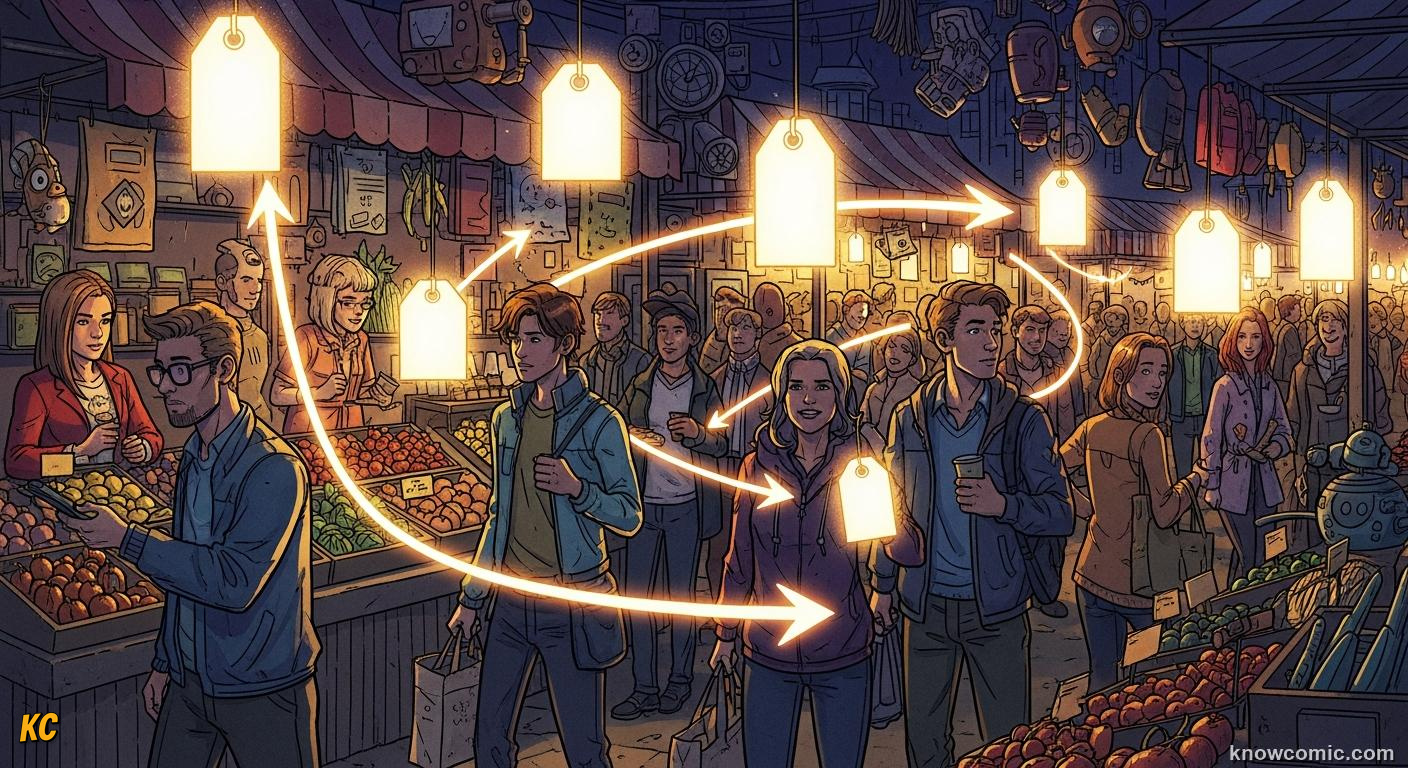
A price tag in a shop window sending a silent message to buyers and sellers about scarcity
PRICE SIGNALS
A price tells a story to everyone at once. High price often whispers: this thing is hard to get right now, or many people want it badly. Low price can whisper: plenty here, or fewer buyers today. Nobody mails a letter to every farm and factory. The tag in the shop window is one of the ways the town shares information so people can change plans. That idea, prices as signals, is a big brick in economics. It does not mean every price feels fair to every heart. It means the number is doing a coordination job in a huge, busy world.
💡 TINY TRUE FACTS
Topic one already showed supply and demand pushing price up and down. This topic adds: those moving prices are also messages that help shift work and stuff across the map, without one hero writing every order by hand.
TELL
INFORMATION, NOT MAGIC
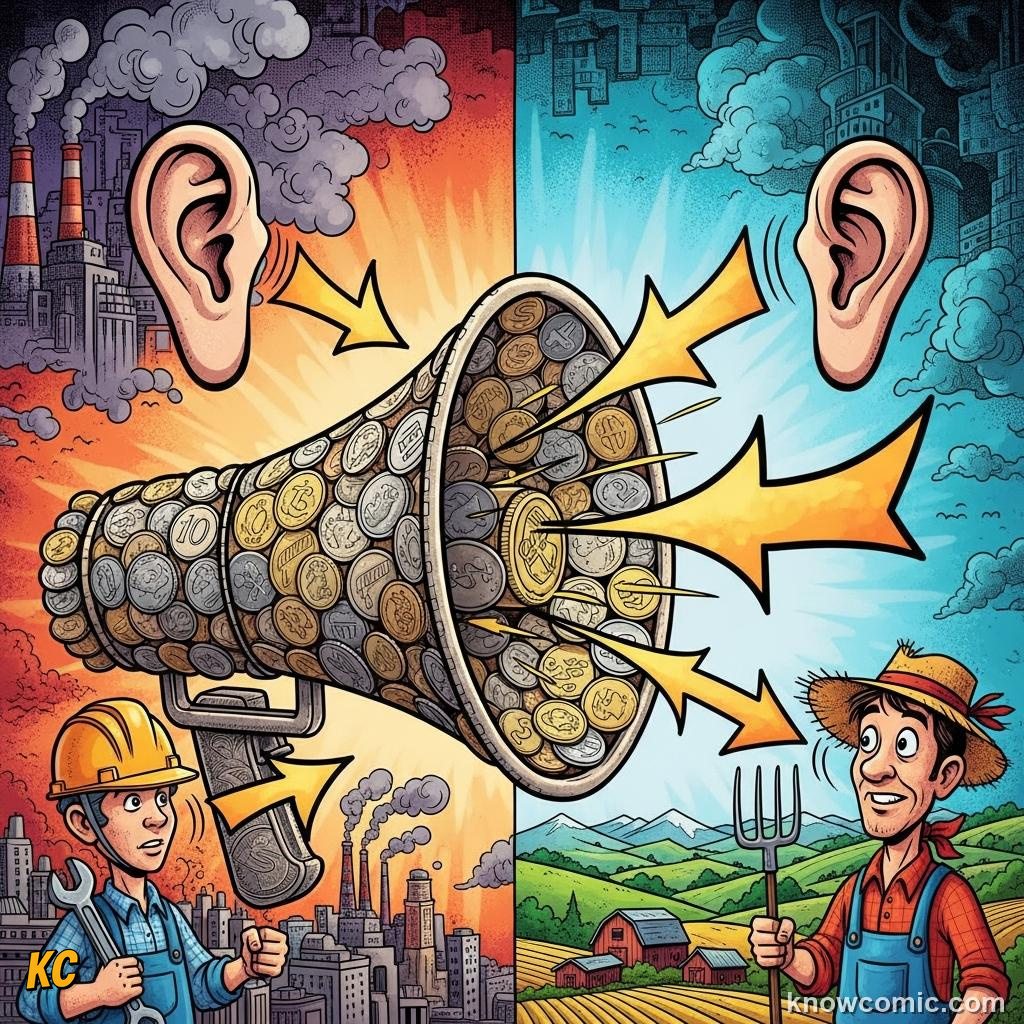
Growers drivers and shopkeepers all listening to price signals and adjusting their plans
📻 WHO LISTENS?
Growers, drivers, inventors, shopkeepers all peek at what sells and at what reward they might get for effort. A higher price can invite more supply over time. A lower price can nudge people to use something elsewhere or to try a different idea.
NOT PERFECT KINDNESS
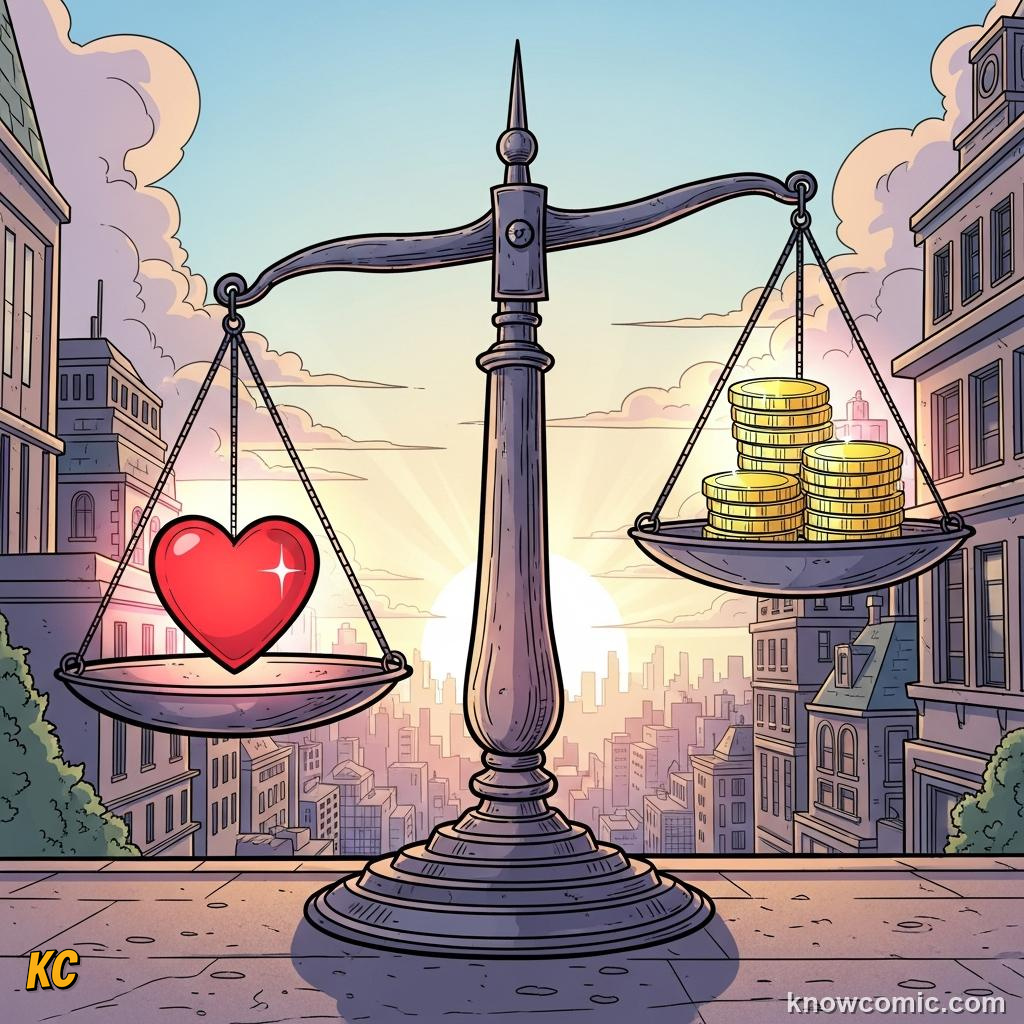
A price signal being true and useful while still feeling unkind to someone short of money
A signal can be true and still feel unkind to someone who is broke. Economics also studies rules, help, and fixes when the market story hurts. This page only builds the signal picture first, same as a map before the rescue plan.
PAGE 2 OF 5 · HIGH PRICE PULLS, LOW PRICE PUSHES
THE REWARD STORY
Strawberry price rising at a busy market stall nudging growers to plant more next season
WHEN STRAWBERRIES GET FAMOUS
Imagine everyone wants berries at the same picnic week. The first boxes fly away. The price rises. That rise is not only a frown for your wallet. It is also a loud whisper to growers: plant more, drive another truck, try a greenhouse, because effort might pay better than last season. Over weeks and months, supply can answer. If berries later flood the stand, price may ease again. The dance is messy in real life, yet the signal and response idea is what textbooks polish into a clean diagram after the mud of the real farm.
NUDGE
RATIONS WITHOUT A CLERK
High price rationing scarce goods to the buyers who want them most and will pay more
🎟️ WHO GETS THE FIRST BOX?
When something is scarce, a higher price cuts the line in a money way: only buyers who want it enough to pay stay in. That can feel cruel. It is also one non violent way a town decides who uses the rare thing today, compared with hiding every box behind a random lottery.
EXIT SIGN FOR LABOUR
Workers leaving a poorly paid job and shifting toward better-paid work in another trade
🚪 WHEN PROFIT LOOKS THIN
If a crop or a service earns little, some people leave that job and try another skill. Prices and wages are cousins in this story. The town slowly shifts workers toward places where shoppers clap louder with their spending.
SLOW REAL WORLD
Real-world slow response of farm supply to rising price signals over weeks and months
🌱 SEASONS AND MACHINES
Signals do not flip supply like a light switch. Seeds need months. Factories need parts. A good lesson for a kid brain: direction of the nudge can be clear even when the speed of the answer is slow.
PAGE 3 OF 5 · ADAM SMITH AND THE INVISIBLE HAND
SCOTLAND, 1700s MOOD
Independent buyers and sellers each acting in self-interest and coordinating the market
Adam Smith was a thinker with a calm pen and a love for trade. He noticed something strange: a baker does not wake up only to hug the whole town. Often they want a steady living and a bit of pride in a good loaf. Still, if many buyers come, the baker works harder, buys more flour, maybe hires a neighbour. Self interest and customer hunger meet at the price.
NOT A REAL HAND
Price system allocating resources across the whole economy without a single planner
Smith used a poetic picture: an invisible hand guiding many private plans toward a useful pattern for others. There is no ghost in the stock room. The hand is a name for the way competition, prices, and property rules can line up so that supply chases demand across a whole country without one king pointing at every oven.
LIMITS OF THE METAPHOR
Adam Smith invisible hand guiding market coordination without any central controller
A TOOL FOR THINKING, NOT A RELIGION
Smith did not say "greed fixes everything while you sleep." He wrote in a world of ships, farms, and small laws. Today we add: networks, robots, global heat, and giant firms. The invisible hand story is a starter map, it helps you see coordination without a single boss. It is not a promise that every street is fair tonight. Later topics will chase monopoly power when one seller blocks the signal, and public goods when price alone fails.
HAND
PAGE 4 OF 5 · WHEN THE HAND NEEDS HELP
MARKET FAILURES, KID SIZE
Market failure where prices do not capture pollution or public goods costs correctly
PRICES DO NOT HEAR EVERY CRY
Sometimes a deal helps the buyer and seller but hurts a third person who was not in the room. Smoke from a cheap factory can touch lungs blocks away. A river can carry waste downstream. Those hurts are called external costs in older books. A pure price between two people might ignore that wider pain unless rules, taxes, or clean up laws step in. There are also public goods like lighthouses or storm warnings where one more user does not really cost extra, so a shop style price tag can struggle to fund them. Democracies argue about the fix. The lesson for you: signals are powerful, not complete.
RULES
POWER IN ONE FIRM
Externalities like factory pollution that the market price fails to include
If only one seller owns a bridge you must cross, they can mute the usual signal and charge what fear allows. Topic five on your hub list will chase competition and monopoly. For now, remember: the invisible hand story loves rivalry between sellers.
FAIRNESS IS A SEPARATE QUESTION
Government setting minimum or maximum prices to correct markets in specific situations
A system can be efficient at moving bread and still feel unfair if some families start with no coins. Economics has a whole shelf for safety nets, schools, and health. Price signals describe movement, not moral worth.
PLANNERS STILL EXIST
Fair trade rules protecting competition and preventing price fixing between sellers
Cities set traffic lights. Countries set food safety checks. Those planners do not erase prices, they draw guard rails so the market race does not slide off a cliff. Smart rules try to keep signals true and people safe.
PAGE 5 OF 5 · YOU IN THE CROWD OF PLANS
SMALL YOU, BIG PATTERN
Price signals and the invisible hand working together in a healthy market economy
YOUR CHOICE IS ALSO A VOTE
When you save, spend, or learn a skill, you join the crowd of plans that prices try to balance. You are not only a puppet of a tag. You can also ask why a thing costs what it costs, who benefits, who hurts, and whether a rule change could steer the hand toward a kinder town. Economics is not finished in one old book. It is a conversation that grows with every crisis and every invention.
🎓 LATER, IF YOU DIVE DEEPER
Older lessons spell out general equilibrium, game theory, behavioural biases, and digital platforms. The KnowComic path keeps the same voice: plain story first, then the long vocabulary.
WONDER
BACK TO TOPIC ONE
When free prices work best and when rules help, shown as a simple clear comparison
Topic one drew supply and demand curves. Topic four adds: those crossing lines are also how the town shares information and nudges effort. Same engine, wider meaning.
RECAP
📌 REMEMBER
Price signals carry information about scarcity and want, they help ration and steer supply over time.
Adam Smith's invisible hand is a metaphor for many private plans lining up with prices and competition, not a magic promise of fairness.
Markets can fail when others outside the deal get hurt, when one firm blocks rivalry, or when a public good needs a different tool.
Rules and help can sit beside the market, the job is to keep signals honest and people safe.
✦ You keep the right to ask moral questions after you learn the mechanics.
🧠 QUIZ TIME!
PRICE SIGNALS & THE INVISIBLE HAND · 5 QUESTIONS
QUESTION 01
In this topic, what is one main job a price tag does for the whole town?
QUESTION 02
If strawberries get wildly popular and the price jumps, what is one usual signal to growers in the simple story?
QUESTION 03
Adam Smith's invisible hand is best described here as:
QUESTION 04
When might prices and the invisible hand story NOT be enough on their own, in the kid friendly list from this comic?
QUESTION 05
Price signals tend to steer effort and stuff toward:
0/5
LOADING...
← TOPIC 3 ECONOMICS HUB TOPIC 5: COMPETITION →