📈
🛒
💷
✦ KNOW PRIMARY · ECONOMICS · AGES 6 TO 11 ✦

PRICES
CLIMB

Inflation is the name for when the same note buys a little less snack, a little less ride, a little less movie, year by year, on average, across the whole town.

📖 200 Topics 🆓 FREE + PRO ⏱️ 5 min per comic 🧠 Quiz included
🧮
AVERAGE
Prices move up
🧺
BASKET
We count the list
🔥
DEMAND
Chasing the shelves
🎚️
RATES
Cool the room
🎯
TARGET
Aim near 2%
📈 INFLATION EXPLAINED
TOPIC 03 · ECONOMICS · THE BASKET, CPI, AND THE CENTRAL BANK DIALS
PAGE 1 OF 5 · THE SHRINKING POUND (ON AVERAGE)
SAME COIN, SMALLER LUNCH
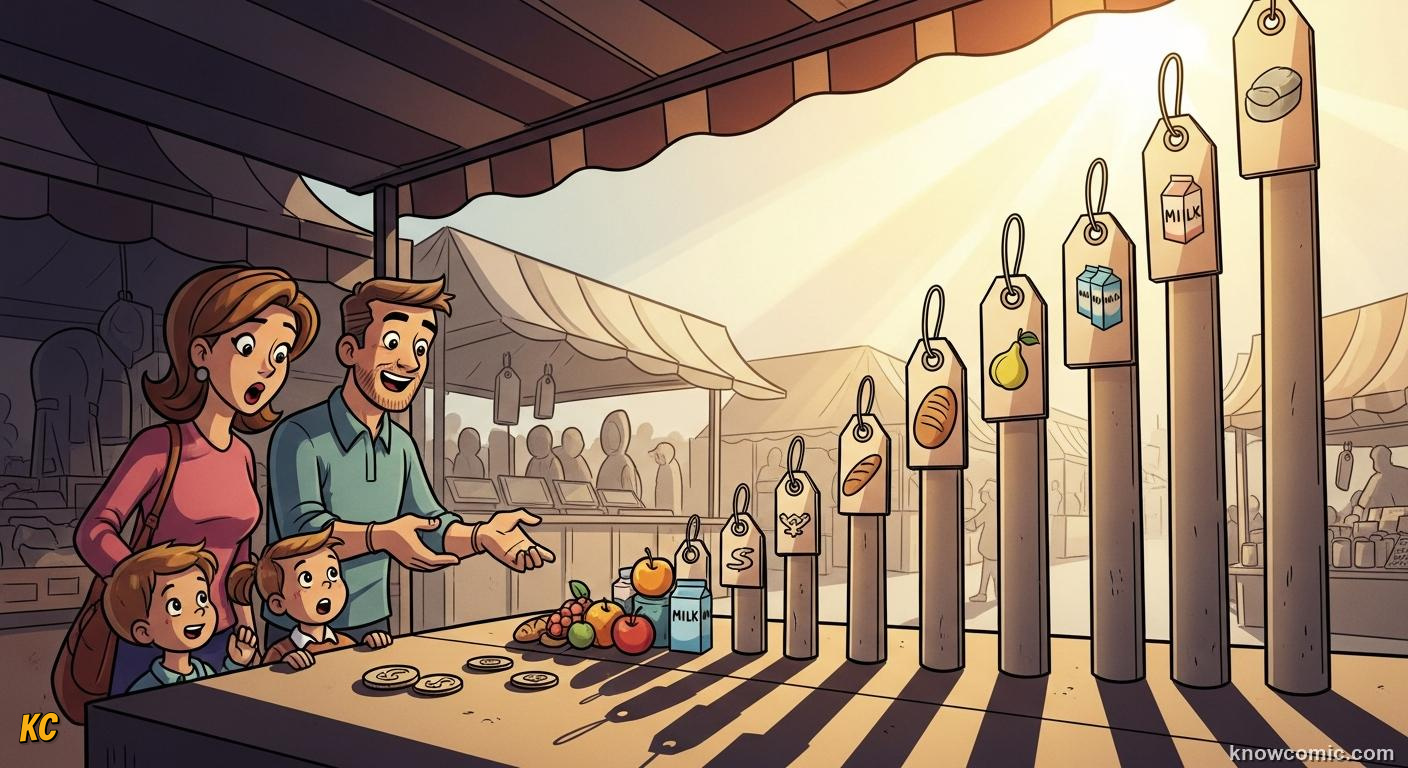
Same coin buying a smaller lunch today than it did years ago as prices have risen
INFLATION = THE AVERAGE PRICE STORY
Inflation is the name for the speed at which the general level of prices drifts up over time. It is not the price of one random sweet that wiggles on a Tuesday. It is the big picture: rent, bus tickets, band shoes, the lot, mixed in a slow average. If that average rises by about five in a hundred in a year, a thing that used to cost a hundred in the family budget story now costs about a hundred and five. The note in your hand can still be the same pretty paper, it just buys a smaller slice of life than it did for your grown ups at your age.
💡 TINY TRUE FACTS
At a steady three in a hundred a year, prices in that story about double in roughly twenty four years, because of a math trick with repeated tiny steps. Your pocket money number can stay the same, the town around it is just priced a bit higher each lap.
CLIMB
NOT A MONSTER, A MEASURE
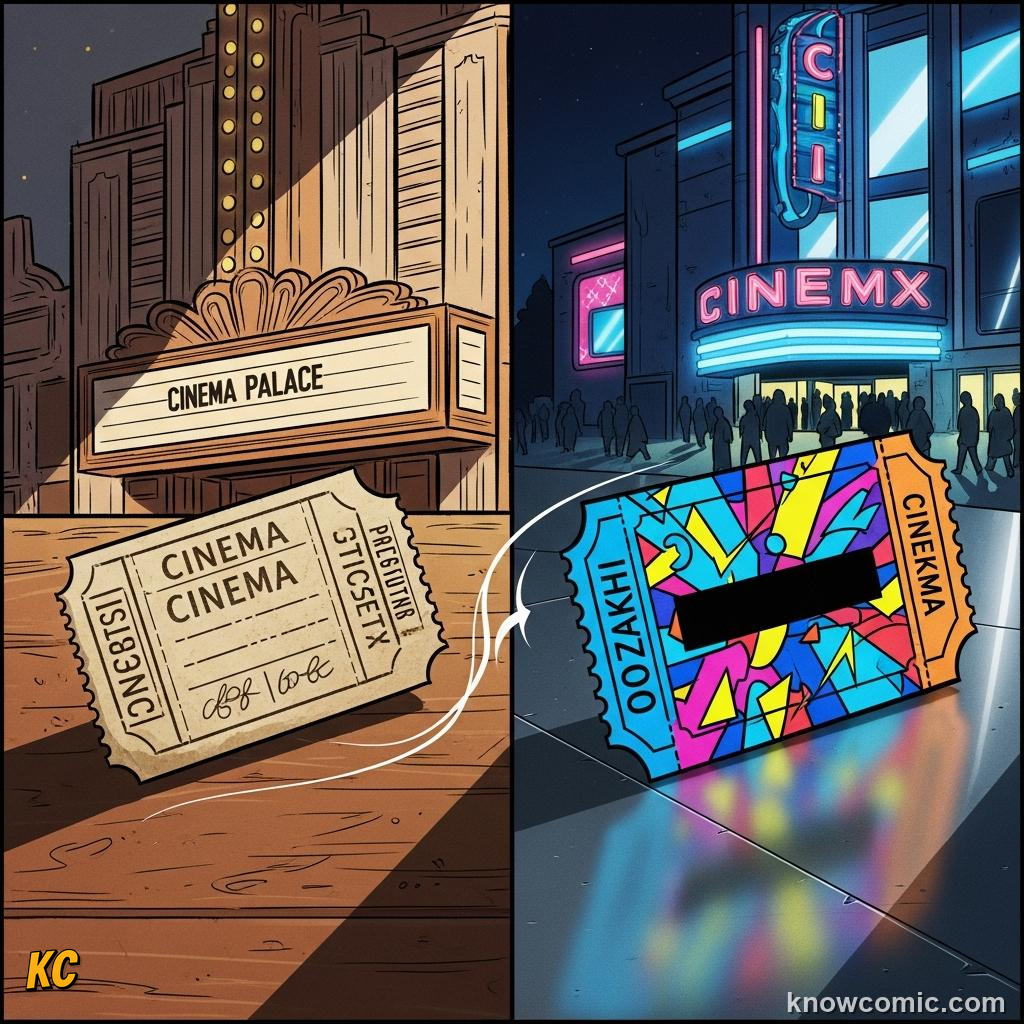
Cinema ticket costing far more now than decades ago, an example of inflation over time
🎬 OLD TICKET, NEW POUNDS
A cinema ticket that looked tiny in coins long ago can cost several pounds now. The screen is brighter, the seat is the same kind of fun. Inflation is the part of the story about money and time, not about you being naughty for wanting popcorn.
A CALM LITTLE PERCENT
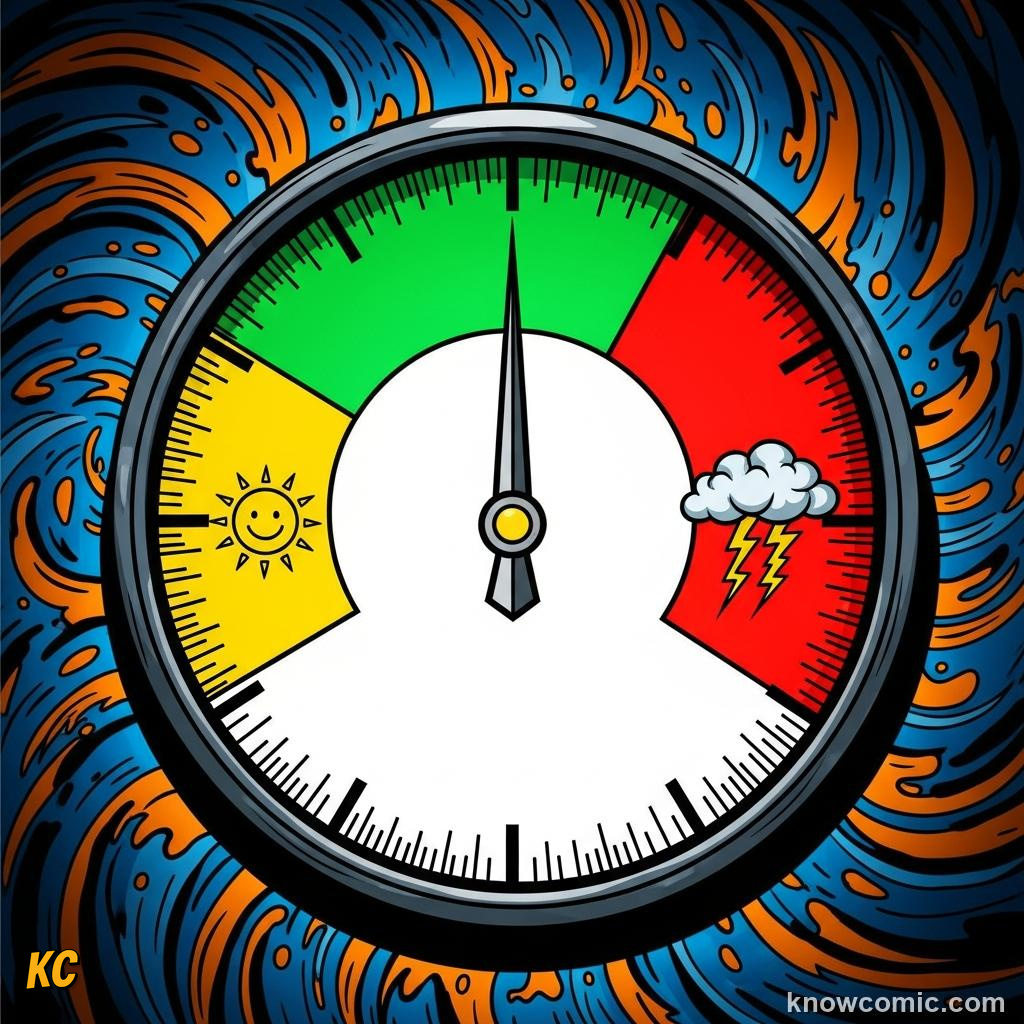
Calm low inflation of two or three percent per year shown as a gentle upward slope
A two in a hundred or three in a hundred inflation story in a calm year is not the same as a scary spike on the news. This topic is here so you can tell the slow drift from the alarm bell, in plain words, before the long homework books find you.
PAGE 2 OF 5 · THE SHOPPING BASKET AND THE SCOREBOARD
NOT A REAL BASKET, A MATH BASKET
CPI shopping basket with bread bus pass energy and rent tracked month by month
CPI, OR "WHAT A NORMAL YEAR COSTS"
Grown up teams do not read every price tag in the country by hand in one morning. They build a pretend shopping list for a typical family story: bread, bus pass, energy, a bit of fun, a slice of rent. In the United Kingdom, the Consumer Price Index (CPI) is a famous name for the score that tracks how the total cost of that list moves, month to month, year to year. If the whole basket gets a little pricier on average, the inflation report says "up." If a single shop has a one day sale, that is noise. The index looks for a wide wave, not a tiny splash.
BASKET
FRESH, FUEL, FLAT
Energy food and transport prices in the inflation basket all pulling the index upward
🍎 MANY GOODS, ONE STORY
Fruit, bread, the bus, and the lights at home all sit in the mix. If energy jumps hard one year, the whole basket can wobble even if a few other prices stay still. That is why a grown up on TV can say "inflation" and mean a team of prices, not one item.
SAME BASKET, NEW TOTAL
Same shopping basket priced in different years showing the cost rising over time
📅 MONTH AND YEAR
Teams re price the same kind of mix on a schedule so the score is comparable over time. A bigger number for the same basket does not always mean the world got mean, sometimes the world got hotter, scarcer, or busier, and prices followed.
KID SIZED TAKE
Simple explanation of how the Consumer Price Index tracks average price changes
🧮 WHY WE CARE
If the average price line climbs slow and steady, plans can wiggle. If the line springs up fast, pocket money, wages, and savings do not all move at the same time, and some families feel the gap first. Measuring the wave is step one for the town response.
PAGE 3 OF 5 · THREE FAMOUS WAYS PRICES GET PUSHED
DEMAND PULL
Cost-push inflation caused by rising energy or raw material input prices for producers
Picture a shop day when everyone at once has spending power, and the shelves are only so full. Shoppers outbid each other, lines form, the seller lifts the price tag because they can. Short words: too many pounds chasing too few things. A sunny boom, a tax refund party, a city reopening, all can nudge that story, not always bad, not always easy on the wallet.
COST PUSH
Hyperinflation illustrated by prices rising so fast that banknotes lose their value rapidly
Here the shop is not "greedy for fun," the ingredients to make life cost more. Oil, electricity, pay for workers, imported parts, all climb. A bakery passes a bit of the higher flour bill to the price of the bun. A cold winter, a long ship delay, a sad war far away that touches fuel, that is cost push pain that shows up in your receipt even if you did not change a single wish list.
MORE NOTES, SAME STUFF
Demand-pull inflation showing too much money chasing too few goods on shelves
WHY "JUST PRINT MORE" IS TRICKY
If the count of money in pockets and apps jumps fast, and the count of real school trips, haircuts, and loaves does not keep up, each note meets more bids for the same lunch. Monetary inflation is a plain way to say: the money line and the stuff line are out of step, so price tags wiggle. That is also why a grown up Promise to "help everyone" by only printing, with no new roads or lessons behind it, can miss the thing kids actually eat. Value has to live in work and goods, not only in ink.
PULL
PAGE 4 OF 5 · WHEN THE DIAL SPINS, AND THE FIX
HYPERINFLATION
Central bank raising interest rates to slow spending and cool down rising inflation
WHEN THE PRICE TAG CHANGES HOUR TO HOUR
Hyperinflation is the scary cousin: prices leap so fast that a pocket of cash is a melting ice cube. Weimar Germany, 1923 is a famous book photo: wheelbarrows of notes for bread, wages paid twice a day so workers could run to spend before the next jump. Zimbabwe, 2008 hit numbers so large that a quiz later uses the word "sextillion" in the adult file. Ordinary life breaks: little savings vanish, trust in money cracks, people swap goods or foreign notes just to buy food. The lesson is not to scare you out of a coin jar at home, it is to respect the quiet rules that keep a currency slow and believable for a whole country.
FAST
RATES GO UP
Mortgage and loan payments rising as the central bank lifts interest rates
The central bank in a calm year fights too much heat in prices by lifting interest rates, the price of borrowing. Fewer "yes" clicks on a huge new car loan, a cooler high street, demand that softens so the shelf can catch up. Trade off: mortgages and student debt feel heavier, so the adults argue about the right speed on the news.
NOT A MAGIC "OFF" BUTTON
Shoppers spending less as both prices and borrowing costs rise together
Rates are one lever, not a wand. If prices jump because a war cuts fuel or a ship blocks a canal, a rate move helps on the side of demand but the shock in the world can still hurt. Energy policy, trade, peace sit next to the bank dial in the big picture, even if your comic today only has room for the dial.
TWO IN A HUNDRED AIM
Supply chain disruption causing cost-push inflation across the real economy
Many rich country teams say: we want inflation a little above zero, not a huge run, not a freeze. The famous round number in public talk is about two in a hundred a year, enough wiggle to avoid a trap where everyone waits forever, small enough to not eat savings overnight. Exact targets and tools differ by place and decade.
PAGE 5 OF 5 · YOU, THE SHOP, AND THE BIG DIAL
INFLATION IN YOUR WEEK
Inflation returning toward the two percent target as interest rate rises take effect
WHY THIS IS NOT A RIDDLE ABOUT YOU
When a price at the corner store goes up, it is not always because you wanted an extra sweet. Inflation is the team average, the long story of the whole list, the shop, the ship, the wage for the worker, the fuel for the truck, and what the central bank dares to do with the price of a loan, all in one big soup. Your job, at any age, is to ask good questions about what changes are kind, fair, and stable for a town, not only what sounds loud on a headline.
🎓 LATER, IF YOU DIVE DEEPER
Books will add core versus headline inflation, wage and price spirals, stagflation, and inflation after a pandemic. The KnowComic way stays: simple words first, then the long terms, with the same curious heart.
ASK
A CALM SLOW DRIFT VERSUS A SIREN
Comparison of low inflation high inflation and deflation outcomes for an economy
A bit of inflation, steady and boring, is not the same as a jump that scares everyone. A very hot or very cold economy with stuck prices and wages is its own set of problems. Grown up teams keep learning the right speed in real time, that is why the news never runs out of charts.
RECAP
📌 REMEMBER
Inflation is the average climb in prices, so each unit of money buys a slightly slimmer slice of life over time, measured in baskets and indexes like CPI in the UK style story.
✦ Big causes include too much money chasing too few things, costs that push through shops, and fast new money without matching new stuff.
Hyperinflation is the break the chain case, you met Weimar and Zimbabwe as the lesson photos.
Central banks often raise interest to cool demand, with side effects that real families feel.
✦ A famous calm aim is about 2% a year in many rich countries, not a promise in every time or place, but a quiz anchor in this set.
🧠 QUIZ TIME!
INFLATION EXPLAINED · 5 QUESTIONS
QUESTION 01
In one clean sentence, what is inflation trying to measure?
QUESTION 02
In the phrase demand pull, what is the main picture for kids in this course?
QUESTION 03
In the 2008 story the adults mention with wild numbers, which place holds the over the top sextillion style record in this set?
QUESTION 04
In the usual simple story, what is one classic central bank move when average prices are too hot for too long?
QUESTION 05
In the calm talk from many rich country central teams, about what yearly inflation do they often aim, not too cold, not on fire?
0/5
LOADING...
← TOPIC 2 ECONOMICS HUB TOPIC 4: INVISIBLE HAND →