🏛️ ANCIENT GREECE
PAGE 1 OF 5, MOUNTAINS, ISLANDS & CITY-STATES
THE AEGEAN WORLD
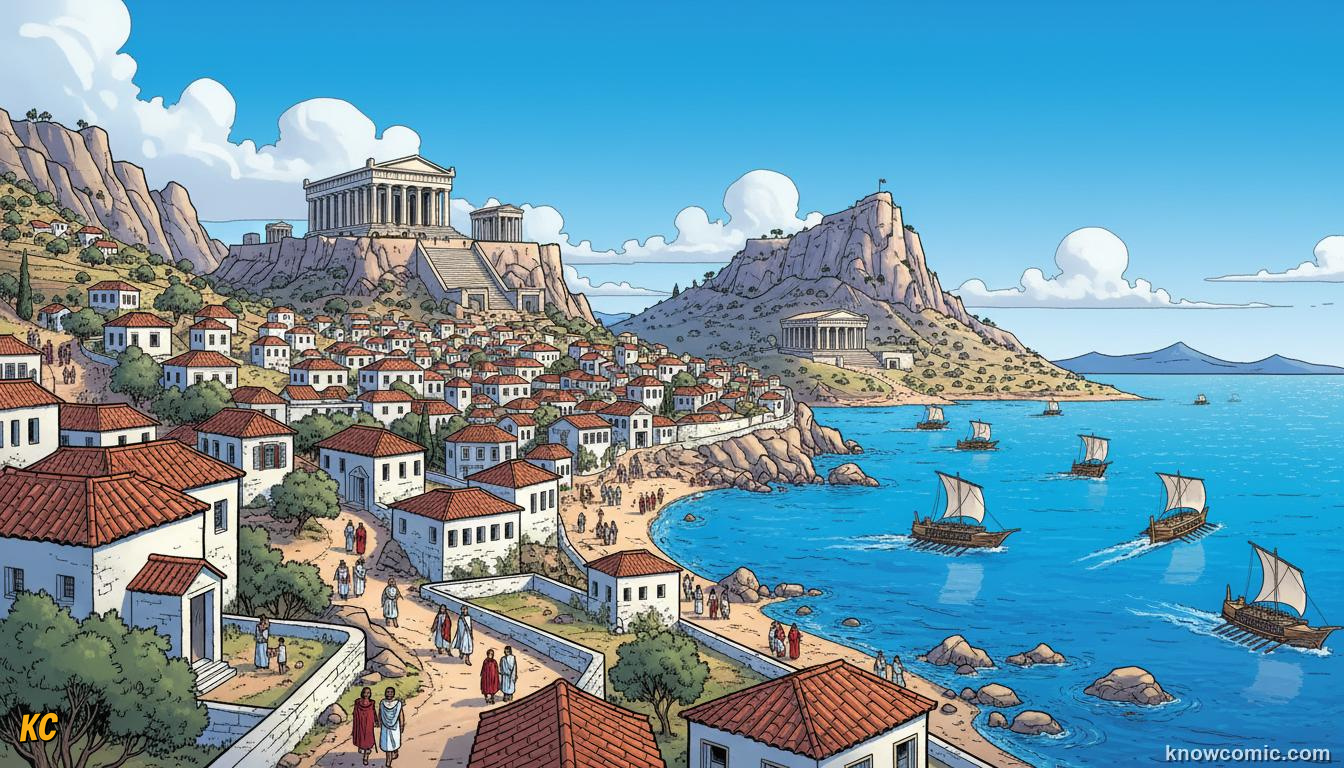
A LAND OF POLIS, INDEPENDENT CITIES
Ancient Greece was never one big country like Egypt or Persia. It was a jigsaw of rocky peninsulas and sun-baked islands scattered across the Aegean Sea. Each valley or island nurtured its own walled community called a polis (city-state), Athens, Sparta, Corinth, Thebes and hundreds more. They shared the Greek language, myths and gods like Zeus and Athena, but each polis had its own laws, army and pride. Some were democracies where citizens voted; others were kingdoms or oligarchies ruled by the rich. When they were not fighting Persians, Greek city-states often fought each other, yet together they produced philosophy, drama, science and art that still shape schools and museums today.
⚡ DID YOU KNOW?
The English word "politics" comes straight from polis, because in Athens, running the city was literally the job of the citizens.
POLIS!
ACROPOLIS
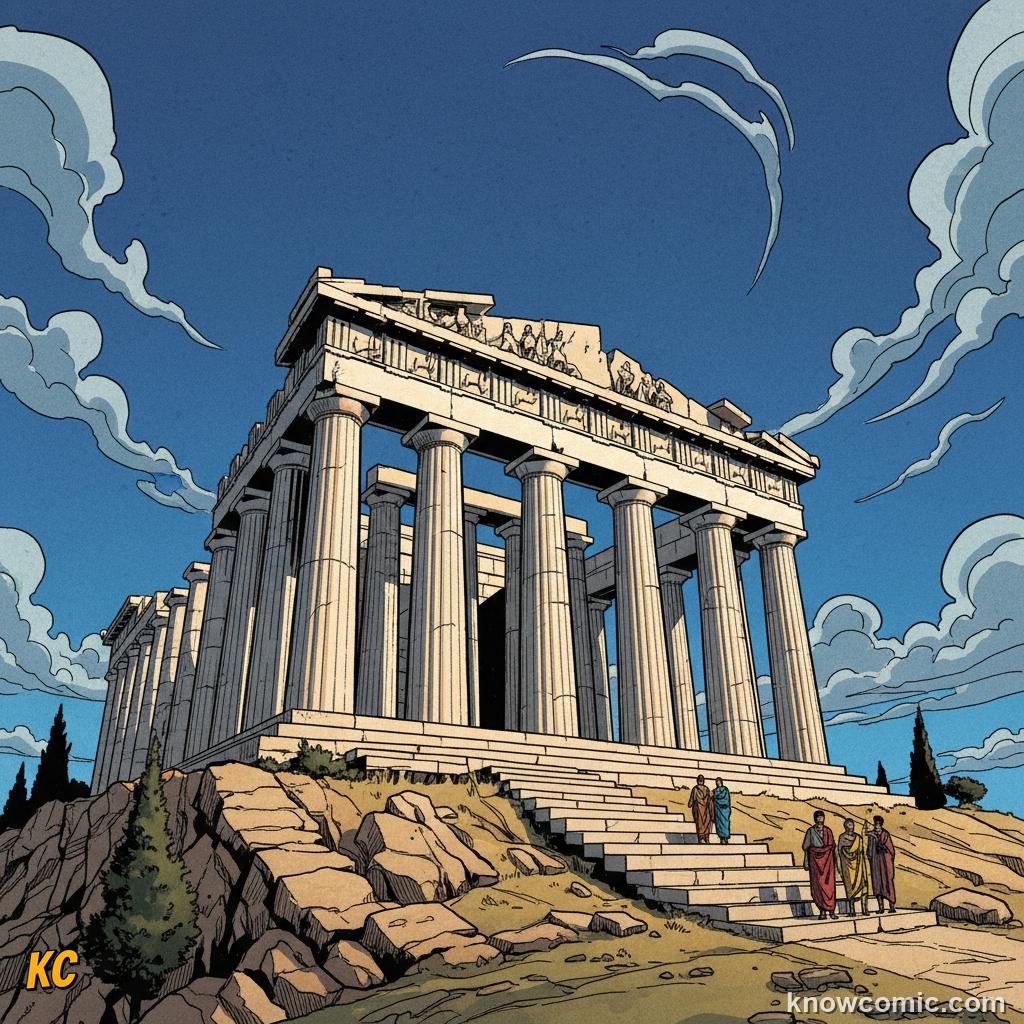
🏛️ High rocky citadel in each city
🏛️ Temples to patron gods
🏛️ Athens' crown: the Parthenon
🏛️ Temples to patron gods
🏛️ Athens' crown: the Parthenon
TRIREME
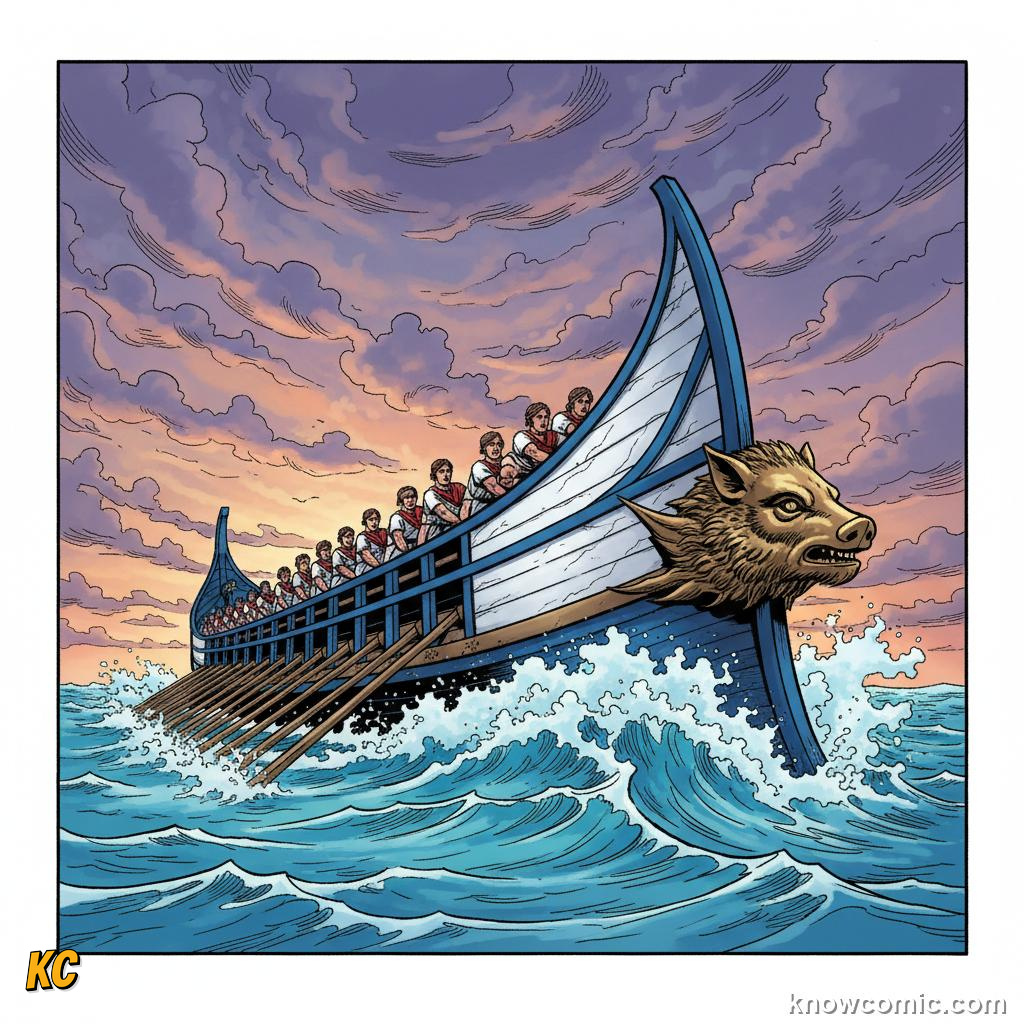
🚢 Three banks of oars
⚔️ Bronze ram on the prow
🌊 Battle of Salamis 480 BCE
⚔️ Bronze ram on the prow
🌊 Battle of Salamis 480 BCE