🔊 SOUND WAVES BASICS
PAGE 1 OF 5 — WHAT IS SOUND?
ENERGY ON THE MOVE
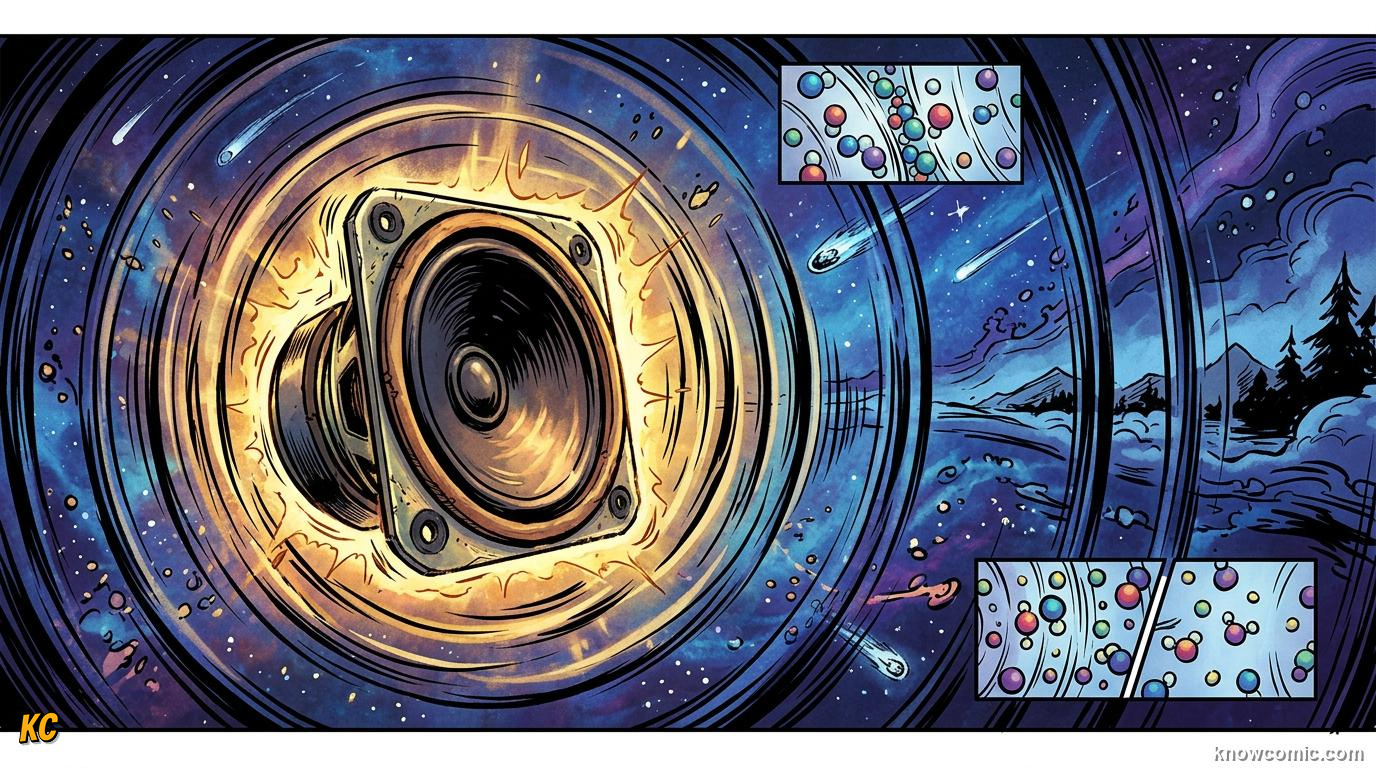
SOUND IS VIBRATION!
Sound travels as waves of energy moving through air, water, or solids. These vibrations cause particles to bump into each other, passing the energy along until it finally reaches our ears. Every sound you hear starts when something shakes back and forth fast enough to send a wave through a medium around it.
⚡ DID YOU KNOW?
Sound cannot exist without something to travel through. Even the loudest drum is silent in empty space because there are no particles to carry the vibration!
VIBRATE!
THREE MEDIA
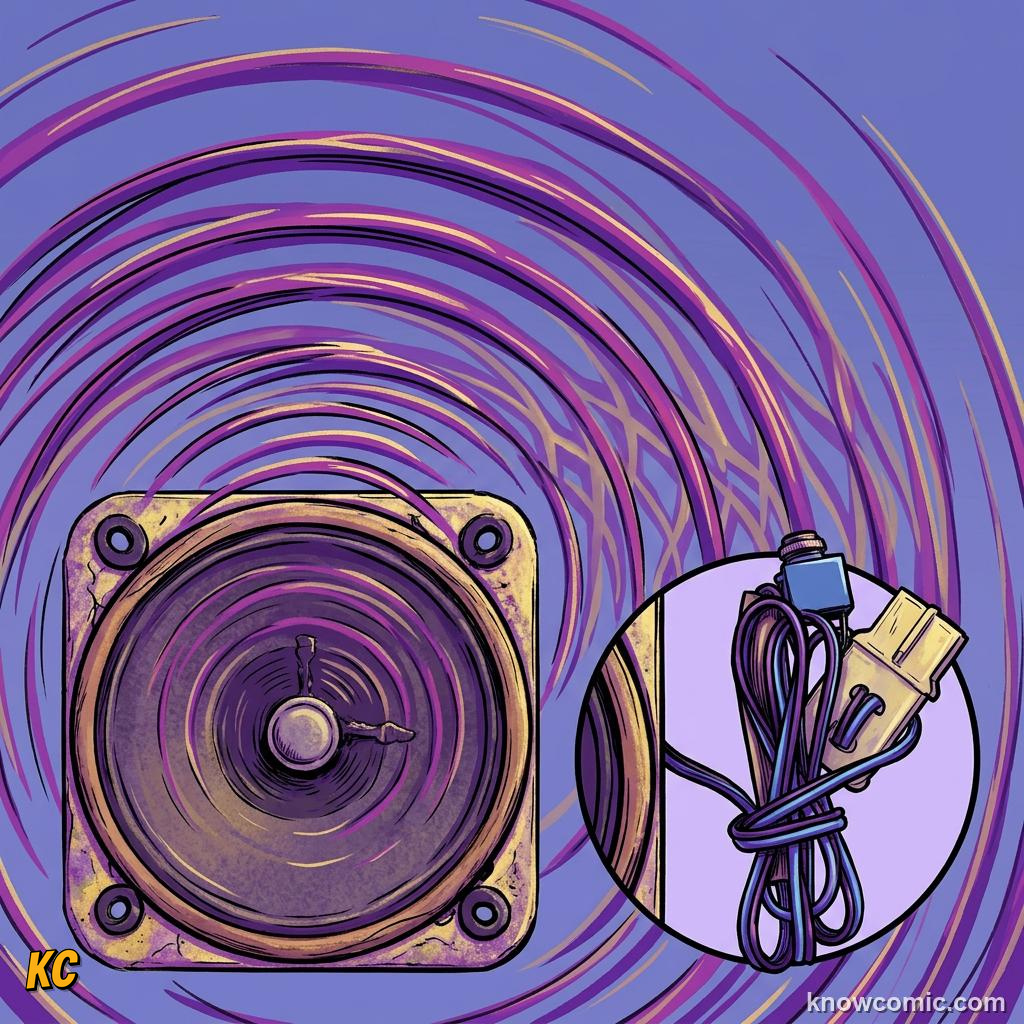
💨 Air: voices, thunder, music
🌊 Water: whale songs travel far
🌊 Water: whale songs travel far
SOLID TOO
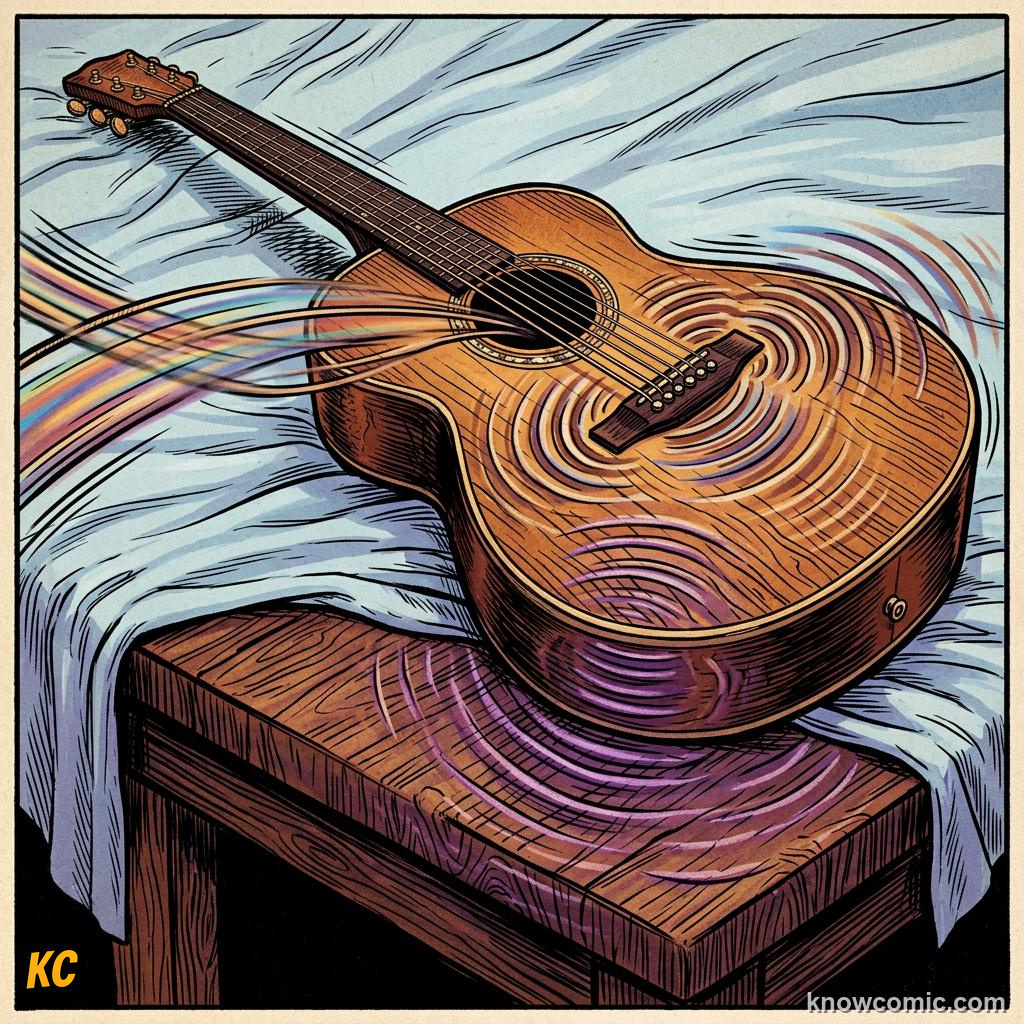
🪵 Wood and metal carry sound well
🎸 Put your ear on a table and tap!
🎸 Put your ear on a table and tap!
PAGE 2 OF 5 — HOW WAVES TRAVEL
PARTICLE CHAIN
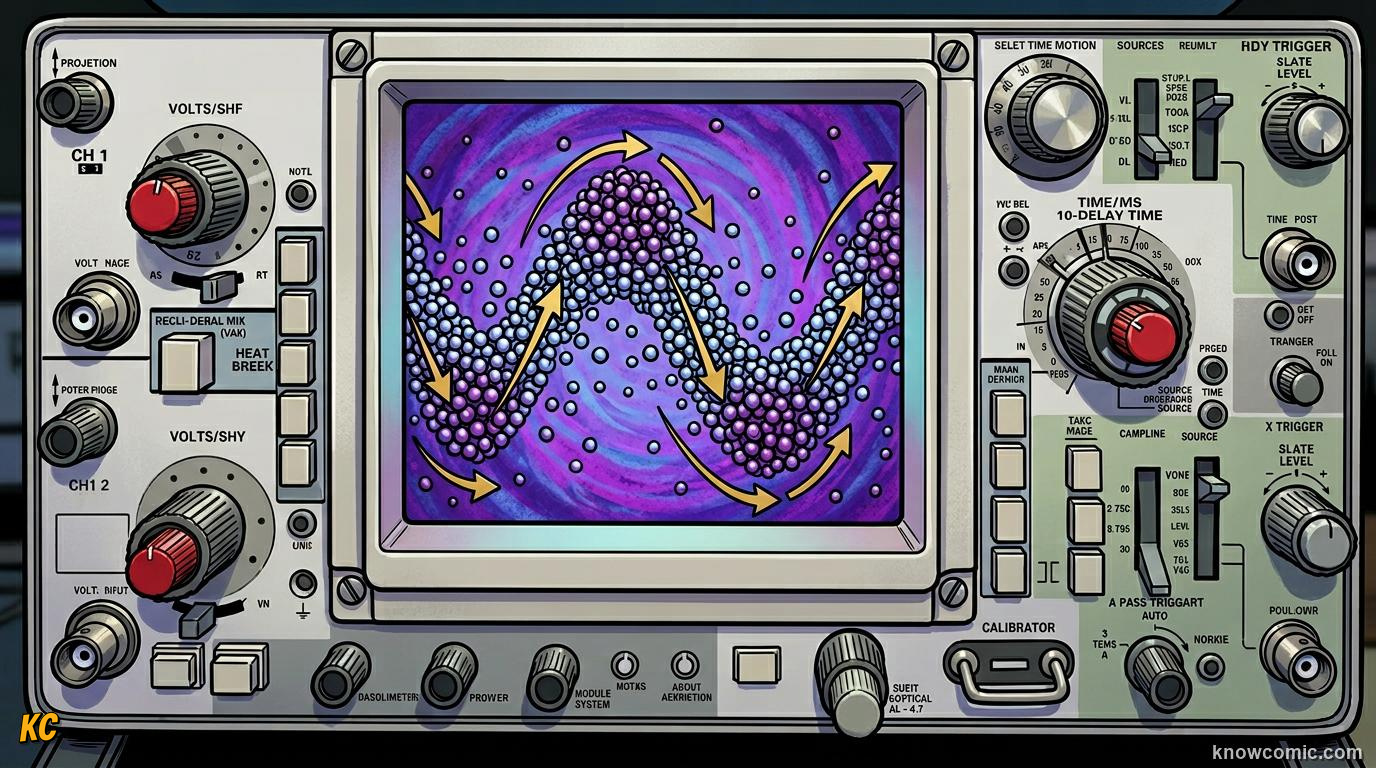
BUMP, PASS, REPEAT!
When a drum skin vibrates, it pushes nearby air particles together. Those particles bump their neighbors, and the neighbors bump the next ones. The energy moves forward in a chain, but the particles themselves mostly stay in place. Think of fans doing "the wave" at a stadium: the pattern travels, but each person only moves a little!
🌊 WAVE FACT
Sound is a longitudinal wave. The particles vibrate back and forth in the same direction the wave is traveling, not up and down like ripples on a pond.
BUMP!
COMPRESSION

📦 Particles squeeze close together
🔊 This is the loud, pushed part
🔊 This is the loud, pushed part
RAREFACTION
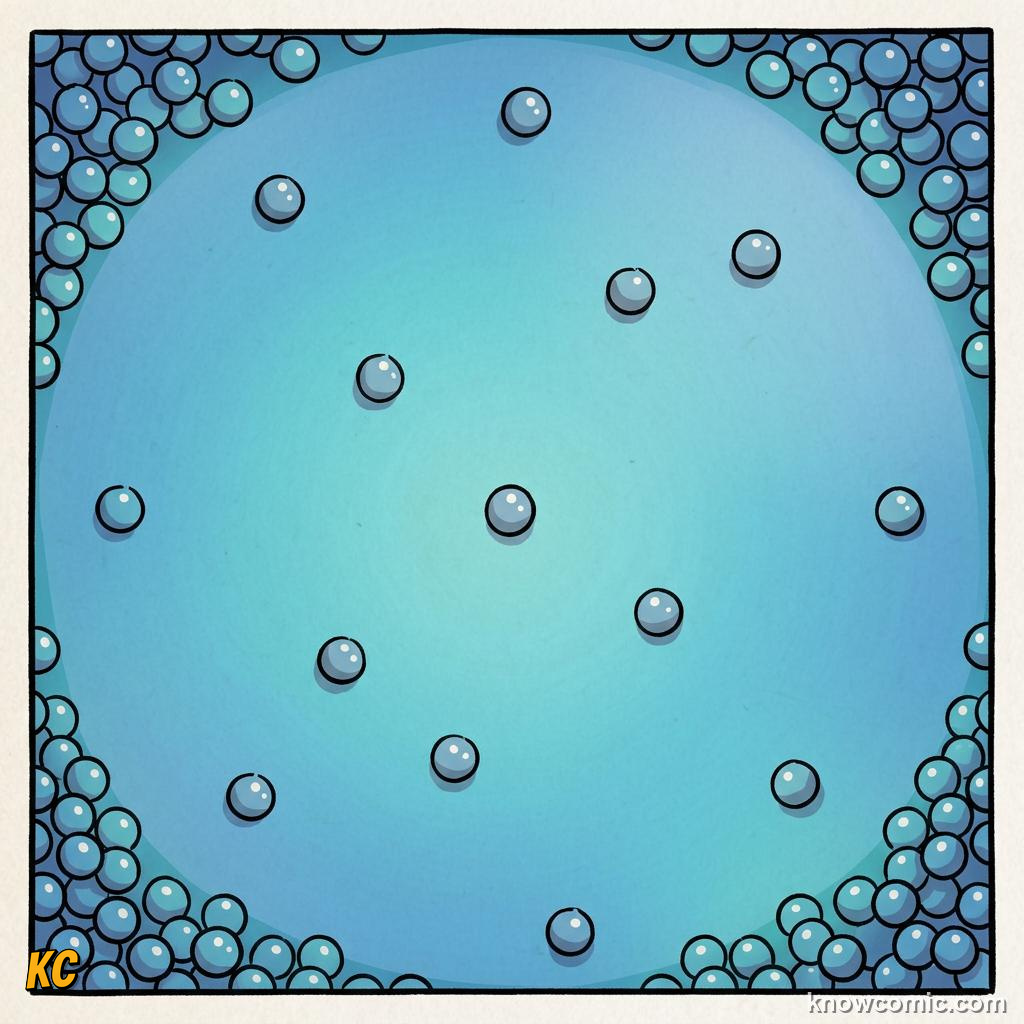
🕳️ Particles spread farther apart
🔇 This is the stretched, quiet gap
🔇 This is the stretched, quiet gap
LONGITUDINAL

↔️ Squeeze and stretch in a line
🎵 Most sound waves work this way
🎵 Most sound waves work this way
PAGE 3 OF 5 — SOUND ALL AROUND US
YOUR VOICE

🗣️ Vocal cords vibrate in your throat
💨 Air carries the sound outward
💨 Air carries the sound outward
UNDERWATER
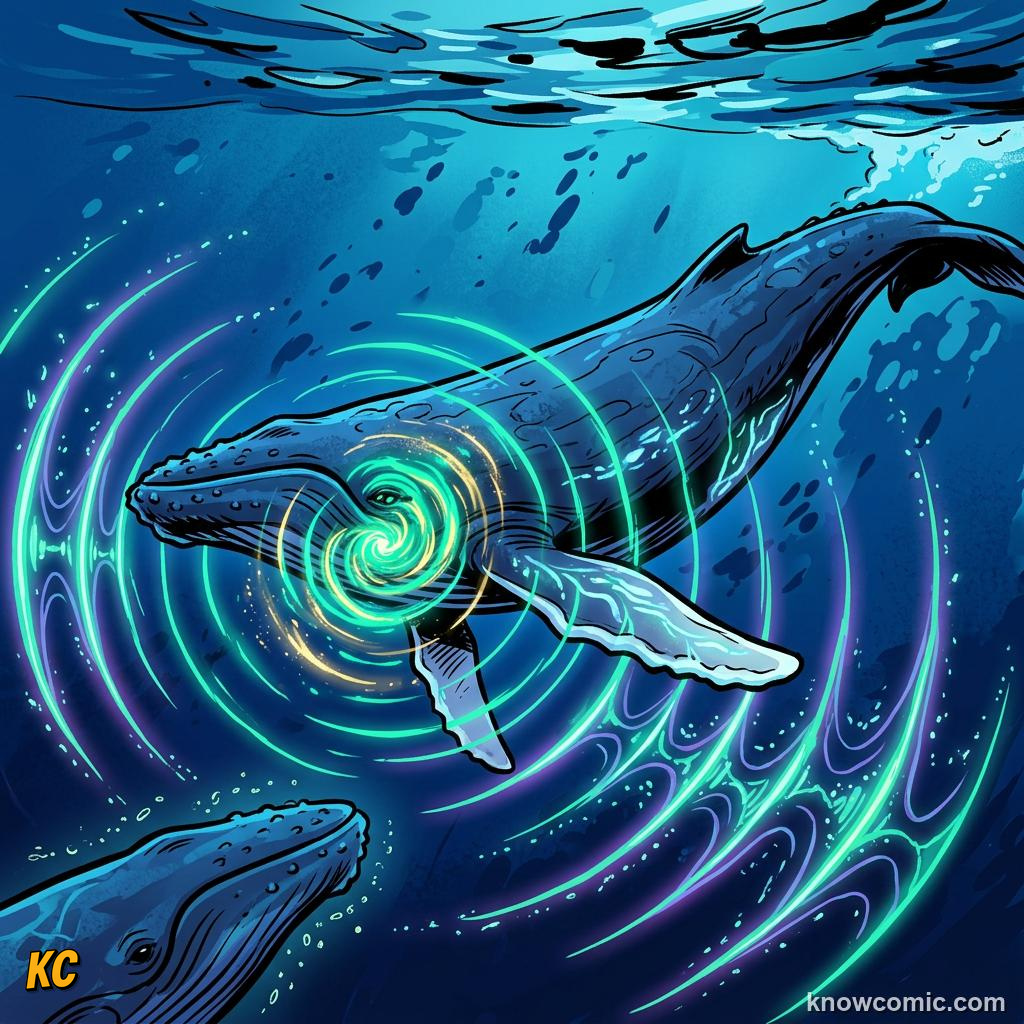
🐋 Whales sing across entire oceans
🌊 Water particles pass the wave fast
🌊 Water particles pass the wave fast
SOUND MAKERS
EVERYDAY VIBRATIONS
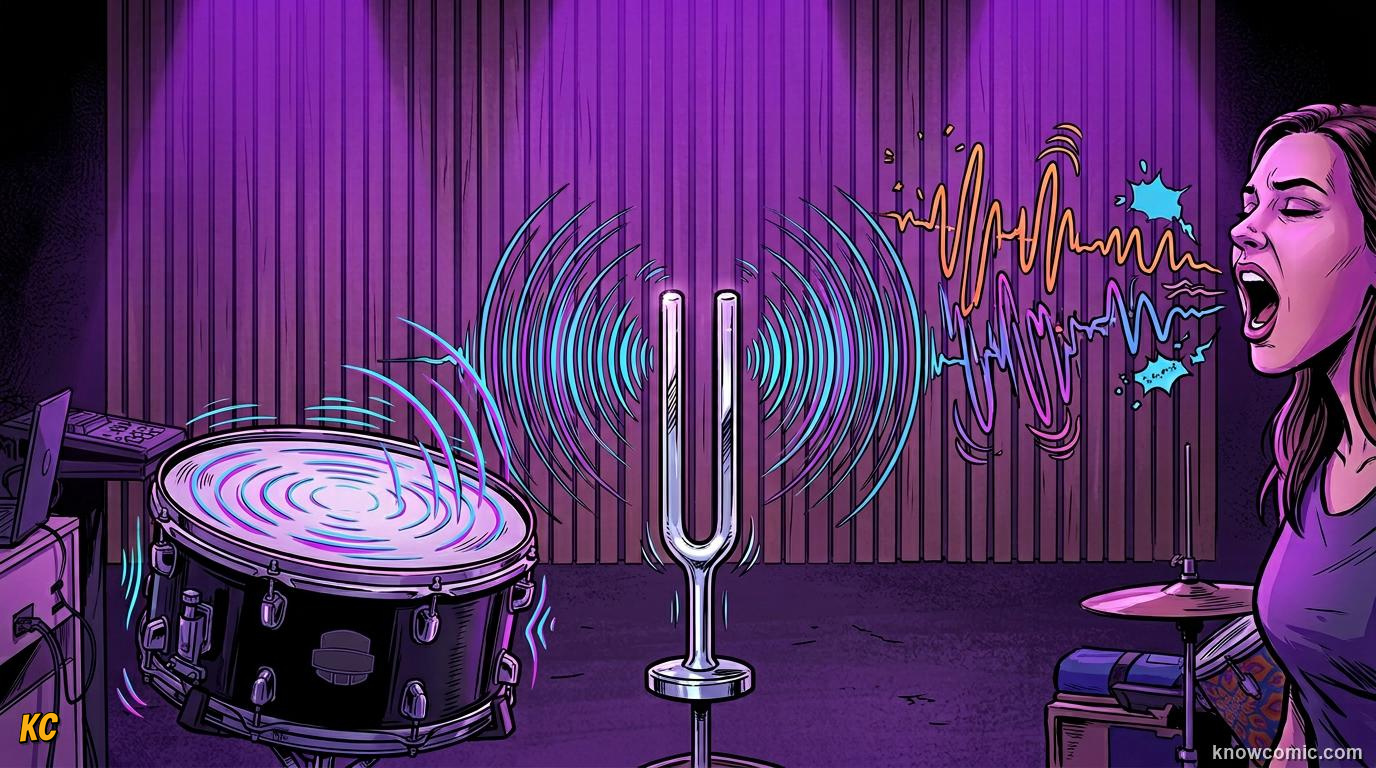
A drum sends waves when you hit the skin. A tuning fork buzzes so fast you can feel it tingle in your hand. Your voice shakes air from your lungs. Even a buzzing bee makes sound by flapping its wings hundreds of times per second. Different sources, same idea: something vibrates, and the wave carries that energy to your ears.
🎵 FUN FACT
Sound travels about four times faster in water than in air, which is why whales can communicate across hundreds of kilometres underwater!
LISTEN!
PAGE 4 OF 5 — SILENCE IN SPACE
NO MEDIUM
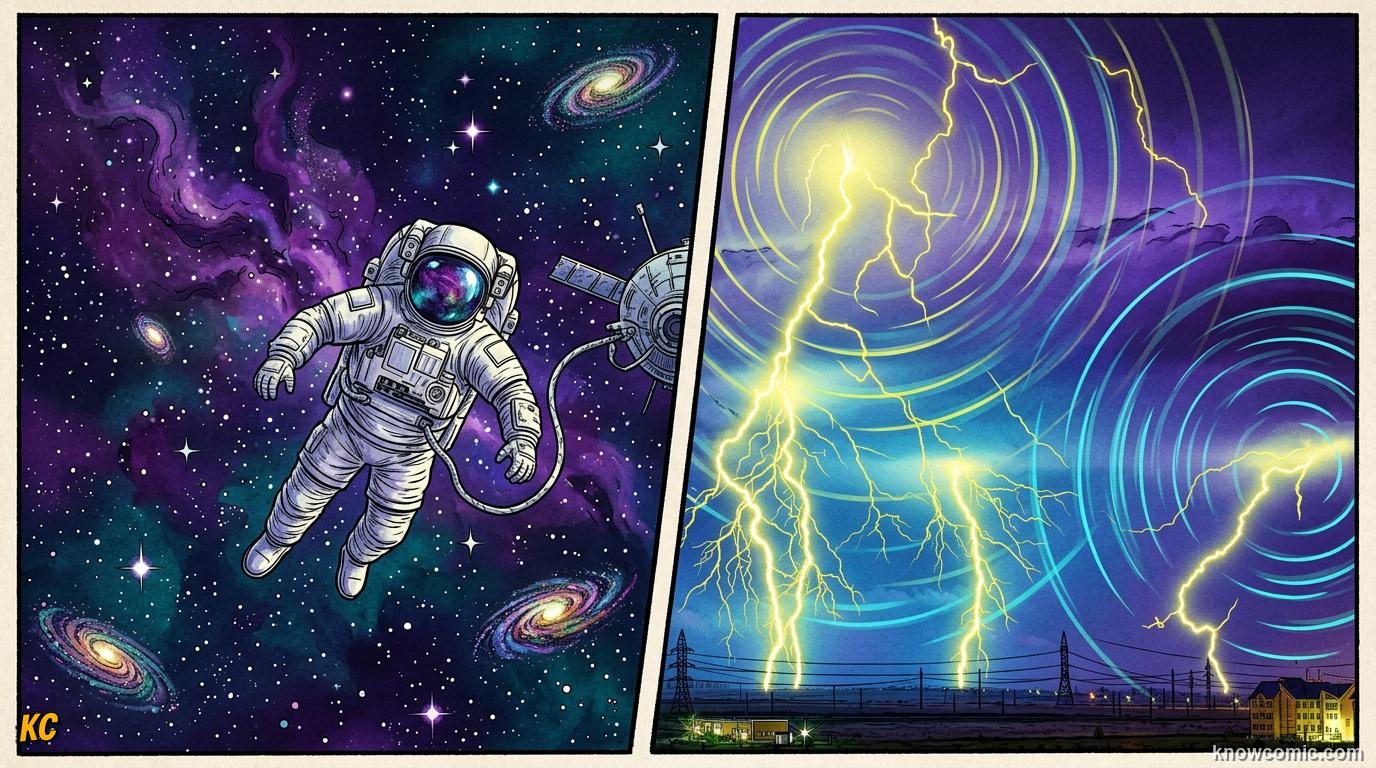
NO SOUND IN A VACUUM!
Outer space is nearly a perfect vacuum. There are almost no particles to bump together, so sound waves have nothing to travel through. Explosions in space would look spectacular but stay completely silent! Astronauts talk inside their helmets because air fills the suit. Outside, they use radio waves, which are a different kind of energy that can cross empty space.
🚀 SPACE FACT
Movies often show loud explosions in space, but real physics says those blasts would be totally silent. No air means no sound!
SILENCE!
WAVELENGTH
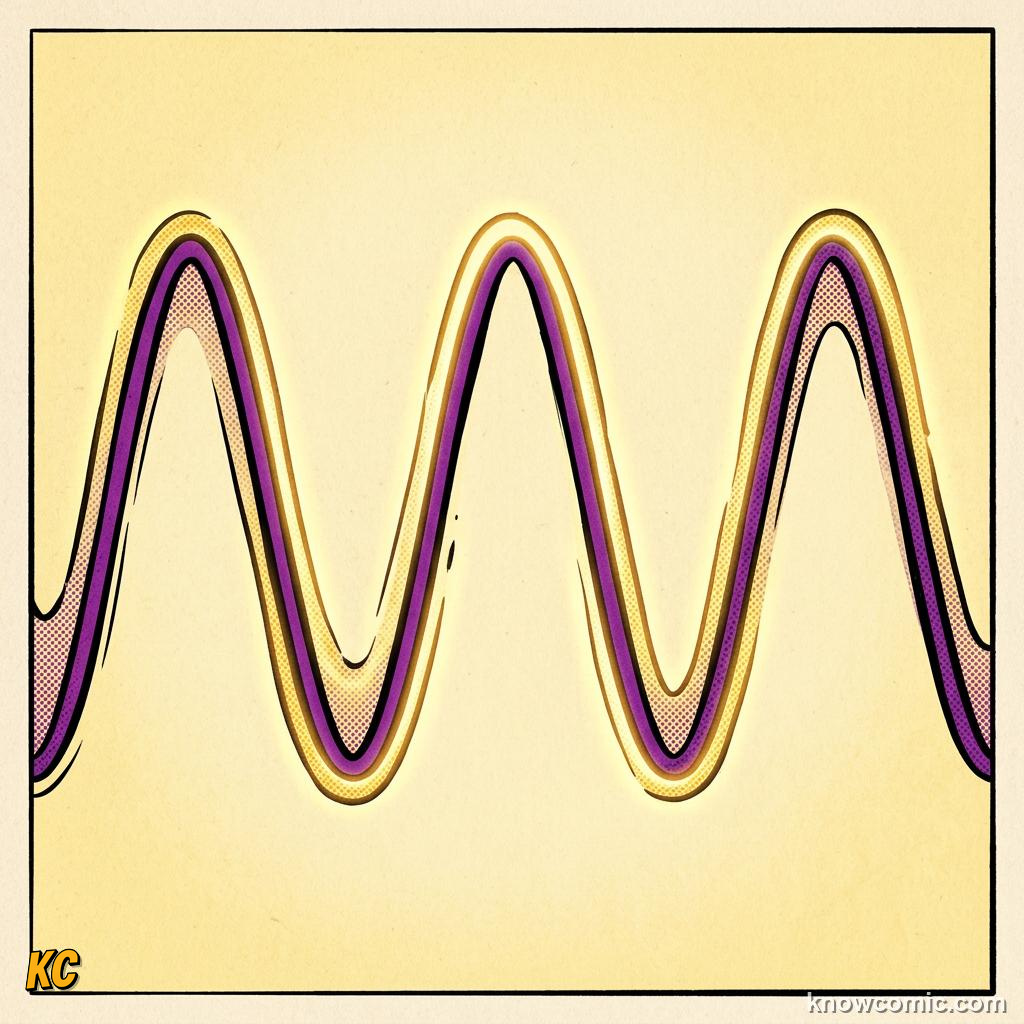
📏 Distance from squeeze to squeeze
🎻 Long waves sound deeper
🎻 Long waves sound deeper
FREQUENCY
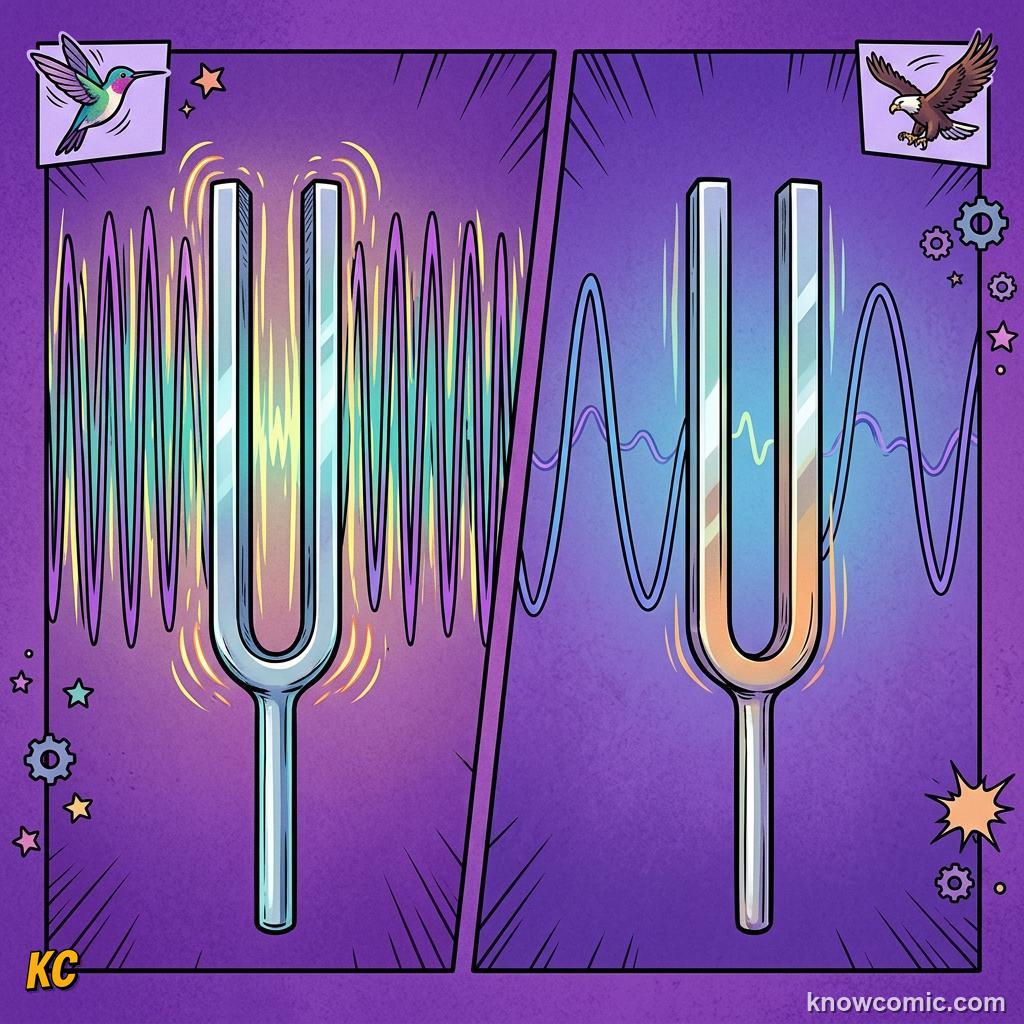
⚡ How many vibrations per second
🎵 More on pitch in Topic 02!
🎵 More on pitch in Topic 02!
EMPTY SPACE

🌌 No particles, no bumping
🔇 The ultimate quiet zone
🔇 The ultimate quiet zone
PAGE 5 OF 5 — SOUND WAVES RECAP
PUT IT TOGETHER
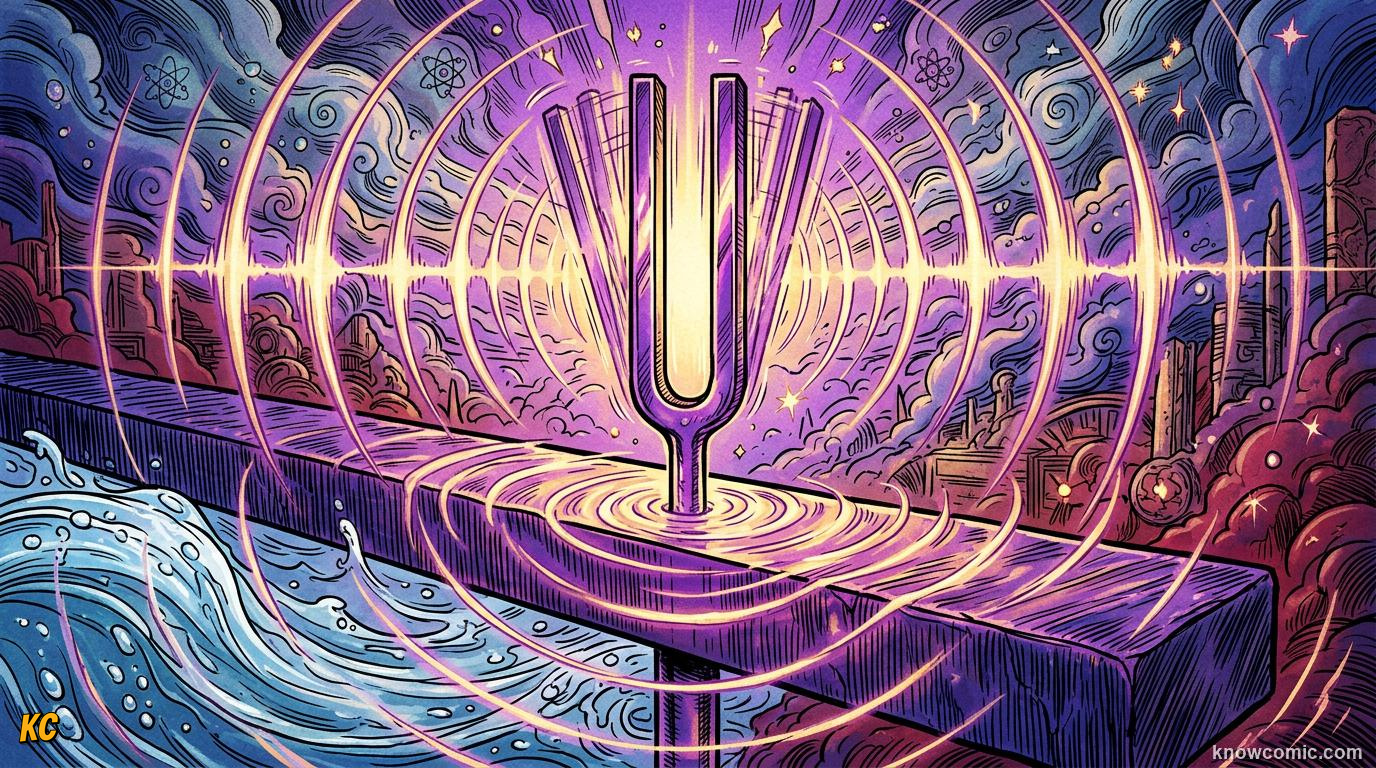
THE WHOLE STORY
Sound begins with vibration. That vibration pushes particles in a medium like air, water, or a solid. The wave moves forward through compression and rarefaction, passing energy without moving the particles far. Your ears catch the wave and your brain turns it into hearing. No medium means no sound, which is why space stays silent no matter how big the explosion looks on screen.
🎯 REMEMBER
Sound = vibration through a medium. Particles bump, energy travels. Compression + rarefaction = longitudinal wave. No medium = no sound. Wavelength and frequency shape what we hear next!
WAVES!
KEY IDEAS
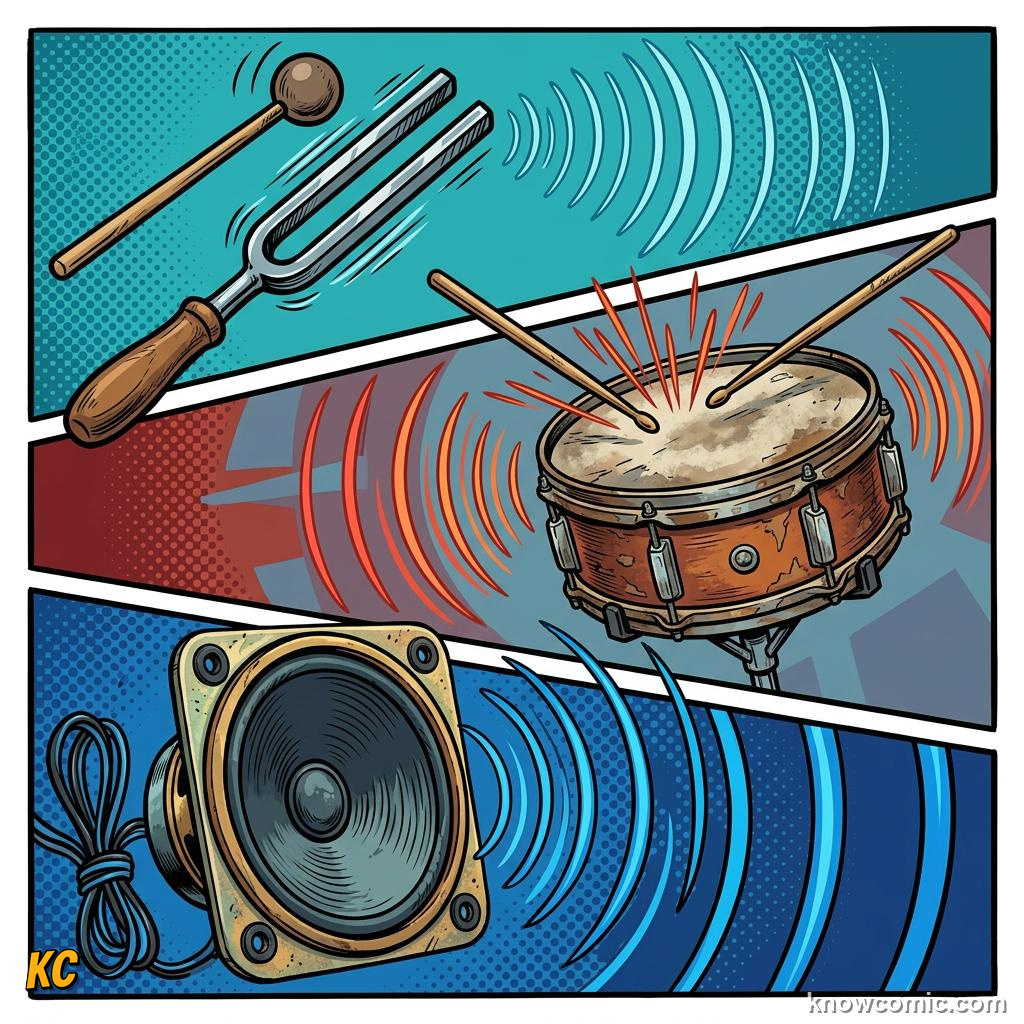
🔊 Drum, fork, voice, whale: all vibrate
💨 Air, water, solids carry sound
💨 Air, water, solids carry sound
NEXT UP
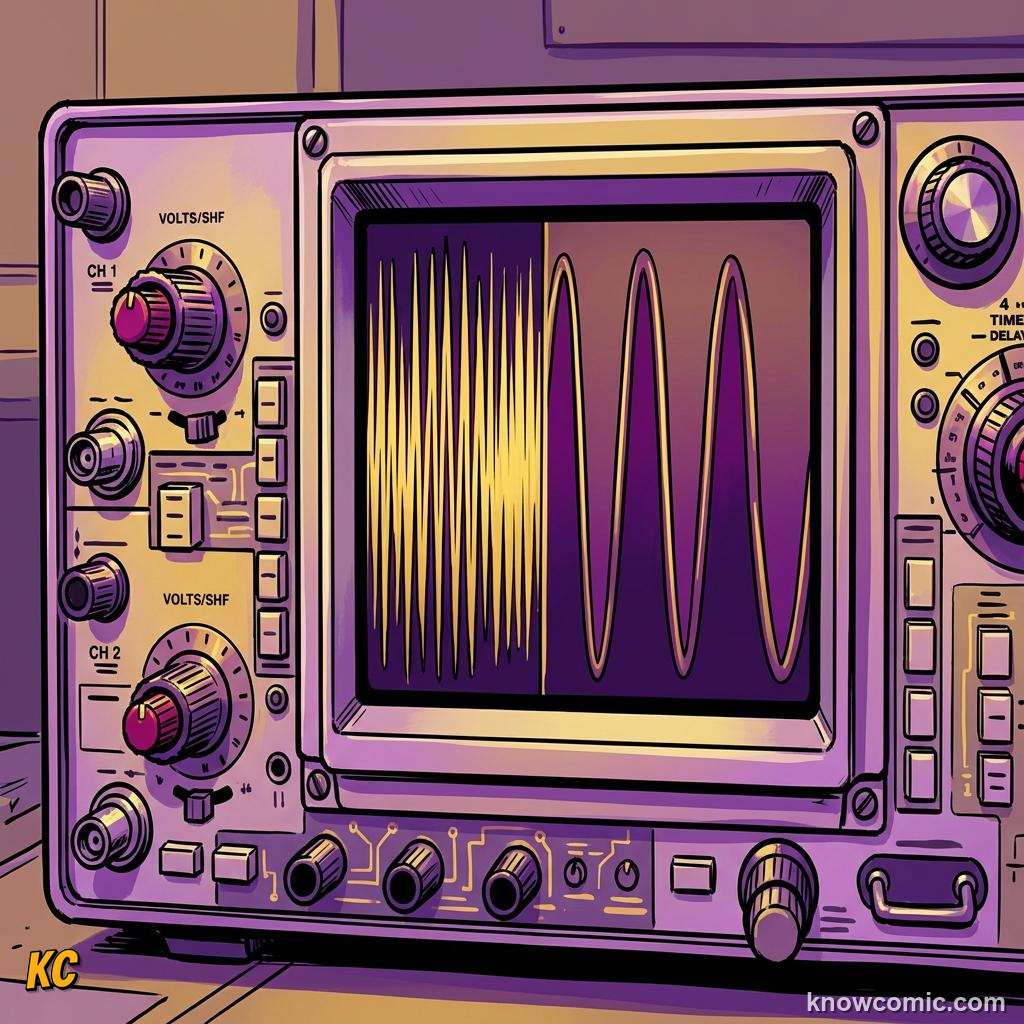
📏 Wavelength = wave length
⚡ Frequency = pitch (Topic 02!)
⚡ Frequency = pitch (Topic 02!)
🧠 QUIZ TIME!
SOUND WAVES BASICS · 5 QUESTIONS
QUESTION 01
What must sound travel through to reach your ears?
QUESTION 02
What happens during compression in a sound wave?
QUESTION 03
Why is outer space silent even during a huge explosion?
QUESTION 04
How do particles pass sound energy along a wave?
QUESTION 05
What type of wave is a sound wave?
0/5
LOADING...