📖 250 Topics🆓 FREE + PRO⏱️ 5 min per comic🧠 Quiz included
🔪
FORCE
Push or pull
→
📐
AREA
Where it spreads
→
❄️
SNOW
Spread out to float
→
💧
FLUID
Hydraulics multiply
→
✨
TODAY
Everywhere you stand
🔪 PRESSURE
TOPIC 13 · SCIENCE · FORCES & MOTION
PAGE 1 OF 5 — FORCE OVER AREA
WHAT IS PRESSURE?
SAME PUSH, DIFFERENT SQUEEZE
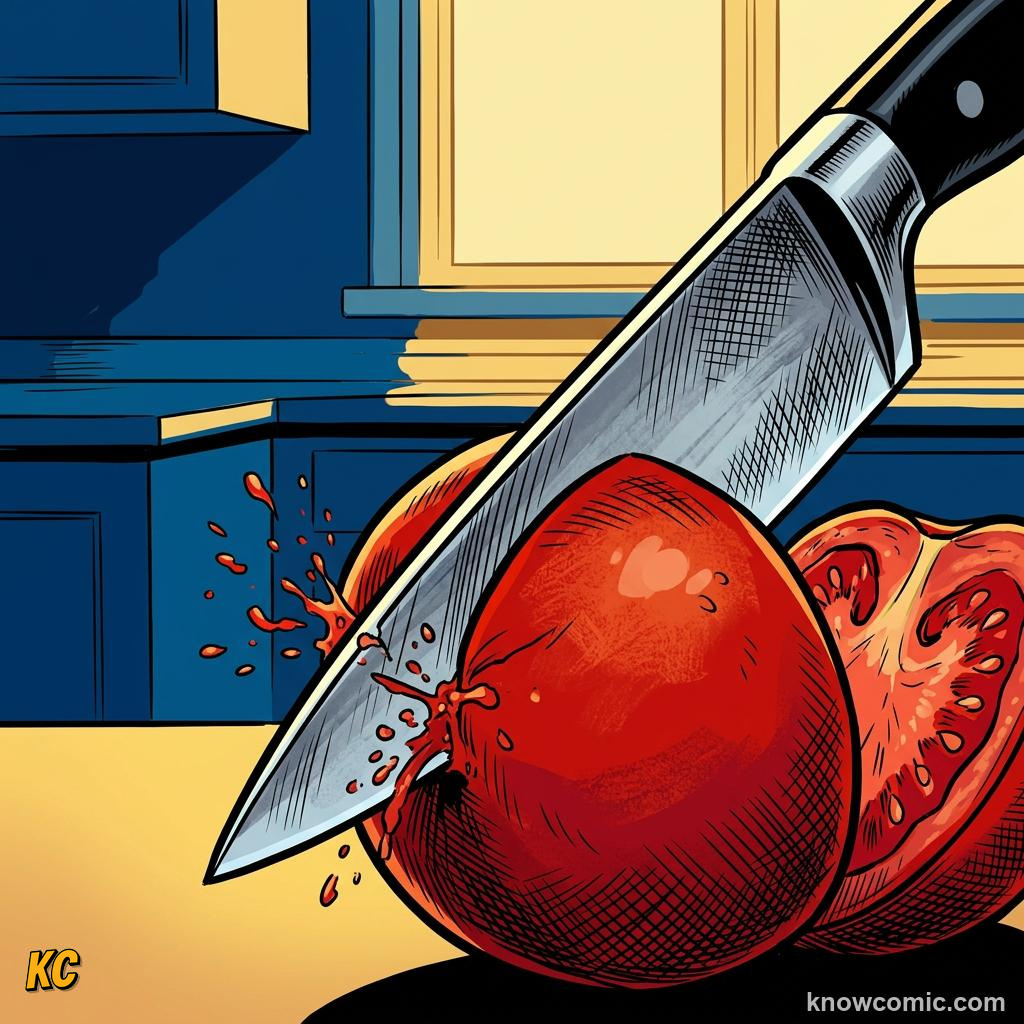
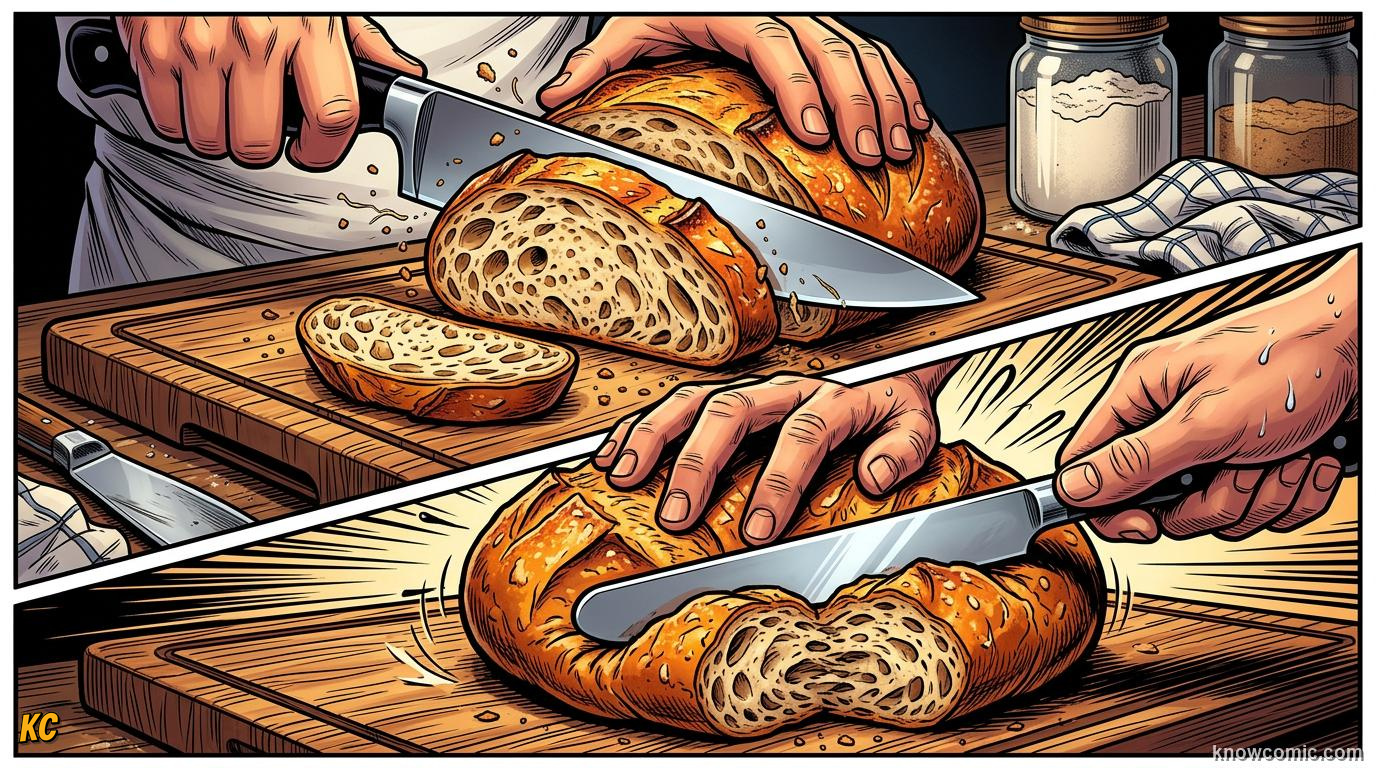
Pressure tells you how concentrated a force is. In simple form, pressure equals force divided by area. Push with the same force on a tiny tip and the pressure soars. Spread that force over a wide pad and the pressure drops. That is why a sharp knife slices food while a blunt butter knife mostly squishes.
🔪 P = F/A
Pressure is force divided by the area where the force is applied.
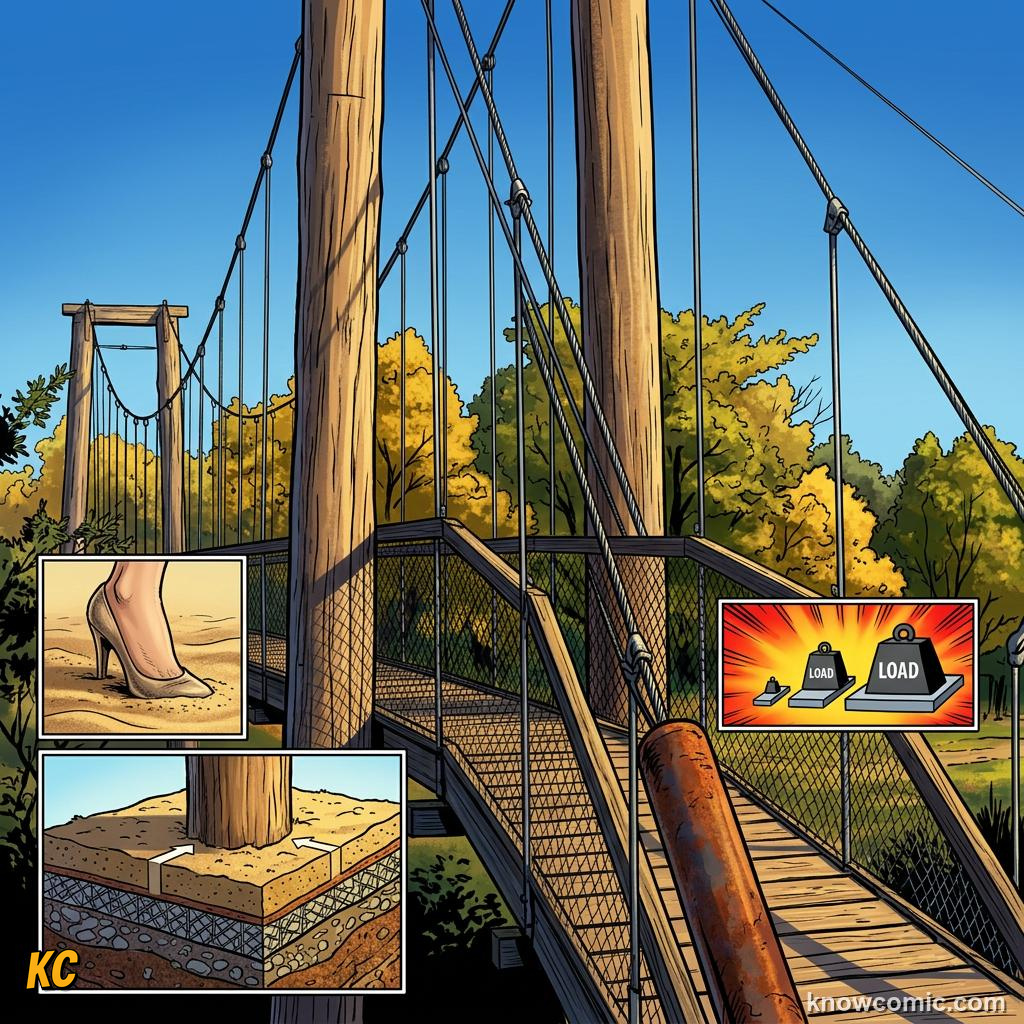
👠 Thin heels dig into sand ❄️ Wide shoes spread your weight
PAGE 2 OF 5 — SNOWSHOES AND HEELS
SPREAD OR FOCUS
WHY AREA MATTERS
On soft snow or sand, a small contact area means high pressure, so you sink. Snowshoes and wide boots increase area, lower pressure, and help you stay nearer the surface. High heels do the opposite: the same body weight on a tiny heel tip makes high pressure that punches into soft ground. Same person, different footprint, different pressure.
❄️ SPREAD
Larger area lowers pressure for the same force, so you sink less in soft surfaces.
WIDE!
SNOW
❄️ Big shoes, lower pressure 🥾 Boots beat skinny heels in sand
HEEL
👠 Tiny tip, high pressure 🏖️ Soft ground shows the difference
SAFE
👀 Watch where force concentrates 🛠️ Tools use sharp or flat on purpose
PAGE 3 OF 5 — FLUIDS AND HYDRAULICS
JACK
🚗 Hydraulic jacks lift cars 🏗️ Diggers use fluid push
AIR
🌬️ Atmosphere presses on us 🎈 Balloons show air pressure too
LIQUIDS PUSH TOO
PRESSURE IN PIPES
Liquids and gases also have pressure. In a closed hydraulic system, pressure can travel through fluid so a small push on a small piston helps move a larger piston. Car jacks and diggers use this idea. Atmosphere has pressure too: air presses on everything, though we usually do not notice because it pushes from all sides.
💧 FLUID
Hydraulic machines use fluid pressure to move heavy loads with a smaller input force.
PUMP!
PAGE 4 OF 5 — UNITS AND SAFETY
MEASURING PRESSURE
PASCALS AND CARE
Scientists often measure pressure in pascals: one pascal is one newton of force on one square metre. Tyre gauges, weather maps, and deep-sea gear all track pressure. High pressure can be useful or dangerous. Never point high-pressure water or air at people, and treat sharp tools with respect because their tips create extreme pressure.
📏 Pa
The pascal (Pa) is the SI unit of pressure: one newton per square metre.
CARE!
TOOLS
🔪 Sharp edges need respect 🧤 Keep fingers clear of tips
TYRES
🚗 Correct tyre pressure matters 🌊 Deep water raises pressure
WEATHER
⛅ Air pressure changes with weather 🗺️ Maps show highs and lows
PAGE 5 OF 5 — PRESSURE FACTS
WRAP UP
FOCUS OR SPREAD THE FORCE
Pressure is force over area. Sharp tools raise pressure to cut. Wide shoes lower pressure so you sink less. Fluids carry pressure in hydraulic machines. Think about area whenever you push, stand, or cut.
PRESSURE!
NOTICE
🔪 Compare a knife tip to a spoon ❄️ Think about footprints in snow
REMEMBER
⚗️ KEY FACTS
Pressure = force ÷ area. Tiny area means high pressure. Wide area means lower pressure. Hydraulics and the atmosphere both use fluid pressure.
🔪 Sharp = high pressure ❄️ Wide shoes = lower pressure 💧 Fluids can transmit pressure
🧠 QUIZ TIME!
🔪 PRESSURE · 5 QUESTIONS
QUESTION 01
What is the simple idea of pressure?
QUESTION 02
Why does a sharp knife cut more easily than a blunt one?